Exploring Cappadocia’s Mysterious Underground Cities: A Complete Guide
Cappadocia has dozens of ancient underground cities, but the two you can actually descend into are Derinkuyu (the deepest, about 85m / €13) and Kaymaklı (the widest, €13), both near Nevşehir. Carved by early communities to shelter from invasion, they hide kitchens, stables, chapels and ventilation shafts metres below the fairy-chimney landscape. This guide lists every city worth visiting, with entry fees, tips and how to get there — and pairs perfectly with our Derinkuyu guide and Kaymaklı guide.
Why Were Underground Cities Built in Cappadocia?
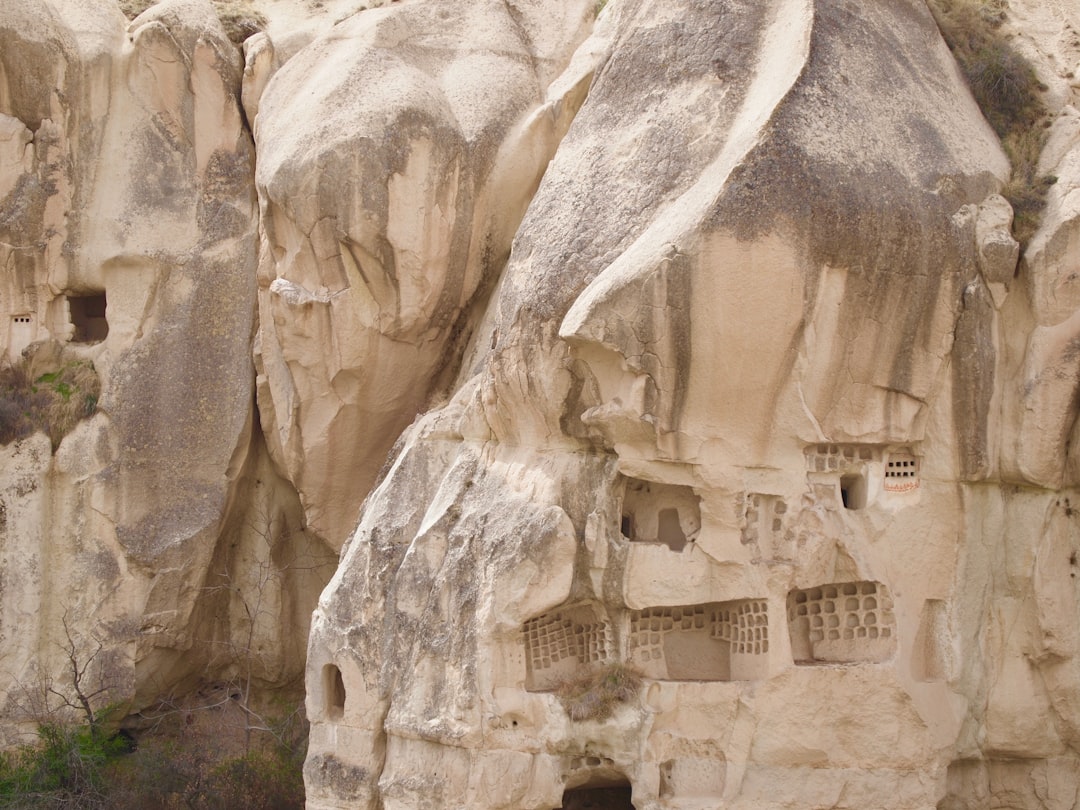
The primary reason for the construction of these extensive underground complexes was protection. During periods of invasion and religious persecution, primarily between the 7th and 12th centuries, the local Christian population needed a safe haven. The soft volcanic rock of Cappadocia, known as tuff, made it relatively easy to carve out these underground shelters. These cities offered refuge from raiding armies, providing a place to live, worship, and store provisions until the danger passed.
Imagine a life of constant threat. These weren’t just simple bunkers; they were fully functional cities, complete with living quarters, kitchens, stables, churches, wineries, and even wells. The depth and complexity of these structures are truly remarkable, showcasing the determination of the people who built and inhabited them.
The Most Impressive Cappadocia Underground Cities to Visit
While numerous underground settlements exist in Cappadocia, some stand out due to their size, preservation, and accessibility. Here are some of the most impressive underground cities of Cappadocia you should consider visiting:
Derinkuyu Underground City: The Deepest of Them All
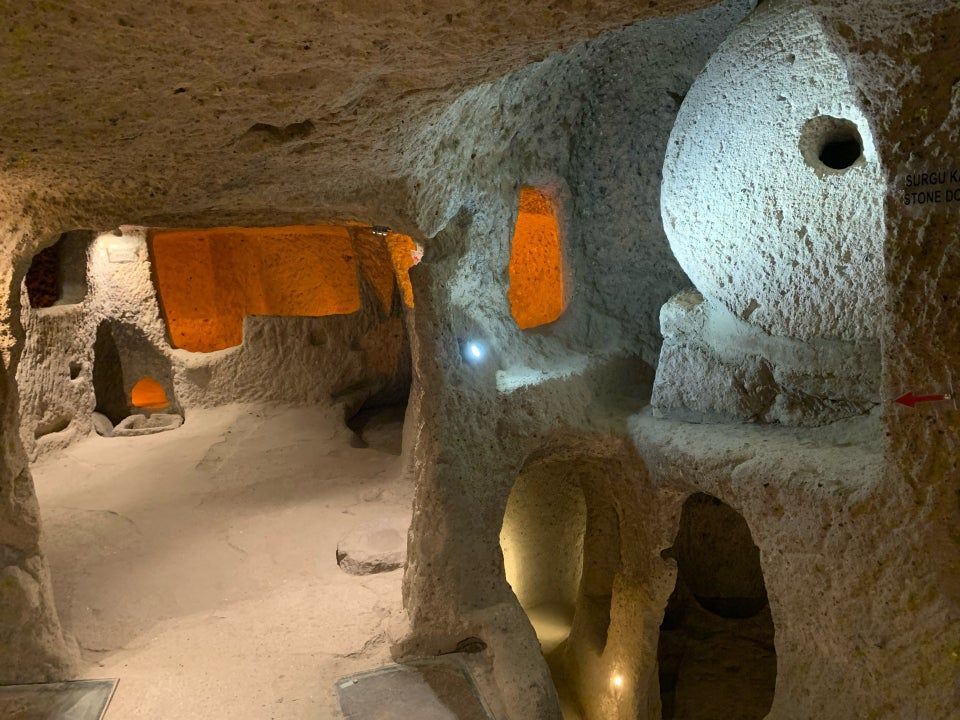
Derinkuyu is the deepest discovered underground city in Cappadocia, plunging approximately 85 meters (279 feet) into the earth. It is believed to have been able to shelter tens of thousands of people, along with their livestock and supplies. This multi-level city features ventilation shafts, water wells, schools, meeting rooms, and even a missionary school. The intricate network of tunnels and chambers is a testament to the advanced engineering capabilities of its creators. Entry costs €13.
Key features of Derinkuyu include:
- Multiple levels descending deep into the earth.
- Large, rolling stone doors used to block invaders.
- Ventilation shafts providing fresh air to the lower levels.
- Evidence of daily life, including kitchens, stables, and storage areas.
Kaymakli Underground City: The Widest and Most Extensive
Kaymakli is another impressive underground city, renowned for its vast size and complex layout. While not as deep as Derinkuyu, it covers a larger area and features a labyrinthine network of tunnels and chambers. Only a fraction of Kaymakli is currently open to the public, but even that small portion offers a glimpse into the scale of this subterranean city. Entry costs €13.
Highlights of Kaymakli include:
- Extensive stables, indicating a significant animal population.
- Large storage areas for food and water.
- A church carved into the rock.
- A complex system of defense mechanisms, including narrow passageways and stone doors.
Ozkonak Underground City: A Unique Communication System
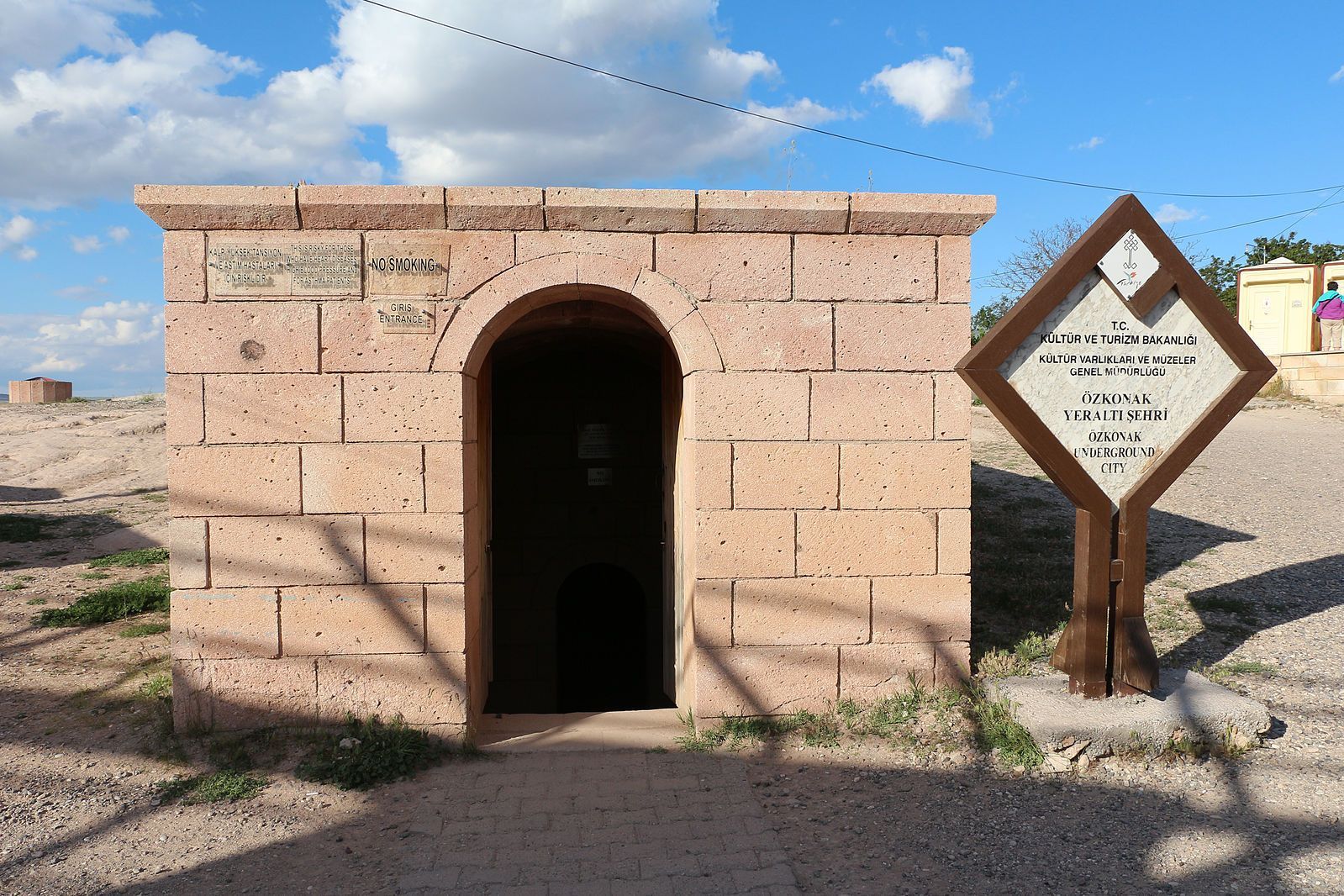
Ozkonak is smaller than Derinkuyu and Kaymakli but boasts a unique communication system. Unlike the other cities, Ozkonak features a network of small holes above the tunnels, allowing for communication between different levels. These holes also served as points from which to drop hot oil or boiling water on invaders. Entry to Özkonak costs €3, making it the cheapest of the major sites.
Distinguishing features of Ozkonak:
- The unique communication system of small holes.
- A well-preserved olive press.
- A sliding stone door that could be maneuvered from the inside.
Mazi Underground City: A Quieter Alternative
Mazi is a relatively recent discovery and offers a different perspective on Cappadocia’s underground cities. Its proximity to a surface village allows visitors to easily imagine the connection between the underground and above-ground life.
What makes Mazi special:
- Direct connection to the village above.
- Well-preserved animal shelters.
- Evidence of a Christian church inside the city.
Tatlarin Underground City: A Lesser-Visited Site
Tatlarin is notable for being one of the lesser-visited, yet most historically significant, underground cities. While not fully excavated, it offers a more raw and untouched experience compared to the more tourist-heavy sites. This adds an element of adventure to the visit.
What to expect at Tatlarin:
- Less crowded, offering a more intimate experience.
- The chance to see the raw, untouched nature of the site.
- Less tourist infrastructure, requiring a bit more planning.
Tips for Visiting Cappadocia Underground Cities
Before you embark on your subterranean adventure, consider these helpful tips to make the most of your experience:
- Wear comfortable shoes: You’ll be doing a lot of walking and climbing, often on uneven surfaces.
- Bring a light jacket: The temperature inside the underground cities can be significantly cooler than outside.
- Be prepared for tight spaces: Some tunnels are narrow and low, so those with claustrophobia may want to choose their routes carefully or consider exploring Kaymakli or Mazi which offer wider passages.
- Hire a knowledgeable guide: A guide can provide valuable insights into the history, architecture, and purpose of the underground cities.
- Consider a trip: Many local operators offer guided visits of the underground cities, often combined with other popular attractions in Cappadocia.
- Bring water: It’s important to stay hydrated, especially during warmer months.
- Respect the site: These are historical treasures, so please refrain from touching or damaging the structures.
- Check accessibility: Some underground cities may have limited accessibility for visitors with mobility issues. Check beforehand to ensure suitability.
Getting to the Cappadocia Underground Cities
The Cappadocia underground cities sit in the Nevşehir province, roughly 20–40 minutes by car from Göreme. The easiest ways to reach them are renting a car, joining a guided visit, or hiring a private driver. For a door-to-door taxi ride from your hotel or from Kayseri / Nevşehir airport, check the live, all-in fare on the Cappadocia taxi price calculator rather than guessing — prices update in real time.
If you are staying in Goreme, many guided visits depart directly from the town. Consider asking your hotel for recommendations. Public transportation options are limited, making taxis or guided visits the most convenient choices.
Where to Stay While Exploring Cappadocia
Cappadocia offers a range of accommodation options, from luxurious cave hotels to budget-friendly guesthouses. Staying in a cave hotel is a unique experience that allows you to immerse yourself in the region’s distinct atmosphere. Goreme, Uchisar, and Urgup are popular towns with a variety of hotel choices. Book in advance, especially during peak season, to secure your preferred accommodation.
Cappadocia: More Than Just Underground Cities
While the underground cities are a fascinating attraction, Cappadocia has much more to offer. Don’t miss a magical hot-air balloon ride over the fairy chimneys, the rock-cut churches of the Göreme Open-Air Museum, a hike through Red Valley, and the panoramic views from Uçhisar Castle. See more in our top things to do in Cappadocia guide.
Enjoy specialty coffee with stunning fairy-chimney views in their cozy cave interior, plus excellent Turkish coffee and espresso drinks — a great spot to relax and plan your next Cappadocian adventure.
Preserving Cappadocia’s Heritage
The preservation of Cappadocia’s underground cities is crucial to protecting this unique cultural heritage for future generations. Ongoing efforts are focused on stabilizing the structures, improving accessibility, and promoting sustainable tourism. Visitors can contribute to these efforts by respecting the sites, supporting local businesses, and choosing responsible local operators.
Cappadocia Underground Cities FAQ
Which underground city is best to visit?
Derinkuyu is the deepest and most dramatic, while Kaymaklı has wider, less claustrophobic passages — the best choice if tight tunnels worry you. Both are easy half-day trips from Göreme; entry is €13 and €13 respectively.
How much does it cost to enter the underground cities?
Derinkuyu and Kaymaklı each cost €13, while the quieter Özkonak is just €3. Fees are set by the Turkish Ministry of Culture and shown live above.
How deep are the Cappadocia underground cities?
Derinkuyu reaches about 85 metres (279 feet) across at least eight levels and could shelter thousands of people with their livestock and food stores — the deepest excavated underground city in the region.
Plan Your Trip to the Cappadocia Underground Cities Today!
The Cappadocia underground cities offer a unique and unforgettable travel experience. From the depths of Derinkuyu to the intricate passages of Kaymakli, these subterranean wonders will leave you in awe of human ingenuity and resilience. Plan your trip today and discover the secrets hidden beneath the surface of Cappadocia!
Ready to go underground? Pair Derinkuyu and Kaymaklı in one half-day, then check the fare for a taxi via the live Cappadocia taxi price calculator and check the best time to visit Cappadocia before you plan.