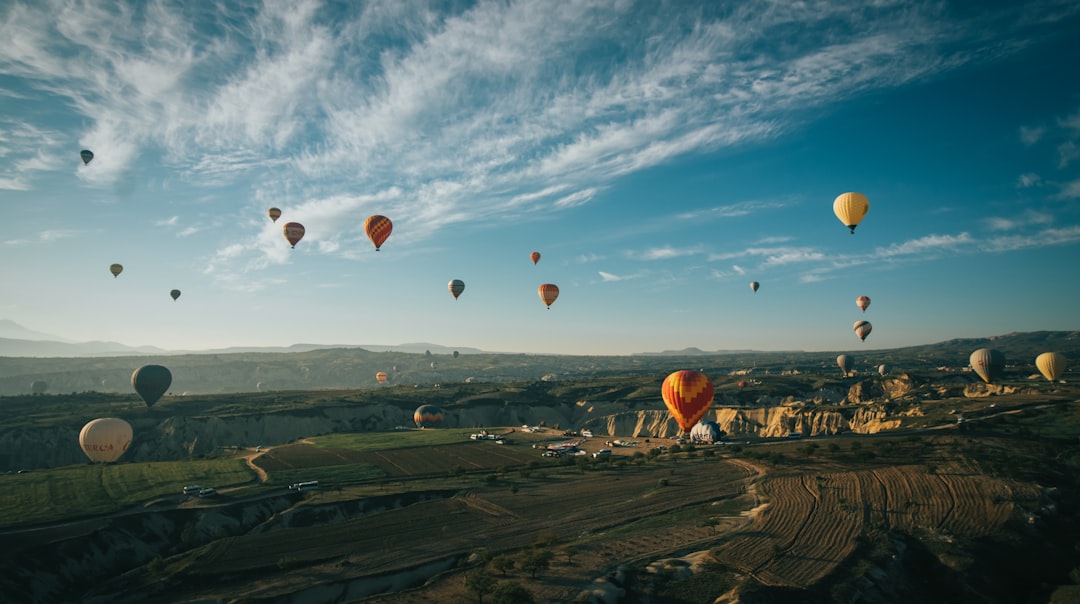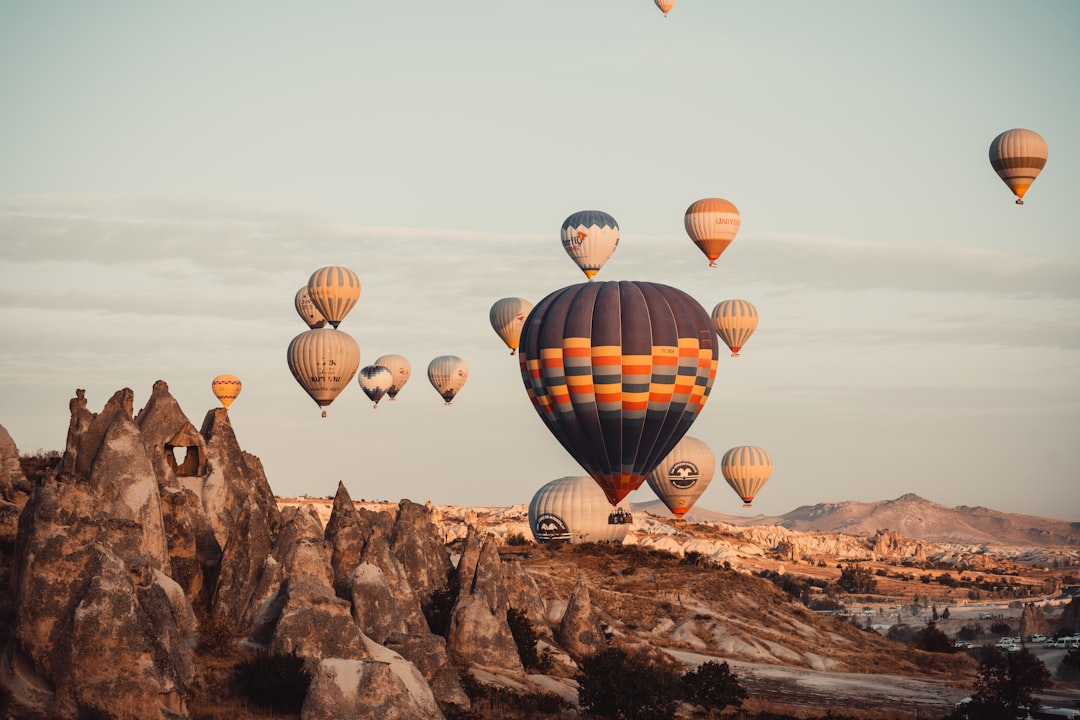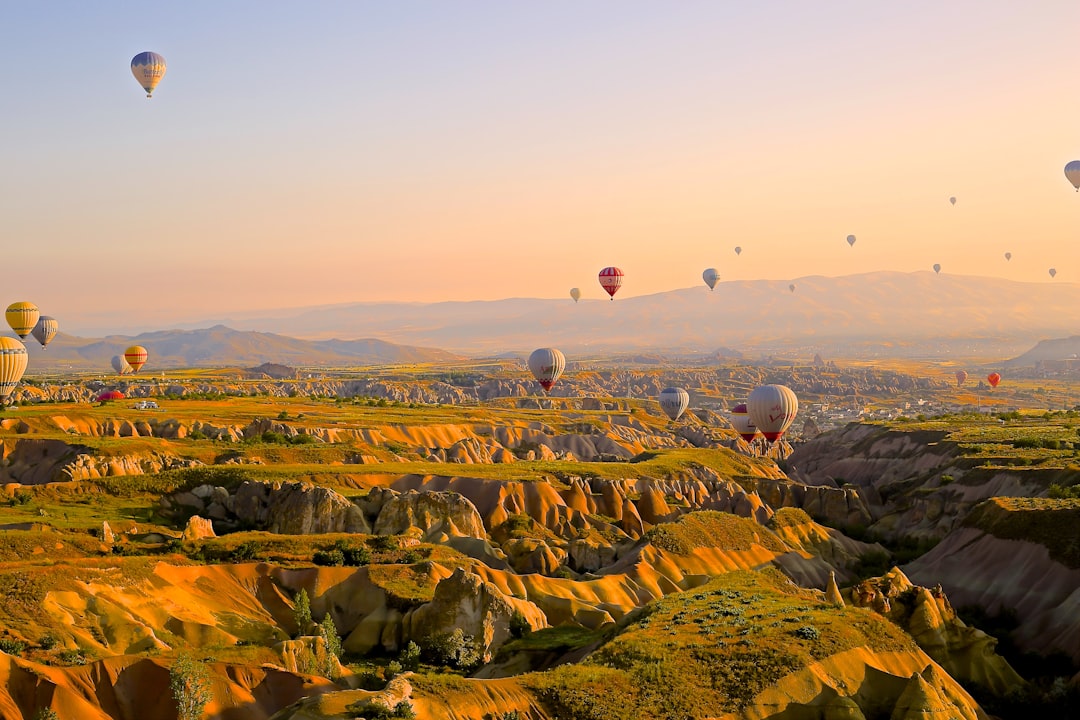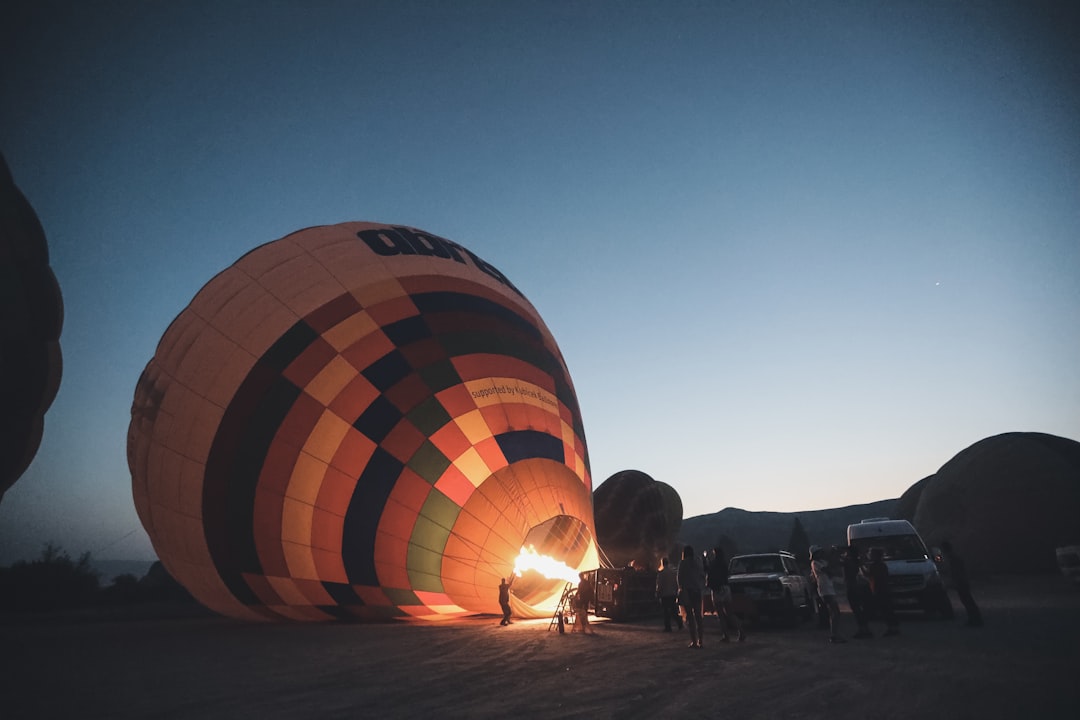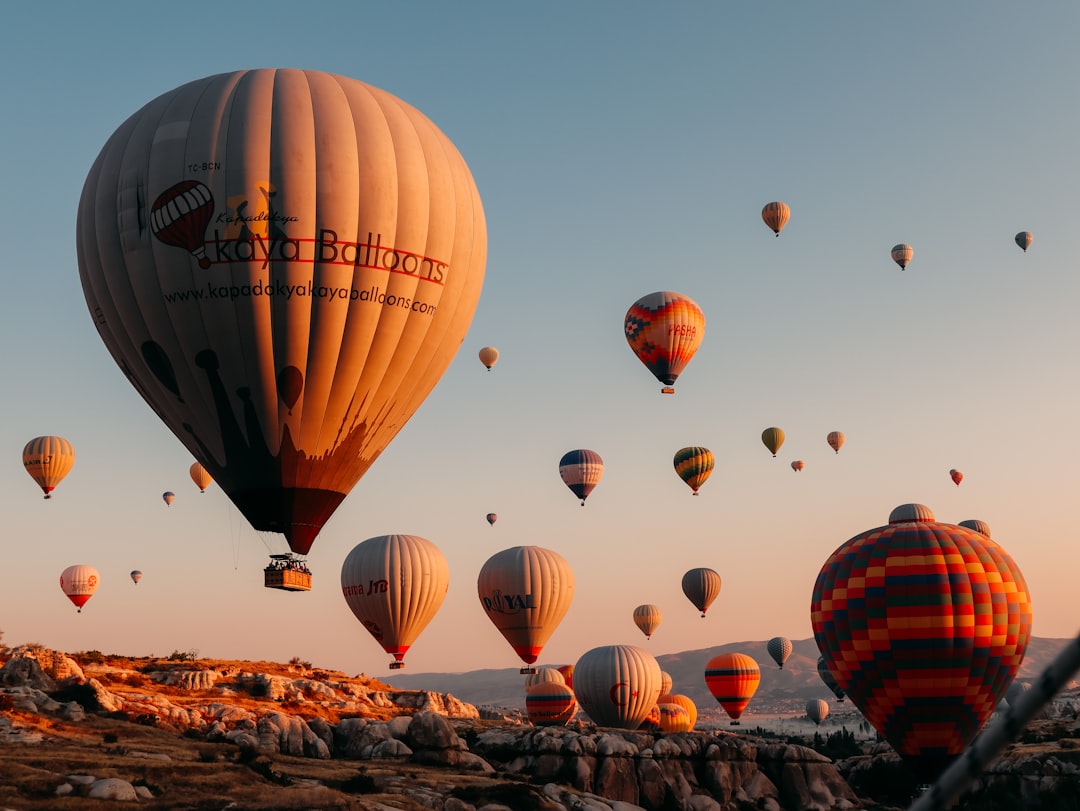
Cappadocia is a place of dramatic contrasts, and your suitcase needs to keep up. You might shiver in the dark waiting for a hot air balloon to inflate, peel off layers as the sun warms the valleys by mid-morning, then reach for a sweater again the moment the sun dips behind the fairy chimneys. Dressing well here is less about the calendar and more about the rhythm of a Cappadocia day. This guide focuses on exactly that: what to actually wear and pack so every balloon morning, valley hike, and cool cave-hotel evening feels comfortable instead of catching you off guard.
The golden rule, no matter when you come, is to dress in removable layers. A single thick coat or a single t-shirt will rarely match the swing between a 5 a.m. balloon launch and a sun-baked Rose Valley trail. Below you'll find what to wear for each season, then advice tailored to the specific things you'll be doing.
The One Rule That Beats the Weather: Dress in Layers
Cappadocia's high-altitude continental setting means mornings and evenings run noticeably cooler than the midday peak, even in warm months. Instead of guessing, build outfits in three parts: a base layer (breathable t-shirt or thermal top), a mid layer (sweater, fleece, or flannel), and an outer layer (light jacket, windbreaker, or insulated coat). You add and shed as the day shifts. If you want exact month-by-month temperatures before you pack, check the live seasonal breakdown on CappadociaNow's month-by-month temperatures so your layers match real conditions rather than averages.
What to Wear by Season
Spring (April – May): Layer for Sun and Surprise Showers
Spring days are mild and bright, but an afternoon shower or a brisk wind down a valley can appear without warning. Wildflowers carpet the landscape, so it's a beautiful season to be outdoors, as long as you can adapt quickly.
What to wear and pack for spring:
- A mix of short- and long-sleeved tops you can layer.
- A light, packable jacket or windbreaker for breezy mornings.
- A compact rain shell or travel umbrella for sudden showers.
- Comfortable, broken-in walking shoes with grip for damp trails.
- A scarf or light beanie for cooler evenings.
Summer (June – August): Cover Up Smart, Not Heavy
Summer is hot and dry, and the sun at altitude is intense. The instinct is to wear as little as possible, but loose, light coverage actually keeps you cooler and protects your skin during long hikes and balloon mornings that still start chilly.
What to wear and pack for summer:
- Loose, breathable cotton or linen in light colors.
- A wide-brim sun hat and UV sunglasses.
- A light long-sleeve shirt for sun protection on exposed trails.
- One light layer (a thin sweater or shawl) for the early balloon chill.
- Comfortable walking sandals or trail shoes, plus a swimsuit for cave-hotel pools.
Autumn (September – October): The Layering Sweet Spot
Autumn brings golden light, comfortable daytime warmth, and crisp evenings. It is arguably the easiest season to dress for, as long as you carry a mid layer for when the sun drops and the temperature follows.
What to wear and pack for autumn:
- Long-sleeve shirts you can pair with a sweater or fleece.
- A medium jacket for cool mornings and evenings.
- Long trousers or jeans for cooler, windier days.
- Sturdy walking shoes for valley trails.
- A scarf and light gloves for the earliest balloon mornings.
Winter (November – March): Bundle Up for a Snowy Wonderland
Winter makes the fairy chimneys into a quiet, snow-dusted dream, with far fewer crowds. It is genuinely cold, so warmth is non-negotiable, especially if you catch a winter balloon flight on a clear morning.
What to wear and pack for winter:
- A warm, insulated coat as your outer layer.
- Thermal base layers (top and bottom) under your clothes.
- A wool hat, gloves, and a scarf.
- Waterproof, insulated boots with grip for snow and ice.
- Warm wool or synthetic socks, plus lip balm and moisturizer for dry air.
Dressing for What You'll Actually Do
Cappadocia's signature experiences each have their own dress code. Plan outfits around the activity, not just the date on your phone.
Balloon Mornings: Warmer Than You Think You Need
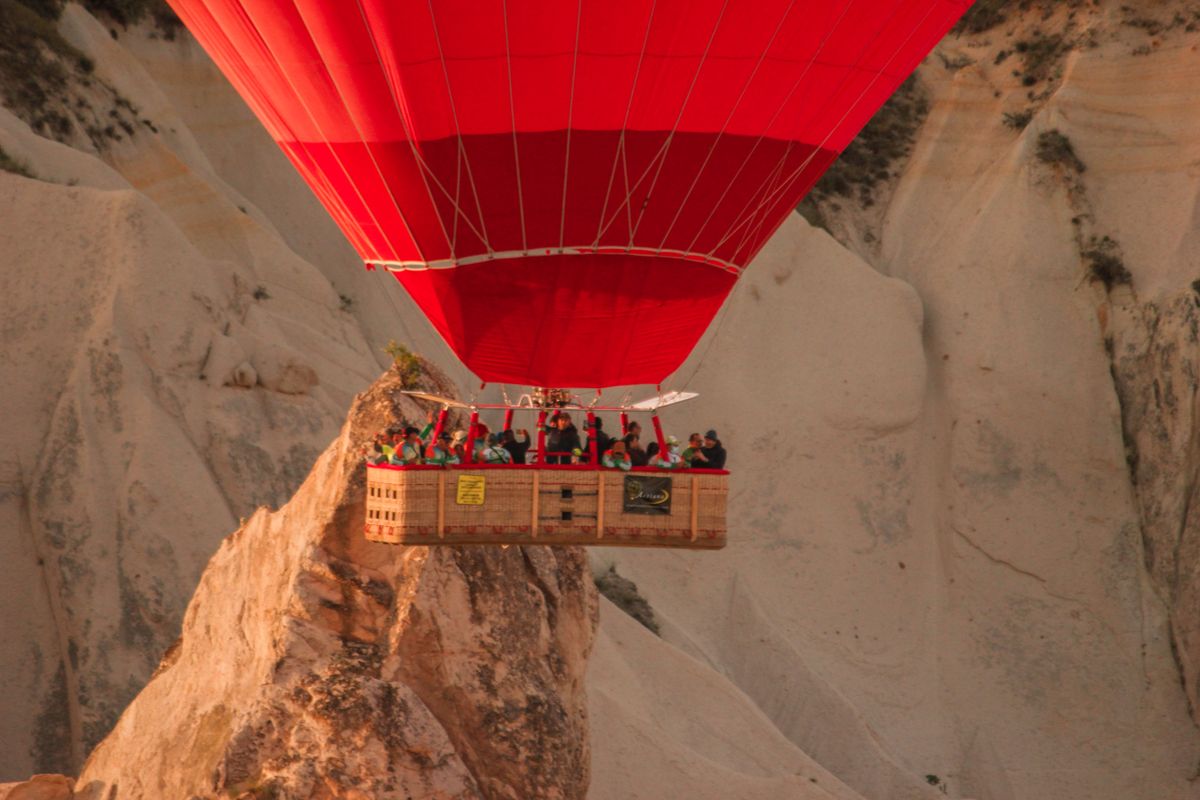
This is where most visitors get it wrong. Pre-dawn launches are cold in every season, including summer, and the basket adds a wind chill. Wear closed shoes, long trousers, and at least one warm layer you can remove once the sun is up. In winter, treat it like a snow outing: coat, gloves, and a hat. You'll be on your feet on uneven ground during inflation, so leave the heels and flip-flops behind.
Valley Hikes: Footwear Is Everything
The trails through Rose, Red, and Love Valleys are rocky, dusty, and often uneven, with the occasional scramble. Supportive walking shoes or light hiking boots with grip make the difference between a joyful walk and sore ankles. Carry water, wear sun protection even in cooler months, and tie a layer around your waist so you can adjust as you climb in and out of shade.
Underground Cities and Cave Churches: Bring a Layer
The underground cities stay cool and steady year-round, so a sweater or light jacket is welcome even on a hot summer afternoon. Wear flat, grippy shoes for the low passages and stairs. At cave churches and other religious sites, dress modestly: cover shoulders and knees, and keep a scarf handy to drape over bare arms out of respect.
The Cappadocia Packing Checklist
Beyond seasonal clothing, these essentials earn their place in every Cappadocia suitcase, whatever the month:
- Layers system: base, mid, and outer layers you can mix and match.
- Proper footwear: grippy walking shoes or boots for valleys and balloon fields.
- Sun protection: hat, UV sunglasses, and high-SPF sunscreen for the strong altitude sun.
- One warm layer: non-negotiable for balloon mornings, every season.
- Power adapter: Turkey uses Type C and Type F plugs at 220V.
- Refillable water bottle: for hikes and hot afternoons.
- Small first-aid kit: plasters, blister care, pain relief, and personal medication.
- Portable charger and camera: the views will drain your battery fast.
- Daypack: to stash the layers you peel off as the day warms up.
A Few Practical Notes for Comfort
Cappadocia's cave hotels are part of the experience, and they handle the climate well: naturally cool in summer, and the better ones have solid heating and even fireplaces for winter. Staying central in Goreme keeps you close to trailheads and balloon launch points, which means less time in transit and more time enjoying the landscape in whatever you've chosen to wear.
Getting between the airport, your hotel, and far-flung trailheads is smoother with a pre-arranged ride than haggling on arrival in the cold. If you're working out taxi costs, you can check live fares with the Cappadocia taxi price calculator rather than guessing. And after a chilly balloon morning, a warm cup at King's Coffee or its sister cafe Queen's Coffee in Goreme is the perfect way to thaw out and plan the rest of your day.
Frequently Asked Questions
What should I wear for a hot air balloon ride in Cappadocia?
Dress warmer than the forecast suggests. Wear closed shoes, long trousers, and a removable warm layer in every season, since pre-dawn launches are cold and the basket adds wind chill. In winter, add a coat, gloves, and a hat.
Do I really need to pack layers even in summer?
Yes. Summer afternoons are hot, but early mornings, evenings, and the underground cities are cool. A single light layer keeps you comfortable through the daily swing without weighing down your bag.
What shoes are best for Cappadocia?
Comfortable walking shoes or light hiking boots with good grip. The valley trails are rocky and uneven, and you'll stand on rough ground during balloon inflation, so supportive, closed footwear beats sandals or heels.
How cold does it actually get in winter?
Winter is genuinely cold with snow likely, so insulated coats, thermals, and waterproof boots are essential. For precise figures before you pack, look up the current month's range on a live seasonal weather page.