Cappadocia is famous for its fairy chimneys and hot-air balloon rides — but the region's food culture deserves equal billing. Wander through any village at sunrise and you'll catch the smell of freshly baked börek drifting from a side-street bakery. Sit down at a market stall in Avanos and you'll watch a village woman fold a gözleme with the kind of practised ease that only decades of daily cooking produces. Turkey's pastry tradition is centuries deep, and in Cappadocia you can taste every layer of it.
Börek — Turkey's Everyday Savoury Pastry
If there is one pastry that defines Turkish daily life, it is börek. Made from thin sheets of yufka dough layered with fillings and baked or fried to a golden crisp, börek appears on every breakfast table and in every bakery window across the country. In Cappadocia you will encounter several varieties worth knowing:
- Su böreği (water börek): The queen of the family — layers of boiled then baked yufka filled with white cheese and parsley. Silky, rich and slightly chewy, it takes skill to make well.
- Kol böreği (cigar roll): Crisp tubes of filo rolled around cheese or minced meat. Perfect street-food format — easy to eat in your hand while exploring.
- Ispanaklı börek (spinach börek): A vegetarian classic. Wilted spinach with white cheese and a hint of nutmeg, encased in buttery layers.
- Patatesli börek (potato börek): Mashed potato filling, warmly spiced with paprika and black pepper. Hearty, filling and very affordable.
The best time to find freshly made börek in Göreme is early morning, when local bakeries pull trays straight from the oven. Arrive by 8 am and you will have first pick. Later in the day you are eating the second baking — still good, but morning is best.
Gözleme — Made Fresh Before Your Eyes
Gözleme is Turkish flatbread at its most theatrical. An unleavened dough is rolled paper-thin, loaded with filling, folded and cooked on a convex iron griddle called a sac. The whole process takes about five minutes, and watching it happen is half the pleasure.
You will find gözleme stalls run by village women at the tourist markets in Avanos — one of the most photographed food experiences in the region, and rightly so. The skill is mesmerising: the dough stretches almost transparently before the filling goes in. Common fillings include:
- Peynirli (cheese): Crumbled white cheese, sometimes mixed with herbs. The most popular choice and a great starting point.
- Ispanaklı peynirli (spinach and cheese): A satisfying vegetarian combination that works beautifully with the slightly charred dough.
- Patatesli (potato): Mashed potato with butter and spices — comforting and substantial.
- Kıymalı (minced meat): Seasoned ground lamb or beef for those who want something more filling.
Gözleme is very affordable and served with a wedge of lemon and sometimes a small salad. It makes an excellent light lunch between sites. The Avanos market stalls also offer a genuine cultural exchange — the women are usually happy to let you watch up close and even take photos.
Simit — The Street Pretzel with Centuries of History
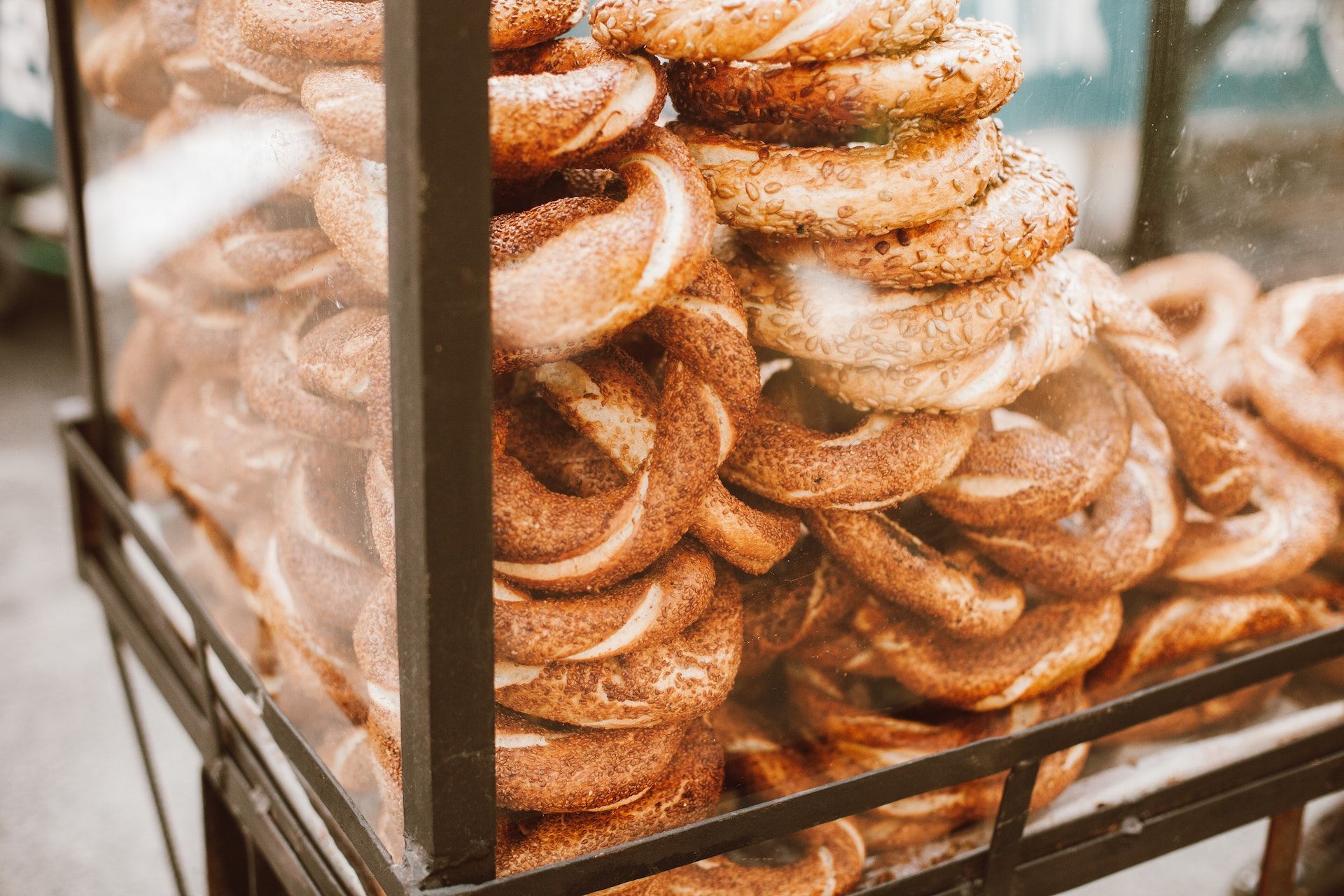
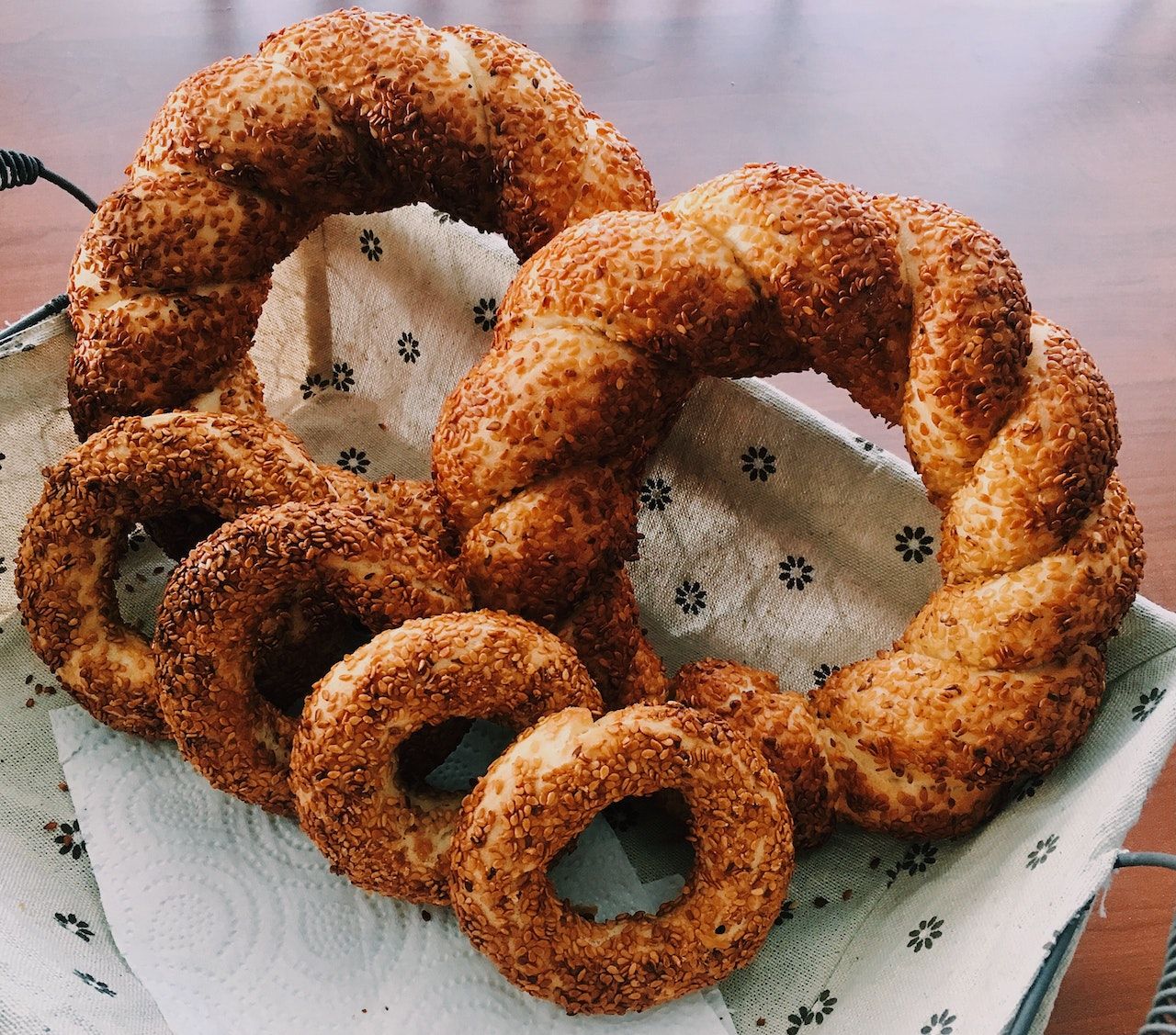
The simit is perhaps Turkey's most democratic food. A ring of dough encrusted in sesame seeds and baked until golden-brown outside and soft within, it has been sold from wooden carts and glass trolleys on Ottoman streets since at least the 16th century. Süleyman the Magnificent's palace records mention simit by name — that is how long this bread has been feeding Istanbul, and everywhere else.
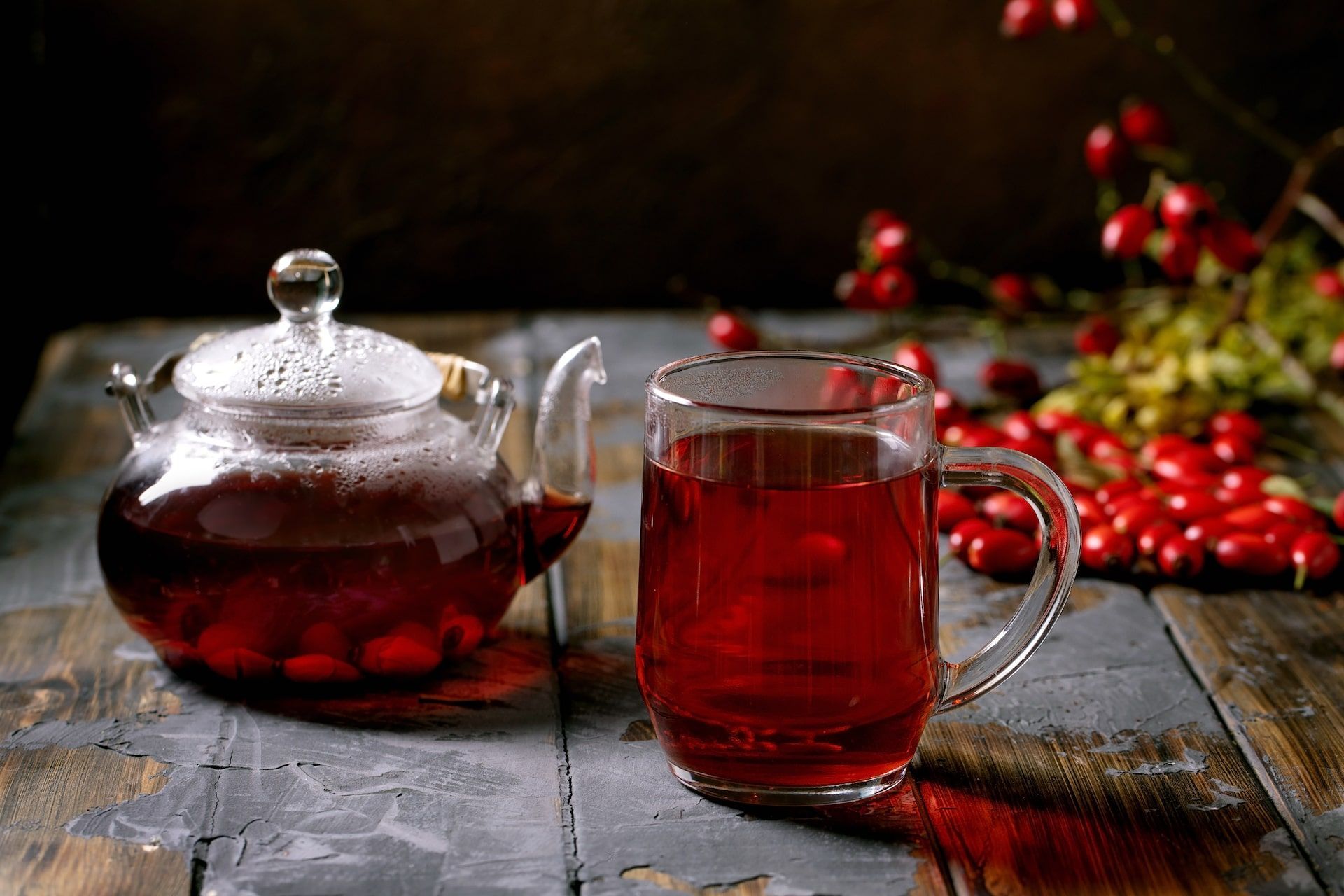
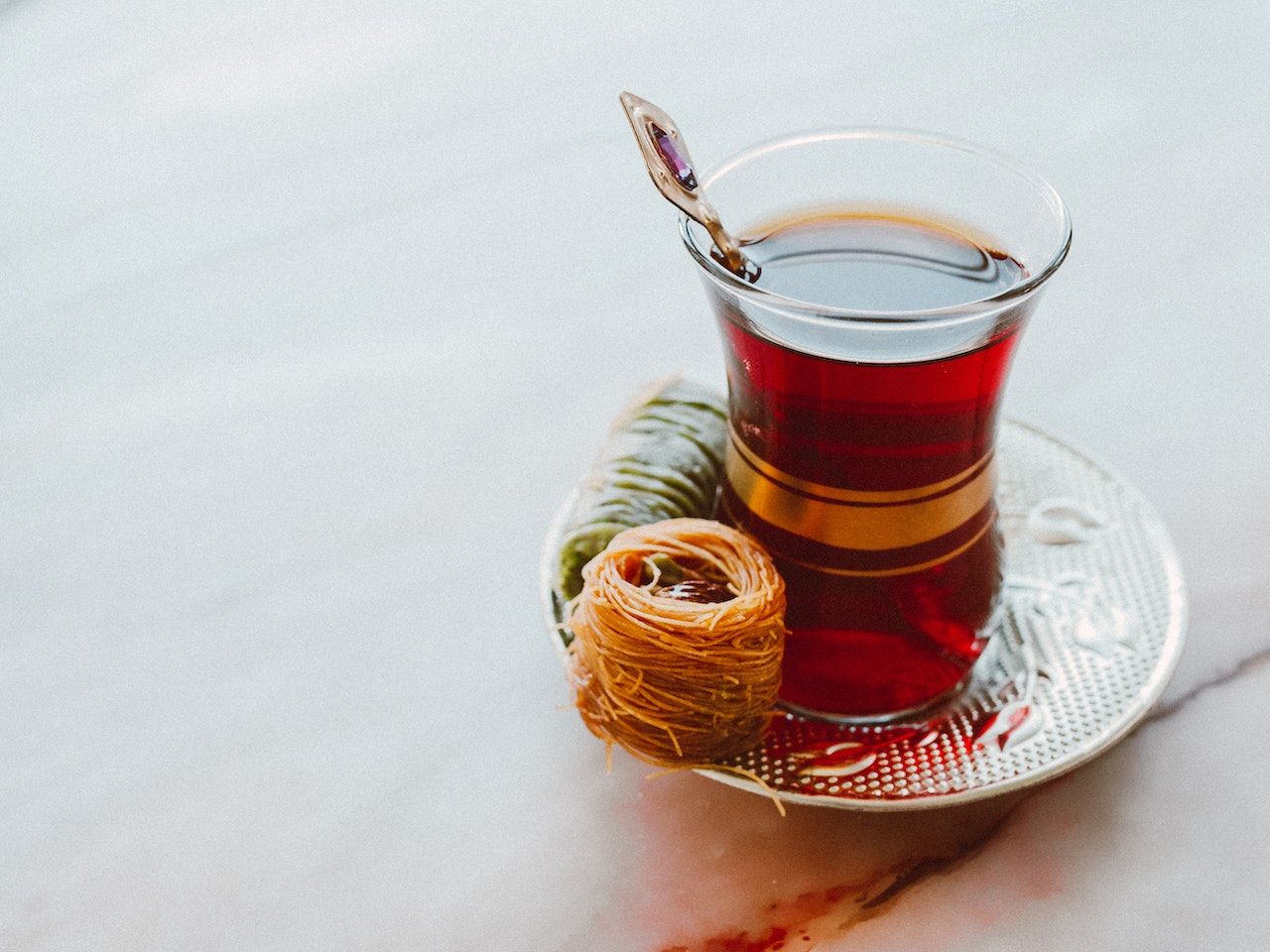
In Cappadocia, look for simit trolleys in the town centres of Avanos and Ürgüp. They appear in the morning and are usually gone by early afternoon. The correct way to eat one is with a glass of çay — Turkish black tea served in a tulip-shaped glass. The combination of sesame-rich bread and bitter tea is a small ritual worth adopting for the duration of your stay. Simit is extremely affordable and very filling.
Baklava and Kadayıf — The Sweet Classics
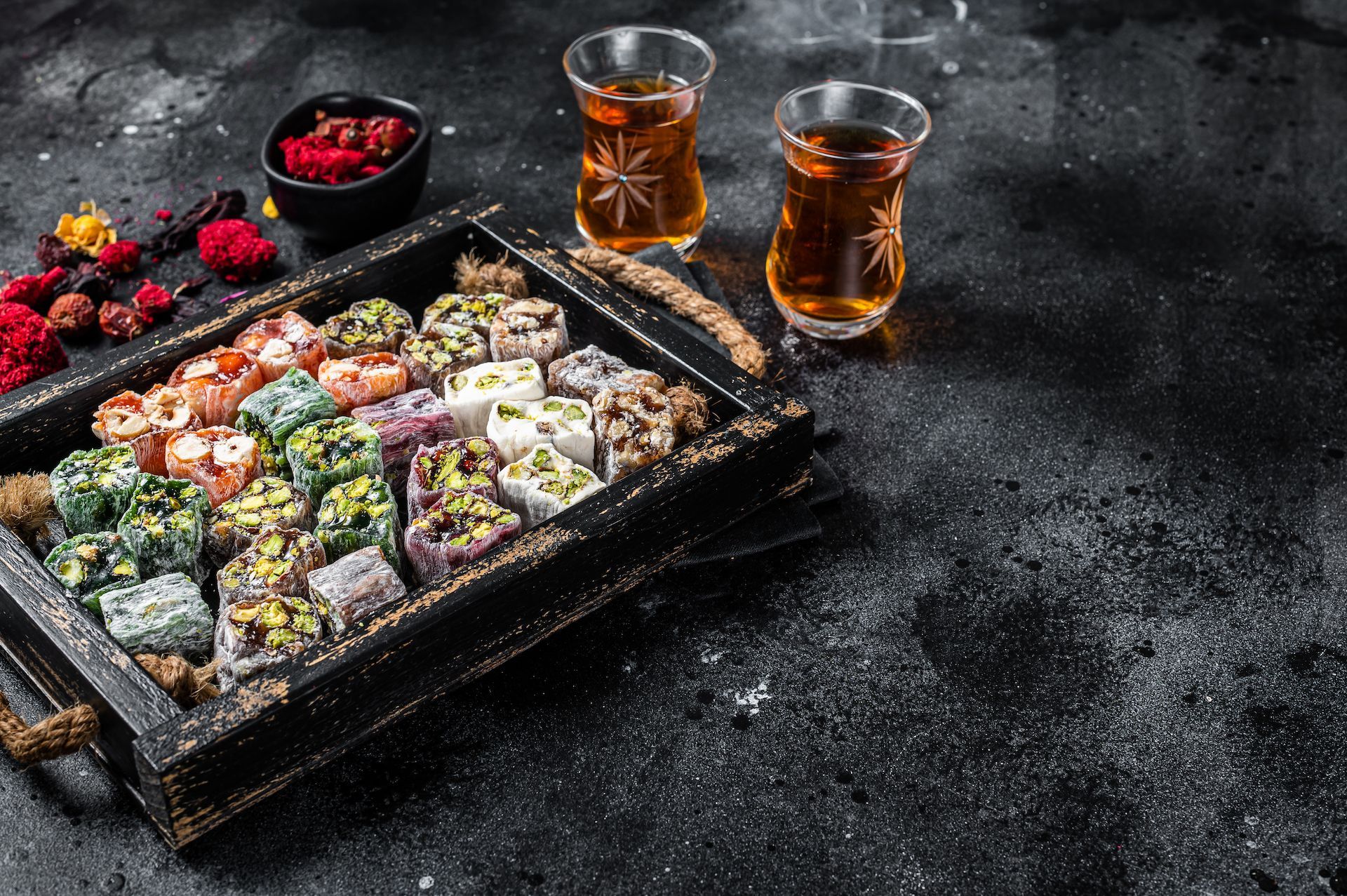
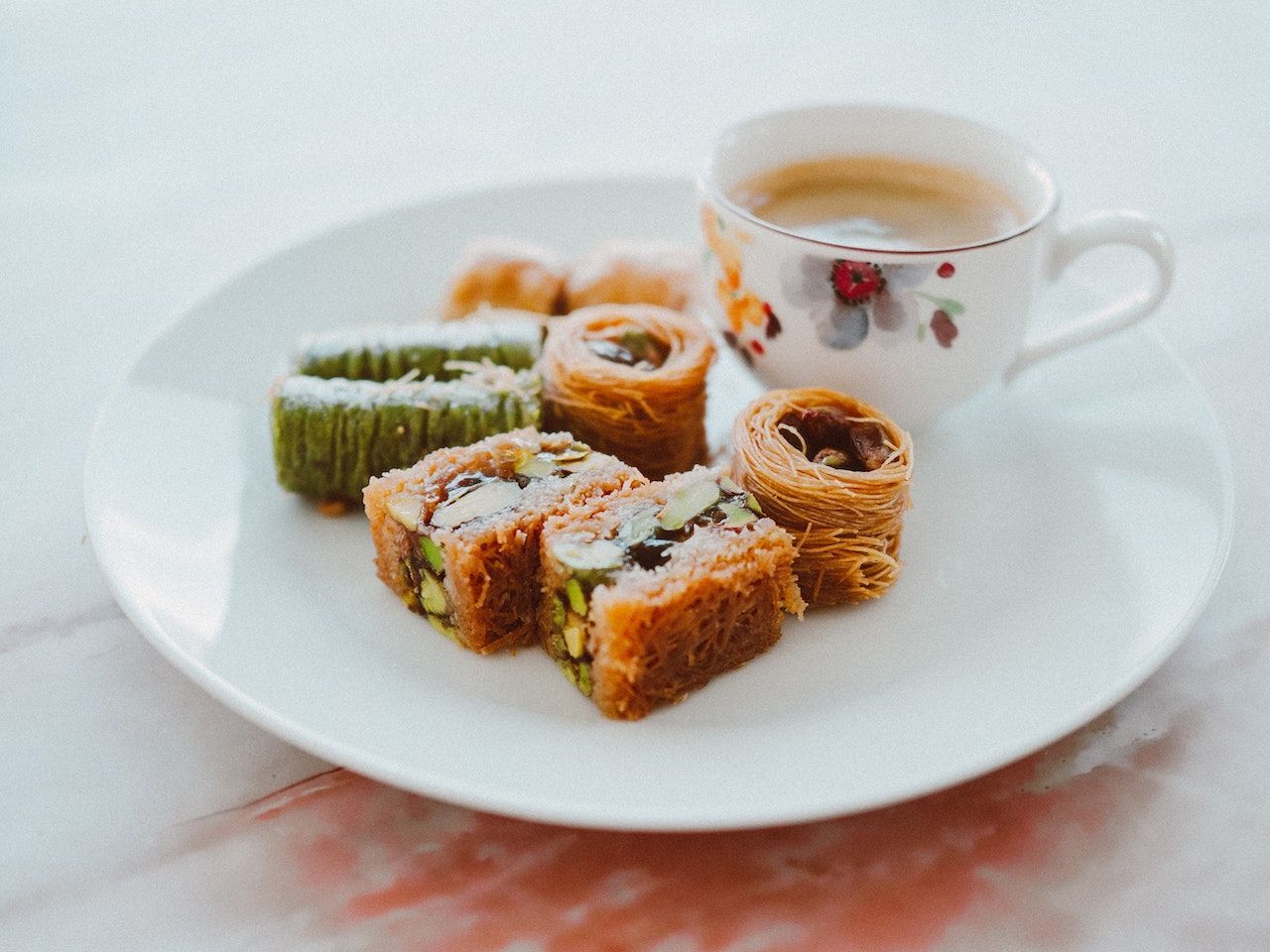
No guide to Turkish pastries is complete without baklava. Sheets of wafer-thin filo pastry are layered with ground pistachios or walnuts, baked in clarified butter and then drenched in syrup. The result is intensely sweet, extraordinarily rich and completely irresistible in small quantities. Gaziantep in southeastern Turkey holds the geographical indication for the best baklava in the country, but excellent versions travel well — and Ürgüp and Avanos both have bakery selections that take the craft seriously.
Kadayıf deserves equal attention. Shredded wheat strands are layered, filled with clotted cream (kaymak) or walnuts, baked until golden and finished with syrup. The texture is completely different from baklava — lighter, crispier, with the cream providing a cooling contrast to the sweet syrup. Order both side by side and decide which you prefer. Most people end up unable to choose.
- Fıstıklı baklava: Classic pistachio baklava — vivid green filling, diamond-cut portions.
- Cevizli baklava: Walnut baklava — earthier in flavour, slightly less sweet.
- Sütlü Nuriye: A milk-soaked, lighter baklava variation popular in Turkish home cooking.
- Tel kadayıf: Shredded-wheat style with clotted cream — the one to try if you have never had kadayıf before.
Poğaça — The Soft Savoury Bun
Less celebrated than börek but equally present in daily Turkish life, poğaça is a soft, yeasted bun baked with a filling sealed inside. The dough is enriched with butter or oil and sometimes yoghurt, which gives it a tender, slightly springy crumb. Every local bakery in Cappadocia sells them, and they are an excellent breakfast option when you need something portable.
- Peynirli poğaça (cheese): The most common variety — white cheese filling, golden egg-washed top.
- Zeytinli poğaça (olive): Chopped black olives kneaded into the dough, deeply savoury.
- Patatesli poğaça (potato): Mashed potato filling with black pepper — the heartiest option.
Grab a couple from Göreme's morning bakeries before heading out to the valleys. They keep well for a few hours and are much better than any packaged snack you might find later in the day.
Cappadocia-Specific Sweets Worth Seeking Out
Beyond the national classics, Cappadocia has a handful of local sweet traditions rooted in its volcanic soil and ancient vine culture.
- Testi desserts: Some Cappadocian restaurants serve desserts cooked inside a sealed clay pot (testi), the same technique used for the famous testi kebab. The pottery traps steam and infuses the dish with a subtle mineral note — an experience unique to this region.
- Pekmez (grape molasses): Grapes have grown in the valleys around Ürgüp and Avanos for millennia. Pekmez is made by reducing grape juice to a thick, intensely flavoured syrup used as a natural sweetener. Buy a jar from a local market and pour it over tahini for an ancient Turkish breakfast combination.
- Winery dessert pairings: Ürgüp's boutique wineries often offer tasting sessions that include local sweets — baklava, dried fruits and pekmez-based treats paired with wines made from native Öküzgözü and Emir grapes. It is a civilised afternoon activity and a genuine expression of Cappadocian food culture.
Where to Find the Best Pastries in Cappadocia
Knowing what to eat is only half the equation — knowing where to go makes the difference between a good pastry experience and a great one.
- Avanos: The artisan bakeries along the main street are the best in the region for everyday pastries. The weekly market also brings village women selling gözleme and home-made preserves. Avanos has the most authentic, least touristy pastry scene in Cappadocia.
- Göreme: The morning market and local bakeries near the bus station open early and sell fresh börek, poğaça and simit before the tourist rush begins. Go before 9 am.
- Ürgüp: The patisseries near the old town square have the best baklava and kadayıf selections, plus refined takes on Turkish desserts aimed at visitors who want to sit down and linger.
Exploring Cappadocia's food spots is easy with a private taxi — use the Cappadocia taxi price calculator to plan your route between Göreme, Avanos and Ürgüp without guessing at fares.
Frequently Asked Questions
Is Turkish pastry food vegetarian-friendly?
Very much so. The majority of Turkish pastries — börek with cheese or spinach, gözleme, poğaça, baklava, kadayıf, simit — contain no meat at all. You can eat your way through an entire day in Cappadocia on vegetarian pastries without any difficulty. Just check fillings when ordering, as some börek and gözleme varieties include minced meat.
Where can I buy baklava to take home from Cappadocia?
The patisseries in Ürgüp near the old town square are the most reliable source for boxed baklava suitable for travel. Ask for vacuum-sealed or tightly lidded boxes — well-made baklava keeps for up to two weeks at room temperature and is one of the best edible souvenirs you can bring back from Turkey.
Can I learn to make gözleme in Cappadocia?
Yes — several local cooking experiences and village visits in the Avanos and Uçhisar area include a gözleme-making session with a local host. You will learn to stretch the dough, add the filling and cook it on a sac griddle. It is a hands-on, informal experience rather than a formal cooking class, and usually comes with tea and conversation included.