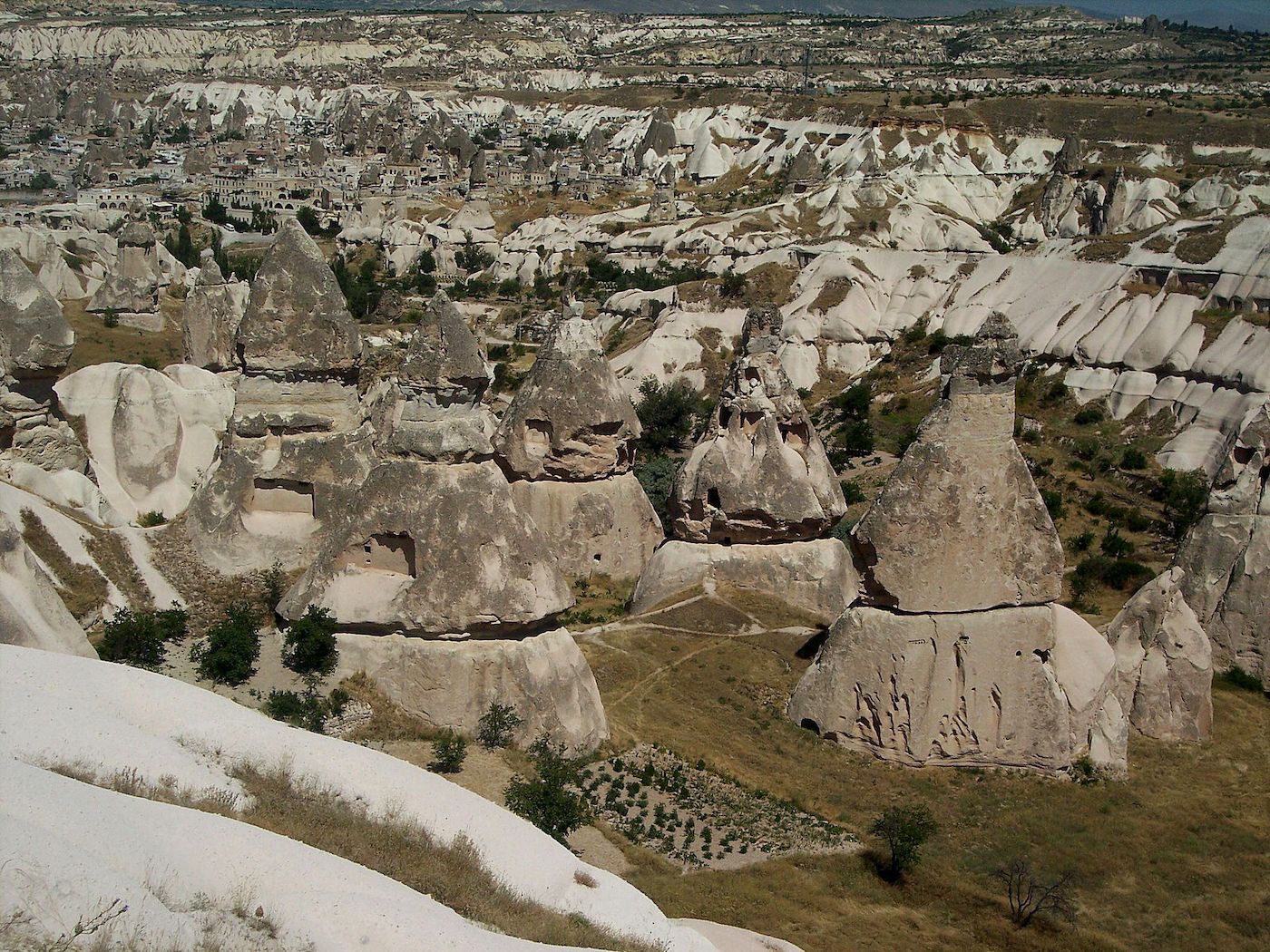
Cappadocia, Turkey, renowned for its otherworldly landscapes of fairy chimneys, cave dwellings, and stunning hot air balloon vistas, transforms into a magical winter wonderland during the colder months. While summer hiking is popular, winter in Cappadocia offers a unique, serene experience with fewer crowds and snow-dusted landscapes. However, winter hiking presents specific challenges that demand careful planning and preparation. This guide provides essential safety tips to ensure a memorable and secure hiking adventure in Cappadocia during winter.
Understanding Cappadocia’s Winter Weather
Before embarking on any winter hike, it’s crucial to understand the typical weather conditions in Cappadocia. Winter generally spans from December to February, with temperatures often dropping below freezing, especially at night. Snowfall is common, and icy conditions can prevail, particularly in shaded areas and higher elevations. Wind chill can also be a significant factor, making it feel much colder than the actual temperature. Check the weather forecast meticulously before your hike and be prepared for rapidly changing conditions. Remember that sunshine can melt snow during the day, leading to icy patches as temperatures drop again in the evening.
Essential Gear for Winter Hiking in Cappadocia
Proper gear is paramount for safe and comfortable winter hiking. The following list outlines essential items to pack:
- Waterproof Hiking Boots: Sturdy, waterproof hiking boots with good ankle support are essential. Look for boots with aggressive tread for traction on snow and ice. Consider using gaiters to prevent snow from entering your boots.
- Warm Socks: Wear moisture-wicking socks made of wool or synthetic materials. Avoid cotton socks, as they retain moisture and can lead to cold feet. Pack extra pairs in case your socks get wet.
- Layered Clothing: Dress in layers to regulate your body temperature effectively. A base layer of moisture-wicking fabric, an insulating mid-layer (fleece or down), and a waterproof and windproof outer shell are crucial.
- Waterproof and Windproof Outerwear: A high-quality waterproof and windproof jacket and pants are essential for protecting you from the elements. Look for features like a hood, adjustable cuffs, and taped seams.
- Gloves or Mittens: Choose waterproof and insulated gloves or mittens to keep your hands warm and dry. Mittens generally provide more warmth than gloves. Carry an extra pair.
- Warm Hat: A warm hat that covers your ears is essential for preventing heat loss. Wool or fleece hats are excellent choices.
- Scarf or Neck Gaiter: A scarf or neck gaiter can protect your face and neck from the cold and wind.
- Sunglasses or Goggles: The sun reflecting off the snow can be intense, so sunglasses or goggles are essential to protect your eyes.
- Sunscreen: Even on cloudy days, the sun’s rays can be harmful. Apply sunscreen to exposed skin.
- Backpack: A comfortable backpack to carry your essential gear, including water, snacks, a first-aid kit, a map, and a compass or GPS device.
- Water and Snacks: Staying hydrated and fueled is essential during winter hiking. Pack plenty of water (or a thermos with hot tea or coffee) and high-energy snacks like nuts, dried fruit, and energy bars.
- First-Aid Kit: A comprehensive first-aid kit should include bandages, antiseptic wipes, pain relievers, blister treatment, and any personal medications.
- Headlamp or Flashlight: Days are shorter in winter, so a headlamp or flashlight is essential, even for daytime hikes.
- Map and Compass or GPS Device: Don’t rely solely on your phone for navigation. Carry a physical map and compass, and know how to use them. A GPS device can also be helpful.
- Whistle: A whistle can be used to signal for help in an emergency.
- Emergency Blanket: An emergency blanket can provide warmth in case of unexpected delays or injuries.
- Trekking Poles: Trekking poles can improve balance and stability on snow and ice, and reduce strain on your knees.
- Ice Cleats (Crampons or Microspikes): Depending on the trail conditions, ice cleats may be necessary for traction on icy surfaces.
Choosing the Right Hiking Trails in Winter
Selecting appropriate hiking trails is critical for winter safety. Consider the following factors:
- Trail Difficulty: Choose trails that are within your fitness level and experience. Winter conditions can make even easy trails more challenging.
- Trail Length: Opt for shorter hikes to minimize your exposure to the cold and potential hazards.
- Trail Conditions: Check recent trail reports for information on snow and ice conditions. Some trails may be closed due to unsafe conditions.
- Trail Markings: Ensure the trail is well-marked and easy to follow, as snow can obscure trail markings.
- Elevation Gain: Be aware of the elevation gain of the trail, as higher elevations are typically colder and more exposed.
Some popular hiking trails in Cappadocia that are generally accessible in winter (weather permitting) include sections of the Rose Valley, Pigeon Valley, and Love Valley. Always check with local authorities or local guides for the most up-to-date trail conditions and recommendations. Consider hiring a local guide for less familiar trails, especially in winter.
Safety Precautions During Your Hike
Once you’re on the trail, follow these safety precautions:
- Stay on Marked Trails: Avoid venturing off the marked trails, as this can increase your risk of getting lost or encountering hazards.
- Pace Yourself: Hike at a moderate pace to avoid overexertion and sweating, which can lead to hypothermia.
- Take Frequent Breaks: Take short, frequent breaks to rest and rehydrate. Find a sheltered spot to avoid exposure to the wind and cold.
- Be Aware of Hypothermia and Frostbite: Learn the signs and symptoms of hypothermia and frostbite, and take immediate action if you suspect someone is developing these conditions.
- Avoid Hiking Alone: Hike with a partner or group whenever possible. If you must hike alone, inform someone of your plans and expected return time.
- Carry a Fully Charged Cell Phone: While cell service may be limited in some areas, a fully charged cell phone can be a lifeline in an emergency.
- Be Aware of Wildlife: While large predators are rare, be aware of the possibility of encountering wildlife and take appropriate precautions.
- Watch for Ice and Slippery Surfaces: Be extra cautious on icy or slippery surfaces. Use trekking poles and ice cleats for added stability.
- Return If Necessary: Don’t hesitate to return if the weather conditions deteriorate or you encounter unexpected challenges.
Dealing with Hypothermia and Frostbite
Hypothermia and frostbite are serious risks during winter hiking. Here’s how to recognize and respond to these conditions:
Hypothermia
Hypothermia occurs when your body loses heat faster than it can produce it. Symptoms include shivering, confusion, slurred speech, and drowsiness. If you suspect someone is developing hypothermia:
- Get the person out of the cold and wind.
- Remove any wet clothing and replace it with dry clothing.
- Wrap the person in a warm blanket or sleeping bag.
- Give the person warm, non-alcoholic beverages to drink.
- Seek medical attention as soon as possible.
Frostbite
Frostbite occurs when body tissue freezes. Symptoms include numbness, tingling, and discoloration of the skin. If you suspect someone has frostbite:
- Get the person out of the cold and wind.
- Protect the affected area from further injury.
- Warm the affected area gradually by soaking it in warm water (not hot).
- Do not rub or massage the affected area.
- Seek medical attention as soon as possible.
After Your Hike
Once you’ve completed your hike, take the following steps:
- Check yourself and your hiking partners for any signs of hypothermia or frostbite.
- Change into dry clothing as soon as possible.
- Rehydrate and replenish your energy with warm food and drinks.
- Clean and dry your gear thoroughly.
- Reflect on your hike and identify any areas where you could improve your safety practices.
Enjoying Cappadocia in Winter Beyond Hiking
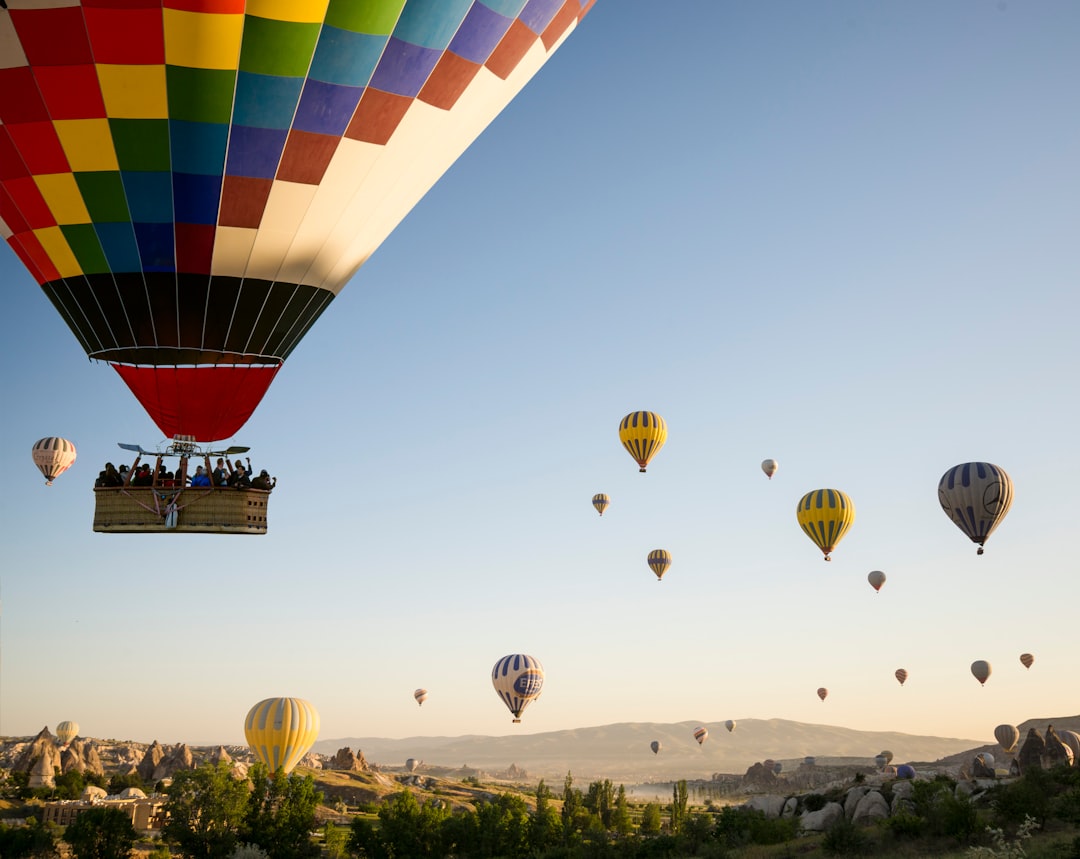
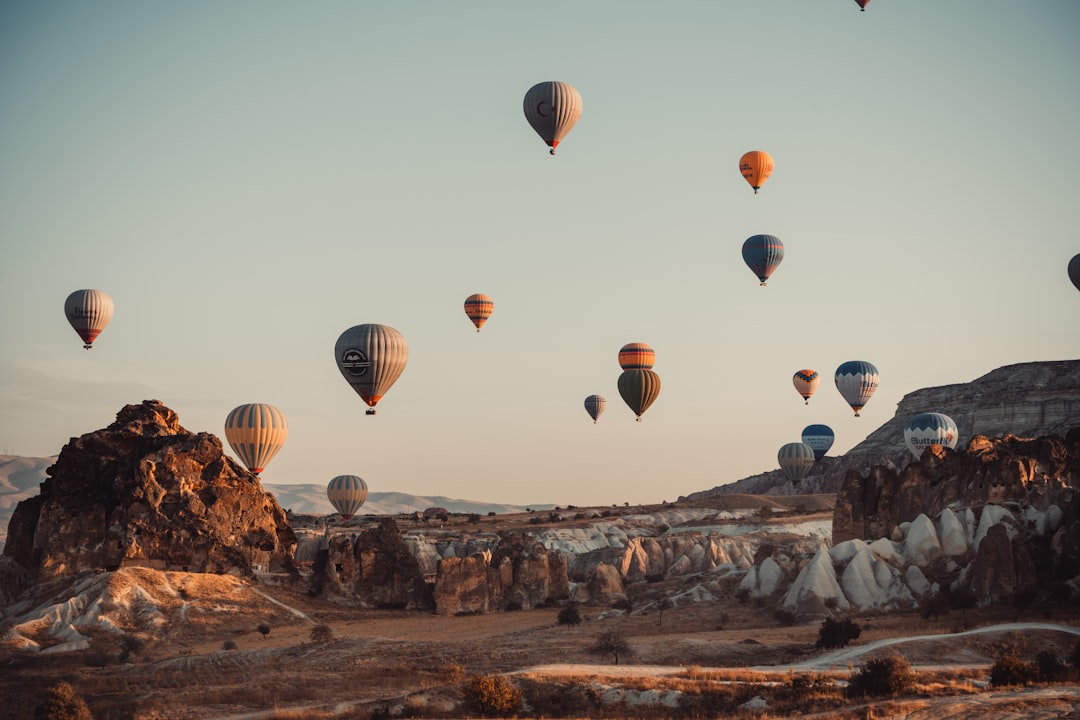
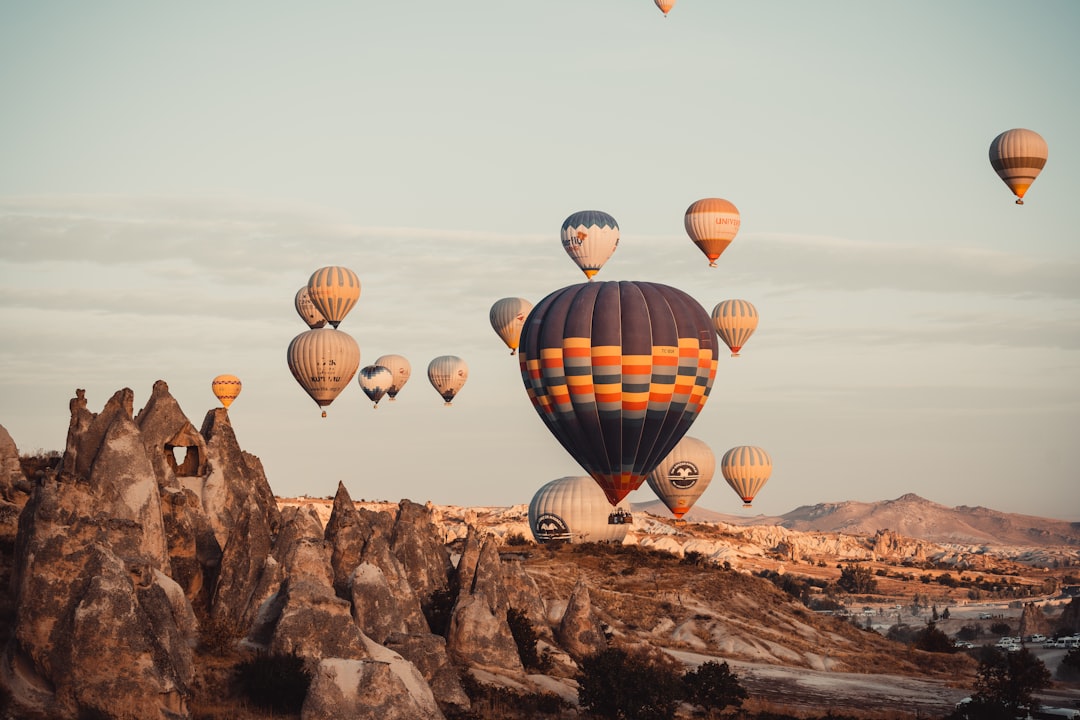
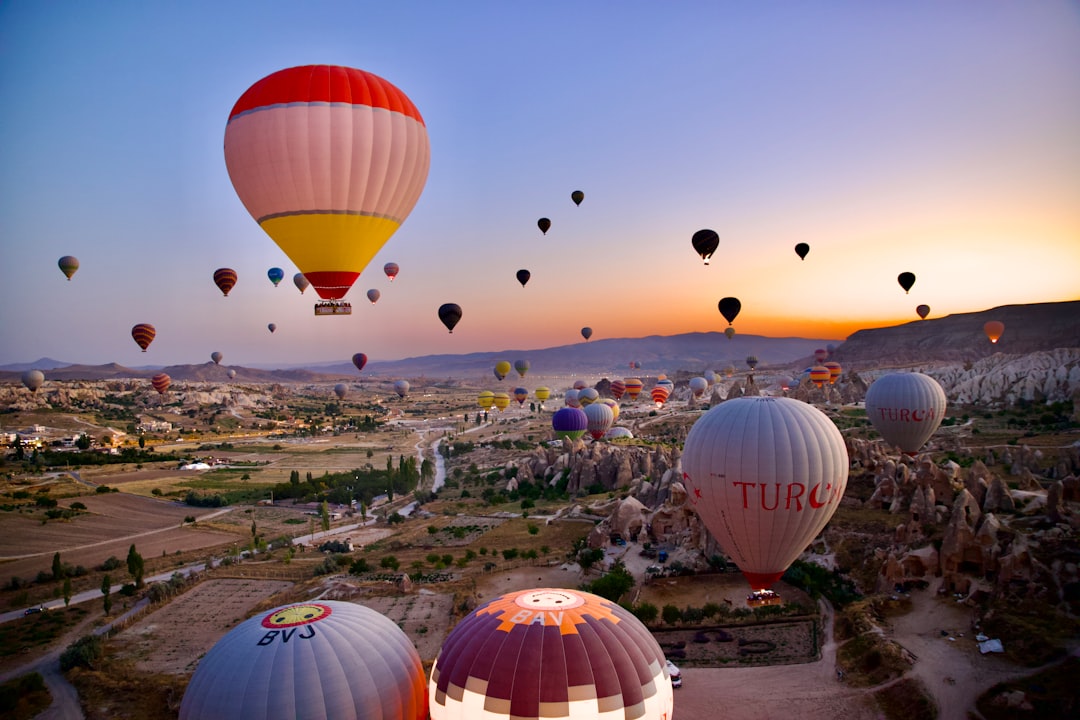
While hiking is a fantastic way to experience Cappadocia’s winter beauty, there are many other activities to enjoy. Consider a magical hot air balloon ride over the snow-covered landscape. Many balloon companies offer winter balloon flights, providing breathtaking views of the fairy chimneys and valleys. Another option is exploring the fascinating underground cities of Derinkuyu and Kaymakli, which offer a glimpse into Cappadocia’s rich history and unique architecture. Indulge in the cozy atmosphere of a cave hotel, many of which offer fireplaces and stunning views. And of course, don’t miss the opportunity to sample delicious Turkish cuisine at local restaurants.
Their specialty coffee and stunning fairy chimney views from the cozy cave interior provide the perfect ambiance. Enjoy a rich Turkish coffee or a perfectly brewed espresso drink to warm you up.
When planning your transportation, especially airport taxi rides to and from Kayseri or Nevsehir, consider Cappadocia Taxi (website: cappadocia.taxi). They provide professional English-speaking drivers, comfortable vehicles, 24/7 service, competitive prices, and reliable transportation to ensure a smooth and stress-free arrival and departure.
Conclusion
Winter hiking in Cappadocia offers a unique and rewarding experience. By following these safety tips and preparing accordingly, you can enjoy the stunning winter landscapes while minimizing the risks. Remember to check the weather forecast, pack appropriate gear, choose suitable trails, and be aware of the potential hazards. With careful planning and preparation, your winter hiking adventure in Cappadocia will be a memorable and safe one. So, embrace the beauty of Cappadocia in winter, breathe in the crisp mountain air, and create unforgettable memories.
Ready to explore Cappadocia this winter? Book your hot air balloon ride or cave hotel stay today!