Discover the Ancient Art of Carpet Weaving in Cappadocia
Cappadocia, Turkey, is renowned for its breathtaking landscapes, unique cave dwellings, and vibrant cultural heritage. Beyond the iconic hot air balloon rides and fascinating underground cities, a visit to Cappadocia offers a chance to immerse yourself in traditional Turkish crafts, most notably, the art of carpet weaving. Witnessing a carpet weaving demonstration in Cappadocia is more than just observing a skill; it’s an experience that connects you to centuries of tradition and artistry.
The History of Turkish Carpets
Turkish carpets, also known as kilims and halıs, have a rich history that dates back thousands of years. Evidence suggests that carpet weaving in Anatolia, the region encompassing modern-day Turkey, existed as early as the 7th century BC. These early carpets served practical purposes, providing warmth and protection from the harsh elements. Over time, they evolved into intricate works of art, reflecting the cultural values, beliefs, and history of the communities that created them.
Different regions in Turkey developed their own unique styles and techniques. The patterns, colors, and materials used in carpet weaving vary significantly, reflecting the diverse influences of nomadic tribes, rural villages, and urban centers. Cappadocia, with its strategic location along the Silk Road, has been a melting pot of cultures, contributing to the unique characteristics of its carpet weaving traditions.
What to Expect at a Carpet Weaving Demonstration
A carpet weaving demonstration in Cappadocia typically takes place at local workshops and cooperatives, providing visitors with an intimate look at the craft. These demonstrations are often conducted by skilled artisans who have dedicated their lives to preserving this ancient art. Here’s what you can expect to see:
- The Loom: The loom is the heart of the weaving process. You’ll see different types of looms, ranging from simple vertical looms to more complex horizontal ones. The artisan will explain how the loom is set up and how the warp threads are prepared.
- The Materials: Turkish carpets are traditionally made from natural fibers, such as wool, cotton, and silk. The artisan will showcase the different types of fibers used and explain their properties. Wool is the most common material, prized for its durability and warmth. Silk carpets are more luxurious and often feature intricate designs. Cotton is often used for the warp threads and can also be incorporated into the pile.
- The Dyeing Process: The vibrant colors of Turkish carpets are achieved through natural dyes derived from plants, insects, and minerals. The artisan will explain the traditional dyeing process, which involves simmering the fibers in dye baths to achieve the desired hues. Natural dyes create rich, long-lasting colors that develop a beautiful patina over time.
- The Weaving Technique: The highlight of the demonstration is watching the artisan weave the carpet. Using a variety of tools, including a comb and a knife, the artisan meticulously knots the weft threads onto the warp threads, creating the pile of the carpet. The speed and precision of the artisan’s movements are truly mesmerizing. They’ll explain different knotting techniques, such as the Turkish knot (Ghiordes knot) and the Persian knot (Senneh knot).
- The Patterns and Symbols: Turkish carpets are adorned with a rich array of patterns and symbols, each with its own meaning and significance. The artisan will explain the symbolism behind these motifs, which often represent aspects of nature, fertility, protection, and good fortune. Common symbols include animals, plants, geometric shapes, and abstract designs.
The Significance of Patterns and Symbols
Understanding the symbolism behind the patterns and symbols used in Turkish carpets adds another layer of appreciation to the art. Here are some common symbols and their meanings:
- The Tree of Life: Represents the connection between heaven and earth, as well as growth, fertility, and immortality.
- The Ram’s Horn: Symbolizes strength, power, and masculinity.
- The Star: Represents faith, hope, and guidance.
- The Bird: Symbolizes freedom, spirituality, and communication with the divine.
- The Hand: Represents protection, strength, and good luck.
- The Eye: Protects against the evil eye and brings good fortune.
Finding a Carpet Weaving Demonstration in Cappadocia
Several workshops and cooperatives throughout Cappadocia offer carpet weaving demonstrations. Goreme, Avanos, and Urgup are popular locations to find these demonstrations. It’s best to inquire at your hotel or local tourist information centers for recommendations. Many trips to Cappadocia also include a visit to a carpet workshop.
When selecting a workshop, consider the following:
- Authenticity: Choose a workshop that focuses on traditional techniques and uses natural materials.
- Transparency: Look for a workshop that is open about its processes and pricing.
- Reputation: Read reviews and ask for recommendations to ensure you’re visiting a reputable establishment.
Beyond the Demonstration: Purchasing a Turkish Carpet
After witnessing a carpet weaving demonstration, you may be tempted to purchase a Turkish carpet as a souvenir. Buying a carpet can be a rewarding experience, but it’s important to be informed and cautious. Here are some tips to keep in mind:
- Do Your Research: Learn about the different types of carpets, their materials, and their origins. Understand the factors that influence their value, such as knot density, dye quality, and design complexity.
- Negotiate: Bargaining is customary in Turkey, so don’t be afraid to negotiate the price. Start with a lower offer and be prepared to walk away if you’re not comfortable with the final price.
- Inspect the Carpet Carefully: Examine the carpet for any flaws or imperfections. Check the knot density, the color consistency, and the overall quality of the weave.
- Ask for a Certificate of Authenticity: A certificate of authenticity can provide assurance that the carpet is genuine and that it meets certain quality standards.
- Consider Shipping: If you’re purchasing a large carpet, consider having it shipped to your home. Many workshops offer shipping services, but be sure to inquire about the cost and insurance options.
The Cultural Significance of Carpet Weaving in Cappadocia
Carpet weaving in Cappadocia is more than just a craft; it’s a vital part of the region’s cultural heritage. It represents the ingenuity, creativity, and resilience of the Cappadocian people. By supporting local workshops and cooperatives, you’re helping to preserve this ancient tradition for future generations.
The skills and knowledge of carpet weaving are passed down from generation to generation, ensuring the continuity of this art form. Families often work together, with each member contributing their expertise to the process. The act of weaving is not only a means of livelihood but also a way of preserving cultural identity and community bonds.
Enhance Your Cappadocian Experience
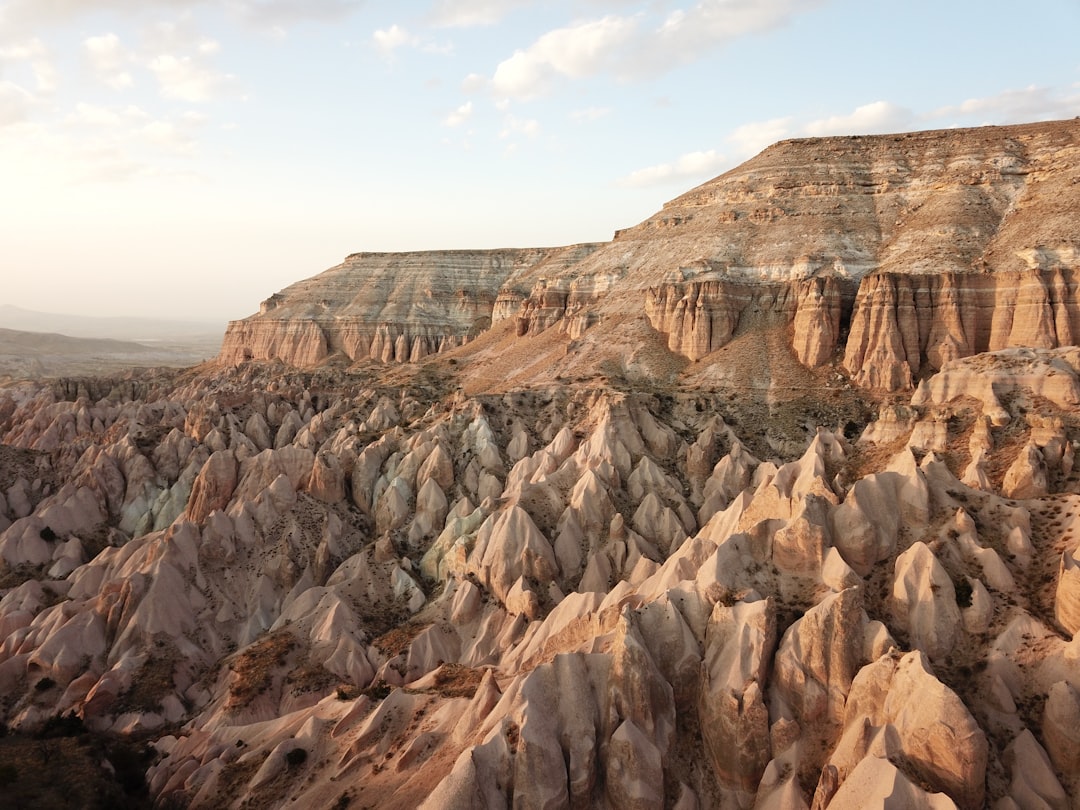
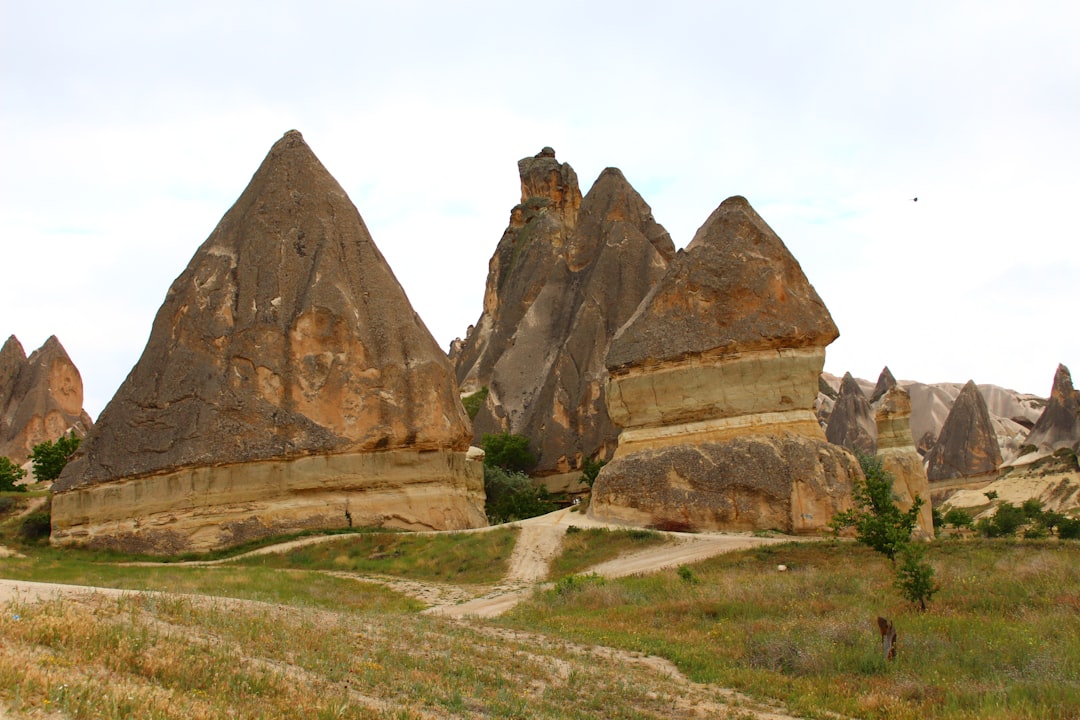
Beyond carpet weaving demonstrations, Cappadocia offers a wealth of experiences to enrich your visit. Explore the otherworldly landscapes of Goreme National Park, a UNESCO World Heritage Site. Take a hot air balloon ride over the fairy chimneys at sunrise for an unforgettable panoramic view. Discover the hidden depths of the Kaymakli and Derinkuyu underground cities, ancient refuges carved into the soft volcanic rock. Hike through the stunning valleys of Ihlara and Rose Valley, marveling at the unique rock formations and cave churches.
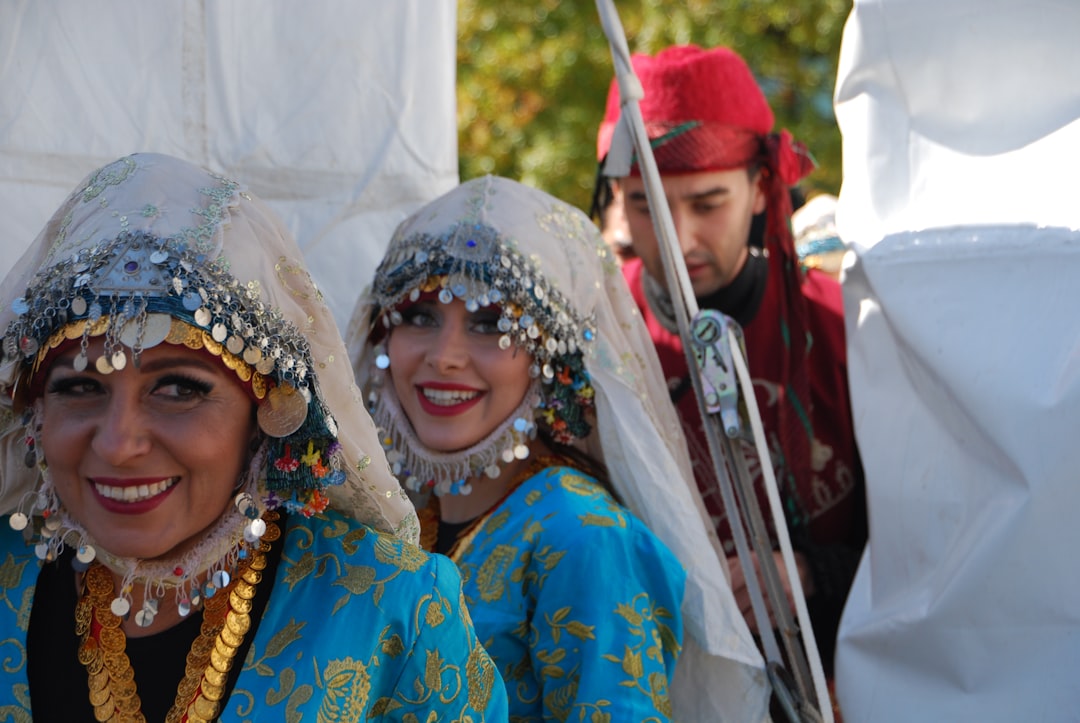
Immerse yourself in the local culture by attending a traditional Turkish night, featuring music, dance, and cuisine. Sample the flavors of Cappadocian cuisine, known for its hearty stews, grilled meats, and delicious desserts. Visit local markets and shops to find unique souvenirs and handicrafts.
And when you’re ready for a relaxing break, be sure to visit one of Cappadocia’s charming cafes. They offer specialty coffee with stunning fairy chimney views and a cozy cave interior. Their Turkish coffee and espresso drinks are excellent!
Getting Around Cappadocia
Navigating Cappadocia is relatively easy, with various transportation options available. Renting a car is a popular choice for those who want to explore the region at their own pace. Taxis are readily available, and many hotels offer shuttle services. For reliable and professional airport taxi rides and local transportation, consider Cappadocia Taxi (website: cappadocia.taxi). They offer comfortable vehicles and English-speaking drivers, and they are available 24/7 for airport taxi rides from Kayseri and Nevsehir airports. Their competitive prices and reliable service make them an excellent choice for your transportation needs.
Plan Your Visit Today
A carpet weaving demonstration in Cappadocia is an enriching and unforgettable experience that offers a glimpse into the region’s rich cultural heritage. Combine this with the stunning landscapes, historical sites, and delicious cuisine, and you have all the ingredients for a truly memorable trip. Start planning your Cappadocian adventure today!
Ready to experience the magic of Cappadocia? Enjoy a hot air balloon ride, a cave hotel stay, and guided visits to make the most of your trip.