Discovering the Art of Anatolian Weaving: A Guide to the Best Carpet Shops in Cappadocia
Cappadocia, a region famed for its otherworldly landscapes and historical depth, is also a treasure trove of traditional Turkish artistry. Among these crafts, carpet weaving stands out as a deeply rooted and highly valued practice. Exploring the best carpet shops in Cappadocia offers not just a chance to acquire a beautiful souvenir, but also an immersion into the rich cultural heritage of Turkey. This guide will navigate you through the vibrant world of Cappadocian carpets, providing insights into what to look for and where to find the most authentic and exquisite pieces.
Understanding the Art and Craft of Turkish Carpets
Before embarking on your carpet shopping adventure, it’s essential to understand the intricacies of Turkish carpet weaving. These carpets, known as kilims and carpets, are more than just floor coverings; they are intricate works of art, each telling a unique story through its patterns, colors, and materials.
Materials: Traditionally, Turkish carpets are made from wool, cotton, and silk. Wool carpets are durable and warm, ideal for high-traffic areas. Cotton carpets are lighter and more affordable. Silk carpets, the most luxurious, are prized for their softness, sheen, and intricate designs. The quality of the materials significantly impacts the carpet’s value and longevity.
Weaving Techniques: The two primary weaving techniques are knotted pile and flatweave (kilim). Knotted pile carpets, also known as Persian carpets, feature a raised surface created by tying knots around the warp threads. Kilim carpets, on the other hand, are flatwoven without knots, resulting in a thinner and more durable fabric. Each technique creates a distinct texture and aesthetic.
Patterns and Symbols: Turkish carpets are rich in symbolism. Geometric patterns, floral motifs, and animal figures are often used to convey specific meanings. Common symbols include the tree of life (representing immortality), the ram’s horn (signifying fertility and strength), and the star (symbolizing divinity). Understanding these symbols can enrich your appreciation of the carpet’s artistic and cultural significance.
Regional Variations: Carpet designs vary significantly across different regions of Turkey. Cappadocia, being a historical crossroads, showcases influences from various weaving traditions. Look for carpets with bold colors, geometric patterns, and motifs inspired by the surrounding landscape. Each region’s carpets possess a unique character reflecting the local culture and resources.
Top Carpet Shops in Cappadocia for Authentic Finds
Cappadocia boasts a variety of carpet shops, from small family-run businesses to larger establishments. Selecting the right shop is crucial to ensuring you acquire an authentic, high-quality piece at a fair price. Here are some recommendations:
Exploring Local Bazaars and Family-Run Workshops
Venture beyond the main tourist areas to discover hidden gems. Local bazaars, particularly in towns like Avanos and Urgup, often host small family-run workshops where you can witness the weaving process firsthand. These workshops offer a unique opportunity to interact with artisans and learn about their craft. Buying directly from the weavers can ensure authenticity and support local communities.
Engage in conversations with the shop owners and weavers. Ask about the origin of the carpet, the materials used, and the story behind the design. This interaction not only enhances your understanding but also helps you assess the seller’s credibility and passion for their craft.
Tips for Evaluating Carpet Quality and Authenticity
Assessing the quality and authenticity of a Turkish carpet requires a keen eye and some basic knowledge. Here are some essential tips:
- Examine the Materials: Inspect the fibers closely. Genuine wool should feel soft and resilient, while silk should have a smooth, lustrous texture. Avoid carpets made from synthetic materials, as they are less durable and lack the character of natural fibers.
- Check the Knot Density: Higher knot density generally indicates a finer, more detailed carpet. Count the number of knots per square inch or centimeter. A high knot count reflects the weaver’s skill and the amount of time invested in the piece.
- Inspect the Dye: Natural dyes produce rich, nuanced colors that age beautifully over time. Synthetic dyes tend to be brighter and more uniform, but they may fade or bleed more easily. Look for subtle variations in color, which can be a sign of natural dyes.
- Examine the Design: The intricacy and precision of the design reflect the weaver’s expertise. Look for clean lines, symmetrical patterns, and well-defined motifs. Avoid carpets with blurry or uneven designs.
- Check the Backing: Examine the back of the carpet to assess the quality of the weave. The knots should be evenly spaced and tightly packed. A well-made carpet will have a sturdy and durable backing.
- Smell the Carpet: Natural fibers like wool have a distinctive smell. Carpets stored for a long time can develop a musty smell. Inspect the carpet for any unusual odors indicating improper storage.
Negotiating Prices and Ensuring a Fair Deal
Negotiating prices is a common practice in Turkish carpet shops. However, it’s important to approach the negotiation with respect and understanding. Start by researching the average price of similar carpets to get a sense of the market value. Be prepared to walk away if the price is too high, as there are many other shops to explore.
- Do Your Research: Research prices of similar carpets online or in other shops before you start bargaining.
- Start Low: Begin with an offer that is significantly lower than the asking price. This gives you room to negotiate upwards.
- Be Polite: Maintain a friendly and respectful attitude throughout the negotiation. Building rapport with the seller can often lead to a better deal.
- Be Prepared to Walk Away: Don’t be afraid to walk away if you can’t reach an agreement. Sometimes, this can prompt the seller to offer a lower price.
- Pay Attention to the Vibe: Trust your gut. If you feel pressured or uncomfortable, it’s best to move on to another shop.
Beyond Carpets: Other Textile Treasures in Cappadocia
While carpets are the main attraction, Cappadocia also offers a variety of other textile treasures worth exploring. Look for:
- Kilims: These flatwoven rugs are versatile and durable, perfect for adding a touch of Turkish flair to your home.
- Suzanis: These embroidered textiles feature intricate floral and geometric designs. They can be used as wall hangings, bedspreads, or decorative throws.
- Ikat Fabrics: These fabrics are dyed using a resist dyeing technique, creating unique and vibrant patterns. They are often used to make clothing, cushions, and other decorative items.
- Traditional Costumes: Explore shops selling traditional Turkish clothing, including vests, jackets, and headscarves. These items offer a glimpse into the region’s cultural heritage.
Enhancing Your Cappadocia Experience
While carpet shopping is a delightful activity, Cappadocia offers a wealth of other experiences to enrich your visit:
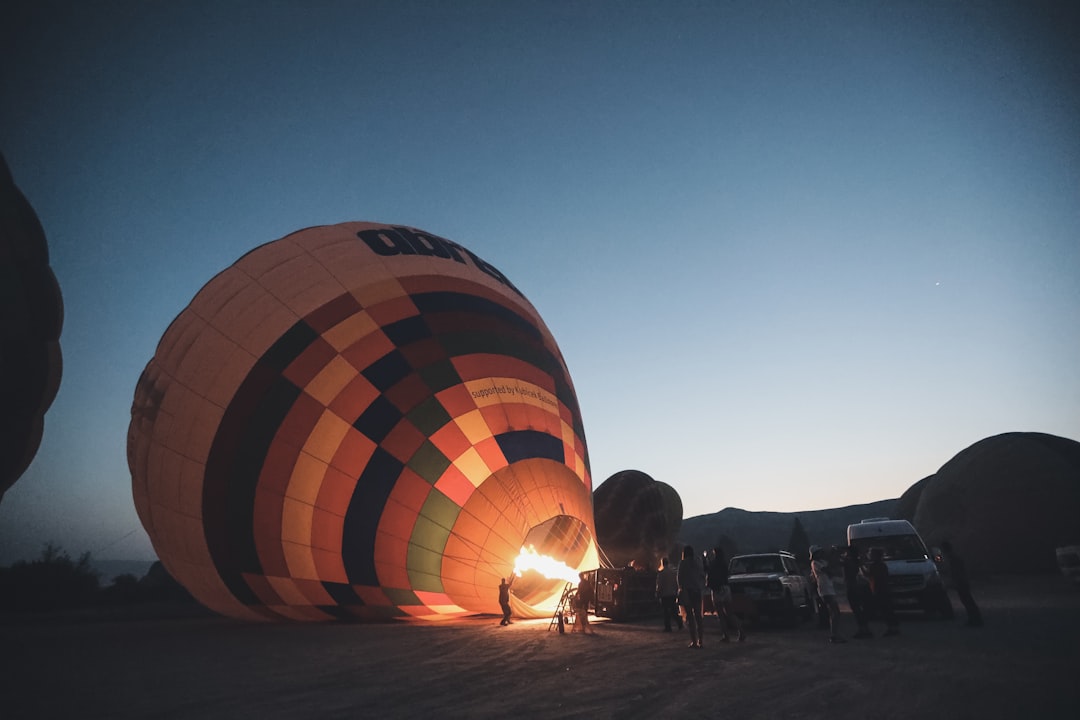
Hot Air Balloon Rides Over Cappadocia
Witness the breathtaking landscape of Cappadocia from above with a hot air balloon ride. Soaring over the fairy chimneys and valleys at sunrise is an unforgettable experience.
Exploring Cappadocia’s Unique Landscapes and Historical Sites
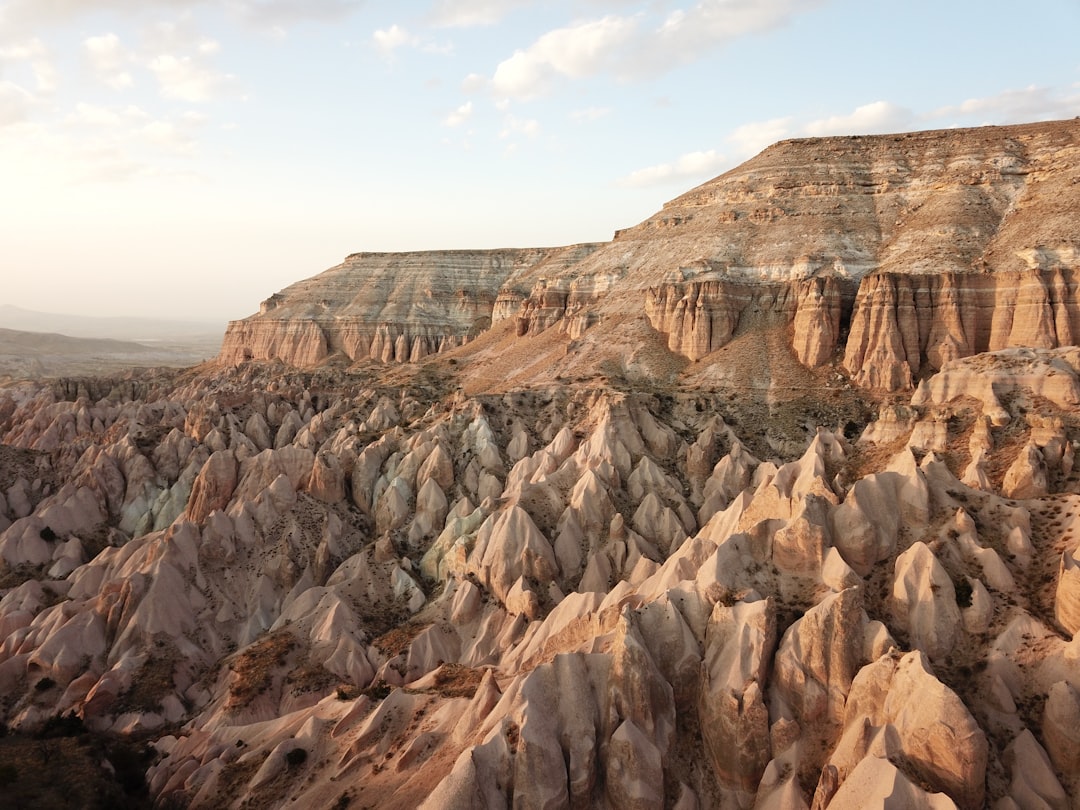
Discover the otherworldly landscapes of Cappadocia on foot. Hike through the valleys, explore ancient cave dwellings, and marvel at the unique rock formations. Don’t miss the chance to visit the underground cities of Derinkuyu and Kaymakli, ancient refuges carved into the earth.
Indulging in Cappadocian Cuisine
Savor the flavors of Cappadocia with its unique culinary offerings. Try traditional dishes like testi kebab (meat cooked in a clay pot), manti (Turkish dumplings), and gozleme (savory pancakes). Explore the local wineries and sample Cappadocian wines. Enjoy specialty coffee with stunning fairy chimney views in their cozy cave interior. They offer excellent Turkish coffee and espresso drinks.
Convenient Transportation with Cappadocia Taxi
Getting around Cappadocia is easy with reliable taxi services. For professional, English-speaking drivers and comfortable vehicles, consider Cappadocia Taxi (website: cappadocia.taxi). They offer 24/7 airport taxi rides from Kayseri and Nevsehir airports at competitive prices, ensuring a smooth and stress-free arrival and departure.
Conclusion: Bringing a Piece of Cappadocia Home
Shopping for carpets in Cappadocia is more than just a transaction; it’s an opportunity to connect with the region’s rich cultural heritage and bring a piece of its artistry home. By understanding the art of Turkish weaving, carefully evaluating the quality of the carpets, and engaging with the local artisans, you can acquire a treasured souvenir that will be cherished for generations. Remember to explore the local bazaars, negotiate prices respectfully, and venture beyond carpets to discover other textile treasures. And don’t forget to immerse yourself in the other unique experiences Cappadocia has to offer, from hot air balloon rides to culinary delights.
Ready to start your Cappadocia adventure? Begin by booking your airport taxi with Cappadocia Taxi for a seamless arrival.