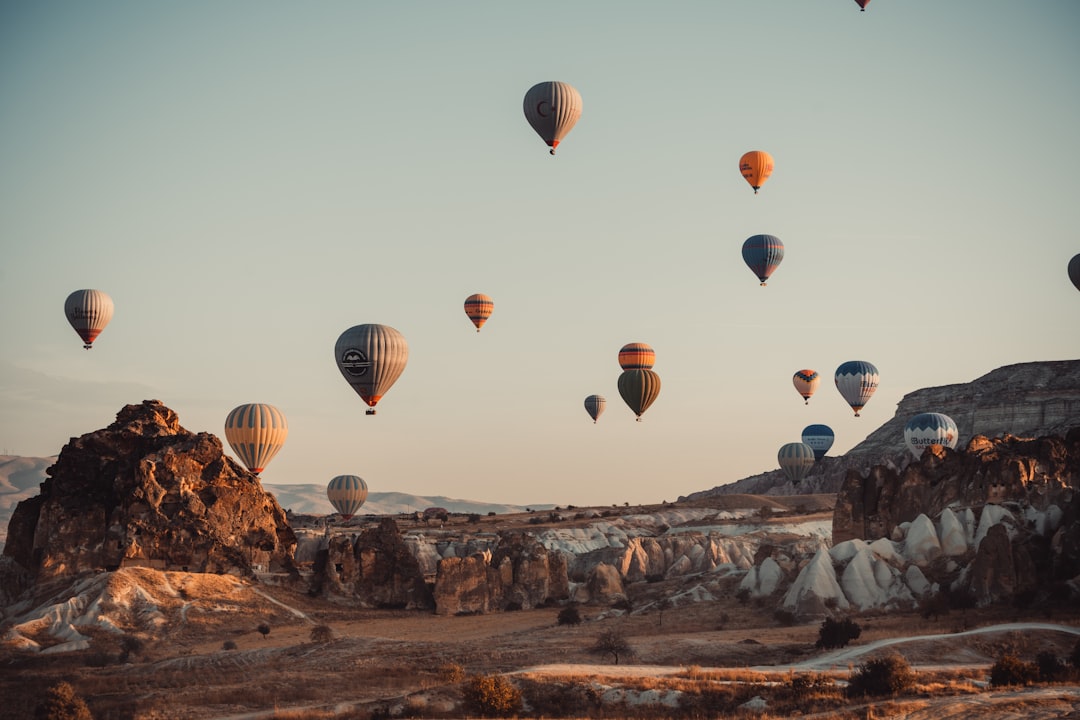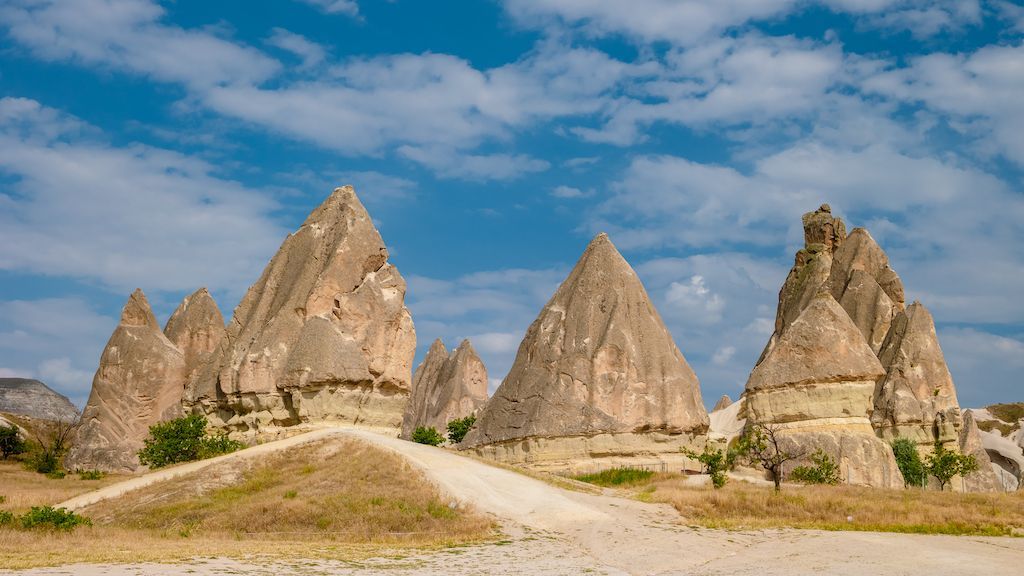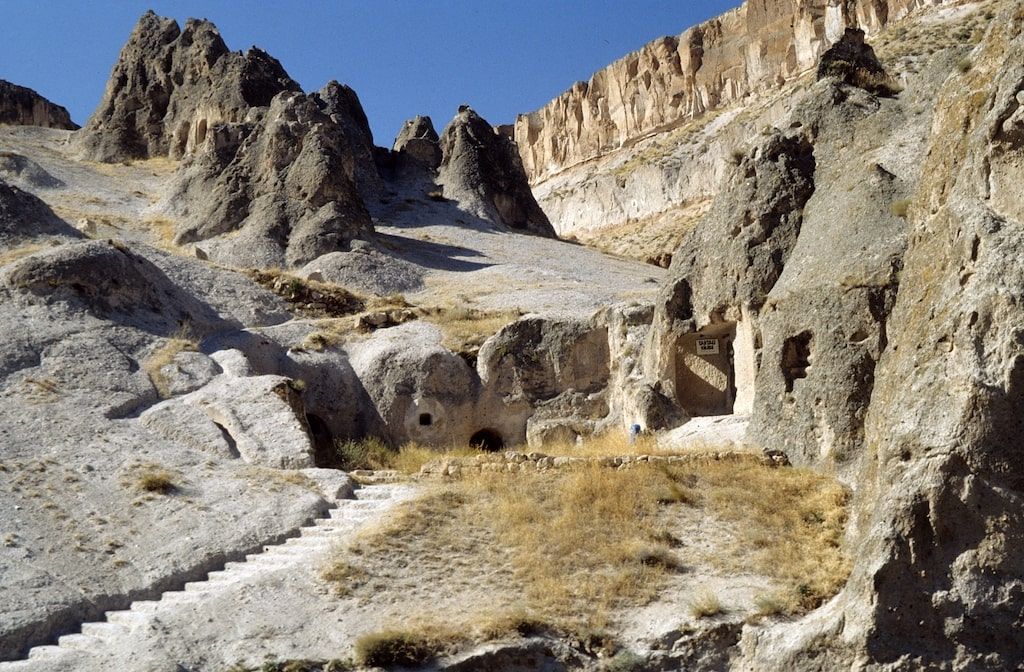
Most visitors to Cappadocia follow the same circuit — Göreme Open Air Museum in the morning, the Göreme valley hikes in the afternoon, perhaps a sunrise balloon flight above the fairy chimneys. That circuit is worth doing. But forty kilometers south, past orchards and village farms and a stretch of quietly beautiful Anatolian steppe, two narrow gorges open to reveal something the sightseeing buses haven't fully found yet. Soğanlı Valley holds the largest concentration of Byzantine cave churches in a single valley after Göreme — and on a typical weekday, you might share the whole gorge with only a handful of other travelers.
The Valley's Ancient History
The valley appears in ancient sources under the Greek name Soandos, a settlement of the broader Cappadocian plateau that was already old when Byzantine monks arrived to carve their first chambers into the soft tuff cliffs. Pre-Byzantine inhabitants used the valley's natural caves not for worship but for agriculture — grain was stored in cool rock-cut cellars, and wine was produced in chambers whose carved pressing basins are still visible in the lower gorge. The porous volcanic stone that makes Cappadocia's landscape so visually strange also made it a practical refrigerator for a farming community.
A Cappadocian Greek community lived and farmed in Soğanlı for centuries, and traces of their presence survive not only in the valley's churches but in the structure of the village itself. Their descendants were among the populations exchanged between Greece and Turkey in 1923 under the Treaty of Lausanne — one of history's largest forced population movements. The village you see today is a Turkish settlement built on and around those older foundations, and the apricot orchards that line the valley floor are partly the same orchards those earlier communities planted.
The Byzantine Church Cluster
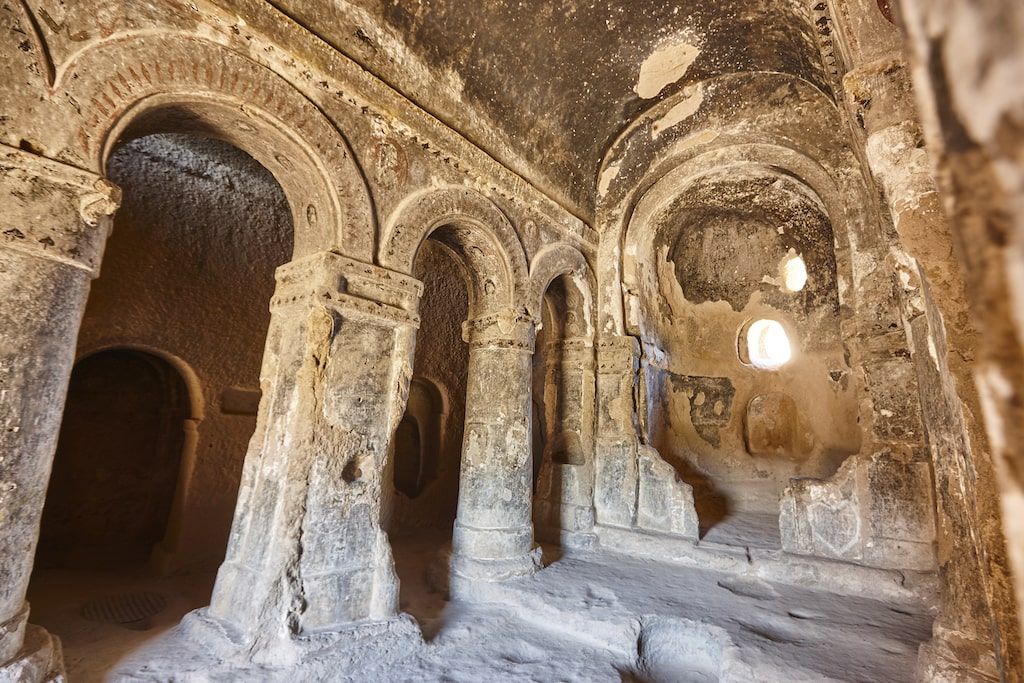
The Byzantine monks who settled Soğanlı from roughly the 9th century onward found an ideal landscape — remote enough for contemplation, but with a reliable seasonal stream, arable land in the valley floor, and cliffs soft enough to excavate with iron tools. They carved churches and monastery cells across both gorges over several centuries, and four major complexes survive today:
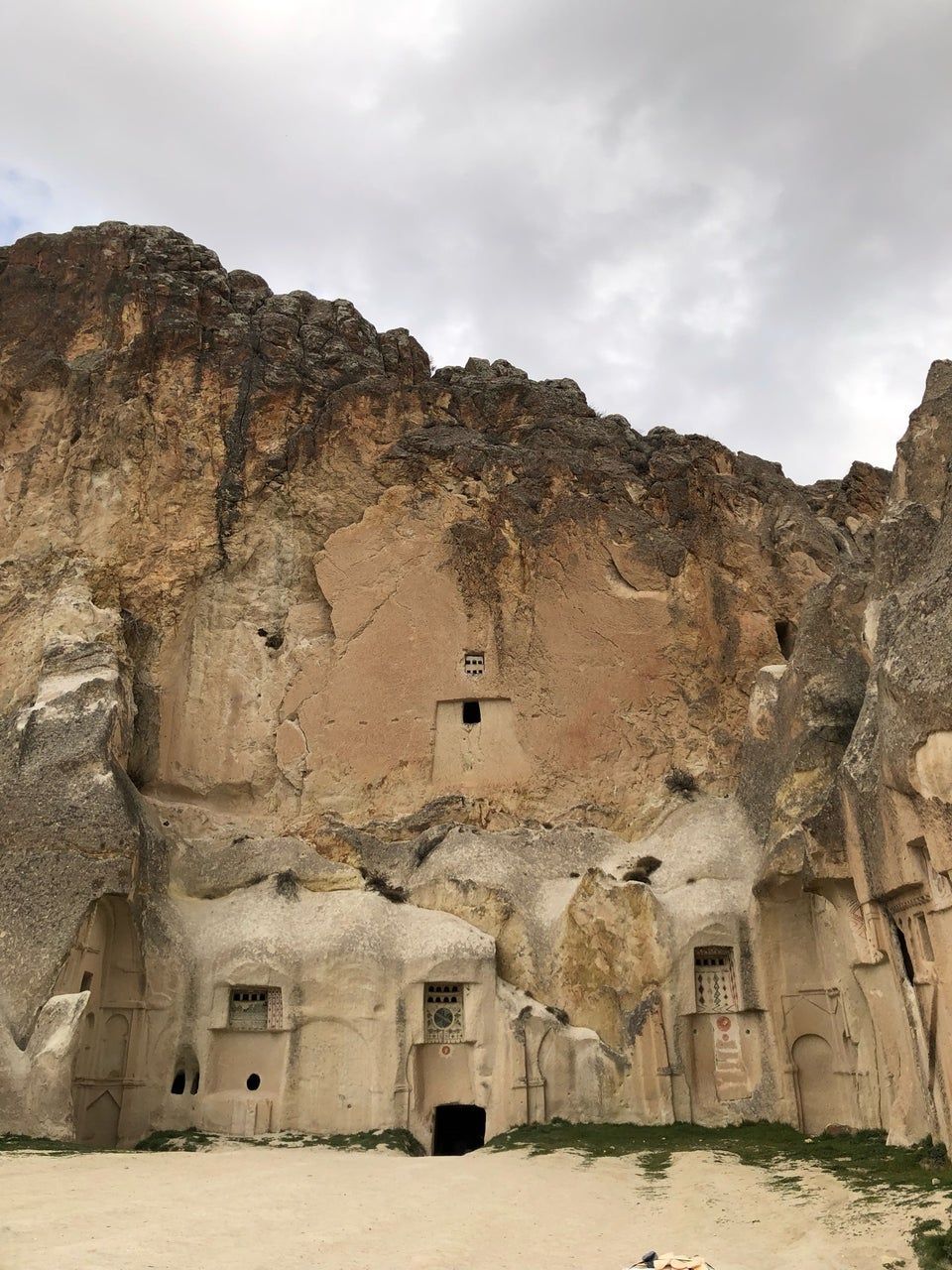
- Kubbeli Kilise (Domed Church): A rare example of a free-standing church form translated into carved rock — its exterior dome is shaped directly from the tuff cliff, giving it an architectural silhouette unlike anything else in the valley.
- Karabaş Kilise (Black Head Church): The valley's most significant monument, with a fresco program that rivals the best-preserved examples in Göreme's open-air museum. Dating to around the 11th century.
- Yılanlı Kilise (Snake Church): Named for a painted serpent visible in its interior decoration — a reminder that Byzantine iconography included symbolic creatures alongside its narrative religious cycles.
- Tahtalı Kilise (Wooden Roof Church): Distinguished by evidence of a timber roof structure once attached to its carved facade, pointing to a hybrid construction method common in the region's transitional centuries.
Most of these churches date from the 9th to 11th centuries, the period when Byzantine monastic settlement in Cappadocia reached its peak before the Seljuk advance changed the region's political landscape permanently.
Karabaş Kilise — The Crown Jewel
Stand at the entrance of Karabaş Kilise long enough to let your eyes adjust to the dim interior, and the frescoes will gradually resolve from shadow into color — rich earthen reds, deep ochres, and the faded blues of mineral pigments that have survived in this sealed rock chamber for nearly a thousand years. The church's painted program covers the full narrative range of Byzantine church decoration: scenes from the life of Christ, figures of saints in formal Byzantine style, and an apse composition that sets the register of the whole interior.
The name "Black Head" comes from a damaged area of the apse fresco, where the Christ figure's head was defaced — probably during one of the region's periods of iconoclasm, or in the centuries after Byzantine control receded. Around that damaged center, however, the rest of the fresco cycle is in remarkable condition. Traces of the iconostasis screen that once divided the nave from the sanctuary are still readable in the stone, and the narrative scenes in the barrel vault — the Nativity, the Baptism, the Entry into Jerusalem — retain enough detail to show the quality of the workshop that executed them. Visiting Karabaş is the closest Soğanlı comes to the experience of standing inside the Dark Church in Göreme, but without the queues.
The Two Gorges
Soğanlı divides naturally into two arms: Upper Soğanlı and Lower Soğanlı. The upper gorge contains the majority of the carved churches and monastery complexes — Karabaş, Kubbeli, and Yılanlı are all found here, cut into the cliffs that rise on either side of the path. The lower gorge is quieter still: the village sits at its entrance, the orchards run along the valley floor, and the cave chambers here were more often used for storage and habitation than worship.
A seasonal stream runs between the two gorges, threading through the apricot trees, and in spring and early summer it carries enough water to make the valley feel genuinely lush against the dry plateau beyond. Walking both gorges in a connected loop takes between three and four hours at a comfortable pace — enough time to visit the main churches, climb to a few of the higher cave openings for views down the valley, and sit for a while in the kind of silence that's genuinely hard to find in the more-visited parts of Cappadocia.
The Soğanlı Doll Tradition
At the valley entrance, small shops staffed by local women sell handmade dolls in traditional Cappadocian dress. The dolls are constructed with clay or fabric heads, yarn hair in braids, and layered textile clothing that replicates the regional costume — embroidered vests, shalwar-style trousers, headscarves in local patterns. This craft tradition goes back several generations in Soğanlı, and the dolls have become one of the most consistently authentic souvenirs available anywhere in Cappadocia, made by hand in the village rather than imported from a factory in another province.
The doll sellers are generally happy to explain the construction process and will often show work in progress. Even travelers who don't normally buy souvenirs tend to linger here — the craft has a directness and honesty that's easy to respond to, and the price of a well-made Soğanlı doll reflects actual handwork rather than a tourist markup on a mass-produced item.
The Apricot Orchards Through the Seasons
Soğanlı's orchards run in rhythm with the seasons in a way that's worth planning around if your visit dates are flexible. Late April brings white blossom across the valley floor — the apricot trees flower before most of the region's other fruit trees, and the combination of blossoms framing the rock-carved church facades produces some of the most striking photography available anywhere in Cappadocia. June brings green fruit and dense foliage, making the gorge feel almost forested against the bare plateau outside. July and August bring the ripe harvest, and in summer the village rooftops are covered with apricots drying in the sun — a sight that connects the contemporary village directly to the agricultural cycles the valley has followed for centuries.
Apricot jam made from the valley's harvest is sold at the entrance alongside the dolls. It's worth buying.
Getting There and Practical Tips
Soğanlı Valley sits approximately 40 kilometers south of Göreme and 30 kilometers from Ürgüp — roughly a 45-minute drive on roads that pass through the village of Mustafapaşa, which is worth a brief stop en route for its carved Greek-era houses and a good café. There is no reliable dolmuş service to Soğanlı from Göreme or Ürgüp, which means private transport is effectively the only practical option. Soğanlı Valley requires private transport — check the fare from Göreme with the Cappadocia taxi price calculator.
A private taxi is the better choice anyway: unlike a group outing, it lets you set your own pace through the gorges, linger at Karabaş Kilise as long as the frescoes hold your attention, and time your return around the light rather than a bus schedule. Allow three to four hours for the full visit — two gorges, the main churches, the doll workshops, and time to walk the orchard path. Entry to the valley's church complexes carries a small admission fee; no advance booking is needed, and the site is open to visitors during daylight hours throughout the year.
One practical note: the path through both gorges involves some uneven surfaces and occasional steep scrambles to reach higher cave entrances. Comfortable shoes with ankle support make the difference between a pleasant walk and an anxious one. Water and snacks are available at the valley entrance, but options inside the gorge are minimal.
Frequently Asked Questions
How far is Soğanlı Valley from Göreme?
Soğanlı Valley is approximately 40 kilometers south of Göreme, about a 45-minute drive. The route passes through Mustafapaşa, which is a worthwhile stop on the way. There is no regular public transport between Göreme and Soğanlı, so most visitors hire a private taxi or join a small-group day trip.
Which church should I prioritize in Soğanlı?
Karabaş Kilise (Black Head Church) is the most significant and should not be missed. It holds one of the best-preserved fresco programs in Cappadocia outside the Göreme Open Air Museum, with narrative cycles dating to around the 11th century that remain remarkably detailed and legible. If time allows, Kubbeli Kilise (Domed Church) is the most architecturally unusual of the group.
Is Soğanlı Valley worth visiting if I've already seen the Göreme Open Air Museum?
Yes — Soğanlı offers a genuinely different experience. The Göreme Open Air Museum is richer in total number of decorated churches and easier to reach, but Soğanlı gives you those same Byzantine interiors in near-complete quiet, set inside a valley of orchards and working village life rather than a fenced heritage site. The Soğanlı doll tradition and the landscape of the two gorges add layers that Göreme doesn't offer. For anyone spending three or more days in Cappadocia, Soğanlı is among the most rewarding half-day outings available.