Ihlara Valley: Cappadocia's Green Canyon Guide
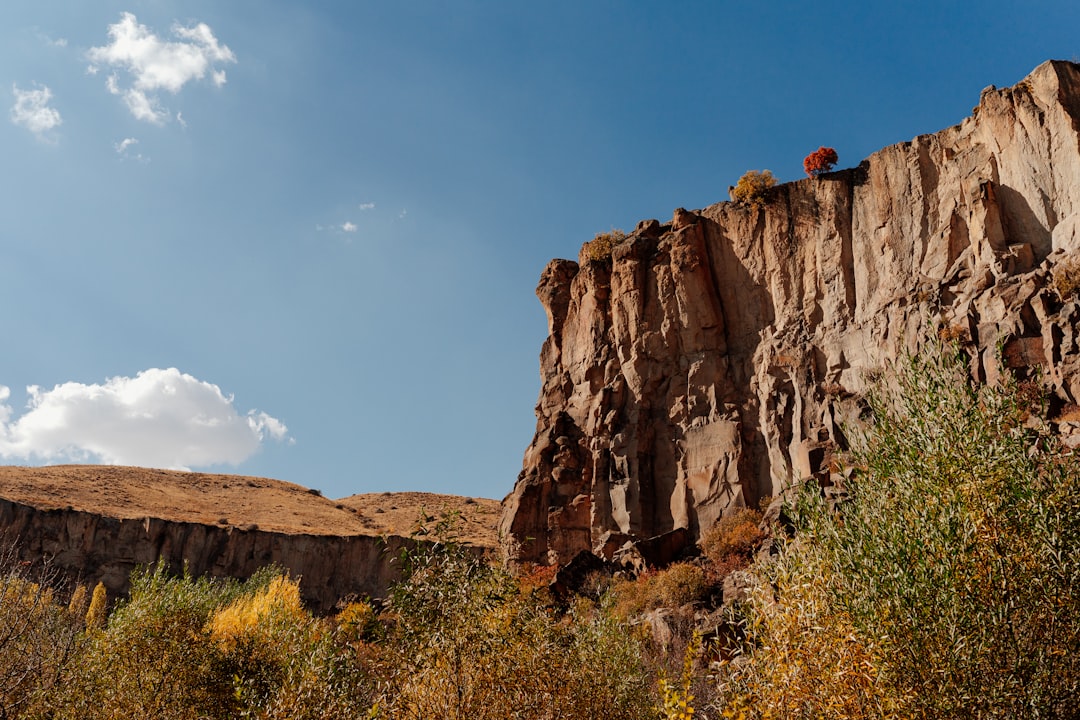
Ihlara Valley is a 14-kilometre river canyon in south-west Cappadocia, carved by the Melendiz River and lined with more than a hundred Byzantine rock-cut churches. Unlike the dry fairy-chimney landscapes around Göreme, it is shaded, green and full of running water — the single best half-day hike in the region for anyone who wants frescoes, birdsong and a riverside trail rather than crowds. Entrance to the valley is €15.
Where is Ihlara Valley and how to get there
The canyon sits near Aksaray, roughly 40 km south-west of Nevşehir and about 1 to 1.5 hours by road from Göreme. There is no direct public bus from the Göreme/Ürgüp core, so most independent visitors arrive by rental car or private transfer. The drive runs through open plateau before the road drops towards the gorge — you barely see the valley until you are at its rim.
If you would rather not drive, a private transfer is the simplest option and lets you combine Ihlara with Selime and Derinkuyu in one loop. Check current rates on the live Cappadocia transfer price calculator rather than relying on a fixed quote. Most organised "Green Tour" day trips also include Ihlara, lunch in the canyon and a stop at an underground city.
The two entrances: Ihlara village vs the Tourist Gate
There are several access points along the 14 km canyon, but two matter most:
- Tourist Gate (Ihlara Türistik): the busiest entry, with a ticket office, car park and a steep staircase of around 380–400 steps down to the river. The densest cluster of painted churches sits right at the bottom — ideal if you only have a couple of hours.
- Ihlara Village: a quieter entry at the canyon's southern end, letting you walk in from the village and follow the river towards Belisırma without the big staircase.
- Belisırma: a tiny hamlet roughly midway along the trail, ringed by riverside restaurants on wooden platforms over the water — the natural lunch and turnaround point for most walkers.
Hiking the valley: routes and difficulty
The classic walk is the Tourist Gate to Belisırma stretch, about 3–4 km one way along a flat, well-marked riverside path. Allowing for church stops and photos, plan on 2–3 hours there and back, or arrange a pickup at Belisırma if you only want to walk one direction. The full 14 km from Selime to Ihlara village is a committed half- to full-day hike for fitter walkers.
- Length: 14 km end to end; the popular Tourist Gate–Belisırma section is about 3–4 km each way
- Difficulty: easy to moderate — the trail itself is flat, but the entrance staircase is steep
- Surface: packed earth and rock near the river; can be muddy or slippery after rain
- Time needed: 2 hours for a taster, 4–6 hours for a longer point-to-point walk
The rock churches and frescoes
Around a hundred churches were cut into the soft tuff walls between the 9th and 11th centuries, when monastic communities farmed the valley floor and worshipped in the cliffs. A handful are signposted and easy to reach from the trail:
- Ağaçaltı Kilisesi (Church Under the Tree / Daniel Pantonassa): right by the foot of the Tourist Gate stairs, famous for a domed ceiling with a vivid Annunciation and Nativity
- Yılanlı Kilise (Snake Church): named for a fresco showing sinners punished by serpents — unusually graphic for the region
- Kırkdamlı and Sumbullu (Hyacinth) churches: quieter chapels further along the path with fading but atmospheric paintings
- Pürenliseki and Kokar churches: side-trail chapels where you can often have the frescoes entirely to yourself
Photography is allowed but flash damages the pigments, so it is discouraged; morning light through the canyon mouth is kinder to both the frescoes and your photos. For more on the region's painted churches, see our Cappadocia churches and heritage guide.
When to visit
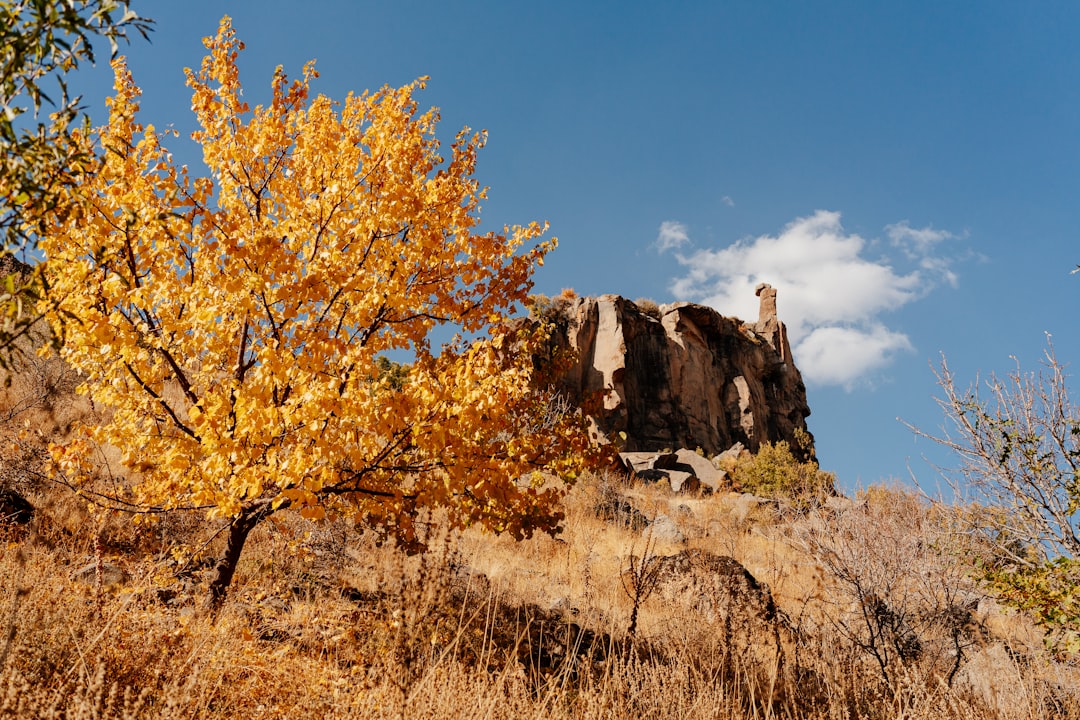
Spring (April–May) is the standout season: temperatures sit around 15–22°C, wildflowers carpet the canyon floor and the Melendiz runs at its fullest. Autumn (September–October) is a close second, with golden poplars and thinner crowds. Summer middays can be hot even in the shade, so start early; in winter the staircase and trail can ice over and some restaurants close. Plan around the wider season using our best time to visit Cappadocia guide.
Practical tips
- Wear proper shoes — the riverside path is rocky and uneven, and the steps are steep
- Carry water; there are tea gardens and restaurants at Belisırma but long stretches with nothing
- Start in the morning for the best light and to beat tour-bus arrivals around midday
- Keep your ticket — you may need it if you exit and re-enter at a different gate
- Bring small cash for the Belisırma riverside restaurants, which serve trout, gözleme and Turkish tea on platforms over the water
Combine Ihlara with Selime Monastery
At the northern end of the valley lies Selime Monastery, the largest rock-cut religious complex in Cappadocia, with a cathedral-sized cave church, kitchens and stables hollowed into the rock. Most full-day itineraries pair the two, often adding an underground city such as Derinkuyu. See our dedicated Selime Monastery guide and the best hiking trails in Cappadocia for ways to build a full day around the canyon.
Frequently asked questions
How long does it take to hike Ihlara Valley?
A short taster from the Tourist Gate to the nearest churches and back takes about 2 hours. The popular Tourist Gate to Belisırma stretch is roughly 2–3 hours return, while walking the full 14 km is a 4–6 hour half- to full-day outing.
Is there an entrance fee for Ihlara Valley?
Yes — there is a ticket office at the Tourist Gate, currently €15 for foreign visitors. The Museum Pass for Cappadocia may also cover entry, so check before you buy a separate ticket.
Do I need a guide to hike Ihlara Valley?
No. The main trail is flat and well marked, so independent walkers manage easily. A guide is worthwhile mainly if you want the history behind specific frescoes or plan to combine Ihlara with Selime and an underground city in one efficient loop.
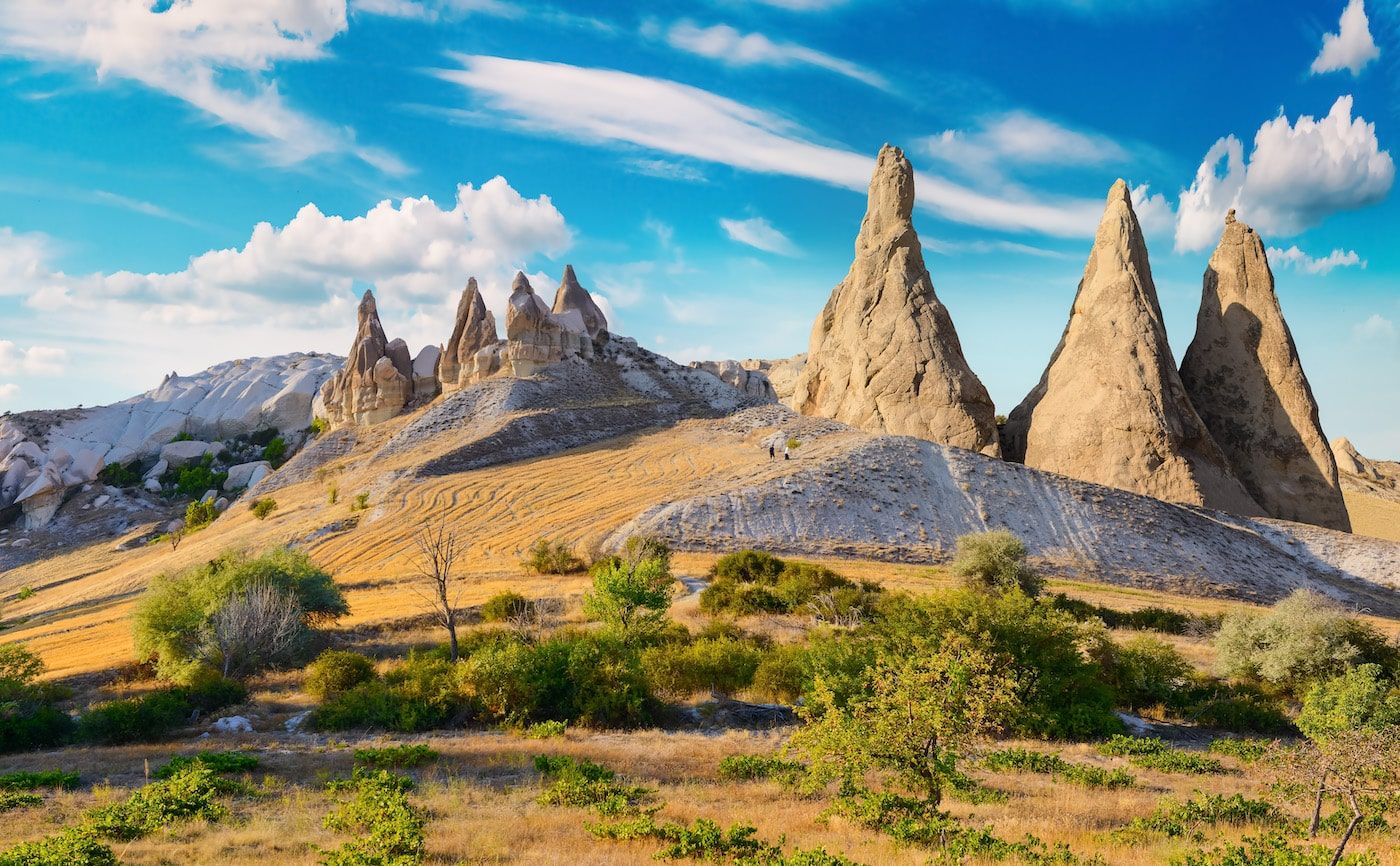
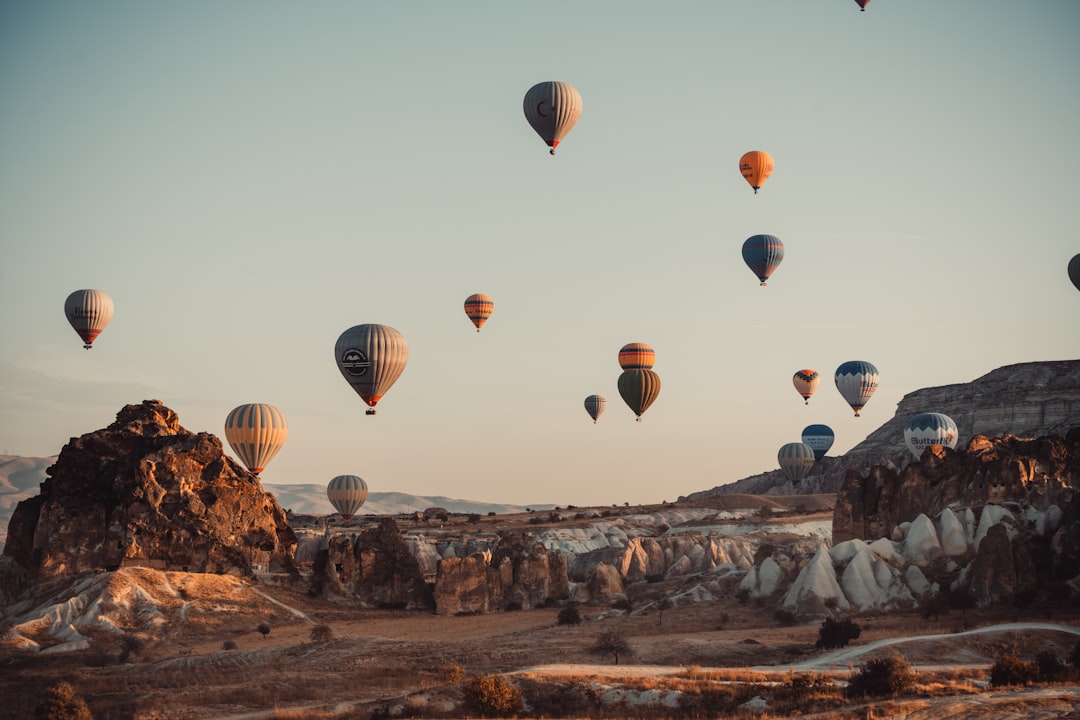
Whether you come for early Christian art, the green riverside scenery or simply a peaceful walk away from Cappadocia's busier viewpoints, Ihlara Valley is one of the region's most rewarding half-days — proof that there is far more here than balloons and fairy chimneys.