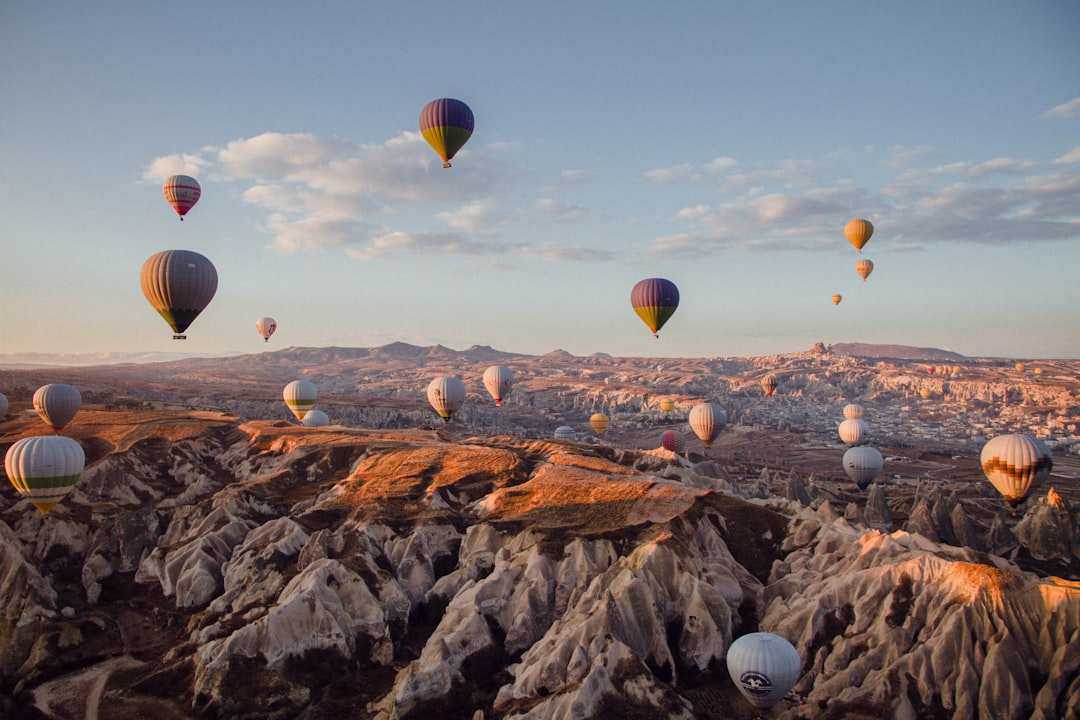
Cappadocia's culture is, quite literally, carved into the ground. Because the region's volcanic rock is soft enough to dig with simple tools yet hardens on exposure to air, generations of people shaped their homes, churches, storerooms and even entire cities directly out of the stone. The landscape didn't just provide a backdrop — it set the terms for how people lived, prayed, farmed and built.
The Geology That Started It All
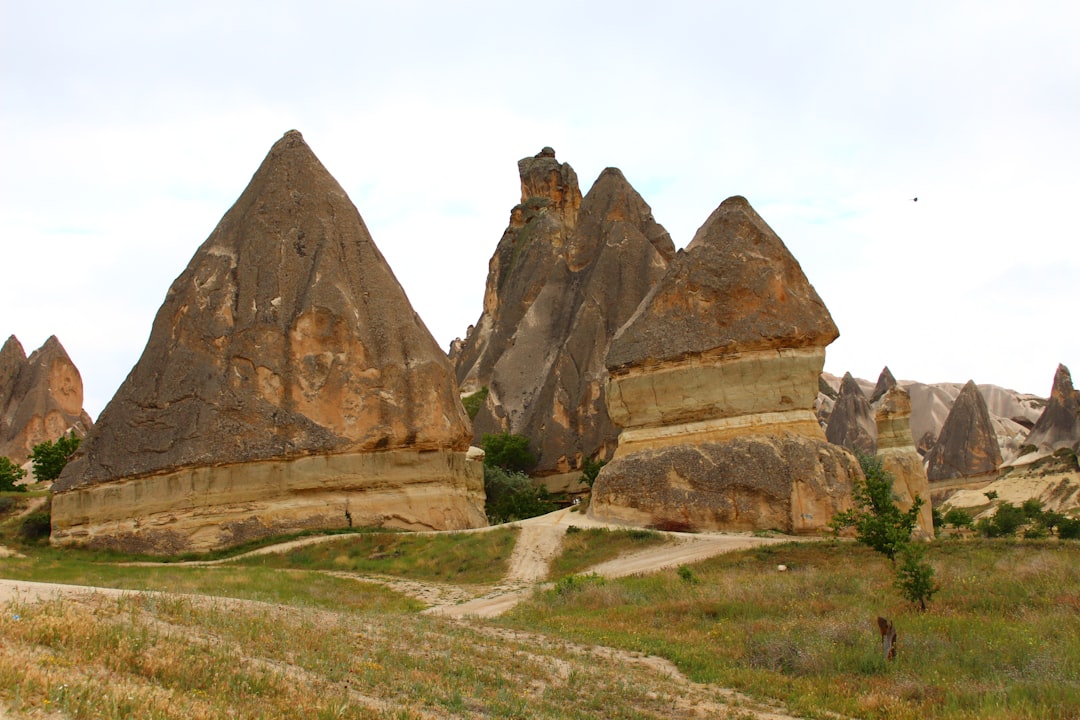
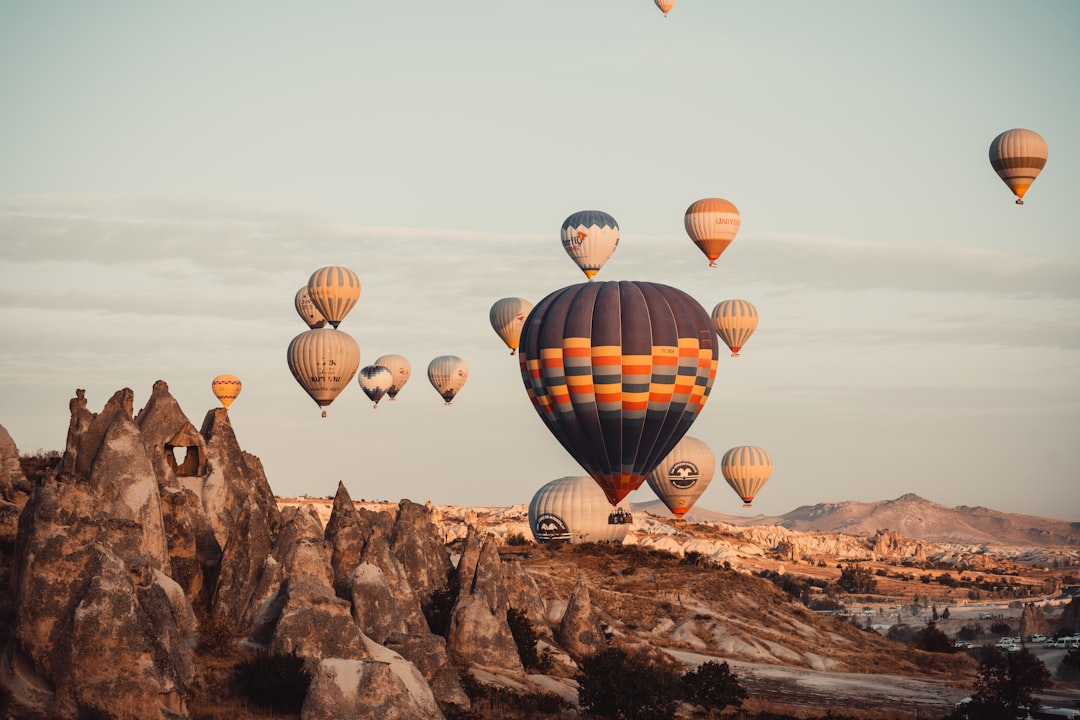
Long ago, volcanoes in central Anatolia blanketed the region in ash. Over time this ash compacted into a soft, porous rock known as tuff. Wind and water then sculpted it into the valleys, ridges and the famous cone-shaped "fairy chimneys" that define the skyline today. The key feature, for people as much as for postcards, is that tuff is easy to carve.
A person with hand tools could hollow out a room far more quickly than they could quarry stone and build walls from scratch. And once a cavity was opened to the air, the surface gradually hardened, leaving a durable, well-insulated space. Soft enough to dig, firm enough to last — that single quirk of geology is the seed of almost everything else in Cappadocian culture.
Cave Dwellings and Rock Architecture
When digging is easier than building, people dig. Across Cappadocia, families carved homes straight into cliff faces and rock cones, expanding room by room as households grew. Carved interiors offered something the climate demanded: natural insulation. The thick stone kept dwellings cool through scorching summers and held warmth against bitter winters, with no need for imported materials.
- Cool in summer, warm in winter: the rock's mass evens out the region's harsh temperature swings.
- Expandable: a household could simply carve another room rather than build an extension.
- Local and cheap: the building material was the hillside itself, requiring labour rather than purchased stone or timber.
- Layered villages: homes, stables and storerooms stacked into the same outcrops, often blending carved and built sections.
The result is a distinctive vernacular architecture you still see in villages like Göreme, Uçhisar and Ortahisar, where carved façades, masonry additions and natural rock flow into one another as if the houses grew out of the ground.
Underground Cities as Refuge
If you can carve down into the rock, you can also carve deep. Cappadocia is honeycombed with underground cities — multi-level warrens of tunnels, chambers, wells and ventilation shafts descending well below the surface. Sites such as Derinkuyu and Kaymaklı are the best known, with living quarters, kitchens, stables, storage rooms and even spaces understood to have served as chapels.
These places were above all refuges. In a region that sat along contested frontiers, communities could withdraw underground in times of danger, sealing passages with great rolling stone doors and waiting out a threat. The soft rock made this kind of large-scale shelter possible; the region's turbulent history made it necessary.
Faith Carved in Stone
Nowhere is the marriage of rock and culture clearer than in Cappadocia's religious heritage. The region became an important centre of early Christian life, valued partly because its caves and remote valleys offered seclusion and protection. Monks and hermits settled here, and worship took the same form as everything else — it was carved.
Rock-cut churches, chapels and monastic complexes were hollowed out of cliffs and cones, their interiors shaped to imitate built churches with columns, domes and apses sculpted from solid tuff. Many were painted with frescoes that have survived remarkably well in the protected, stable air of the rock. The open-air museum at Göreme gathers some of the most celebrated examples, where you can step from a plain rock doorway into a vividly decorated sanctuary. Faith here wasn't housed in grand buildings rising above a town — it was tucked into the landscape itself, quiet and concealed.
The Rural Economy: Dovecotes, Cellars and Storerooms
The landscape also shaped how Cappadocians made a living. Two carved features tell that story especially well: dovecotes and cellars.
- Dovecotes: high on cliff faces, people cut small chambers with tiny entrance holes to attract pigeons. The birds' droppings, or guano, were collected as a prized natural fertiliser for the region's orchards and vineyards — a clever way to enrich thin volcanic soil.
- Cave cellars: the same insulating rock that cooled homes made ideal cellars. Carved storerooms held a stable, cool temperature year-round, perfect for ageing wine, storing produce and keeping food through the seasons.
- Vineyards and orchards: Cappadocia has a long winemaking tradition, and cool rock cellars were a natural fit for fermenting and storing the harvest.
These weren't grand monuments but everyday solutions, and they reveal how deeply daily survival was tied to what the rock allowed. Farming the surface and carving below it were parts of the same livelihood.
How the Landscape Shapes Cappadocia Today
The same features that once met practical needs now draw travellers from around the world. Many old cave dwellings have been carefully restored as cave hotels, offering guests the same naturally cool, quiet rooms their builders prized — only with the comforts of modern hospitality. Carved restaurants, galleries and shops continue the tradition of living inside the rock rather than on top of it.
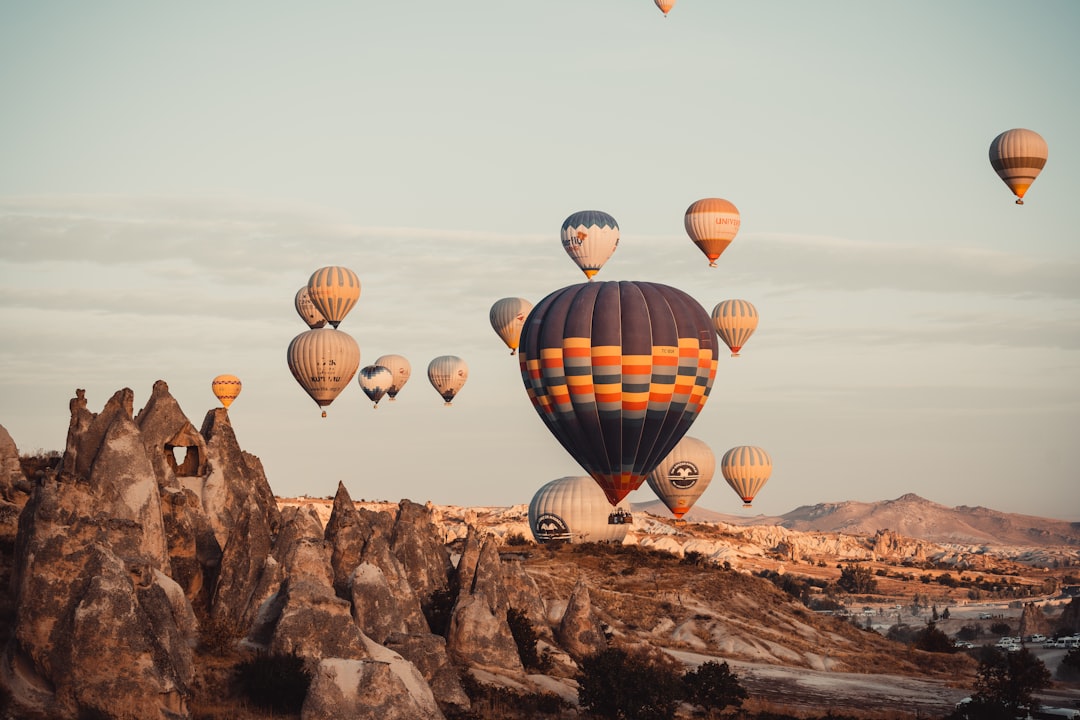
Tourism today flows along the contours the geology created: hikers wander valleys lined with fairy chimneys, visitors duck into rock churches and descend into underground cities, and the dramatic terrain provides the canvas for the famous sunrise balloon flights. The landscape that once dictated where people could shelter and farm now shapes where they wander and stay. If you're planning to reach these scattered sites, it helps to arrange a taxi in advance — you can check taxi prices before you set out.
What endures across all of it is a simple truth: in Cappadocia, the rock was never just scenery. It was a building material, a refuge, a place of worship and a pantry — and the culture grew directly out of the stone.
Frequently Asked Questions
Why is Cappadocia's rock so easy to carve?
The region is covered in volcanic tuff, a soft rock formed from compacted ash. It is soft enough to dig with simple tools, yet it tends to harden once exposed to air, making carved spaces both quick to create and durable over time.
What were Cappadocia's underground cities used for?
They served mainly as places of refuge. Communities could retreat into the multi-level tunnel systems during times of danger, sealing entrances with rolling stone doors. The cities included living quarters, storage rooms, wells, ventilation shafts and spaces used for worship.
Why did early Christians settle in Cappadocia?
The region's remote valleys, caves and underground spaces offered seclusion and protection, which suited monastic life and times when shelter mattered. Communities carved churches, chapels and monasteries directly into the rock, many of them decorated with frescoes that survive today.
Why are there small holes carved high in the cliffs?
Many of these are dovecotes — carved chambers designed to attract pigeons. Their droppings were gathered as a natural fertiliser used to enrich the region's orchards and vineyards, an important part of the traditional rural economy.