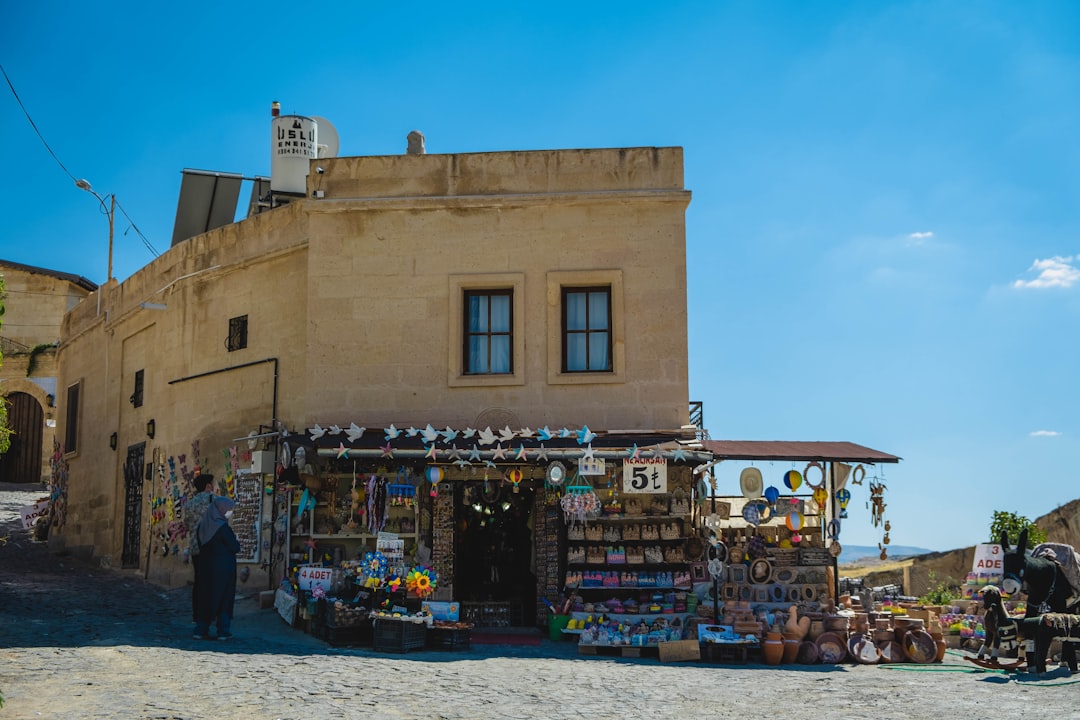
The best place to buy traditional Turkish pottery is Avanos, the riverside town in Cappadocia that has produced red-clay ceramics for thousands of years. Here you can watch potters work the wheel and buy directly from the workshop. For genuine hand-painted Iznik and Kutahya tiles and bowls, Istanbul and the towns of Kutahya and Canakkale are the other classic sources. Below is how to recognise the real thing, what to pay attention to, and how to get it home in one piece.
Why Avanos is the heart of Cappadocian pottery
Avanos sits on the Kizilirmak (Red River), the longest river in Turkey, whose iron-rich red clay has supplied the town's potters since Hittite times. The craft is genuinely living here, not a tourist re-creation: family workshops still throw functional pots on the kick-wheel and fire them in the same way their grandparents did. A visit to a workshop is one of the most rewarding things to do in the region, and you can easily combine it with the valleys and villages nearby. See our Avanos pottery tradition guide for the full story of the town and its master potters, and our top things to do in Cappadocia to slot it into your itinerary.
Most Avanos workshops will let you try the wheel yourself for a small fee, and many offer to ship purchases home. Because you buy straight from the maker, prices are usually fairer than in big-city bazaars, and you can be confident the piece is locally made rather than mass-produced.
Types of Turkish pottery and ceramics
Turkish ceramics fall broadly into functional pottery (bowls, plates, jugs and cups meant for daily use) and decorative ware (vases, tiles and figurines made for display). Within those, a handful of regional styles dominate, each with its own clay, palette and patterns:
- Iznik ceramics — the most prestigious. Originating in 15th-century Iznik, these are fritware (quartz-rich, not ordinary clay), hand-painted under a clear glaze in cobalt blue, turquoise, sage green and a distinctive raised coral-red. Tulip, carnation and saz-leaf motifs are classic. True Iznik-style pieces are expensive and hand-painted; very cheap 'Iznik' is usually transfer-printed.
- Kutahya ceramics — the living continuation of the Iznik tradition. Kutahya in western Turkey has fired ceramics since the Byzantine era and remains Turkey's main ceramic-tile centre. Designs are similar to Iznik but often lighter and more affordable.
- Avanos (Cappadocia) ware — red-earthenware shaped from local river clay, ranging from rustic Hittite-style wine jugs to brightly painted decorative pieces. This is the pottery to buy when you are actually in Cappadocia.
- Canakkale ceramics — robust, simple and elegant ware from the Canakkale region, prized for everyday durability.
- Karacasu ceramics — from the Aydin province town of Karacasu, recognisable by red clay finished with a dark glaze.
Where to buy traditional Turkish pottery
You can find Turkish pottery all over the country, but quality and authenticity vary enormously. These are the places worth seeking out:
- Avanos workshops, Cappadocia — the top choice if you are visiting the region. Dozens of family ateliers let you watch the wheel, try it yourself and buy from the maker. Look for workshops that fire on site rather than shops that only resell.
- Grand Bazaar, Istanbul — one of the world's oldest covered markets, with everything from cheap earthenware to fine hand-painted Iznik-style pieces. Great range, but prices are negotiable and quality is mixed, so inspect carefully.
- Kutahya — the source town for Iznik-style ceramics, with workshops and shops where you buy directly from producers at lower prices than the big cities.
- Canakkale — the ceramics museum here both displays and sells traditional ware in its shop, a reliable place for authentic regional pieces.
How to tell good pottery from tourist tat
A little knowledge protects you from overpaying for mass-produced imports. Run through this quick checklist before you buy:
- Hand-painted vs printed — under good light, hand-painting shows tiny brush-stroke variations and slightly uneven edges; transfer-printed designs are perfectly uniform and often have a faint dotted texture.
- Weight and ring — quality fritware and well-fired clay feel solid; a gentle tap should give a clear ring rather than a dull thud (which can signal a hidden crack).
- Glaze and finish — look for a smooth, even glaze without pinholes, and check the base, which on genuine pieces is often unglazed and sometimes signed by the workshop.
- Ask about the design — many motifs carry meaning (the tulip for paradise, the carnation for heaven). A real artisan will happily explain them; a reseller often cannot.
- Buy at the source — purchasing in Avanos or Kutahya, ideally where the kiln is on the premises, is the single best guarantee of authenticity.
Getting your pottery home safely
- Ask the workshop to bubble-wrap each piece individually; reputable Avanos potters pack ceramics for travel every day and do it well.
- For larger or fragile items, take up the shop's shipping offer rather than risking checked luggage; many Avanos workshops post internationally.
- If you carry pieces yourself, pack them in the centre of your case surrounded by clothing, and consider a small hard-sided box for tiles.
- Keep your receipt; antique or antique-looking ceramics can require documentation to leave Turkey, so buy clearly contemporary pieces unless a dealer provides export papers.
Plan your Cappadocia pottery trip
Avanos pairs naturally with the open-air sites and valleys nearby. A morning at the Goreme Open-Air Museum (entry €20) followed by an afternoon in Avanos workshops makes an easy, rich day. If you are arranging transfers between Avanos, Goreme and the airport, check the live Cappadocia transfer price calculator for current fares rather than relying on a fixed quote. For local crafts, dishes and the river setting, our Cappadocia food guide rounds out a day in town.
Frequently asked questions
Where is the best place to buy pottery in Cappadocia?
Avanos, on the Red River, is the best place. Buy directly from a working workshop where the pottery is thrown and fired on site so you know it is genuinely local and fairly priced.
What is the difference between Iznik and Kutahya ceramics?
Both share the same painted, glazed tradition. Iznik refers to the historic 15th-16th century style and town, prized and pricey; Kutahya is the town that carried the craft on and still produces it today, generally at more affordable prices.
How can I tell if Turkish pottery is hand-painted?
Look closely under good light: hand-painting has subtle brush-stroke variation and slightly irregular edges, while printed designs are perfectly uniform, often with a faint dot pattern. Buying at the source is the surest guarantee.
Can I ship Turkish pottery home?
Yes. Most established Avanos workshops pack and ship ceramics internationally, which is safer than checked luggage for large or fragile pieces. Keep your receipt and buy clearly contemporary work to avoid antique-export restrictions.
Is it cheaper to buy pottery in Avanos than Istanbul?
Usually yes. In Avanos you buy straight from the maker, so prices tend to be fairer than in Istanbul's Grand Bazaar, where you also pay a markup and quality is more mixed.
Traditional Turkish pottery is a living art form rooted deep in the country's culture, and Cappadocia's Avanos is the ideal place to take a piece home. Buy at the source, check for genuine hand-work, and let the workshop pack it for the journey.