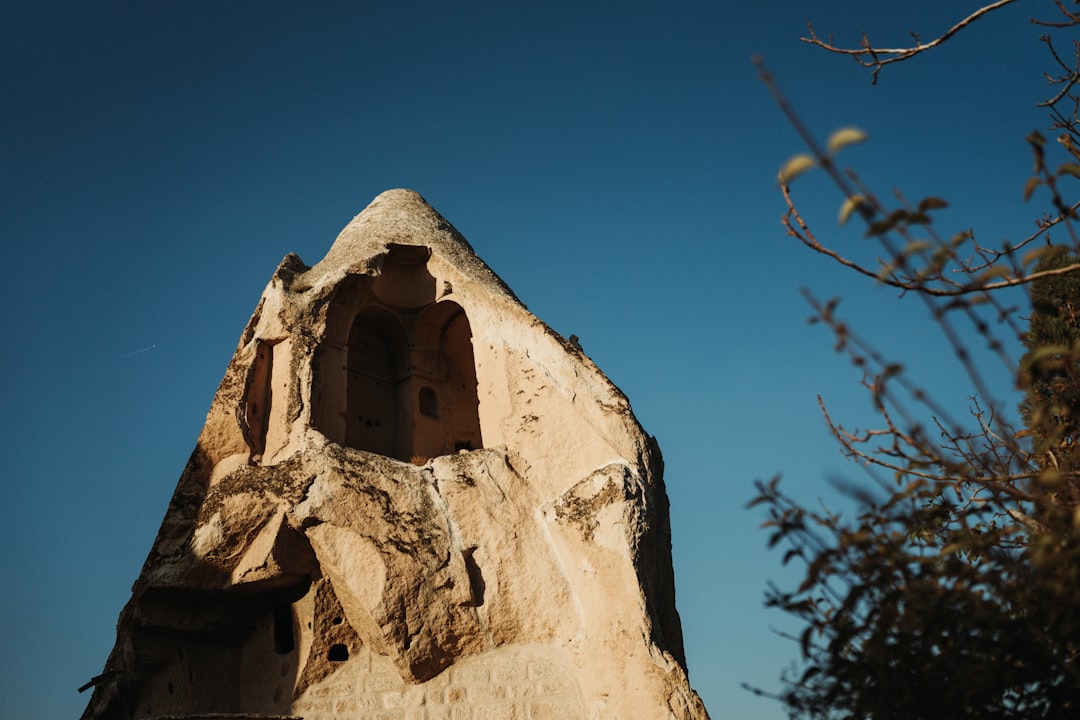
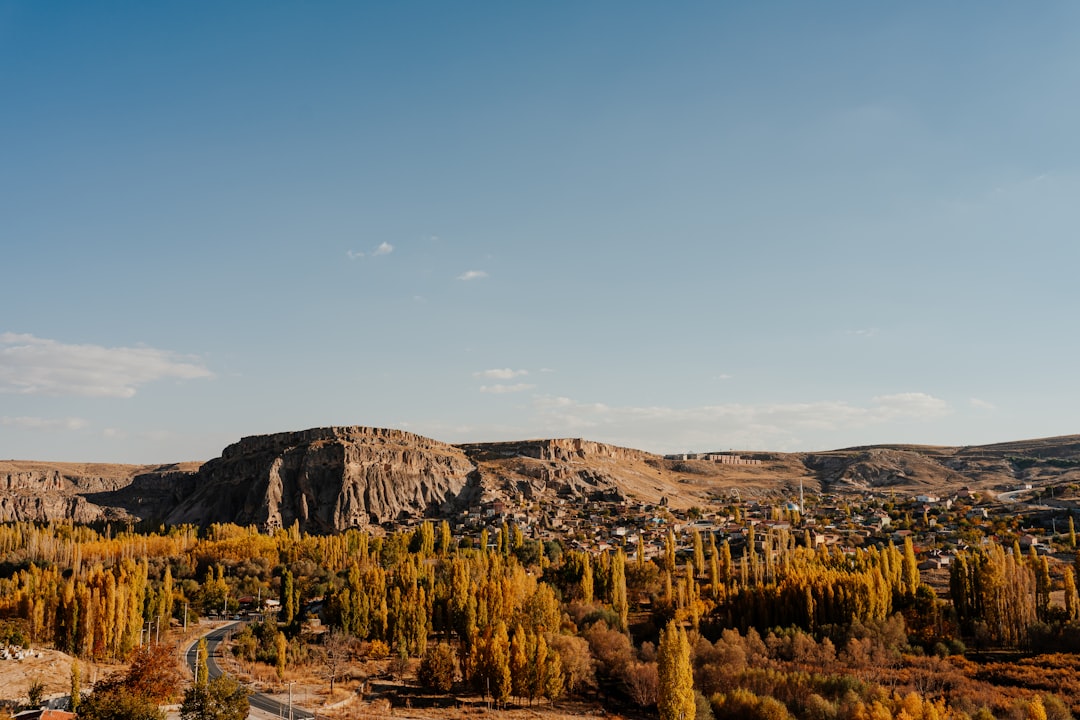
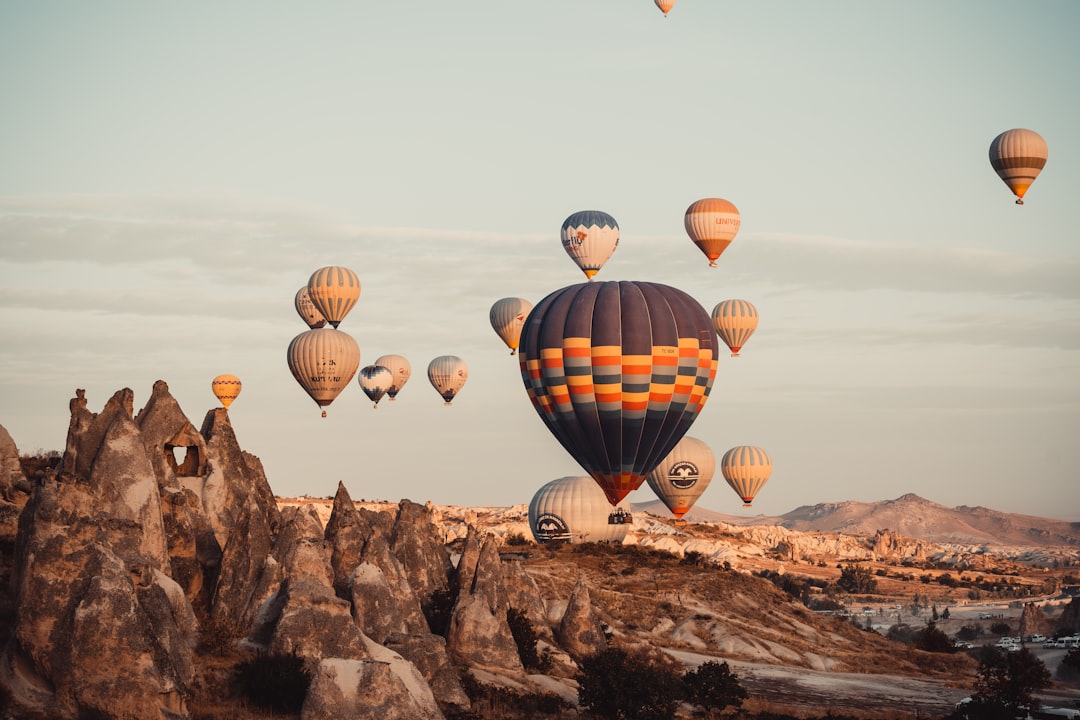
Cappadocia is famous for its fairy chimneys and volcanic rock formations — but every spring, nature adds another layer entirely. From late March through early May, the valleys and village gardens fill with blossom: almond, apricot, cherry, and wild plum trees explode into white and pale pink, draping the same rugged cliffs that make this landscape so iconic. If you've only ever seen Cappadocia in summer photographs, seeing it in blossom season feels like discovering a different place altogether.
Spring is also one of the quietest and most rewarding times to visit. Crowds are thinner than July and August, prices are lower, and the light — soft and golden with a hint of morning mist — is a photographer's dream. Here's how to experience Cappadocia's blossom season at its best.
When Do Blossoms Peak in Cappadocia?
The blossom season in Cappadocia unfolds in waves, with different trees flowering at different points across spring. Altitude plays a significant role — lower valleys like Ihlara bloom earlier, while higher village gardens may flower a week or two later. Here's a rough timeline:
- Late March: Almond trees are the first to flower, dusting the hillsides with delicate white clusters before their leaves have even appeared.
- Early April: Apricot orchards come into bloom, particularly vivid in Soğanlı Valley and around Mustafapaşa. This is often the most photogenic phase.
- Mid-April: Cherry and wild plum blossoms follow, overlapping with the tail end of apricot season for brief but spectacular combined colour.
- Late April into May: Wild flowers spread across valley floors — poppies, anemones, and rock roses join the show as blossom trees begin to fade.
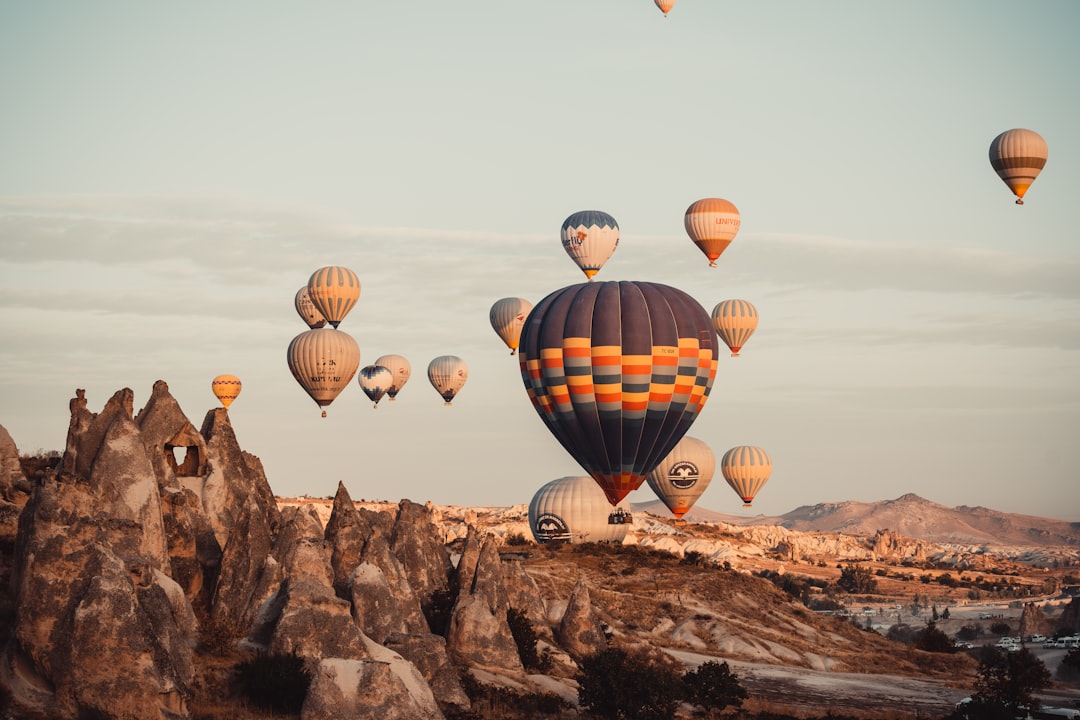
This timing also overlaps with the first hot air balloon flights of the spring season. Balloon operators typically resume regular morning flights in March, meaning you can watch dozens of colourful balloons rise over blossom-covered valleys — a combination that defines spring in Cappadocia.
Note that exact timing varies by year depending on winter temperatures and rainfall. A warm February can push blossoms two weeks earlier; a late frost can delay everything. If blossom is your primary reason for visiting, aim for the first two weeks of April as the safest window.
Where to See the Best Blossoms
Several valleys and villages stand out for blossom viewing, each offering a different character and walking experience.
- Rose Valley (Güllüdere): Named for the rose-coloured rock formations rather than roses themselves, the valley nevertheless fills with wild flowers and low flowering shrubs in spring. Walk early morning and the cliffs glow amber behind a foreground of white blooms.
- Ihlara Valley: The 14-kilometre river gorge that runs between Ihlara village and Selime monastery is lined with orchard trees that flower spectacularly in early April. The sound of water, the shade of blossoms overhead, and the Byzantine cave churches cut into the cliffs make this one of the most atmospheric spring walks in the region.
- Soğanlı Valley: More remote and less visited than Göreme-area valleys, Soğanlı is perhaps the classic blossom destination. The apricot orchards here are substantial, and the combination of stone-carved churches, traditional village life, and blossom makes it particularly rewarding for photography.
- Mustafapaşa (Sinasos): This beautifully preserved Ottoman-Greek village south of Ürgüp has ancient stone houses set among orchard gardens. Walking the village lanes in April, with blossom spilling over garden walls and swallows arriving for the season, is one of the quieter pleasures of spring Cappadocia.
- Göreme vineyards: The terraced vineyard plots on the hillsides around Göreme are surrounded by wild almond and fruit trees. In early spring the vines are bare and dormant, but the blossom around them is striking — and the views over Göreme Open-Air Museum as a backdrop are hard to beat.
Photography Tips for Blossom Season
Cappadocia in blossom is one of those landscapes that practically photographs itself — but a few techniques will help you bring back images that go beyond the obvious.
- Golden hour with balloons: The hour after sunrise is ideal. Balloons are still in the air as the light warms to gold, and the blossoms reflect soft orange. Position yourself in Rose Valley or on the ridge above Çavuşin for the widest balloon-over-blossom view.
- Wide angle for valley foreground: Use a wide lens to capture a blanket of blossom in the foreground with the volcanic rock formations behind. Ihlara gorge is particularly suited to this — the river bends let you frame blossoms, water, and canyon walls in a single shot.
- Macro for individual blooms: Each blossom variety has its own character. Almond flowers have a papery translucency; cherry blooms cluster densely. Get close with a macro lens or close-focus setting — the stamens and petals reward detail.
- Fog mornings in April: Spring mornings in April occasionally bring low mist rolling through the valleys. If you see it from your accommodation window, go immediately — fog burns off fast, and the combination of mist and blossom is fleeting and extraordinary.
Self-Guided Blossom Walks
The best way to experience Cappadocia's blossoms is on foot, at your own pace. The region's trail network is well-established and most routes are walkable without a guide.
- Rose Valley loop from Çavuşin or Göreme (3 hours): Start at Çavuşin village, descend into Rose Valley, and loop back via Güllüdere and Kızılçukur. The trail passes cave churches, volcanic columns, and in spring, scattered wild flowers and flowering shrubs throughout. Flat sections alternate with moderate climbs.
- Soğanlı Village path (half day): Drive or taxi to Soğanlı — about 35 km south of Göreme — then walk the valley floor trail through the apricot orchards and past the rock-cut churches. The return loop takes around three hours at a leisurely pace. Combine with a simple lunch at one of the village restaurants.
- Ihlara Gorge (full day, 14 km): Enter at Ihlara village and walk the full gorge to Selime, or do a shorter section in and back. The orchard trees are concentrated in the first few kilometres from Ihlara. Arrange transport at both ends, or taxi back from Selime.
For easy access between valleys during blossom season, use the Cappadocia taxi price calculator to plan transfers between trailheads — distances between sites add up, and having a car or taxi reduces time spent doubling back.
What to bring on any blossom walk: sturdy walking shoes or trail runners (trails can be uneven and rocky), plenty of water (spring sun is deceptive — it warms quickly by midday), snacks or a packed lunch for the longer routes, and a light windproof layer for exposed ridgelines.
Combining Blossoms with Other Spring Activities
Blossom season coincides with several other reasons to be in Cappadocia in spring.
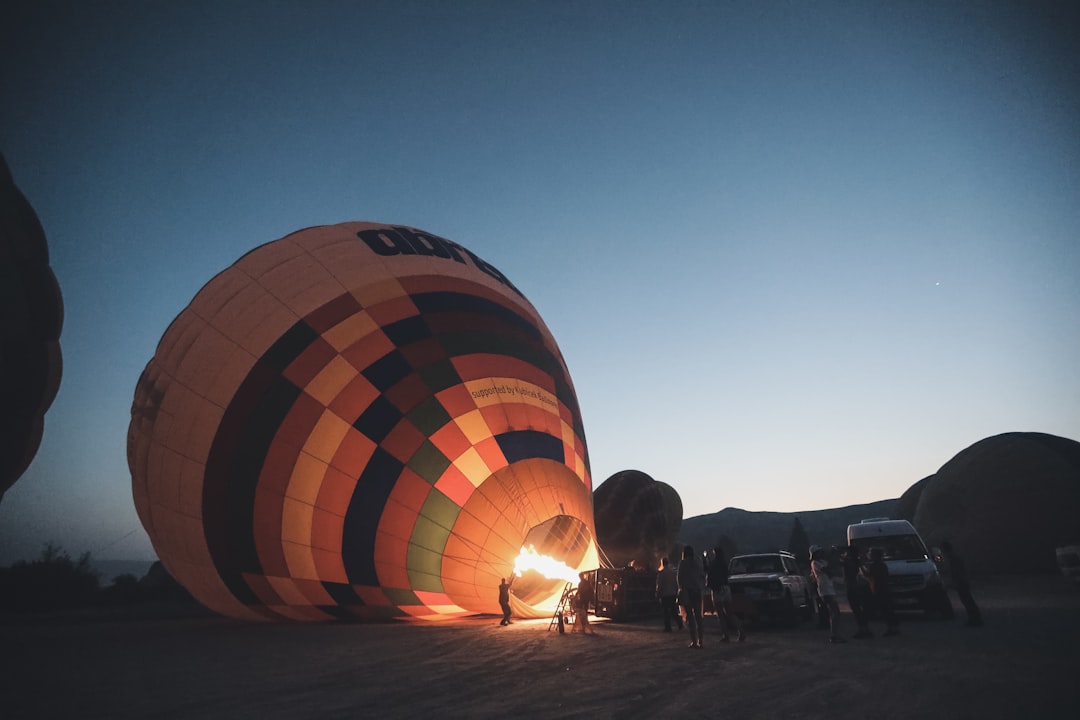
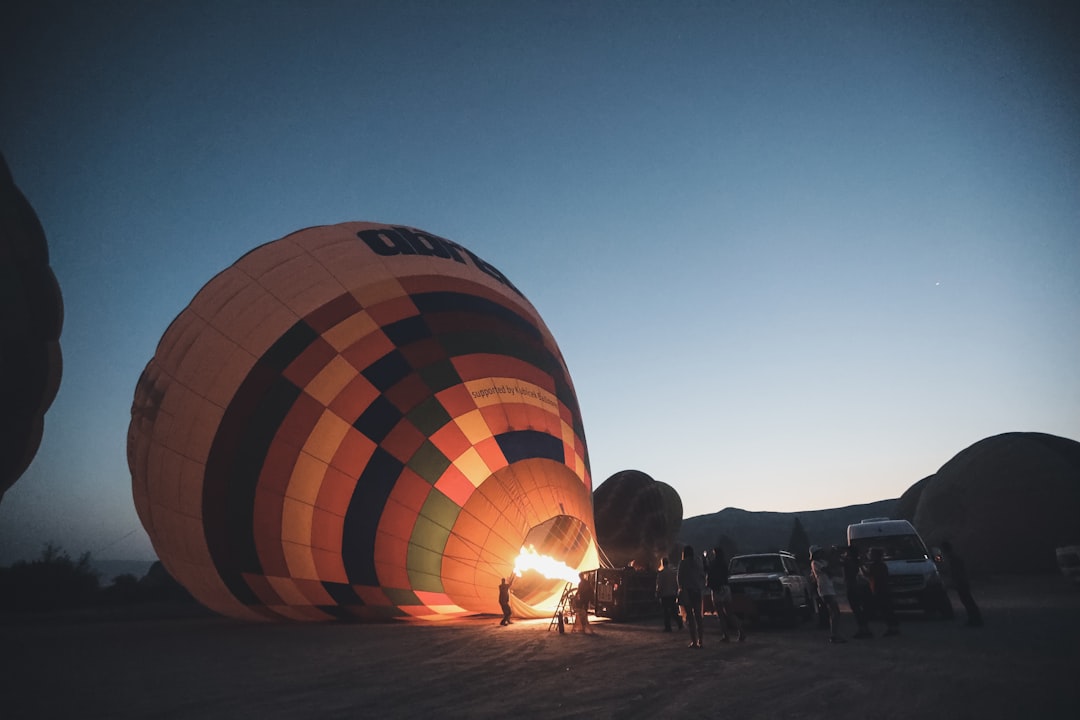
- Hot air balloon flights: March through May is the beginning of balloon season after the quieter winter months. Spring mornings are often clear and calm, and the light is exceptional. Watching the launch from a blossom-framed viewpoint is as memorable as being in the balloon itself.
- Nevruz and spring festivals: The Persian and Turkish new year (Nevruz) falls on 21 March and is celebrated across the region with outdoor gatherings. Local markets and village events come to life in the weeks around it.
- Wine region exploration: Cappadocia has a small but serious wine culture centred around Ürgüp and the Nevşehir plateau. Spring is when wineries and tasting rooms begin reopening after winter, and the vineyard landscapes look particularly striking with blossom trees alongside the still-dormant vines.
- Cappadox Festival (June): Slightly after peak blossom but worth noting — this annual music and arts festival takes place in the open landscape around Göreme every June and draws an eclectic crowd. If you're planning a longer spring trip, it's a natural end point.
Practical Tips for Spring Visits
- Shoulder season advantages: Spring is genuinely less crowded than summer. Popular viewpoints and trailheads that are overwhelmed in July are peaceful in April. Accommodation prices are also noticeably lower, and you'll get more personal attention from hosts.
- Layer up: Spring mornings in Cappadocia can be sharply cold — near freezing at dawn in March, and still below 10°C in early April. By afternoon the same day you may be in a t-shirt. Dress in layers you can shed as the day warms.
- Trail conditions after rain: April showers are real. Some valley trails — particularly the clay sections in Ihlara and Soğanlı — become genuinely muddy after rain. Lightweight gaiters are useful if the forecast shows recent precipitation. Avoid the valleys immediately after heavy rain; give it a day for paths to firm up.
- Timing your blossom window: Check local weather and temperature forecasts for the Nevşehir region in the weeks before your trip — a late frost or an early warm spell shifts everything. Local accommodation owners are often the best real-time source on where the blossoms are peaking on any given week.
Frequently Asked Questions
When exactly do cherry blossoms bloom in Cappadocia?
Cherry blossoms in Cappadocia typically peak in mid-April, usually between the 10th and 20th of the month. They follow almond (late March) and apricot (early April) in the seasonal sequence. Exact timing varies by a week or two depending on the year's temperatures — warmer winters push everything earlier, while late frosts can delay blooming into late April.
Can you self-drive to Soğanlı Valley?
Yes, Soğanlı Valley is accessible by car and is about a 35–40 minute drive south of Göreme via the D765 road. There's a small entrance fee to the archaeological site. The road is paved and straightforward. If you don't have a rental car, a taxi from Göreme or Ürgüp is the most practical option — use the Cappadocia taxi price calculator to check current fares before you go.
Is April a good month to visit Cappadocia overall?
April is one of the best months to visit Cappadocia. Blossom is at or near peak, balloon flights are running regularly, the landscape is green from spring rain, and crowds are significantly smaller than summer. The main trade-off is weather variability — expect a mix of sunny days and cooler, occasionally rainy spells. Pack layers and be flexible with your plans, and April rewards you with a Cappadocia that most summer visitors never see.