Turkish folklore is not museum culture — it is alive in Cappadocia's village squares, in the music played at harvest festivals, in the patterns woven into kilims, and in the stories told by grandmothers about the djinn hiding in the fairy chimneys. You do not need a cultural itinerary to find it. You need only to stay long enough, wander into a tea house, or sit near a village wedding. Anatolia has been layering tradition on tradition for ten thousand years, and in Cappadocia — where the stone itself holds memory — those layers rise to the surface effortlessly.
The Folk Music of Anatolia
At the heart of Turkish folk music sits the bağlama — also called the saz — a long-necked lute whose plucked tone carries across a courtyard and settles into stone walls with extraordinary warmth. Central Anatolian folk styles, the regional tradition that encompasses Cappadocia, lean on pentatonic scales and call-and-response structures between singer and instrument. A verse is sung, the bağlama answers, and the interplay becomes more conversation than performance.
The Alevi tradition takes music further still, treating it as religious practice. In Alevi cem ceremonies the bağlama is not entertainment — it is prayer. The Hacıbektaş district, roughly 100 kilometres northwest of Göreme, is the most sacred Alevi site in Turkey and hosts a significant annual festival each August where live folk music runs day and night. In Cappadocia proper, summer brings folk music evenings to cave restaurants — look for a saz player listed in the evening programme. What to listen for: the minor modal colour, the drive of odd time signatures, and a vocal style that favours emotional directness over ornamentation.
Whirling Dervishes and Sufi Practice
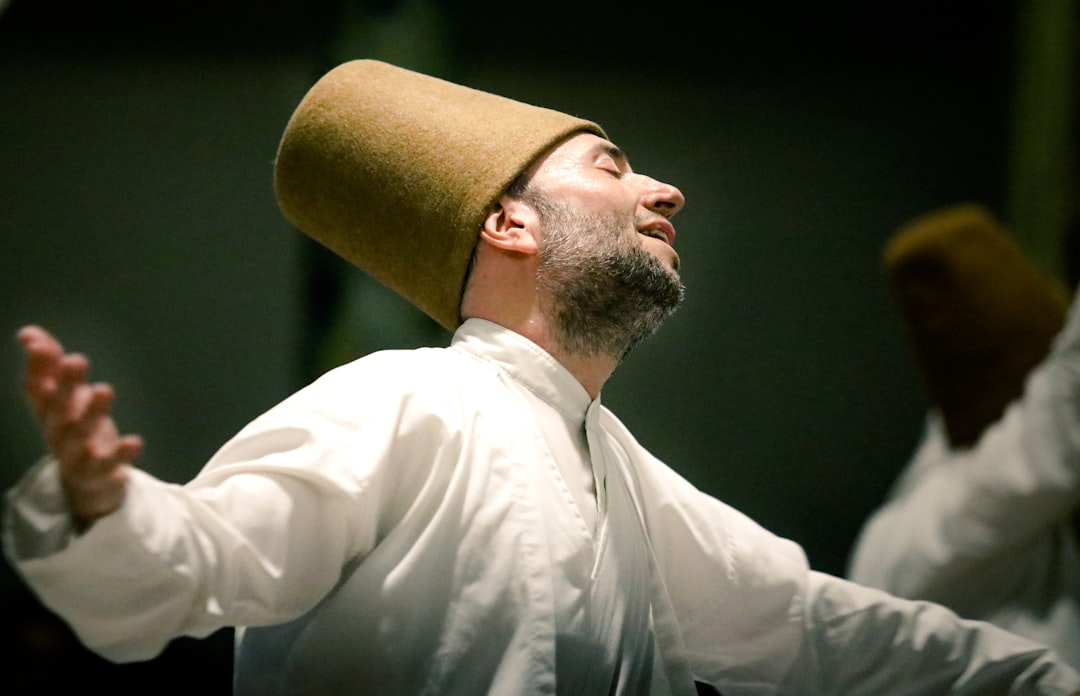
The Sema ceremony is the whirling ritual of the Mevlevi Sufi order, founded in Konya — approximately 120 kilometres south of Cappadocia — by the followers of the 13th-century mystic Rumi (Mevlana). The whirling itself is not a dance. Arms extended, right palm upward receiving divine grace and left palm downward channelling it to earth, practitioners describe it as a dissolution of the self into the divine. The white robes represent a burial shroud; the tall felt hat, a tombstone.
Attending respectfully means arriving on time, sitting quietly, and keeping phones down during the ceremony. Sema ceremonies in Konya are performed weekly at the Mevlana Cultural Centre. Shorter performances can be found at cultural venues in Göreme and Ürgüp during the tourist season — ask your accommodation which venues present the full ritual rather than an abbreviated stage show. The full Konya experience is worth the day trip.
The Evil Eye — Turkey's Most Famous Charm
The nazar boncuğu — the blue glass evil eye bead — hangs above doorways, is pinned to babies' clothes, dangles from car mirrors, and is woven into kilims across every corner of Turkey. The belief is ancient: a jealous or envious stare — even an unconscious one — can transmit misfortune. The blue glass eye deflects that gaze, absorbing the negative energy before it reaches its target.
In Cappadocia, handmade nazar beads are still produced in artisan workshops in Avanos and Ürgüp. The process involves melting coloured glass rods over an open flame and layering concentric rings — dark blue, lighter blue, white, dark pupil — while the glass is malleable. Handmade pieces carry subtle irregularities that mass-produced imports do not. If you are buying one to take home, look for slight variations in symmetry: they are the mark of a human hand, and they matter.
Henna Night — the Pre-Wedding Ritual
Kına gecesi — henna night — is the evening before a Turkish wedding, and it is among the most tender rituals in Anatolian folk tradition. The bride's female relatives gather to apply henna to her hands, to sing traditional songs, and to mark the transition from girl to wife with ceremony that carries real emotional weight. There is structured, expected crying; older women bless the bride while songs speak of leaving one's family home. The groom is absent. This is a women's space, and its intimacy is unlike anything you will encounter in a cultural programme.
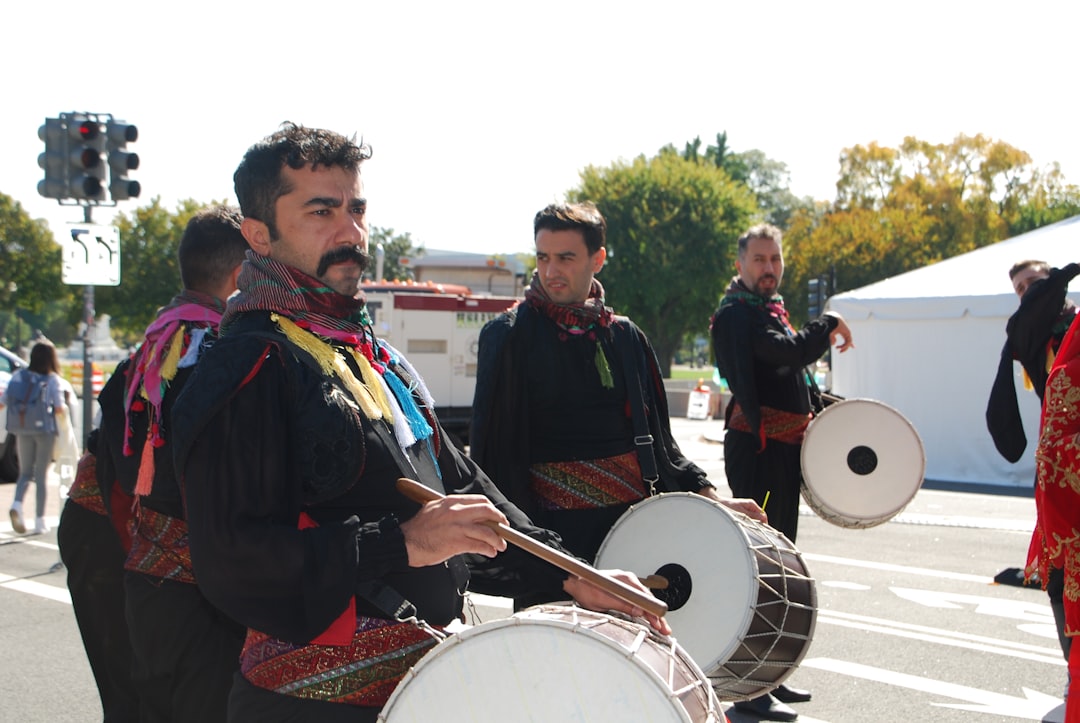
If you are staying in a village during wedding season — typically spring and autumn — there is a reasonable chance you will hear the distinctive rhythmic music of a henna night from a nearby house. The sound of a davul drum and zurna pipe is unmistakable. Village weddings in Cappadocia are famously welcoming; it is entirely acceptable to approach, watch from a respectful distance, and respond warmly if invited in.
Folk Dance — Horon, Halay, and Zeybek
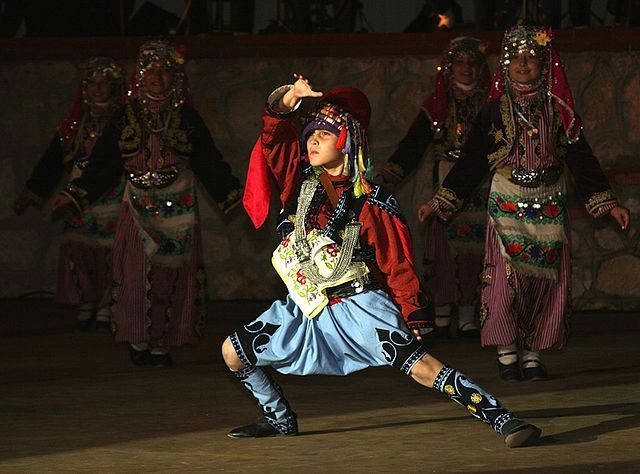
Turkey's folk dances are regional in character and intensely social in function. The halay is the dance of Central Anatolia — a line or circle dance in which participants link hands and move in coordinated patterns that range from slow and dignified to rapid and exuberant. It is the dance you are most likely to encounter in Cappadocia, appearing spontaneously at weddings, harvest celebrations, and national holidays. No invitation is needed: someone will grab your hand and pull you into the line.
- Halay: Central Anatolian line/circle dance — the one you will see in Cappadocia at almost any village celebration
- Zeybek: Slow, deliberate warrior dance from the southwest Aegean; symbolises heroism and is performed solo or in small groups
- Horon: The rapid-footed dance of the Black Sea region, danced in tight lines with vibrating shoulder movements — extraordinary to witness
Oral Tradition — Legends, Riddles, and Minstrels
The âşık — 'the one in love' — is a wandering folk poet and singer whose tradition stretches back centuries in Anatolia. Âşıklar improvise verse, accompany themselves on the bağlama, and historically carried news, love poetry, and social commentary between villages. The âşık contest — two poets improvising verses in response to each other, judged on wit and metre — is a form of intellectual combat that can last hours and draw listeners who appreciate the finest points of prosody.
Alongside the âşık tradition runs a rich oral culture of riddles, proverbs, and folk tales. The fairy chimneys of Cappadocia carry their own body of legend — we explore those in our separate guide to Cappadocian myths and legends — but the broader Anatolian oral tradition encompasses everything from cautionary tales about greedy merchants to stories about the origins of fire. The best place to encounter this living tradition is in a village tea house (çay evi), sitting quietly long enough that conversation eventually finds you.
Where to Experience Folklore in Cappadocia
- Cave restaurant folk evenings (summer): Several restaurants in Göreme and Ürgüp programme live saz evenings during peak season — check what is actually advertised on the night
- Hacıbektaş (100km northwest): The Alevi pilgrimage town hosts the Hacı Bektaş Veli Commemoration Festival each August — live folk music, semah ritual movement, and a rare window into a distinct religious-folk tradition
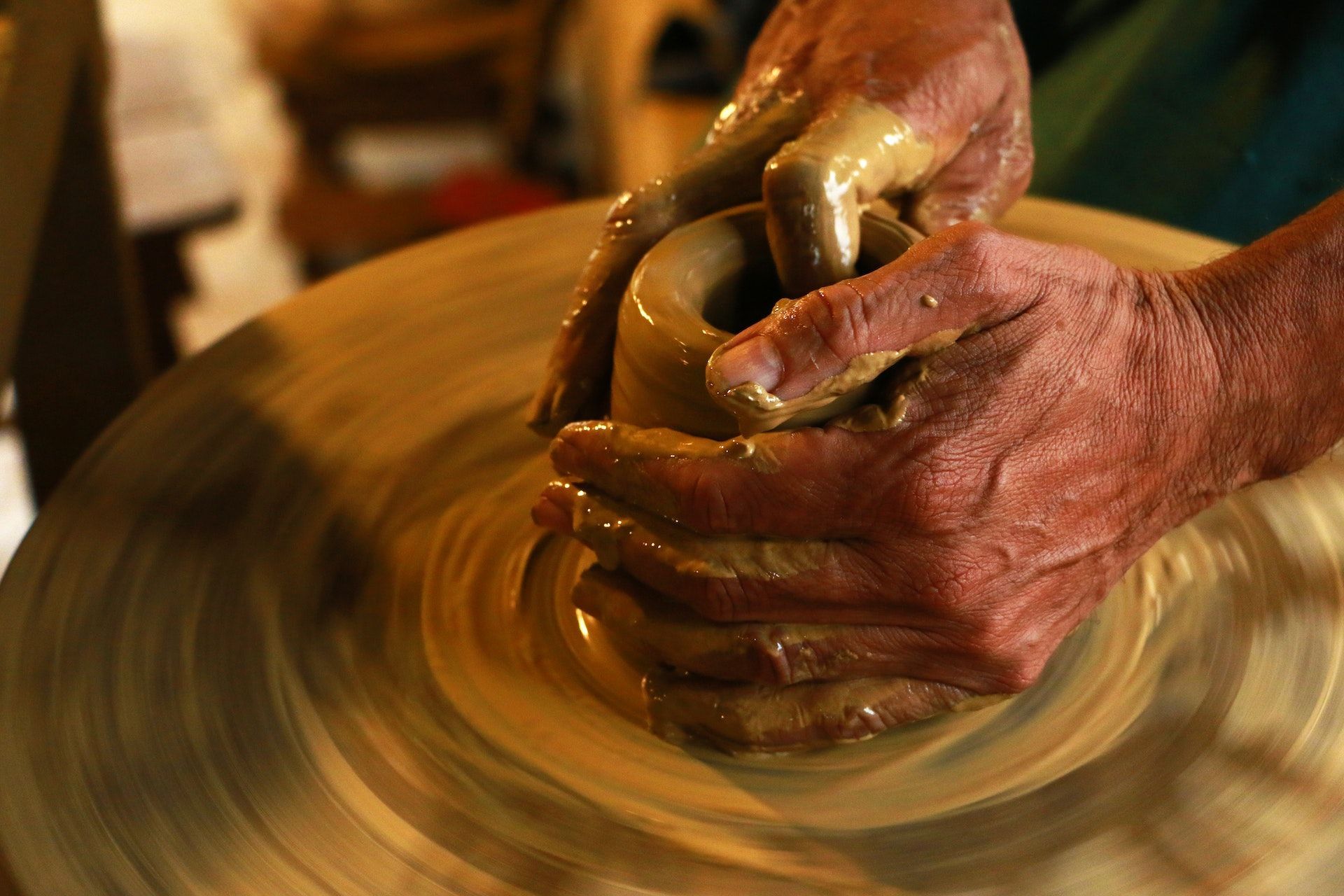
- Avanos potters: Avanos has been a centre of red-clay pottery for thousands of years; several workshops welcome visitors to watch the wheel — participation in one of Anatolia's oldest living crafts
- Ürgüp Saturday market: A working market where local villagers buy and sell produce; the food, the haggling, and the social rituals are folk culture in motion
- Village weddings: If your timing aligns with spring or autumn wedding season, ask your host — polite outsiders are typically welcomed warmly
Getting between these scattered sites takes planning. Hacıbektaş, Avanos, Ürgüp, and Konya each sit at different distances. Explore folklore sites across the Cappadocia region — use the Cappadocia taxi price calculator to get between towns without the uncertainty of unknown fares.
Frequently Asked Questions
What is the nazar boncuğu and why do people use it?
The nazar boncuğu is a blue glass bead designed to resemble an eye, used across Turkey as protection against 'nazar' — the belief that a jealous or envious stare can transmit misfortune. People hang nazar beads above doorways, pin them to babies' clothes, and wear them as jewellery. In Cappadocia, handmade versions are produced by artisans in Avanos and Ürgüp; look for slight irregularities in the concentric rings as a sign of genuine hand craftsmanship.
Can tourists attend a whirling dervish Sema ceremony?
Yes — Sema ceremonies are open to respectful outside observers. In Konya, the Mevlana Cultural Centre holds weekly ceremonies in the most authentic setting, roughly 120 kilometres from Cappadocia. In Göreme and Ürgüp, cultural venues offer Sema performances during the tourist season, though quality varies. Attend understanding that the whirling is a form of moving prayer: arrive on time, sit quietly, avoid flash photography, and do not applaud mid-ceremony.
Where can I see Turkish folk dancing in Cappadocia?
The halay — Central Anatolia's line and circle dance — appears spontaneously at village weddings, engagement parties, and any significant local celebration. Some cave restaurants include folk dance performances in their evening programmes during summer. The most genuine experiences are unscheduled: if you are near a village event and hear the beat of a davul drum, follow the sound. You may find yourself pulled into the line before you have had time to think.