Traditional Turkish jewelry is best bought from established, fixed-premises shops and craft workshops rather than street stalls, and a fair price comes from knowing the metal, the workmanship and the day's gold rate before you bargain. In Cappadocia you will find silver filigree, hand-set turquoise, copper pieces and the famous blue evil-eye (nazar boncuğu) sold in Göreme, Ürgüp, Avanos and Uçhisar — often made on-site by the same families who run the shop.
Turkey has a long and rich history of jewelry-making that stretches back through the Ottoman Empire to ancient Anatolia. Many of those techniques — filigree wirework, granulation, repoussé and stone-setting — are still practised by hand today, and central Anatolia has its own craft identity built around silver, copper and the pottery town of Avanos. If you are also browsing ceramics and other crafts, our Avanos pottery tradition guide covers the same artisan quarter where many jewellers work.
Types of Traditional Turkish Jewelry
Ottoman-style gold jewelry
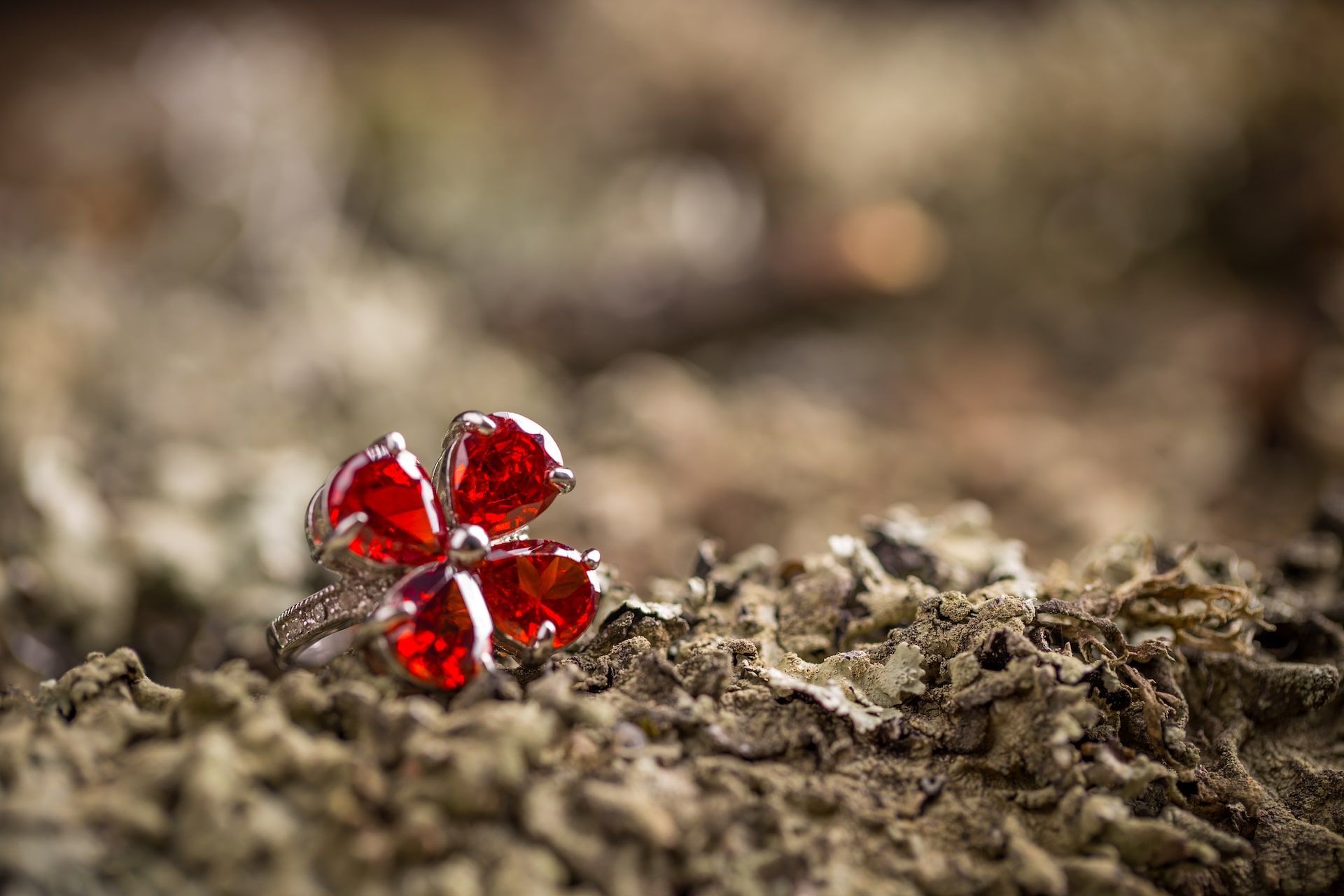
Ottoman-style pieces are characterised by yellow gold, seed pearls and coloured stones set into dense, ornate patterns inspired by tile and textile motifs. Expect higher prices here: value tracks the gold weight (sold by the gram against the live market rate) plus a making charge for the labour. In Cappadocia the best Ottoman-style work is found in dedicated jewellers in Ürgüp and Göreme rather than souvenir shops; Istanbul's Grand Bazaar carries the widest selection if you continue your trip there.
Silver and filigree (telkari)
Silver is the backbone of Anatolian jewelry and the easiest authentic buy. Look for filigree — known locally as telkari — in which fine silver wires are twisted and soldered into lace-like designs for earrings, pendants and rings. Genuine sterling silver is stamped 925; ask to see the hallmark and feel the weight, as hollow or plated pieces feel suspiciously light. Silver is often combined with turquoise, agate or zultanite, a colour-change stone mined in Turkey.
Evil-eye (nazar boncuğu) charms
The blue-and-white evil eye is the country's most recognisable symbol, believed to deflect bad luck and envy. It appears as bracelets, necklaces, keyrings, wall hangings and earrings. The traditional version is hand-blown glass, not moulded plastic — hold it to the light to check for the slight irregularities of real glass. These make inexpensive, genuinely local gifts and are sold everywhere in the Cappadocian valleys.
Copper and statement pieces
Copper has a deep history in central Anatolia and appears as cuffs, bangles and bold statement bracelets, sometimes engraved or tinned. Avanos and the Ürgüp craft streets are good hunting grounds. Copper is affordable, so it is a low-risk way to take home genuine hand-work; just check that clasps and joins are solid.
How to Buy Authentic Jewelry (and Not Overpay)
A little homework changes a stressful purchase into an enjoyable one. Use this checklist before you hand over any cash:
- Shop at fixed-premises stores and workshops, not pop-up street vendors — quality and recourse vary wildly with the latter.
- Check the hallmark: real sterling silver is stamped 925; gold is 14k (585), 18k (750) or 22k (916). No stamp, no deal.
- Know the day's gold rate. Gold jewelry is priced by gram weight against the live market rate, plus a making charge — ask for both figures separately.
- Weigh it in your hand. Plated or hollow fakes feel far lighter than solid silver or copper of the same size.
- Haggling is normal in markets and souvenir shops, but not in fixed-price gold jewellers — read the room and stay friendly.
- Ask whether the piece was made on-site. Many Cappadocia workshops let you watch filigree or stone-setting, which is the surest sign it is genuine.
- Keep the receipt for anything valuable — useful for customs and for any later valuation back home.
Where to Buy in Cappadocia
You do not need to go to Istanbul to find authentic work. The main Cappadocian towns each have their own character:
- Avanos — the craft capital on the Red River, best for copper, silver and pieces sold alongside its famous pottery. Combine it with the Avanos pottery workshops.
- Göreme — the most tourist-facing town, with plenty of silver, filigree and evil-eye charms a short walk from the Göreme Open-Air Museum (entry €20).
- Ürgüp — a more upmarket scene with established jewellers for Ottoman-style gold and finer silver.
- Uçhisar — boutique shops clustered near Uçhisar Castle (€9), good for browsing with a view.
Most workshops are walkable within each town, but moving between towns is easiest by car or taxi. For a current fare between, say, your hotel and Avanos, use the live Cappadocia taxi price calculator rather than relying on a quoted flat rate. While you are planning shopping days, our practical travel tips for Cappadocia cover cash, cards and bargaining etiquette, and the photography guide is handy if you want shots of the artisan workshops.
Frequently Asked Questions
How can I tell if Turkish silver jewelry is real?
Look for the 925 hallmark stamped on the piece, feel its weight (solid silver is noticeably heavier than plated metal), and buy from a fixed shop that can show you the stamp and, ideally, the workshop. Filigree that is genuinely hand-made will have tiny, slightly irregular soldered joins rather than perfectly uniform casting.
Is it OK to haggle when buying jewelry in Cappadocia?
Yes, in markets, souvenir shops and for silver and copper, polite bargaining is expected — start friendly and be willing to walk away. For fixed-price gold jewellers, prices are tied to the gram weight and the live gold rate, so there is far less room to negotiate beyond the making charge.
What is an evil-eye charm and is it a good souvenir?
The evil eye, or nazar boncuğu, is a blue-and-white glass amulet thought to ward off bad luck. Traditional ones are hand-blown glass, making them an inexpensive, authentic and lightweight gift. Check for the small imperfections of real glass to avoid moulded plastic versions.
Where is the best place to buy jewelry in Cappadocia?
Avanos is the traditional craft hub for silver and copper, Ürgüp is best for finer Ottoman-style gold, and Göreme and Uçhisar are convenient for evil-eye charms and everyday silver while sightseeing. Watching a piece being made on-site is the surest way to know it is authentic.
Whether you splurge on a one-of-a-kind filigree piece or pick up a handful of evil-eye charms for friends, Cappadocia is a rewarding place to buy traditional Turkish jewelry. Shop with a little knowledge of metal, hallmark and price, and you will come home with a genuine, well-made treasure rather than a mass-market souvenir.