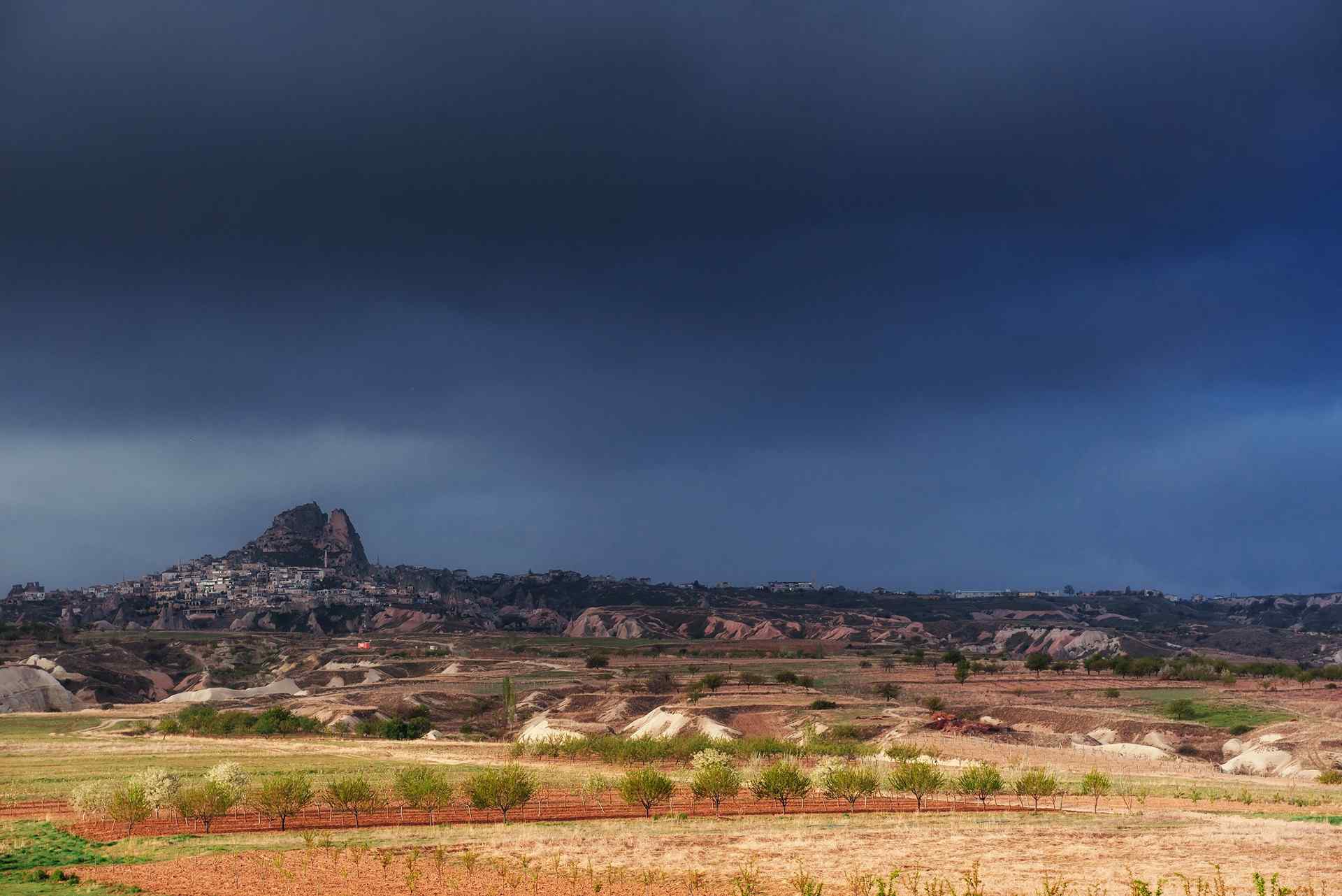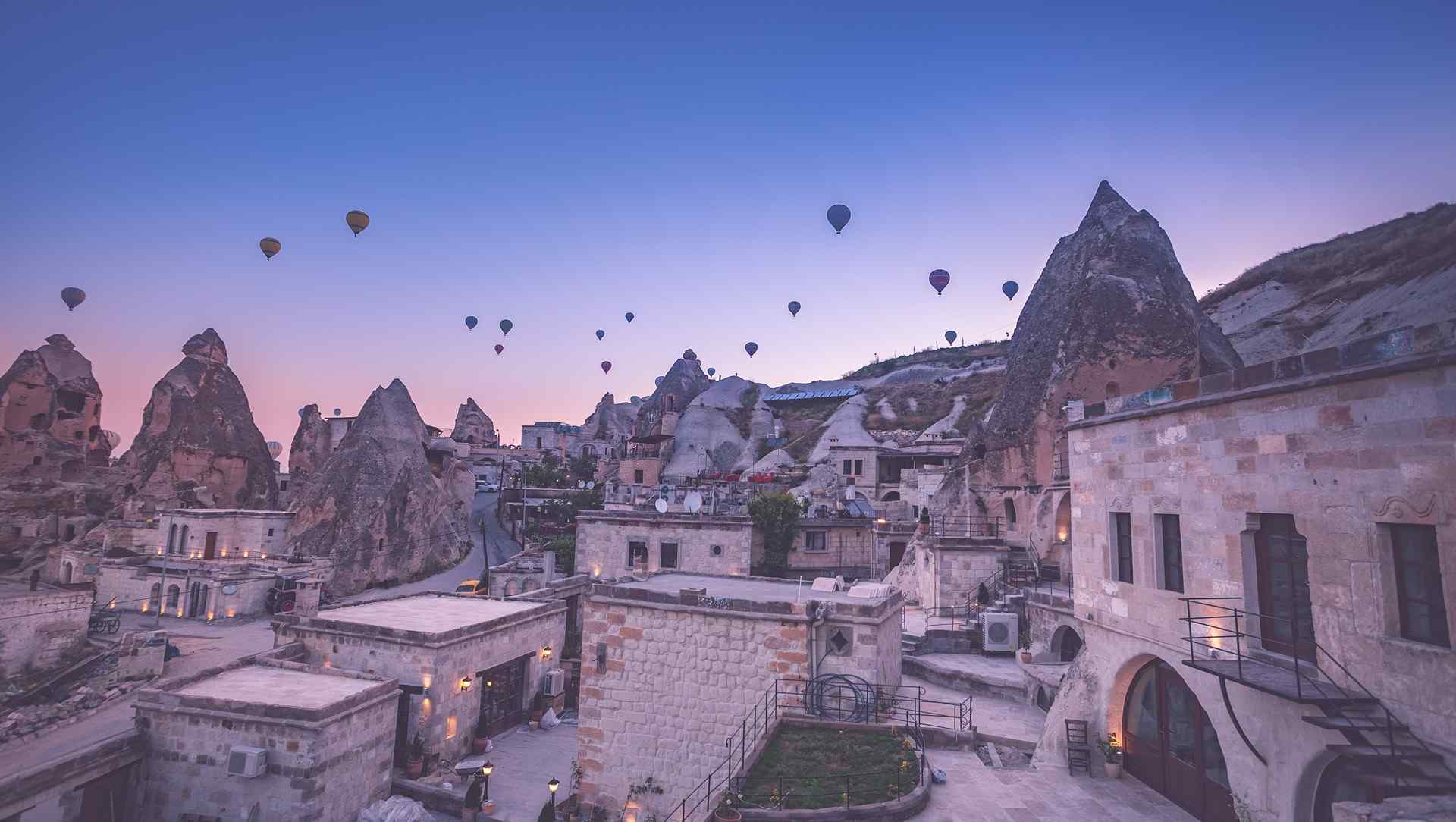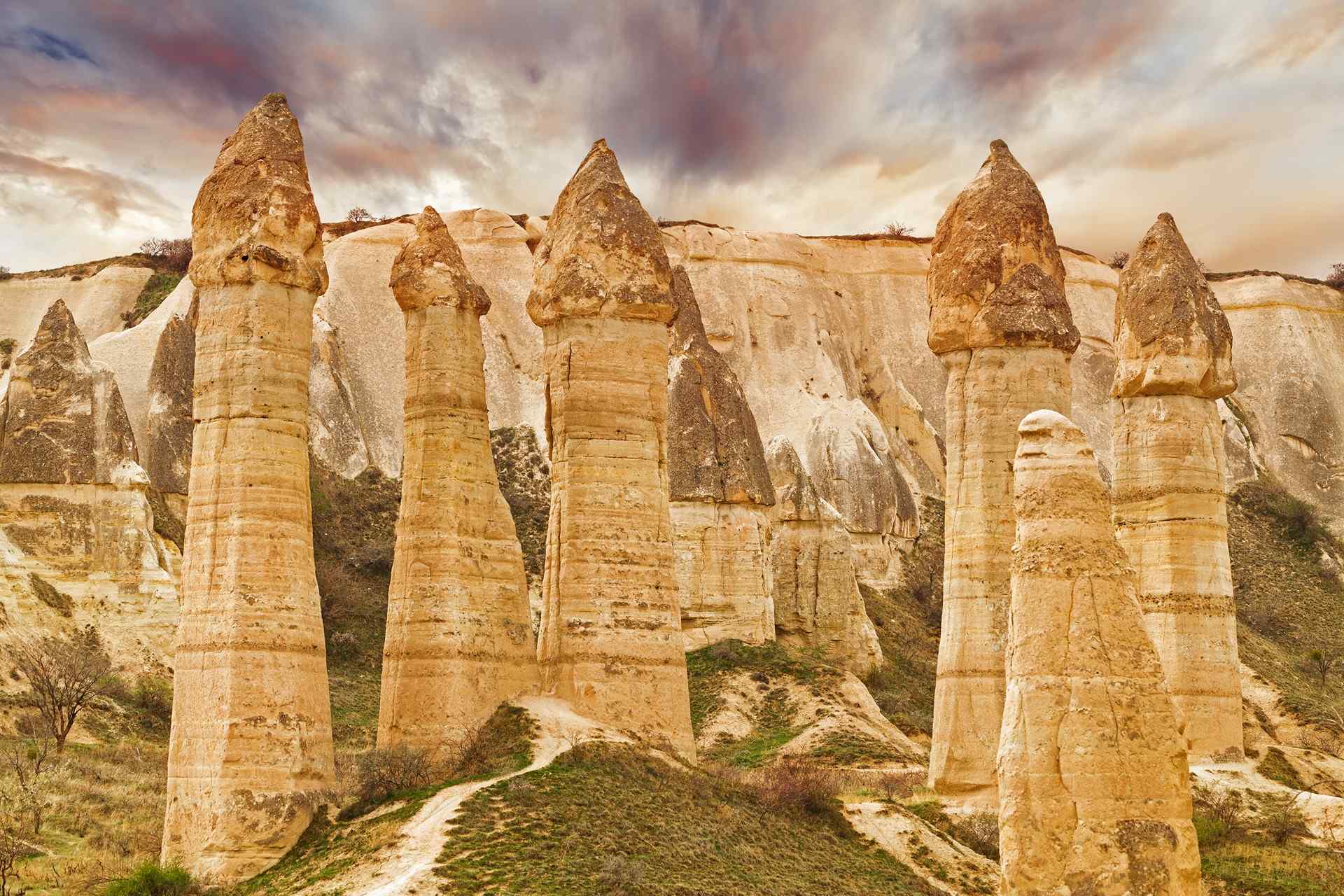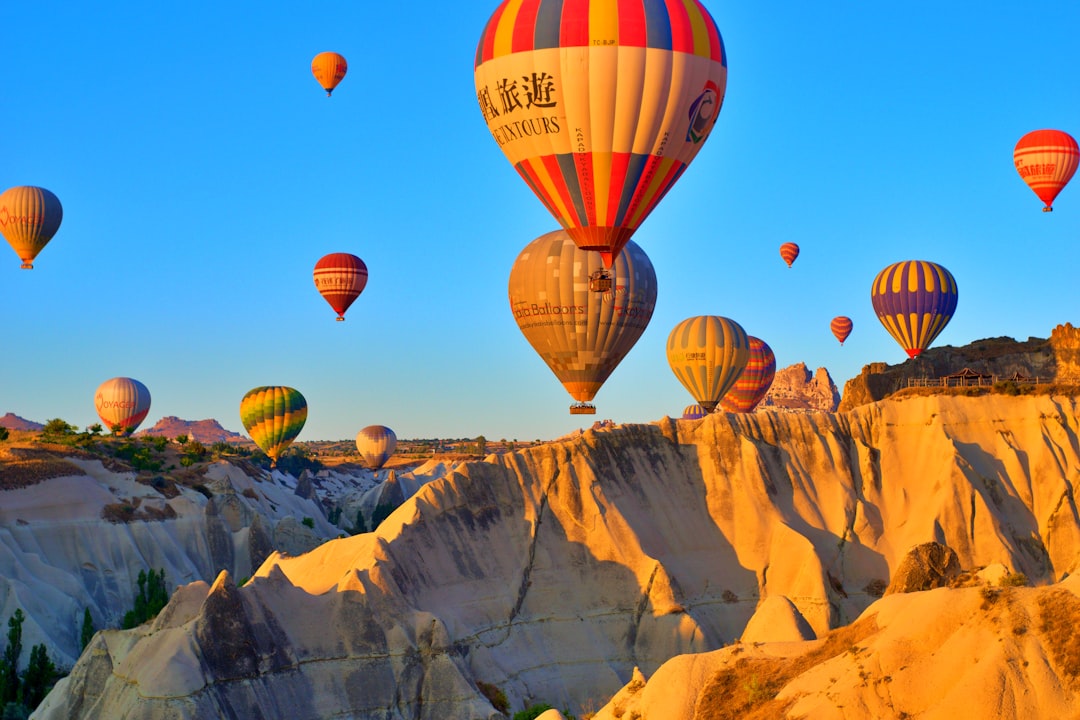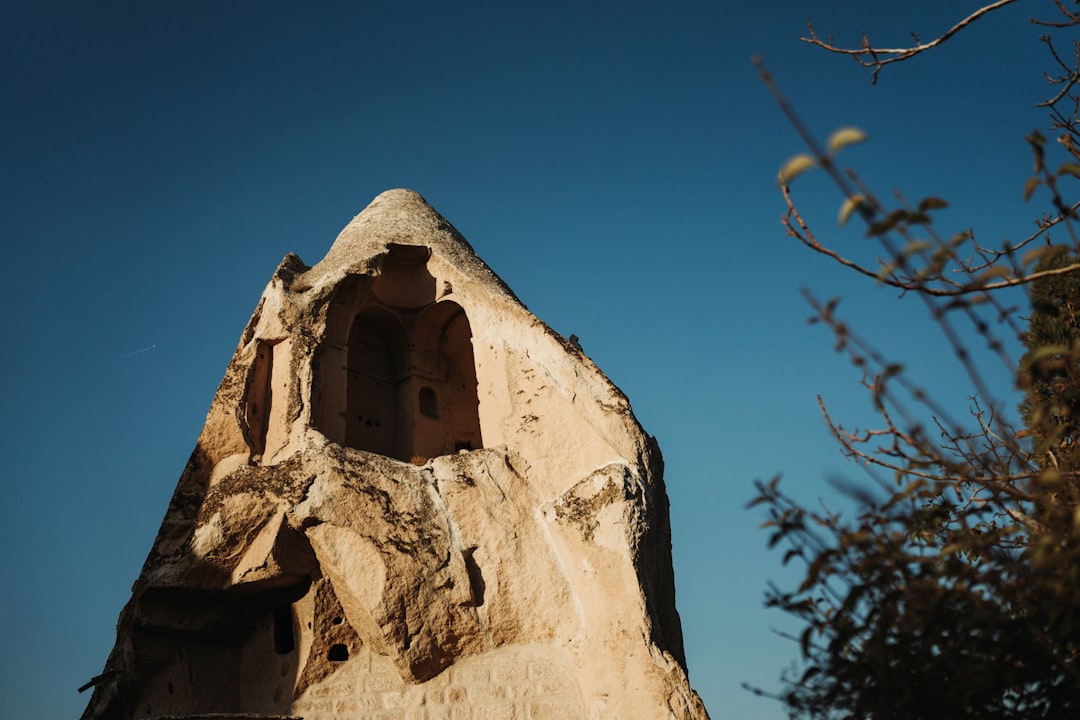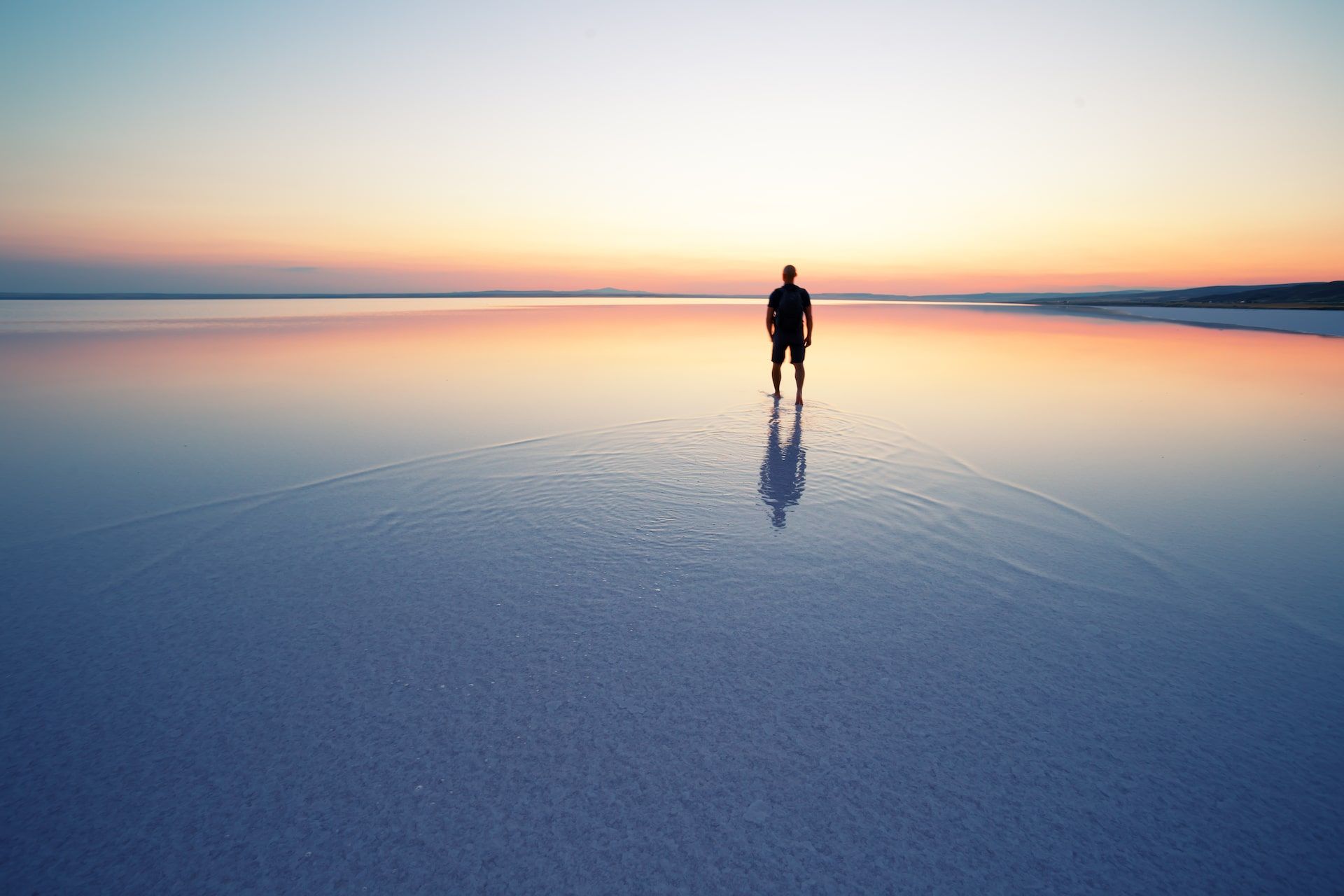
Cappadocia earns its fame through volcanic spires, underground cities, and balloons drifting above rose-coloured valleys at dawn. But within a two-hour drive northwest of Göreme lies a completely different kind of spectacle — one that most visitors miss entirely. Tuz Gölü, Turkey's great salt lake, stretches across 1,500 square kilometres of central Anatolia like a blinding white mirror. In summer, pink-blooming algae transforms its surface into something that looks more like Mars than Turkey. And every spring, tens of thousands of Greater Flamingos arrive to nest, turning the shallows pink with living birds long before the algae even appears. If you are planning a week in Cappadocia, this is the day trip that will surprise you most.
Tuz Gölü — Turkey's Great Salt Lake
Tuz Gölü — literally 'Salt Lake' in Turkish — is the second-largest lake in Turkey, sitting in a closed basin with no river outlet to drain it. Rainfall and snowmelt flow in; nothing flows out. Over millennia, dissolved minerals have accumulated until the water reaches a salinity of 25 to 33 percent — saltier than most seas and nearly as concentrated as the Dead Sea. The lake itself is extraordinarily shallow, rarely exceeding half a metre to one metre in depth even after winter rains. In summer, large sections dry out entirely, leaving behind a thick white crust of pure sodium chloride.
This salt crust fed the Ottoman Empire for centuries. Salt harvested here was packed overland to Istanbul and traded across the Levant, making Tuz Gölü one of the most strategically important lakes in Anatolia. Today the lake is protected as a Ramsar wetland, recognised internationally for its ecological importance — particularly as a breeding ground for flamingos. The salt is still harvested commercially from the southern shallows, but the northern and central sections are now a conservation zone.
The Pink Lake Phenomenon
The dramatic pink colour that photographers chase is produced by Dunaliella salina, a halophilic microalgae that thrives in extremely high salinity conditions where almost nothing else can survive. As summer progresses and water levels drop, salinity concentrations rise. Dunaliella responds by producing high levels of beta-carotene — the same pigment that makes carrots orange — as a protective mechanism against intense UV radiation. The algae bloom in vast quantities, staining the lake surface from pale rose to vivid coral and deep red-orange.
The peak colour window runs from July through September, when water levels are at their lowest and algae concentrations are highest. Earlier in the season the lake tends to hold more water and appear white or pale grey. The best photographs come at sunrise, when low golden light amplifies the pink tones and the mirror-flat surface reflects both the sky and any flamingos still wading in the shallows. By midday the light is harsh and the colours wash out — arrive early and leave by ten in the morning if photography is your goal.
The Flamingos
Turkey hosts only one flamingo species: the Greater Flamingo (Phoenicopterus roseus), the largest of the six flamingo species worldwide. Tuz Gölü is their most important breeding site in the country, sometimes called 'Flamingo City' by birdwatchers. Over 10,000 flamingos nest here annually, building low mud cone nests in the shallows where predators struggle to reach them. The protected isolation of the salt flats is exactly what flamingos need.
The birds arrive from their wintering grounds in the Mediterranean and Middle East beginning in March. Nesting peaks between April and June, when the mud cones are easiest to spot from the lake's edge. Chicks hatch through June and July, and by August and September the young birds are fledging — learning to fly in ungainly, thrilling runs across the shallow water. The flamingos' famously pink plumage comes from carotenoid pigments in the brine shrimp (Artemia salina) and algae they filter from the water. A flamingo that cannot access this food source becomes white within a year.
By October, most flamingos have migrated south to warmer wetlands. The lake refills with autumn and winter rains, the salt crust softens, and the spectacle pauses until the following spring.
From Cappadocia to Tuz Gölü
The lake sits approximately 140 to 150 kilometres northwest of Göreme, making it a realistic day trip — but only with your own transport. The drive takes roughly 1.5 to 2 hours on well-maintained dual carriageways across the central Anatolian plateau. The road passes through the city of Aksaray before reaching the lake's eastern shores near Şereflikoçhisar, which is the most popular access point for visitors.
There is no reliable direct public transport from Cappadocia to Tuz Gölü. The easiest way from Cappadocia to Tuz Gölü is by private taxi — use the Cappadocia taxi price calculator for live fare estimates before you book. A rental car from Göreme or Nevşehir also works well, particularly if you plan to combine the lake with İhlara Valley on the same day.
What to Expect When You Arrive
Between May and September, the dried salt crust is firm enough to walk on in most areas near the lake's edge. The experience is sensory and strange — each step produces a satisfying crunch, the ground feels slightly hollow underfoot, and the white expanse disorients your sense of distance. The horizon blurs where salt crust, water shimmer, and sky meet.
- Footwear: Wear old shoes or sandals you do not mind ruining. Salt is highly corrosive to leather and stitching. Rinse footwear thoroughly afterwards.
- Sun protection: The salt surface reflects sunlight intensely. There is zero natural shade anywhere near the lake. Bring a hat, sunglasses, and strong sunscreen.
- Water: Pack more than you think you need. The landscape is arid and the nearest shops are in Şereflikoçhisar town.
- The smell: Near the waterline you will notice a faint sulphurous, briny odour — entirely natural and not unpleasant once you acclimatise.
- Flamingo distance: Nesting flamingos keep a considerable distance from the shore. Binoculars or a telephoto lens will give you a far better experience than approaching on foot.
The Best Season to Visit
- April–May: Flamingos have arrived and begun nesting. The lake holds winter water and appears white or pale. Temperatures are pleasant for walking.
- June–July: Peak flamingo population including adults and newly hatched chicks. The lake begins to pink as water levels drop. Early morning visits reward photographers.
- August: The lake is most vividly pink. Young flamingos are fledging. Heat is intense — arrive at or before sunrise.
- October–November: Flamingos have migrated south. The lake begins refilling. A quieter, more austere landscape.
- December–March: The lake is at its fullest — white, flat, and surreal in winter light. Flamingos are absent but the landscape has its own stark beauty.
Combining with Aksaray and İhlara Valley
The most satisfying way to structure a west-facing day trip from Cappadocia is to combine Tuz Gölü with two stops that sit naturally along the same route. Aksaray, a provincial city about 20 kilometres from the lake's eastern shore, has a fine Seljuk caravanserai (the Sultanhanı) just north of the city — one of the best-preserved on the old Silk Road and worth thirty minutes of your time.
From Aksaray, İhlara Valley is roughly 60 kilometres south — a dramatic river canyon lined with rock-carved Byzantine churches, very different in character from Göreme's open-air sites. The combination of Tuz Gölü at dawn, Sultanhanı at mid-morning, and İhlara for a late-morning walk and lunch fills a day completely. Return to Göreme via Derinkuyu or Kaymaklı underground city if you still have energy. This western loop is one of the best ways to understand the full breadth of central Anatolia beyond Cappadocia's tourist centre.
Frequently Asked Questions
When do flamingos arrive at Tuz Gölü?
Greater Flamingos typically arrive at Tuz Gölü from their Mediterranean wintering grounds beginning in March. Nesting is most active between April and June. Chick-rearing continues through July, and the young birds fledge in August and September. By October, most flamingos have migrated south, and the lake is largely empty of birds through winter.
Can you walk on the salt lake at Tuz Gölü?
Yes, between approximately May and September when the surface crust has dried out, you can walk on the salt near the lake's edge. The crust crunches underfoot and is generally firm. Wear shoes you do not mind ruining — salt is corrosive to leather and most footwear materials. Avoid the lake edges closest to standing water, where the crust can be thinner and softer.
How far is Tuz Gölü from Cappadocia?
Tuz Gölü is approximately 140 to 150 kilometres northwest of Göreme, about a 1.5 to 2-hour drive on well-maintained roads. The most common access point for visitors is near Şereflikoçhisar on the lake's eastern shore. There is no direct public transport — a private taxi or rental car is the practical option.