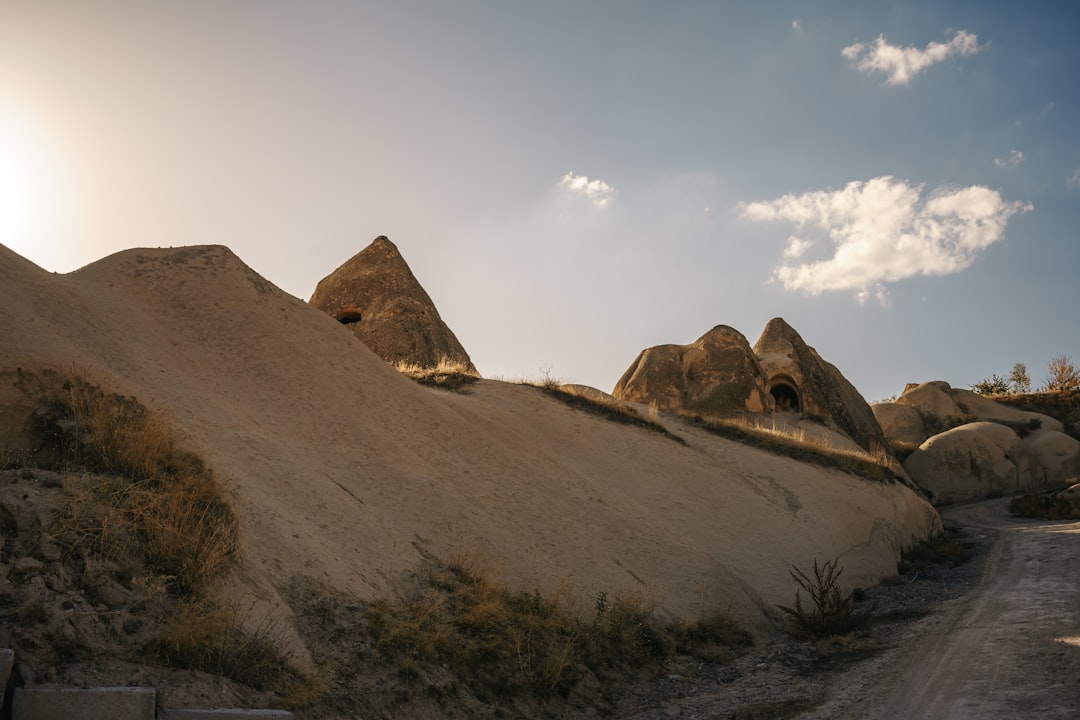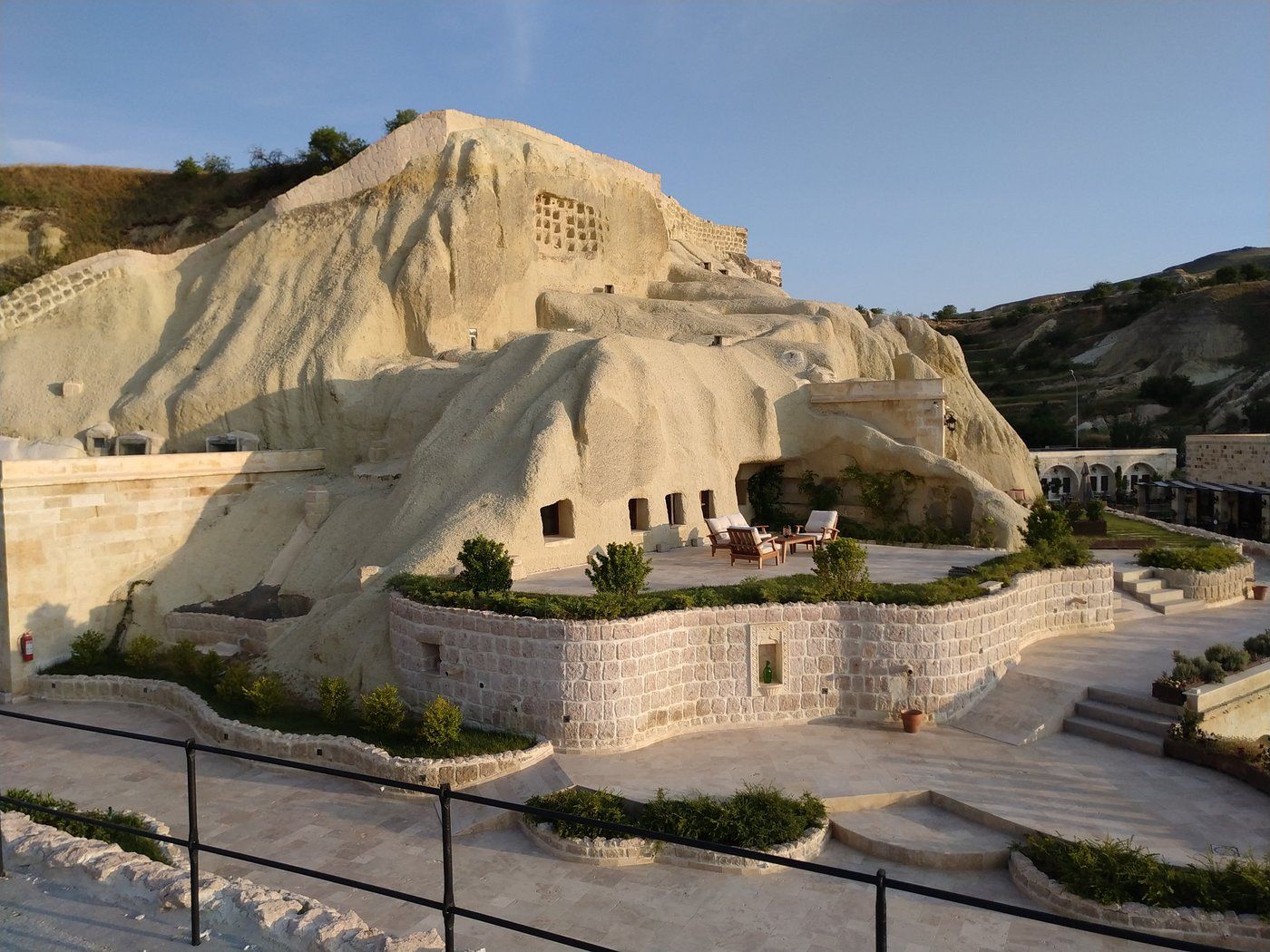

Mustafapaşa, historically known as Sinasos, is a preserved Cappadocian village roughly five kilometres south of Ürgüp. Its streets are lined with carved stone houses, churches, mosques and public buildings shaped by the communities that lived here. The village rewards slow exploration: allow a half day to walk the lanes, study the façades and pause in the square.
Mustafapaşa is best approached as a living village with exceptional architecture, not as a checklist attraction.
From Sinasos to Mustafapaşa
During the Ottoman period, Sinasos was home to a prosperous Greek Orthodox community alongside Muslim residents. Merchant families invested in elaborate houses, schools and churches, leaving a distinctive collection of nineteenth-century stone architecture. The compulsory population exchange between Greece and Türkiye in 1923 transformed the community, and the settlement later became known as Mustafapaşa.
The important point is continuity as well as loss: later residents reused and cared for many of the buildings instead of replacing the entire settlement. Today the village contains layers of Greek Orthodox, Ottoman Muslim and modern Turkish life within the same streetscape.
What to see on a village walk
Carved stone mansions
Begin around the central square and follow the side streets without rushing. Doorframes, lintels, balconies and window surrounds carry floral and geometric carving. Some houses now operate as hotels or cultural venues, while others remain private homes; admire them from public streets unless entry is clearly invited.
Look beyond the grandest façades. Changes in stone colour, blocked doorways and reused carved pieces reveal how houses evolved as families and uses changed. Covered passages and inward-looking courtyards also show how architecture balanced privacy, climate and street life.
Church of Saints Constantine and Helena
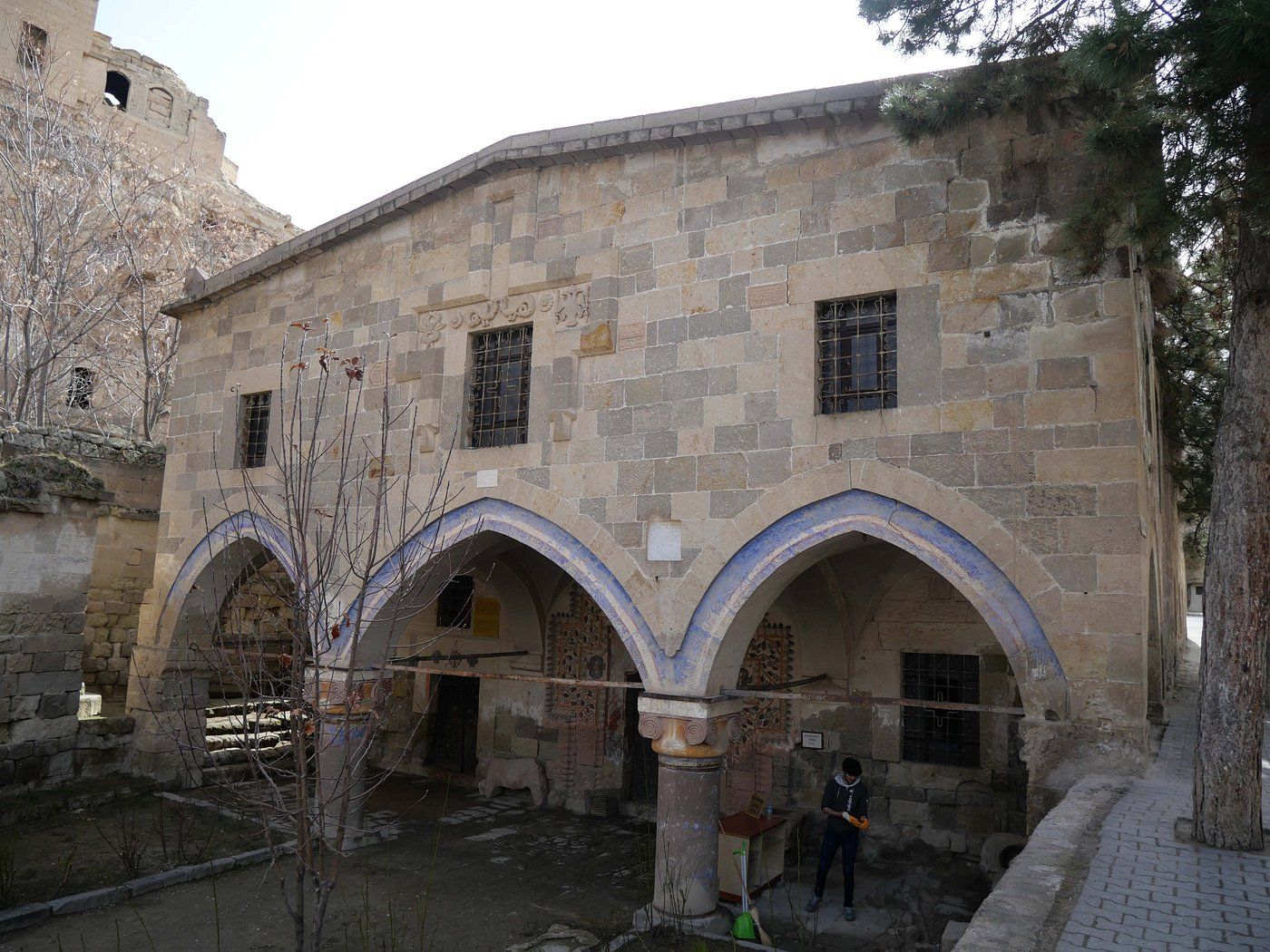
Near the centre, the Church of Saints Constantine and Helena is one of the village's most prominent monuments. Its stone façade and interior volume reflect the resources of historic Sinasos. Access can vary, so do not build a tight itinerary around a guaranteed opening time.
Rock-cut churches and monasteries
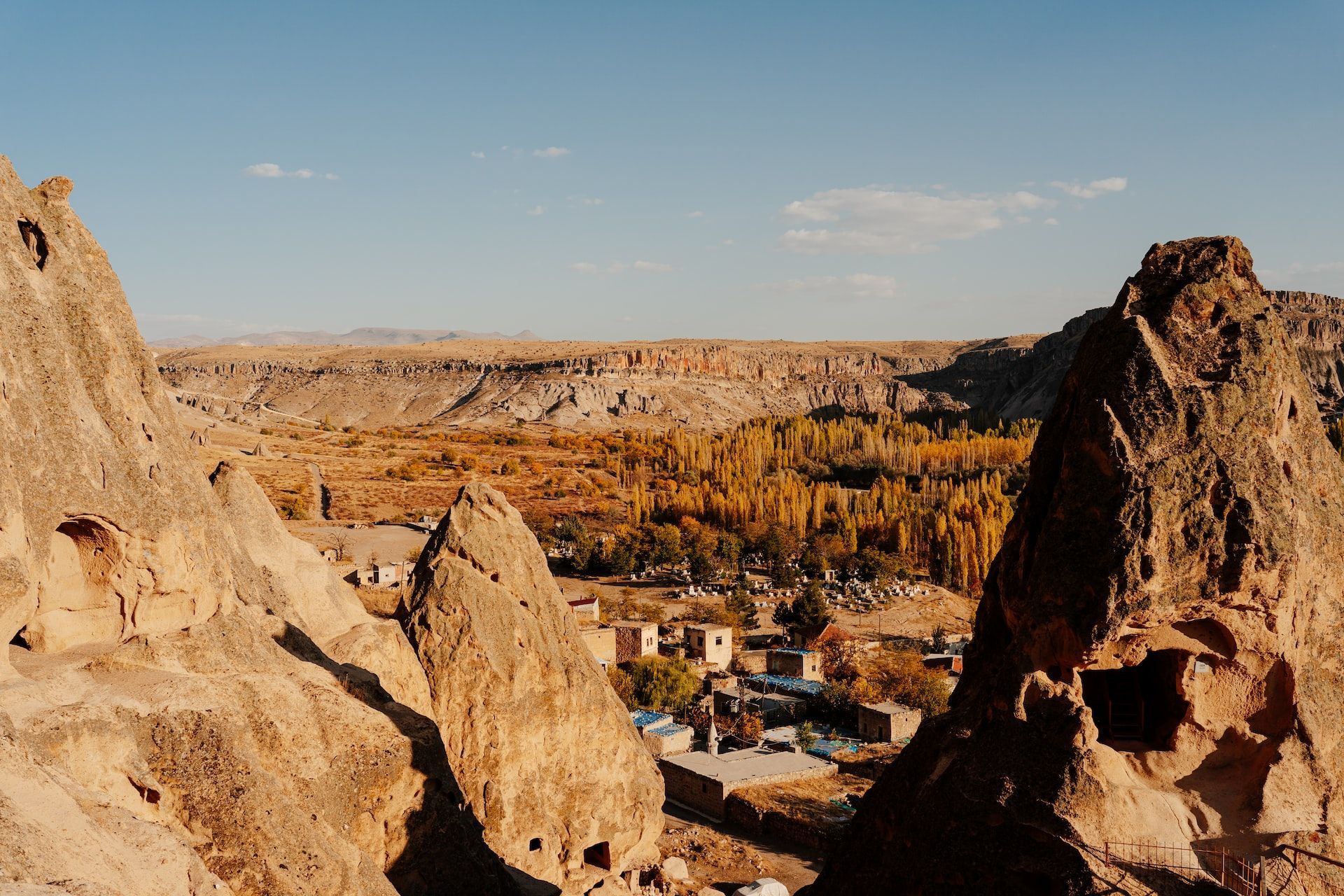
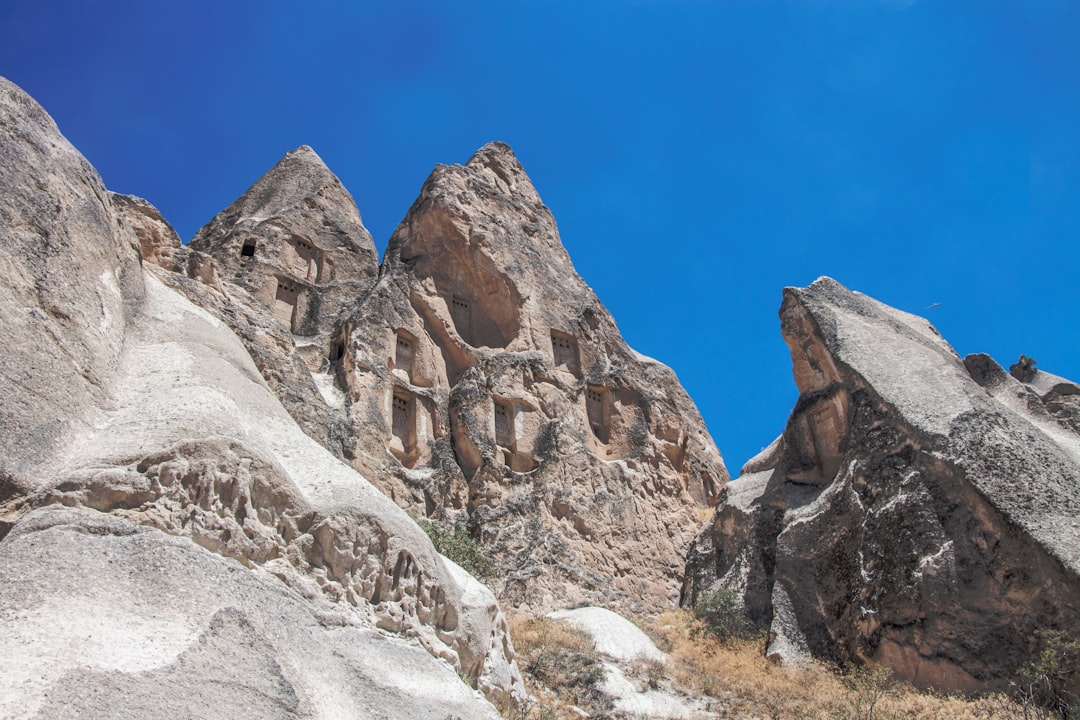
Smaller religious sites appear around the edges of the village, including rock-cut spaces associated with St Basil and St Nicholas. Conditions and access are less predictable than at major museums, which is part of the reason to allow extra time and ask locally before setting out.
Şakir Paşa Medrese and the square
The Şakir Paşa Medrese adds another architectural layer to the centre. The square around it is the natural place for a tea break and a good point from which to choose your next walking loop.
Old hammam and everyday village fabric
Historic Mustafapaşa is not made only of mansions and churches. The old hammam, fountains, modest houses and working shops explain how the settlement functioned day to day. These smaller elements keep the village from feeling like an open-air stage set.
Gomeda Valley
Mustafapaşa is also a gateway to the quieter Gomeda Valley. If you add a valley walk, carry water, use an offline map and avoid treating an unmarked trail as a casual extension of the village stroll.
A simple half-day route
- Start at the main square and Şakir Paşa Medrese.
- Walk the nearby lanes slowly, focusing on carved façades and courtyards visible from public space.
- Continue to the Church of Saints Constantine and Helena if access is available.
- Choose either the outer rock-cut sites or a short approach toward Gomeda Valley, depending on weather and footwear.
- Return to the square for tea or lunch rather than trying to race through every site.
What to combine with Mustafapaşa
Ürgüp is the easiest companion stop because it is close and offers a contrasting town atmosphere. Gomeda Valley suits walkers who want a quieter landscape, while Keşlik Monastery and Soğanlı require more driving and should be treated as a full southern route rather than quick add-ons. An underground city can also work, but combining too many major sites usually changes the day into transport rather than exploration.
For photography, morning and late-afternoon light bring out relief on the stonework. Ask permission before photographing residents at close range, avoid blocking narrow lanes, and remember that a picturesque doorway may still be the entrance to someone's home.
Getting there and planning responsibly
Mustafapaşa is closest to Ürgüp and is usually reached by car, taxi or limited local transport. Public transport frequency can change by season, so confirm the return journey locally rather than relying on an old timetable. The village itself is compact and best explored on foot.
If transport is part of a wider Cappadocia day, compare the route using the live taxi fare calculator; do not depend on fixed fares quoted in travel articles. For a broader trip structure, build the day around your priorities with Ask Cappadocia rather than forcing too many distant stops together.
Practical tips
- Allow two to four hours depending on church access and whether you add a valley walk.
- Wear comfortable shoes; side streets and paths can be uneven.
- Remember that many historic houses are private property.
- Carry some cash, but check any site-specific fee locally because access and prices can change.
- Visit in the morning or late afternoon for softer light on the carved façades.
- Keep voices low near homes and active religious or community spaces.
Frequently asked questions
Is Mustafapaşa worth visiting?
Yes, for travellers interested in architecture, social history and quieter village life. It offers a different experience from the fairy-chimney landscapes around Göreme.
Why is Mustafapaşa also called Sinasos?
Sinasos is the settlement's historic Greek name. Mustafapaşa is its modern Turkish name, and both remain useful when researching the village and its former community.
Is the village free to enter?
The public streets and square do not have a village entrance ticket. Individual monuments or privately operated buildings may have their own access conditions.
Sources and editorial note
Location and heritage details were checked against the official GoTürkiye Mustafapaşa guide and its Cappadocia craft-villages route. This guide avoids claiming that private buildings or monuments are always open.