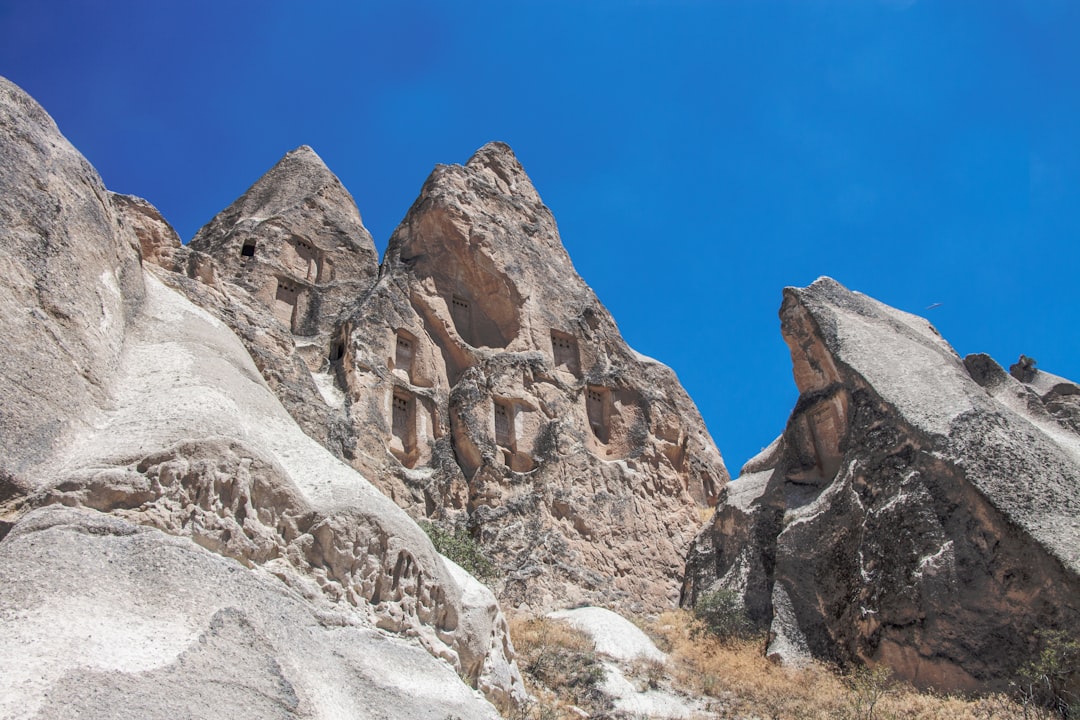
Cappadocia is famous for its fairy chimneys and underground cities, but beneath that geological spectacle lies something quieter and equally astonishing: one of the longest continuously inhabited stretches of land in the ancient world. The Ürgüp Archaeological Museum — known locally as Ürgüp Arkeoloji Müzesi — exists to tell that story. It is not a grand institution. The building is modest, the galleries compact, and the crowds mercifully thin. But what it holds inside spans roughly five millennia of human civilization, from Bronze Age Hittite traders to Ottoman villagers, laid out with a thoughtfulness that larger museums sometimes forget.
For travelers who have spent a morning drifting through Göreme's rock churches or hiking the Rose Valley, a few quiet hours in Ürgüp's museum provides the essential missing layer: context. The pots, seals, coins, and carvings on display were not abstract — they were used by people who farmed this volcanic plateau, built temples in the tuff, and conducted international trade along routes that still define the region's roads today.
About Ürgüp Museum
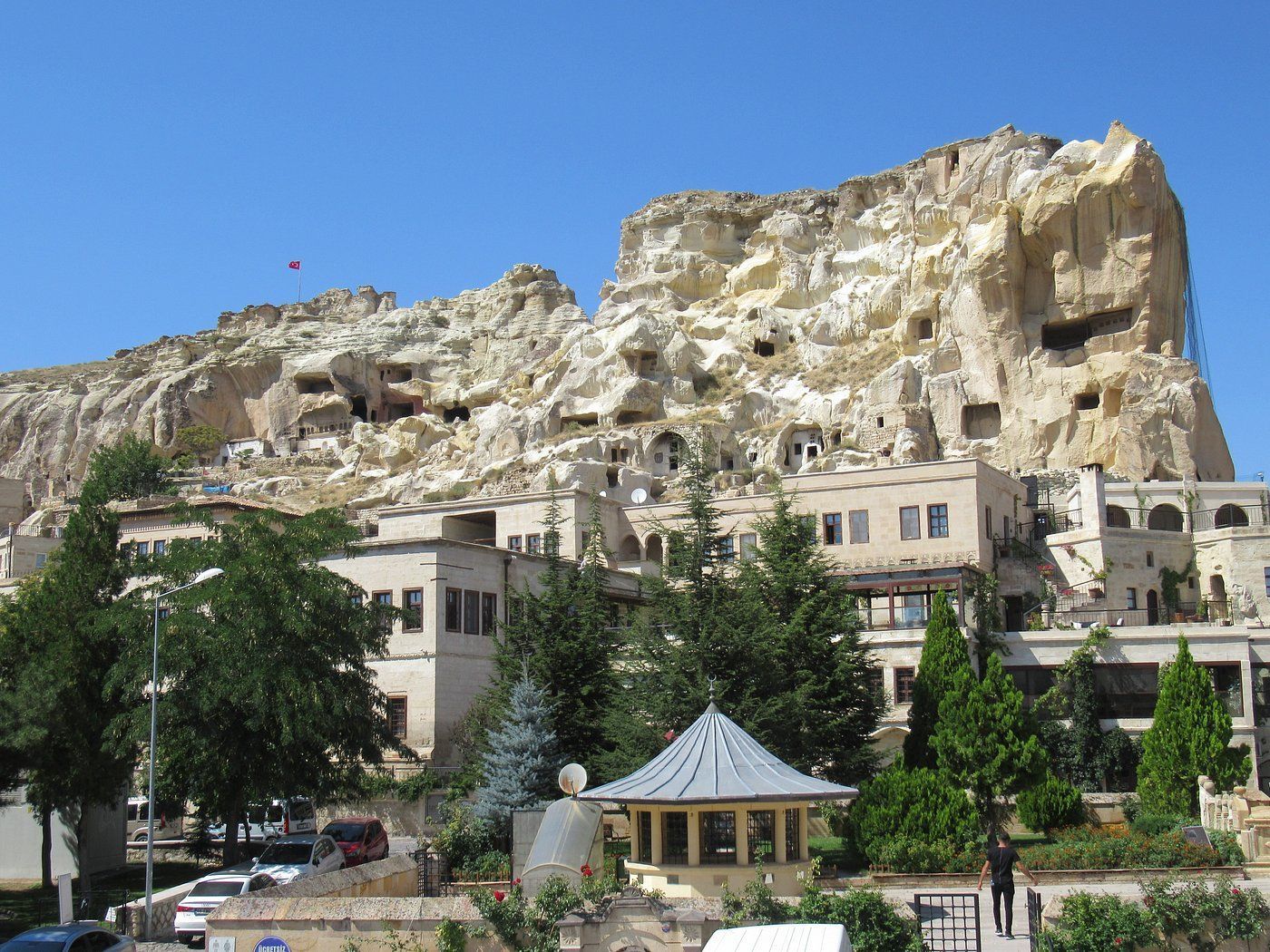
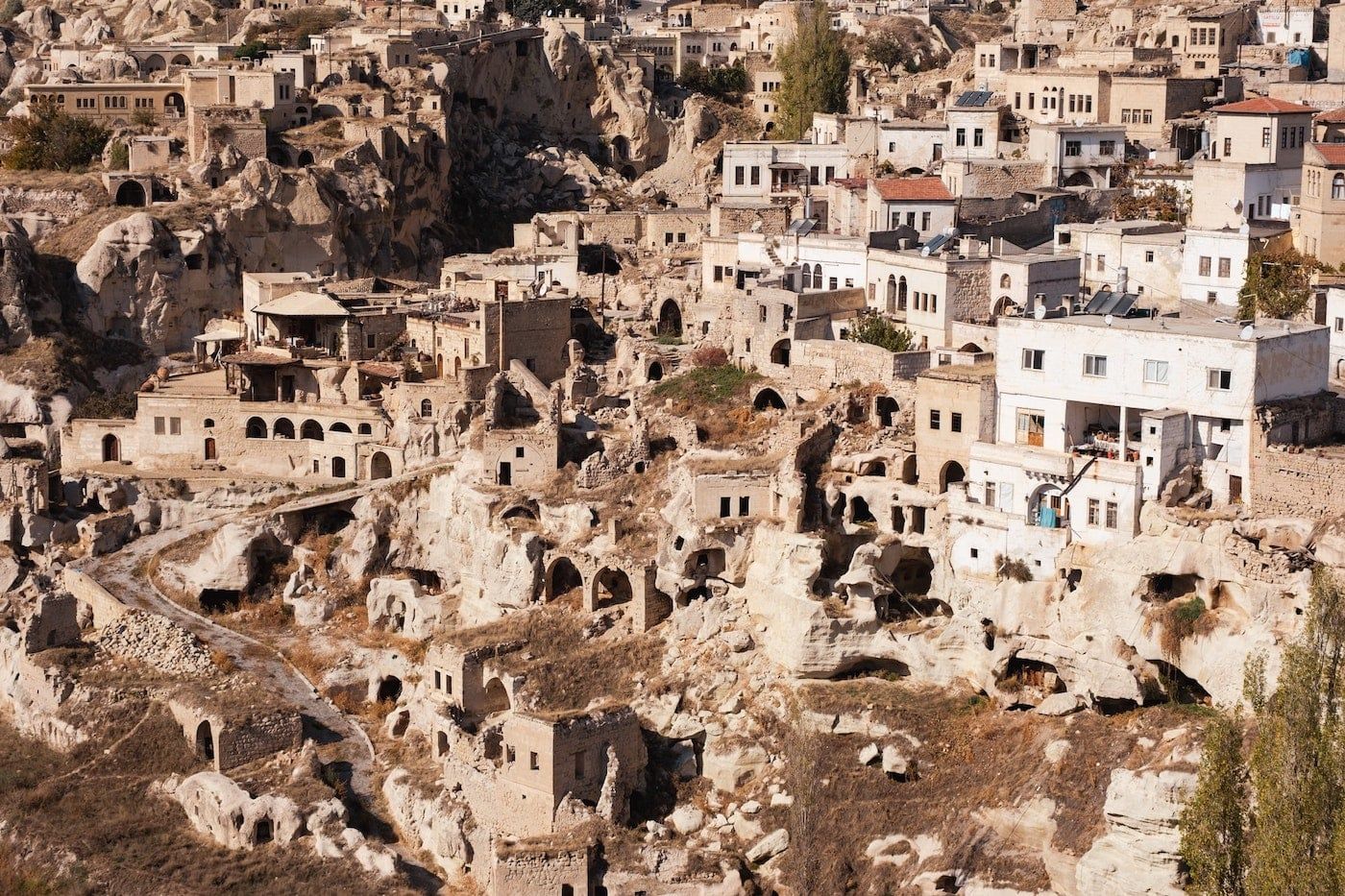
The museum sits in the center of Ürgüp town, a short walk from the main square and the distinctive cave-hotel neighborhoods carved into the hillside. It is a state-run regional museum, typically open Tuesday through Sunday; always confirm current hours locally, especially outside peak season. Entry requires a small fee — comfortable for any budget — and the visit itself takes between 45 minutes and two hours depending on how carefully you read the labels.
What distinguishes Ürgüp from the larger Nevşehir Museum, 20 kilometers away, is focus. Where Nevşehir holds more items in bigger halls, Ürgüp has curated its collection to highlight the specific archaeological zones immediately surrounding the town — including the hugely significant site of Kültepe (ancient Kaniş), the Assyrian trading colony just 30 kilometers to the east, and the various tumuli and Roman sites scattered across the Ürgüp plain. The result is a museum that feels connected to its landscape rather than abstracted from it.
The Hittite Collection
The Hittite period — roughly 2000 to 1200 BCE — is the museum's most historically electrifying chapter. Cappadocia sat at the geographic heart of the Hittite Empire, and the artifacts here reflect a civilization that was simultaneously a great military power and a sophisticated mercantile culture. You will find ceramic vessels in the characteristic Hittite buff ware, small bronze weapons including daggers and arrowheads, and cylinder seals used to authenticate trade documents and official correspondence.
The deeper significance lies nearby. Kültepe, excavated since the 1920s and still actively dug today, has yielded over 23,000 cuneiform tablets — the largest archive of ancient texts ever found in Anatolia. These tablets, written by Assyrian merchants in the early second millennium BCE, record commodity prices, family disputes, loans, and trade negotiations in astonishing everyday detail. While the tablets themselves are held in Ankara's Museum of Anatolian Civilizations, Ürgüp's displays provide the material context: the pots that held the goods, the tools of the workshop, the jewelry buried with the merchants. Standing here, you are in the commercial heartland of the ancient Near East.
- Bronze Age ceramics (2000–1200 BCE): Hittite buff ware vessels, jugs, and storage jars excavated from regional sites
- Bronze weapons and tools: Daggers, arrowheads, and implements characteristic of Hittite military culture
- Cylinder and stamp seals: Used for commercial and official authentication — direct links to the Kültepe trade archive
- Figurines: Small terracotta and bronze ritual objects representing deities and animals
Roman and Hellenistic Finds
After Alexander the Great swept through Anatolia in the 330s BCE, Greek language and culture layered themselves over the existing population without erasing it. The Hellenistic period introduced new pottery forms, new coinage imagery, and a cosmopolitan sensibility that the later Roman Empire would absorb and expand. Ürgüp's collection includes pottery from this transitional era alongside coins that chart the succession of ruling powers — Seleucid, then Roman provincial, then Byzantine — through the faces on their obverse sides alone.
The Roman material, dated roughly to the 1st through 4th centuries CE, is particularly varied. Fragments of sarcophagi with relief carving — graceful acanthus scrolls, portrait medallions — indicate that Cappadocia's Roman-era elite had aspirations matching anything found in the western provinces. Oil lamps in their dozens illustrate daily domestic life. Marble fragments suggest a richer built environment than the region's current landscape might imply. The Roman road that ran through this valley connected the Euphrates frontier to Ancyra (modern Ankara), making Ürgüp a node in a military and commercial network that spanned the known world.
Byzantine Christian Objects
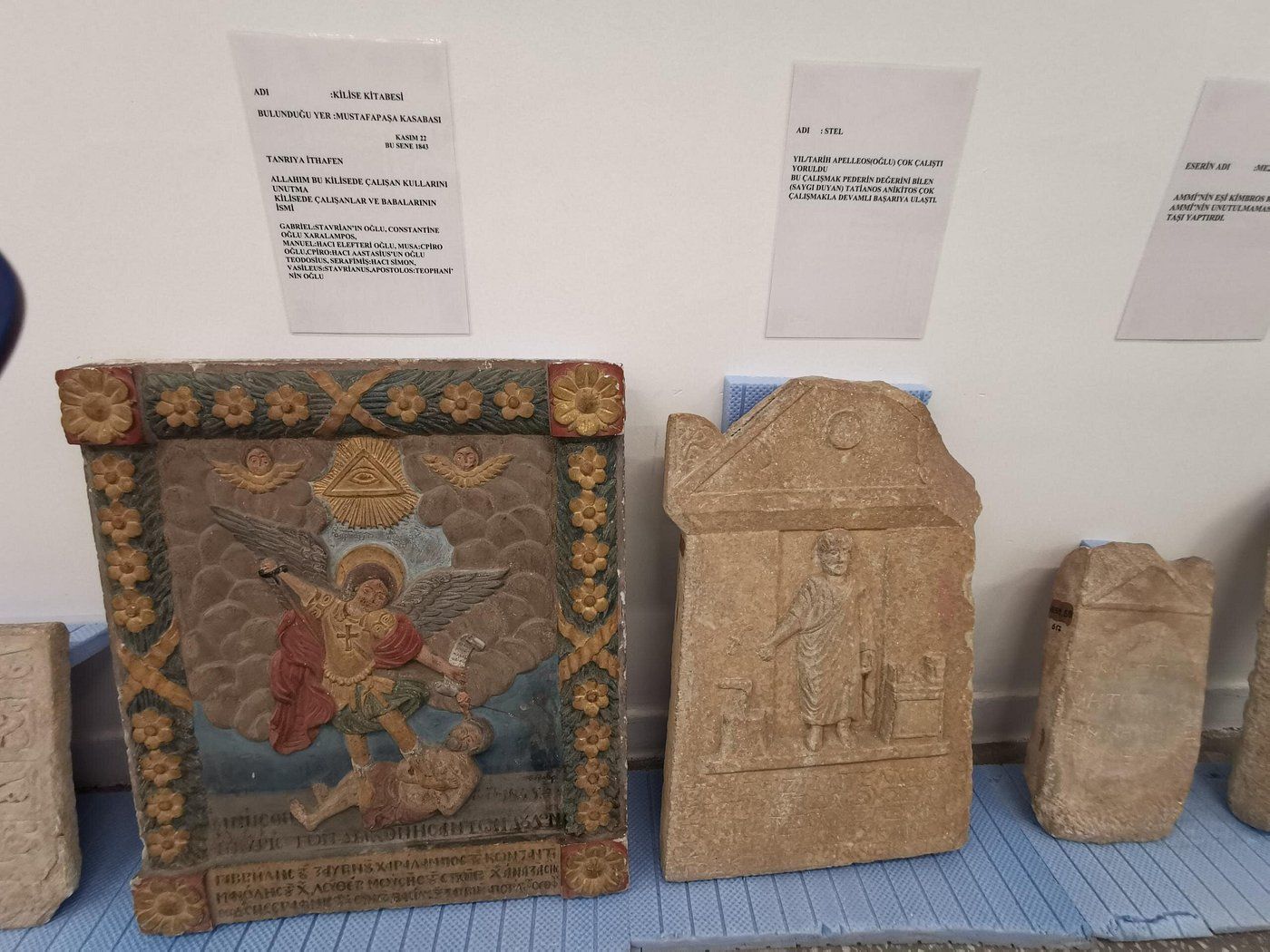
For visitors who have already seen Göreme Open-Air Museum's painted cave churches, the Byzantine section of Ürgüp's museum provides the indoor counterpart. Here are the physical objects that filled those churches and the monastic communities around them: bronze lamps that once hung above altars, stone carvings with Christian iconography — crosses, fish, Chi-Rho symbols — and church furnishings that speak to a deeply rooted faith community.
Cappadocia's Byzantine period, roughly the 4th through 11th centuries, was one of the most creative eras in the region's religious and artistic life. The same volcanic tuff that made the landscape strange made it workable: entire monasteries, churches, and hermit cells were excavated from the rock, decorated with frescoes, and used continuously for generations. The museum helps you understand those spaces not merely as tourist sites but as living religious communities, placing movable objects in dialogue with the immovable architecture that has survived in the open air.
The Ethnographic Section
The museum's final galleries step forward in time to the Ottoman and late pre-Republican period, presenting a picture of Cappadocian village life that is vivid and often moving. Kilim fragments in geometric patterns, copper kitchen utensils worn smooth by decades of use, embroidered textiles, traditional agricultural tools — these are the material remains of the mixed community that once shared this plateau: Muslim Turks and Greek-speaking Orthodox Christians living in adjacent villages, trading with each other and intermarrying across generations, until the 1923 Lausanne population exchange abruptly ended a coexistence that had lasted centuries.
The Greek Christian objects — church vessels, embroidered liturgical cloths, household items — sit in these cases as testimony to a community that is gone but was genuinely here. Several of Cappadocia's now-famous cave towns, including Mustafapaşa (formerly Sinasos) just outside Ürgüp, were predominantly Greek-speaking until 1923. The ethnographic section gives those absences a human face.
Visiting Practically
Ürgüp Archaeological Museum is in the town center, easy to reach on foot from the main square. As a state museum, it is generally closed on Mondays and open the remaining six days, but hours shift seasonally — check locally or at your hotel before going. Entry carries a small fee that is well within any travel budget.
The museum pairs naturally with a half-day in Ürgüp itself: the hillside cave neighborhood (the old Greek quarter) is a ten-minute walk, the town's Saturday market is one of the most authentic in the region, and several of Cappadocia's best wine producers have tasting rooms within walking distance. Ürgüp's wines — made from Emir and Öküzgözü grapes on volcanic soils — are an underrated pleasure worth building time around.
Ürgüp is an easy taxi ride from Göreme — use the Cappadocia taxi price calculator to check the live fare before you go. From Göreme, the journey takes around 15 minutes, making it simple to combine with a morning at the Open-Air Museum and an afternoon in town.
Frequently Asked Questions
Is the Ürgüp Archaeological Museum worth visiting?
Yes, especially if you want to understand Cappadocia beyond its famous landscape. The museum provides the historical depth — Hittite trade goods, Roman sarcophagi, Byzantine church objects, Ottoman village life — that helps the region's rock churches and underground cities make sense as human places rather than geological curiosities. It is small enough to visit comfortably in under two hours and rarely crowded.
What artifacts are on display at Ürgüp Museum?
The collection spans roughly five thousand years: Bronze Age Hittite ceramics, bronze weapons and cylinder seals connected to the ancient Kültepe trading colony; Hellenistic and Roman pottery, coins, oil lamps, and sarcophagus fragments; Byzantine stone carvings and church bronze-ware; and an ethnographic section covering Ottoman-era Cappadocian village life, including objects from the Greek Christian community that lived here before 1923.
How long does it take to visit Ürgüp Museum?
Most visitors spend between 45 minutes and two hours. An hour is comfortable for a general visit; if you read every label and study the Hittite section closely, two hours pass quickly. The museum is compact enough that you will not feel rushed at either pace.