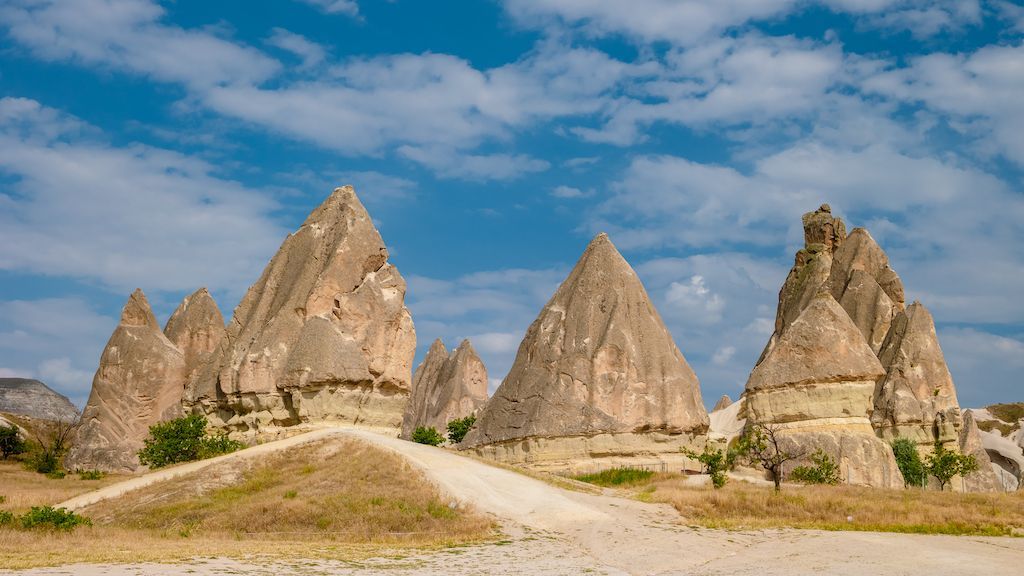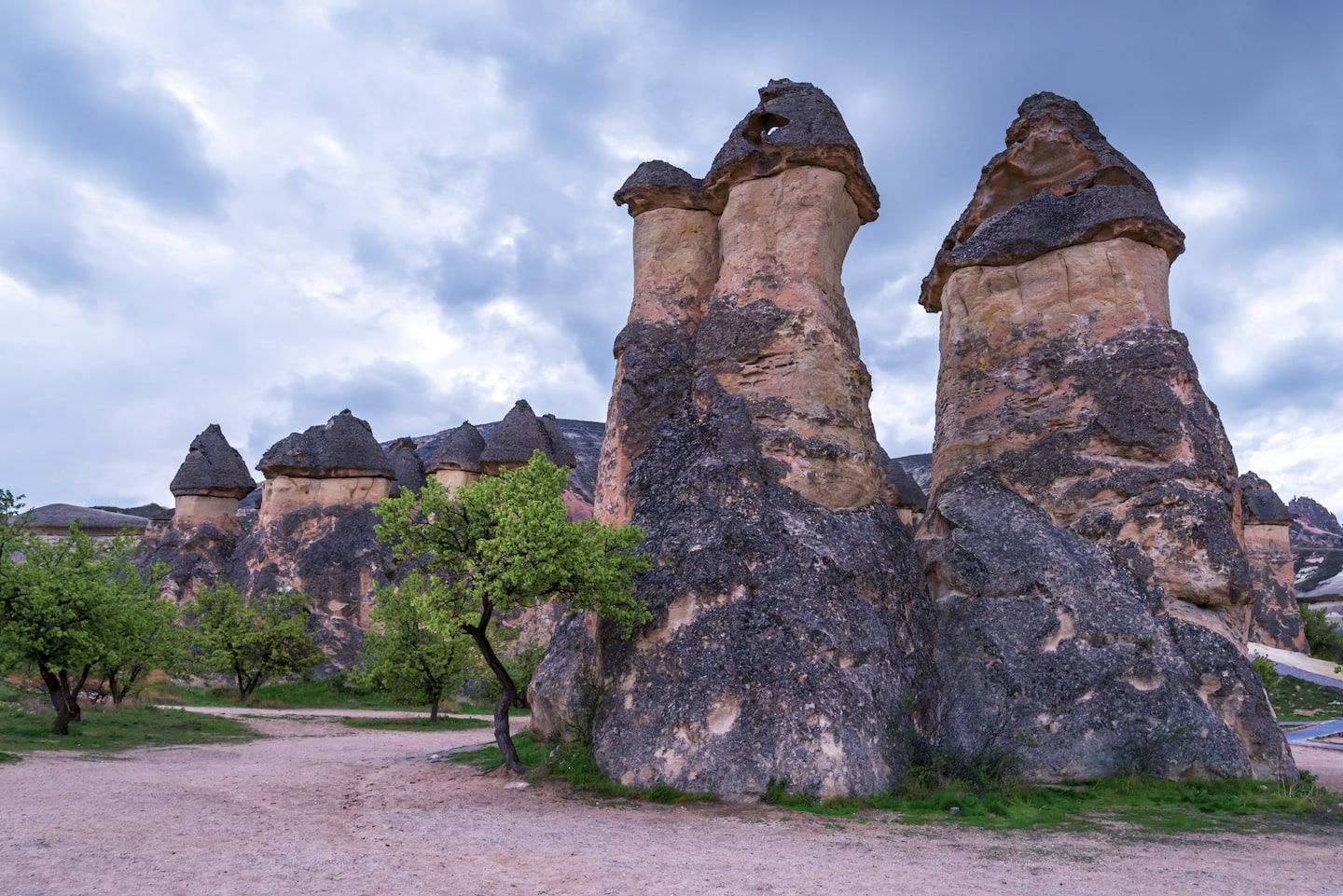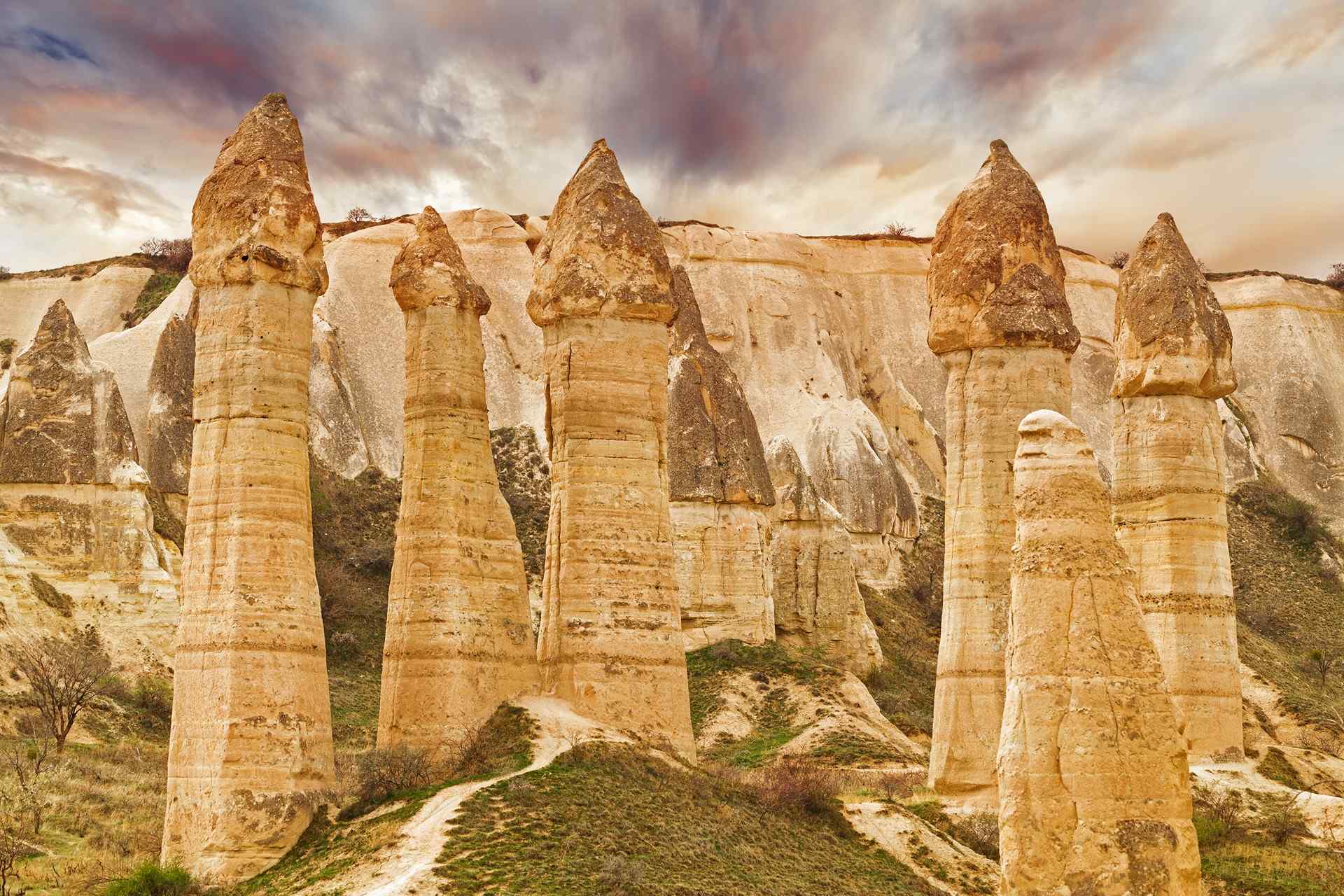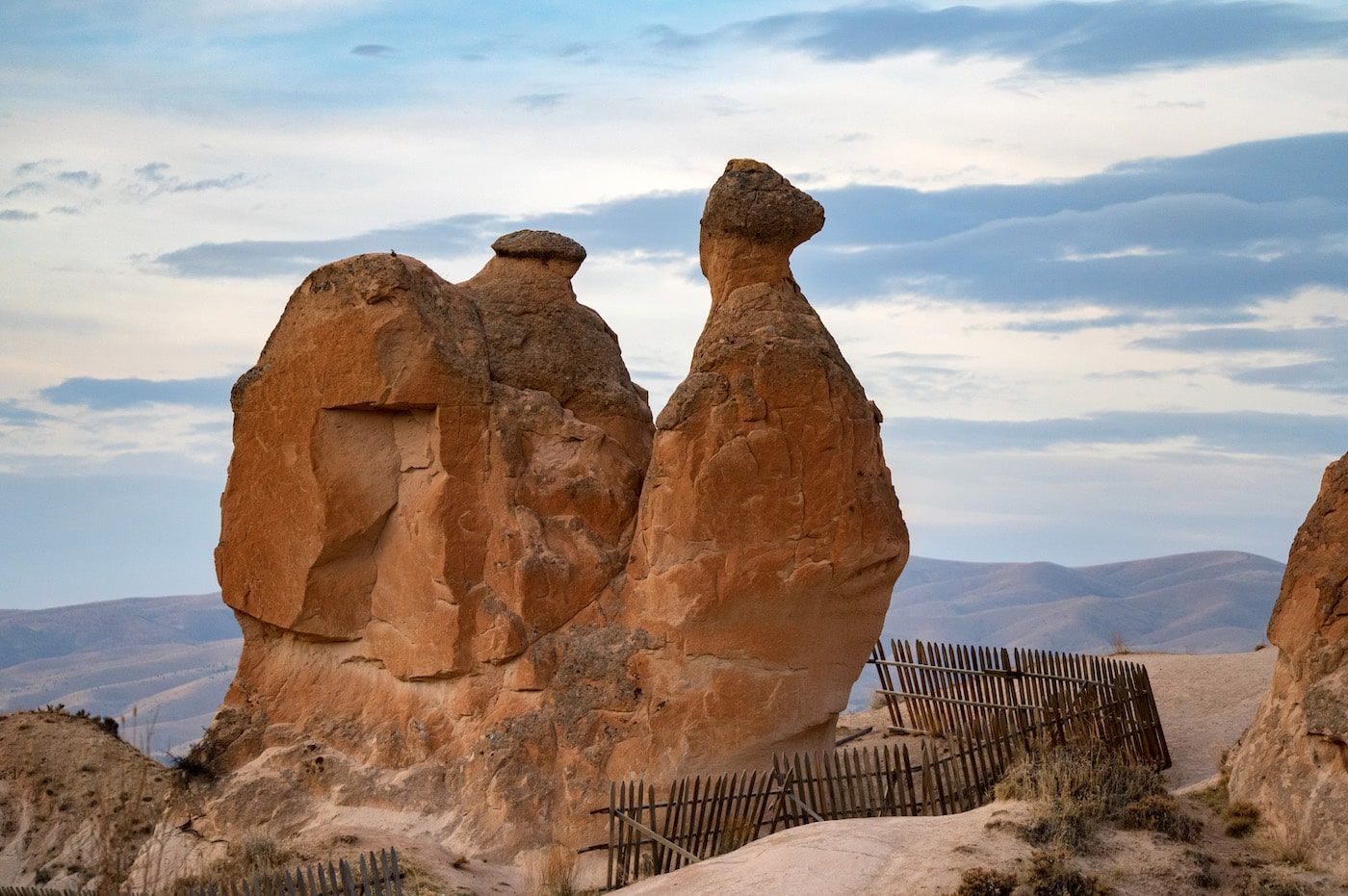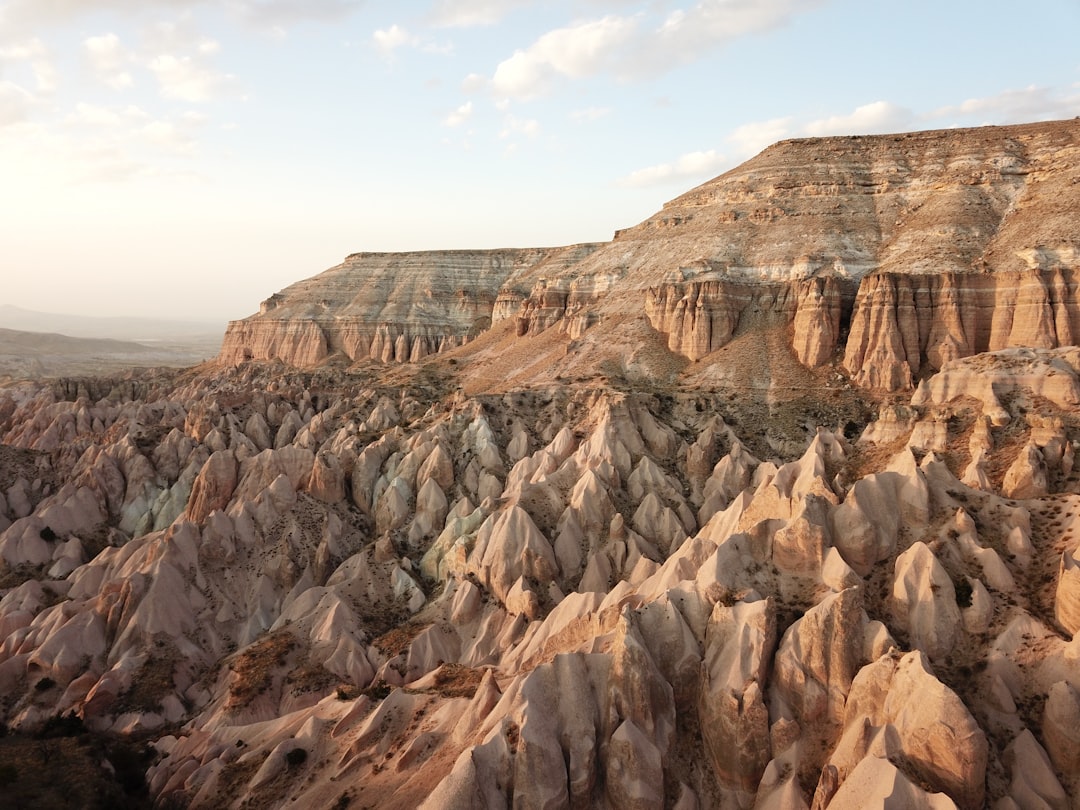
Paşabağ, often called Monks Valley, is a compact open-air landscape between Göreme and Avanos. Its appeal is not a long hike but the chance to walk closely among some of Cappadocia's clearest multi-capped fairy chimneys while learning how erosion and human use shaped the site.
Why Paşabağ looks different
The formations began with layers of volcanic material that hardened at different rates. Softer tuff eroded more quickly while tougher stone remained above it, leaving columns protected by darker caps. Some columns carry more than one cap, which gives Paşabağ its recognisable clustered silhouettes.
Wind, rain, frost and foot traffic continue to affect the ground. Stay on marked routes, do not climb the formations and do not remove stones. These rules protect both visitors and a landscape that is still changing.
Human history and the monk connection
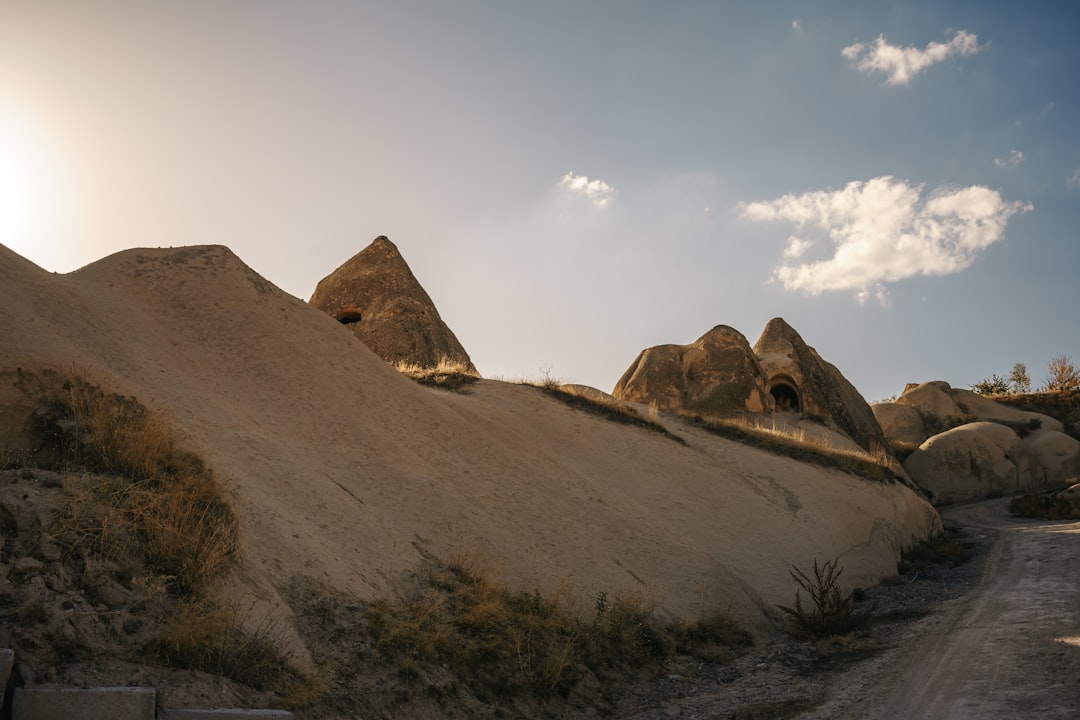
Rock-cut rooms and religious spaces show that people used the formations as shelters and places of retreat. The site is associated with Christian ascetic traditions, including stories connected with Saint Simeon. Treat individual labels and dates carefully: interpretation can change as conservation and research continue.
Look for carved openings from the path, but do not enter closed spaces or touch fragile surfaces. Paşabağ is more rewarding when read as both geology and cultural landscape rather than as a backdrop for photographs alone.
How much time to allow
Most visitors can understand the main area in roughly 45–75 minutes, depending on crowds, mobility and photography. Allow longer if you read the interpretation panels or travel with children. The paths are short, but uneven ground and exposed sections make sturdy footwear useful.
When to visit
- Early morning: generally quieter, with softer light and cooler conditions in warm months.
- Late afternoon: warmer colour on the rock, but check the current closing time before arriving.
- Midday: workable for a short visit, though summer heat and visitor-group traffic can reduce comfort.
- Winter: beautiful after snow, but ice and mud can make the path slippery.
Opening hours, admission rules and Museum Pass acceptance can change. Verify them through the official Turkish museum channels or at the ticket desk rather than relying on a dated price in a blog post.
Getting there without confusing experience and transport
Paşabağ lies on the Göreme–Avanos side of the region and is commonly combined with Zelve or Avanos. A rental car, organised visit, local transport connection or pre-arranged ride may work depending on the day. This guide covers the experience; transport availability and fares should be checked separately.
If you need a private ride, compare the route with the live fare calculator and request confirmation. A calculator result is an estimate, not a booking.
Accessibility and safety
- Expect compacted earth, stones, steps and occasional narrow sections.
- Wheelchair and stroller access may be limited beyond the flatter entrance area.
- Carry water and sun protection because shade is limited.
- Keep children close around eroded edges and crowded viewpoints.
- Do not stand beneath visibly unstable rock or cross barriers for a photograph.
- In snow or rain, prioritise grip and head back if the surface feels unsafe.
Photography without damaging the site
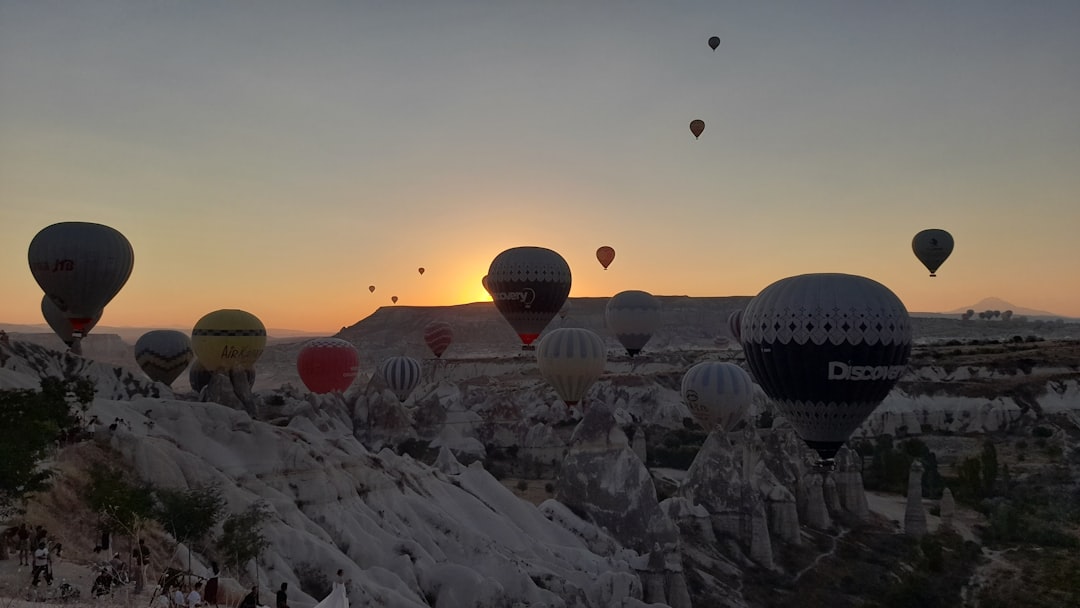
Wide views work well from the marked approach, while closer compositions show the contrast between pale tuff and dark caps. Avoid blocking paths, flying a drone without checking current rules, or stepping into protected areas. Sunrise balloons may be visible in the wider region, but their route is weather-dependent and never guaranteed above a specific valley.
What to combine with Paşabağ
- Zelve Open-Air Museum: a broader rock-cut settlement experience nearby.
- Avanos: pottery traditions, the Kızılırmak river and local workshops.
- Devrent Valley: an informal landscape stop focused on imaginative rock shapes.
- Göreme Open-Air Museum: a more substantial church and fresco visit requiring separate time.
Choose one or two nearby stops rather than racing through every landmark. Paşabağ works best as a focused geological and cultural visit, not as a five-minute photo stop.
Frequently asked questions
Is Paşabağ a hiking valley?
Not in the same sense as Rose, Red or Ihlara Valley. It is a compact archaeological and geological site with short walking paths.
Can you climb the fairy chimneys?
No. Climbing accelerates erosion, can damage carved spaces and creates a fall risk. Use the marked paths and viewpoints.
Is Paşabağ the same as Zelve?
No. They are nearby but separate sites. Paşabağ is known for concentrated multi-capped formations; Zelve is a larger open-air museum and former settlement landscape.
Is a balloon view guaranteed?
No. Balloon operations and flight paths depend on aviation and weather conditions. Visit Paşabağ for the site itself, with balloons treated only as a possible extra.