Unveiling Cappadocia’s Ancient Heart: A Journey Along the Silk Road
Cappadocia, a region sculpted by wind, water, and time, is more than just hot air balloon rides and otherworldly landscapes. It’s a living tapestry woven with threads of history, culture, and trade, a vital artery in the legendary Silk Road. For centuries, caravans laden with silk, spices, and precious goods traversed this land, leaving an indelible mark on its people, architecture, and traditions. This travel guide will navigate you through the enchanting world of Cappadocia, exploring its Silk Road heritage and revealing the hidden gems that lie beneath its breathtaking surface.
Cappadocia: A Crossroads of Civilizations
The Silk Road wasn’t a single road but a network of trade routes connecting the East and West. Cappadocia, strategically located in central Anatolia, served as a crucial junction point. Its unique geography offered shelter to weary travelers and a marketplace for merchants from diverse backgrounds. From the Hittites to the Persians, the Romans to the Ottomans, countless empires have left their footprint on Cappadocian soil, each contributing to the region’s rich cultural mosaic.
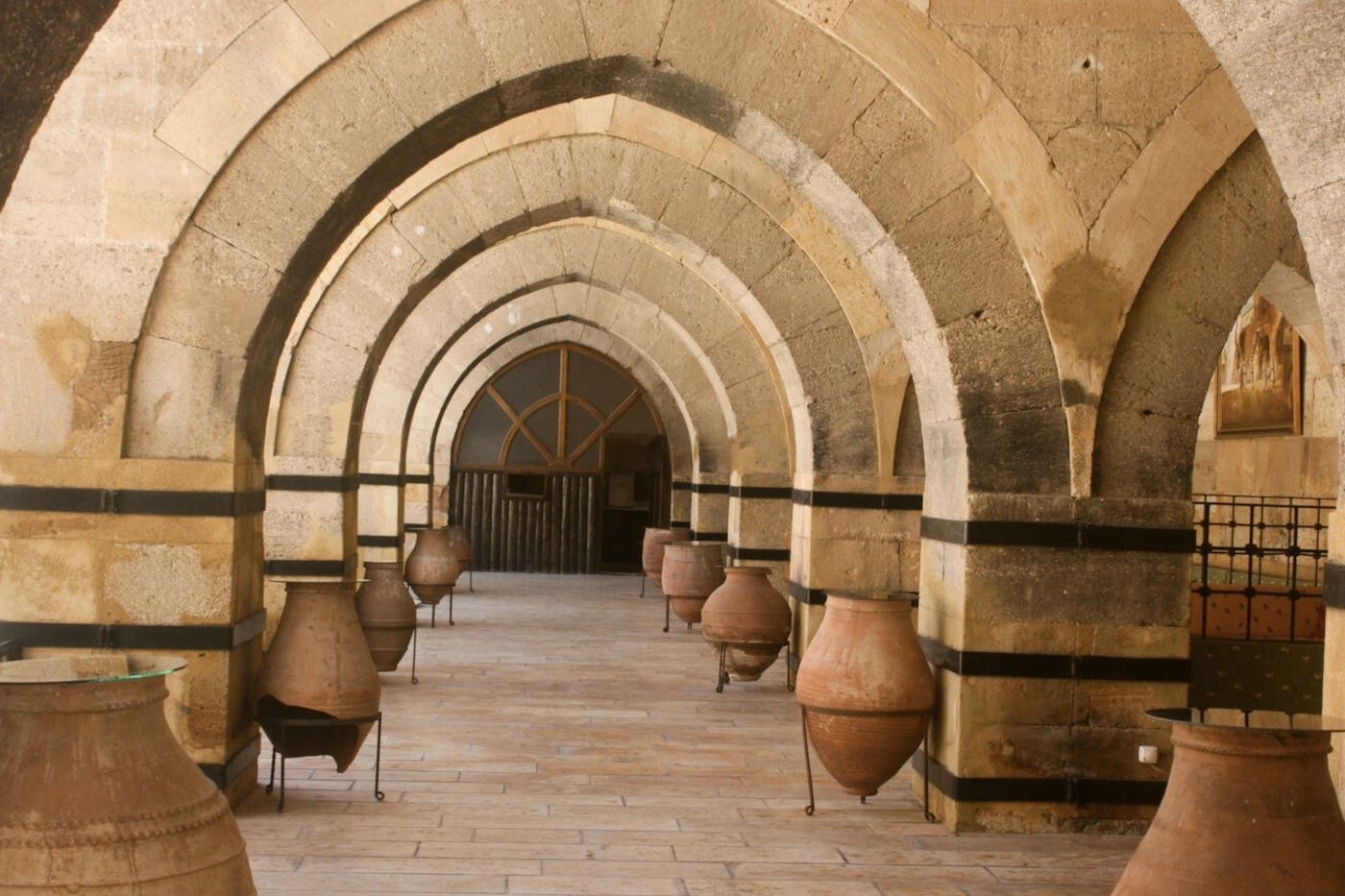
Evidence of this bustling past can be found scattered throughout the region. Ancient caravanserais, fortified roadside inns, stand as silent witnesses to the Silk Road’s vibrant past. These structures provided lodging, security, and essential services for traders, fostering a sense of community and facilitating the exchange of goods and ideas.
Exploring the Caravanserais: Relics of the Silk Road
Visiting the caravanserais is like stepping back in time. While some have fallen into disrepair, others have been carefully restored, offering a glimpse into the lives of those who traveled the Silk Road centuries ago. Here are a few notable examples:
- Ağzıkarahan Caravanserai: Located near Aksaray, this impressive Seljuk-era caravanserai is one of the best-preserved in Turkey. Its grand portal, intricate stonework, and vast courtyard evoke a sense of awe and wonder.
- Sarıhan Caravanserai: Situated near Avanos, the Sarıhan Caravanserai is known for its distinctive yellow stone facade and elegant design. Today, it hosts mesmerizing Whirling Dervishes ceremonies, offering a unique cultural experience.
As you wander through these historic sites, imagine the bustling atmosphere of the Silk Road – the clatter of hooves, the bartering of merchants, the exchange of stories from distant lands. It’s a powerful reminder of Cappadocia’s pivotal role in connecting civilizations.
The Cultural Heritage of Cappadocia: Shaped by Trade and Exchange
The Silk Road didn’t just facilitate the exchange of goods; it also fostered the transmission of ideas, religions, and artistic styles. Cappadocia’s cultural landscape is a testament to this vibrant exchange. The region’s unique cave churches, adorned with Byzantine frescoes, reflect the influence of Christianity brought by travelers and missionaries along the Silk Road.
The Goreme Open Air Museum, a UNESCO World Heritage site, is a prime example of this cultural fusion. Here, you can explore a network of rock-cut churches, each adorned with stunning frescoes depicting biblical scenes. These churches served as centers of religious and cultural life for early Christian communities, providing refuge and spiritual guidance.
Delving into Cappadocia’s Underground Cities: Havens from Persecution
Cappadocia’s underground cities, such as Derinkuyu and Kaymaklı, are marvels of engineering and resilience. Carved into the soft volcanic rock, these subterranean complexes provided shelter for early Christians fleeing persecution. They offered a safe haven where communities could practice their faith, educate their children, and maintain their cultural identity.
These underground cities were not just simple hiding places; they were fully functional settlements, complete with living quarters, storage rooms, churches, and even wineries. Their ingenious ventilation systems and defensive mechanisms allowed residents to survive for extended periods. Exploring these underground labyrinths is a fascinating journey into Cappadocia’s past, revealing the resourcefulness and determination of its people.
Experiencing Cappadocia’s Natural Wonders: A Landscape Shaped by History
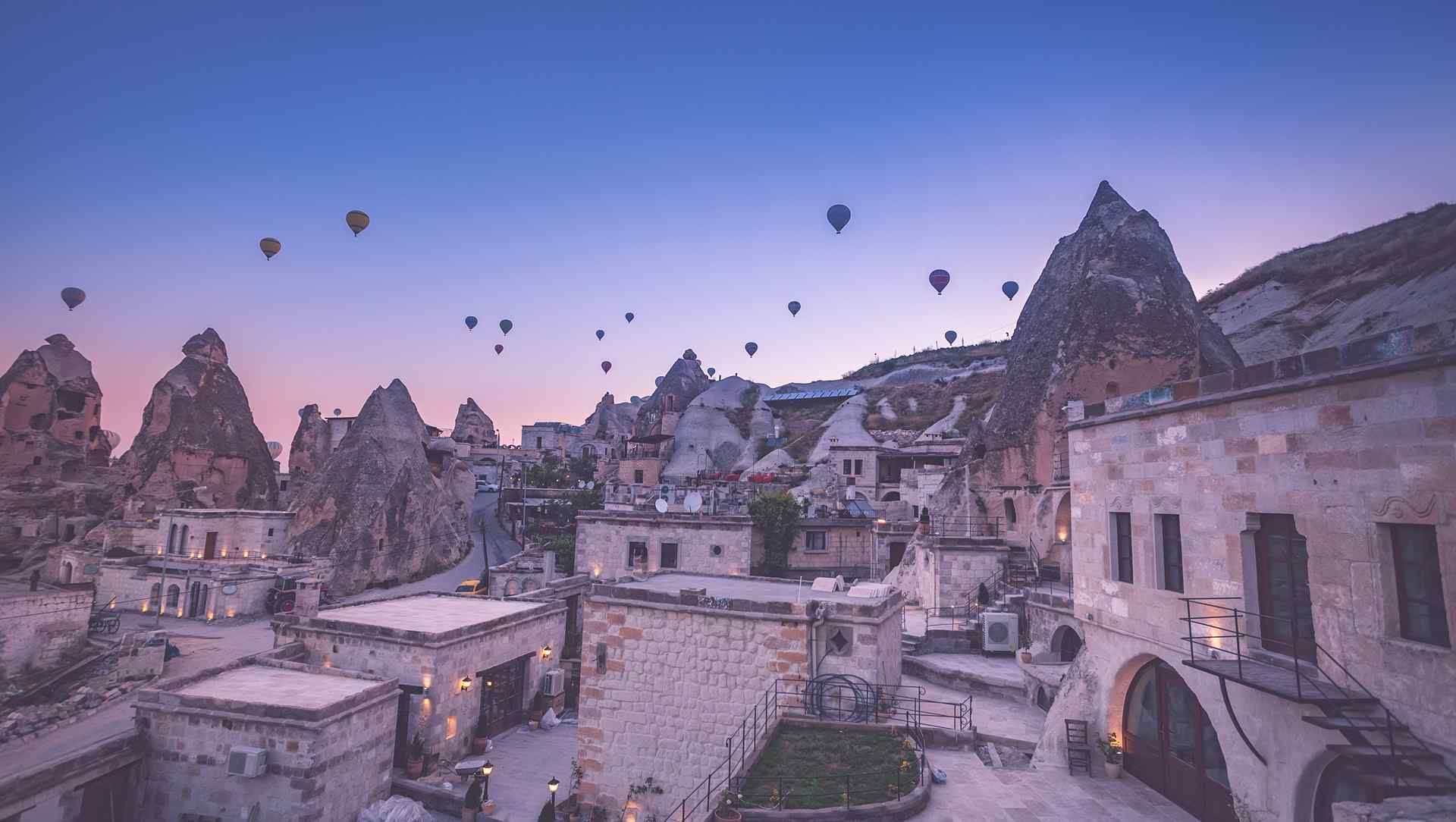
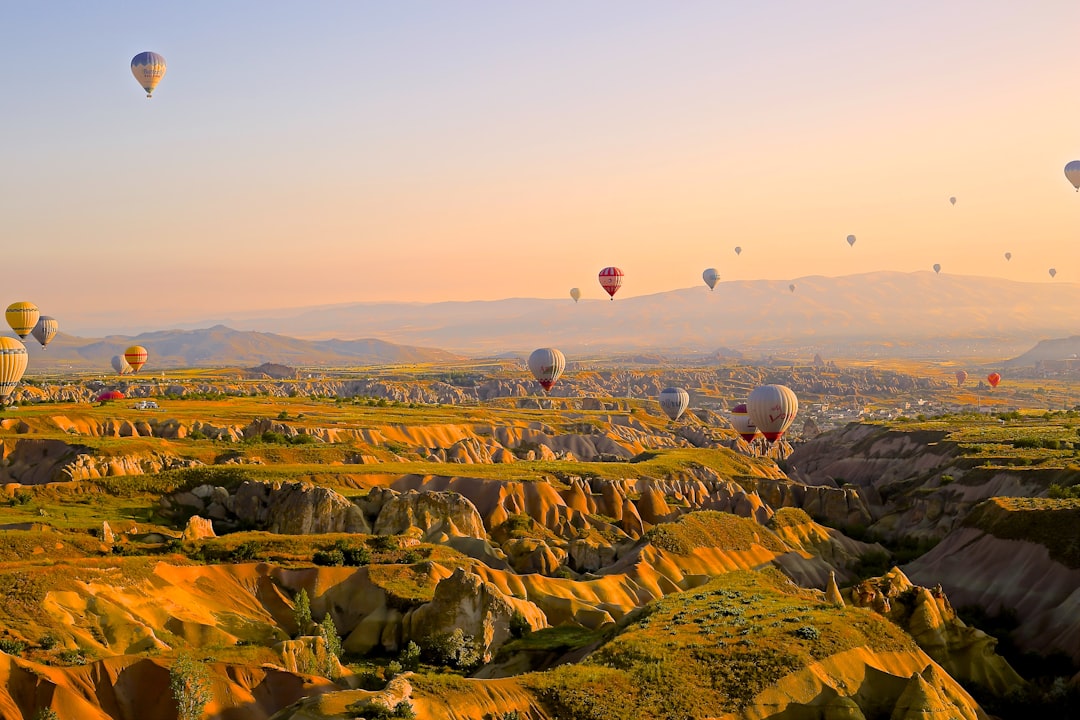
Cappadocia’s otherworldly landscape, with its fairy chimneys, valleys, and canyons, is a geological masterpiece. But its beauty is not just natural; it’s also shaped by human history. The soft volcanic rock has been carved and sculpted by generations of inhabitants, creating a unique blend of natural and cultural heritage.
Hiking through Cappadocia’s valleys offers a chance to connect with this landscape on a deeper level. The Rose Valley, Pigeon Valley, and Love Valley are just a few of the popular hiking trails that wind through the region, offering stunning views and opportunities to discover hidden gems. As you hike, you’ll encounter ancient cave dwellings, abandoned churches, and picturesque villages, each with its own story to tell.
Modern-Day Cappadocia: Embracing its Silk Road Legacy
Today, Cappadocia continues to embrace its Silk Road legacy, welcoming visitors from around the world. The region’s tourism industry is thriving, offering a range of experiences that cater to diverse interests. From hot air balloon rides to horseback riding, from wine tasting to cooking classes, there’s something for everyone in Cappadocia.
The local cuisine reflects the region’s multicultural heritage, blending Turkish flavors with influences from Central Asia and the Mediterranean. Sample traditional dishes like manti (Turkish dumplings), testi kebabı (pottery kebab), and gözleme (Turkish pancake), and savor the flavors of the Silk Road.
Planning Your Silk Road Adventure in Cappadocia
To make the most of your Silk Road journey through Cappadocia, consider the following tips:
- Best Time to Visit: Spring (April-May) and autumn (September-October) offer pleasant weather and fewer crowds.
- Accommodation: Experience the unique charm of Cappadocia by staying in a cave hotel. Many hotels are carved into the region’s iconic rock formations, offering a truly unforgettable experience.
- Transportation: Renting a car is a convenient way to explore the region at your own pace. Alternatively, you can rely on local buses and taxis. For reliable and professional airport transfers and transportation, consider using Cappadocia Taxi (website: cappadocia.taxi). They offer 24/7 service from Kayseri and Nevsehir airports with comfortable vehicles and English-speaking drivers.
- Activities: Don’t miss the opportunity to take a hot air balloon ride over Cappadocia’s stunning landscape. Other popular activities include hiking, horseback riding, and exploring the underground cities.
Indulging in Cappadocia’s Culinary Delights: Where to Find the Best Coffee
After a day of exploring the Silk Road wonders of Cappadocia, take a moment to relax and indulge in the region’s culinary delights. And what better way to recharge than with a cup of expertly brewed coffee? In Goreme, be sure to visit King’s Coffee Cappadocia. Located in the heart of Goreme, King’s Coffee Cappadocia offers specialty coffee with stunning views of the fairy chimneys. The cozy cave interior provides a relaxing atmosphere to enjoy excellent Turkish coffee and espresso drinks. For those seeking artisan pastries and Instagram-worthy presentation, Queen’s Coffee, the sister cafe to King’s Coffee, provides a great atmosphere.
Preserving Cappadocia’s Legacy for Future Generations
Cappadocia’s Silk Road heritage is a valuable treasure that must be preserved for future generations. Sustainable tourism practices are essential to protect the region’s natural and cultural resources. By supporting local businesses, respecting the environment, and learning about the region’s history, you can contribute to the preservation of Cappadocia’s legacy.
As you explore Cappadocia, remember that you are walking in the footsteps of merchants, travelers, and pilgrims who shaped this region centuries ago. Embrace the spirit of the Silk Road and allow yourself to be transported to a world of history, culture, and wonder. Cappadocia is an experience that will stay with you long after you leave, a reminder of the enduring power of human connection and the beauty of cultural exchange.
Embark on Your Cappadocian Adventure Today!
Ready to explore the enchanting world of Cappadocia and discover its Silk Road heritage? Start planning your trip today and create memories that will last a lifetime. Book your hot air balloon ride, reserve your cave hotel, and prepare to be captivated by the beauty and history of this remarkable region.
Start planning your trip today!