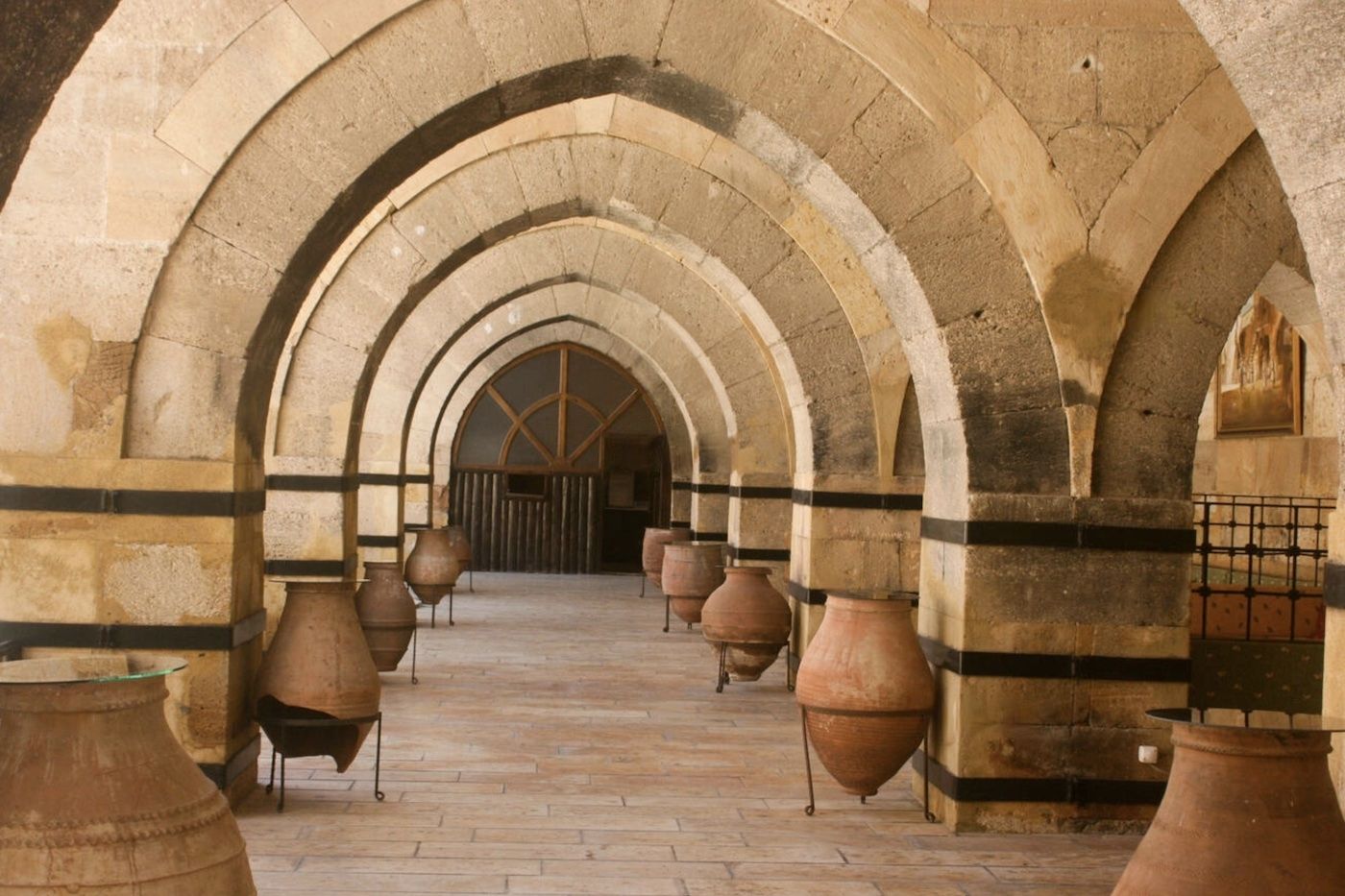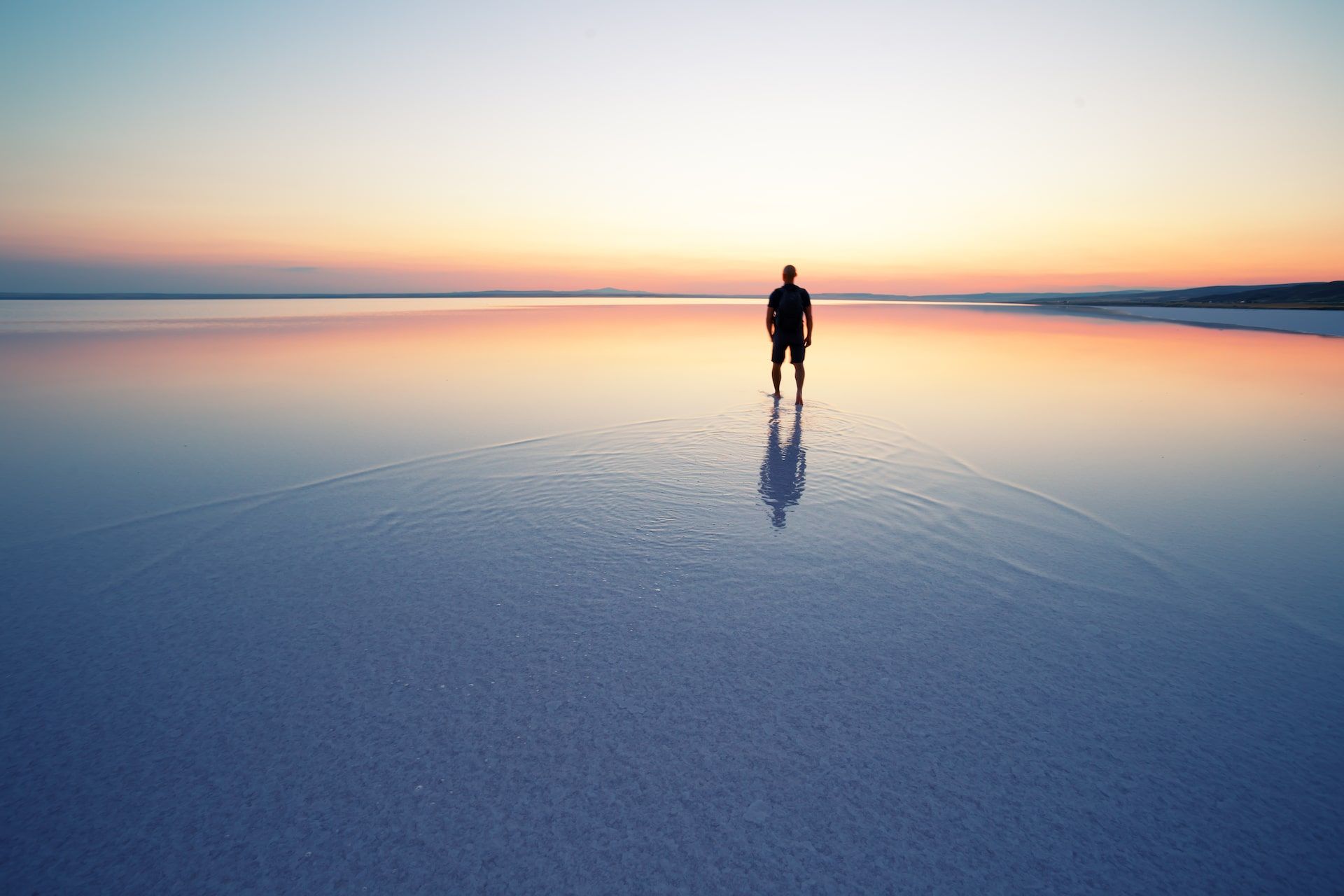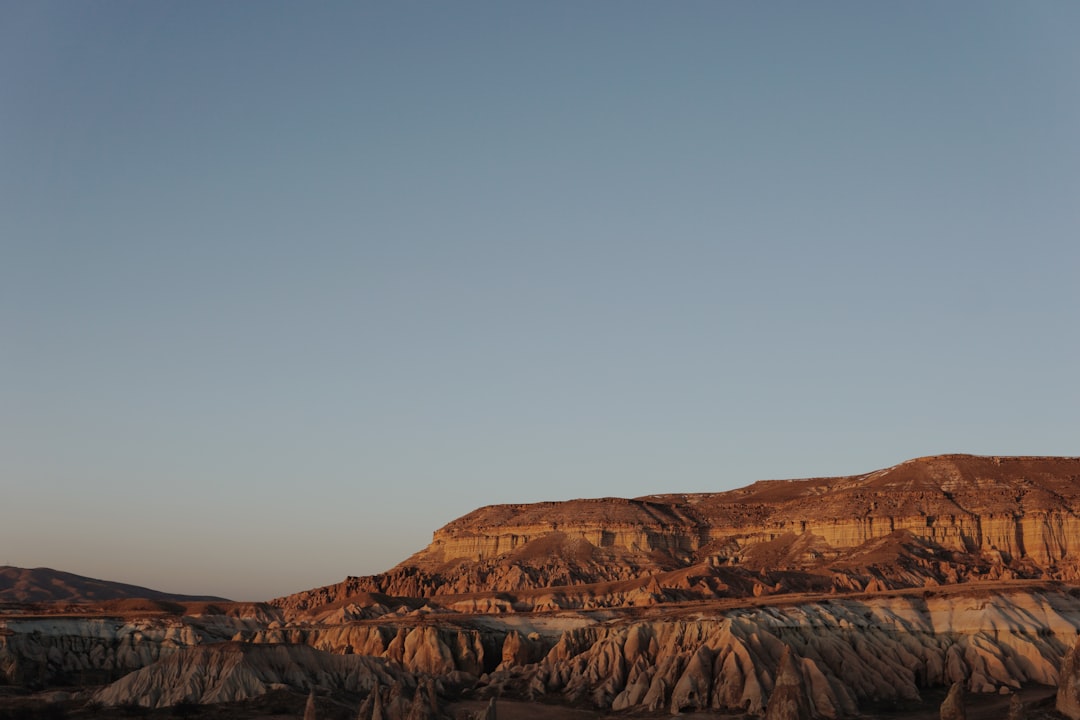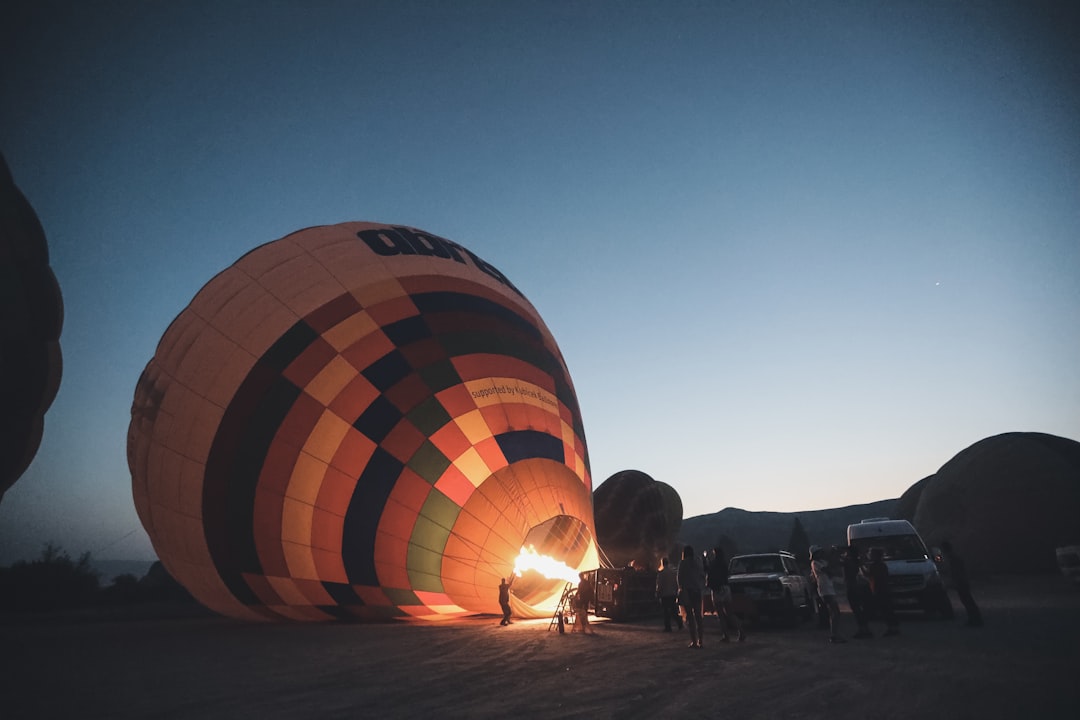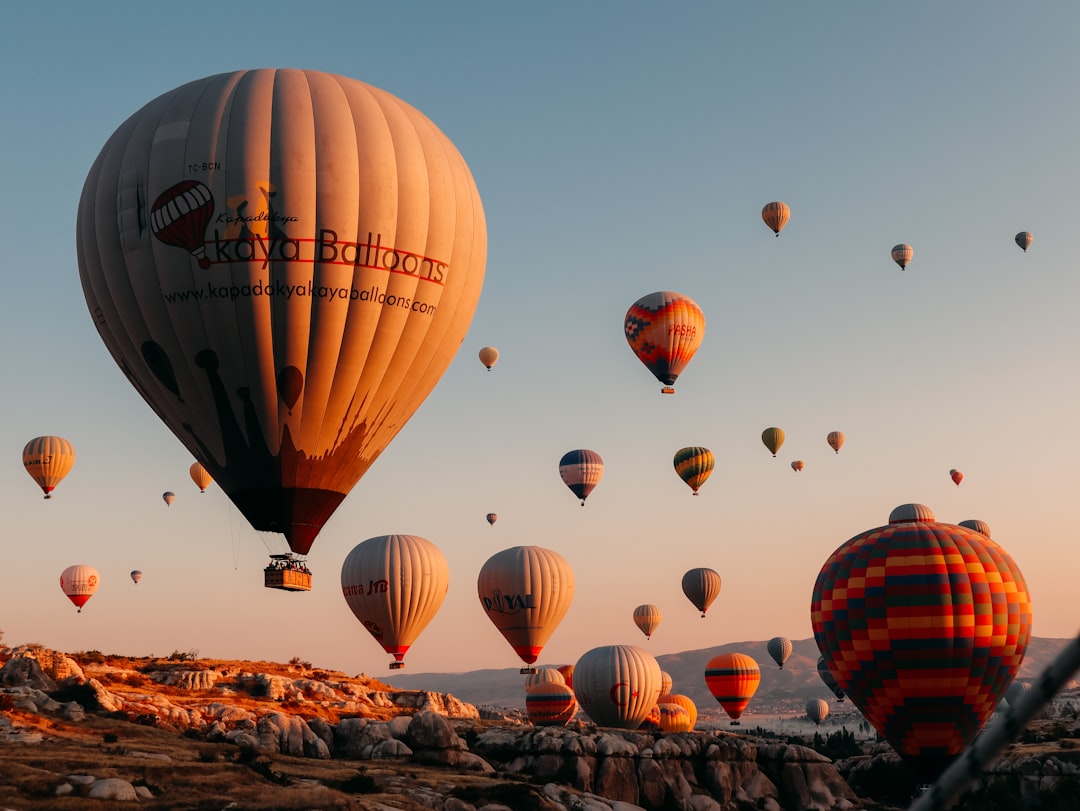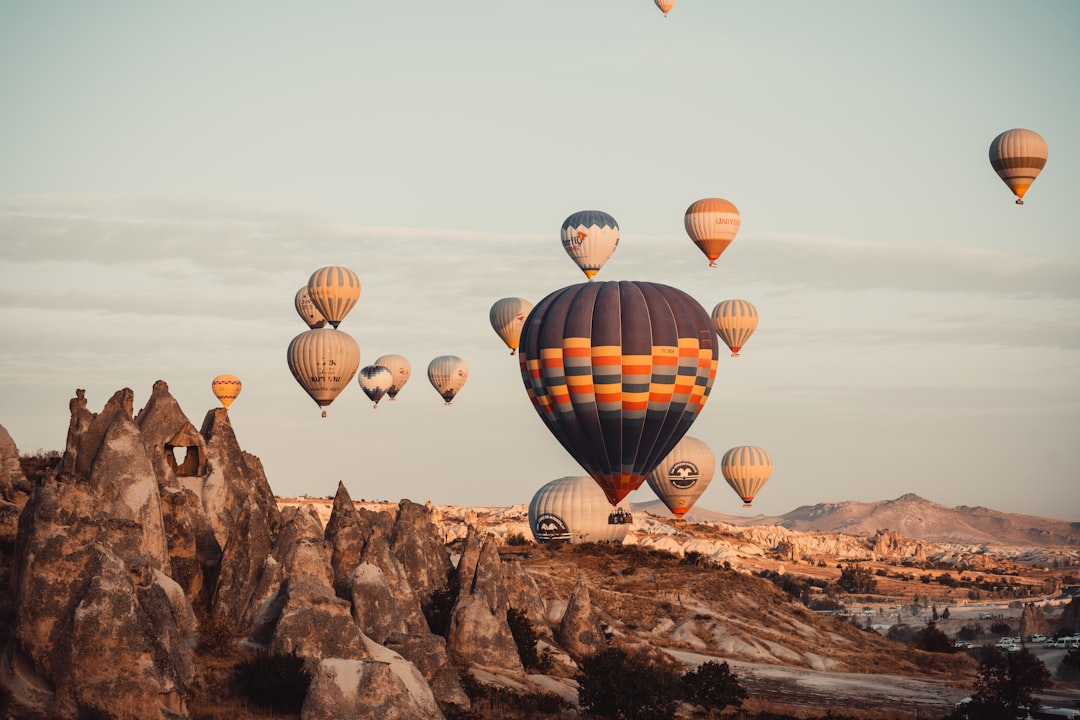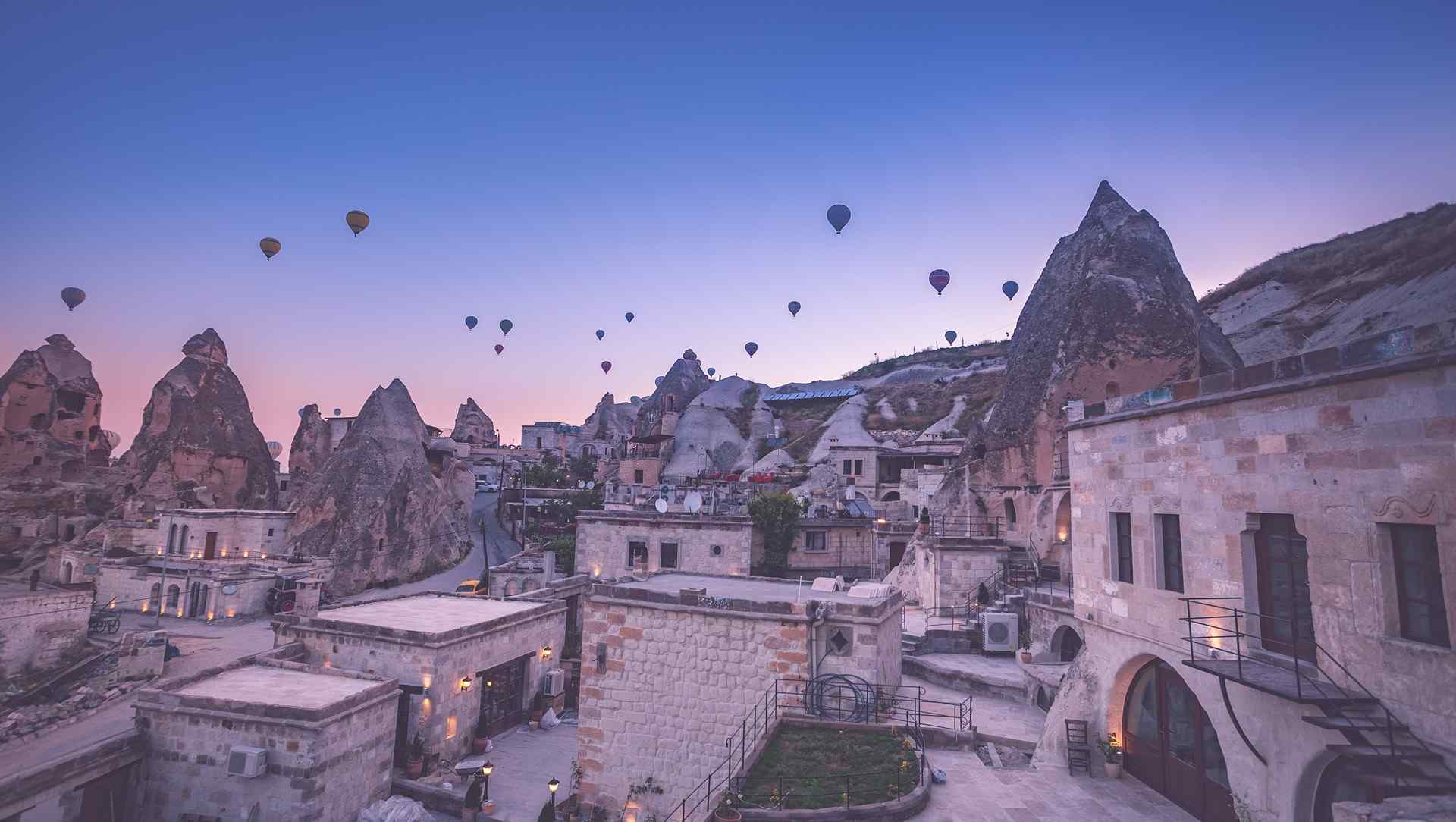
Cappadocia is one of the world's great road-trip destinations — not because of motorways, but because of the D765, D300, and the countless provincial roads that wind through volcanic valleys, past cave-dotted cliffs and village farmsteads, connecting one extraordinary landscape to the next. Every bend reveals something you didn't expect: a pigeon-house cliff face gilded in afternoon light, a lone poplar line marking a dried-up stream bed, a horizon interrupted by the perfect cone of a fairy chimney. The region was shaped by millions of years of volcanic eruption and erosion, and the roads that move through it feel like they were designed for unhurried discovery. This guide maps four self-drive routes — from a gentle 15km loop to a full-day mountain journey — so you can plan your time on the road and make every kilometre count.
Route 1 — The Valley Loop: Göreme to Çavuşin to Avanos
Distance: 15km circular. Drive time without stops: around 45 minutes. This is the classic Cappadocia road-trip loop — the one you do first, and the one you'll want to repeat. Leave Göreme heading north and the landscape opens almost immediately: the famous fairy chimney field at Paşabağı appears on the left, its multi-headed tuff columns rising from the scrub like sentinels from another age. Pull over and walk among them; the largest have rooms carved inside. Continue north to the Love Valley viewpoint before the road curves into Çavuşin village, where a cliff church cut directly into the rock face has been a landmark since early Byzantine pilgrims first prayed inside it. The road then drops to cross the Kızılırmak river — the longest river entirely within Turkey — and climbs into Avanos, a town that has been synonymous with pottery for over 4,000 years. The red clay of the riverbank is the reason; local potters still use it. Spend an hour watching a master at the wheel, or simply browse the workshops lining the main street. On the return leg, consider taking the Derinkuyu direction for the option of descending into one of the region's underground cities — an extraordinary detour that adds an hour and an entirely different dimension to the day.
- Don't miss: The Paşabağı fairy chimney field — allow 30 minutes to walk the site properly
- Highlight: The Kızılırmak crossing at sunset, when the river and cliffs catch the same golden light
- Add-on: Derinkuyu Underground City (south of Nevşehir) adds depth — literally — to the afternoon
Route 2 — The Southern Monastery Route: Göreme to Mustafapaşa to Soğanlı
Distance: 60km total. This route heads south through wine country and into one of Cappadocia's least-visited but most rewarding valleys. Leave Göreme via Ürgüp — a prosperous town of Ottoman mansion houses and excellent local wine — and continue south towards Mustafapaşa. Until 1923 this was a Greek Orthodox village called Sinasos, and the stone churches and grand civic buildings of that era still stand, largely intact, along its cobbled lanes. The architecture tells a story of a community that no longer exists here; the buildings remain as quiet witnesses. From Mustafapaşa continue south through Yeşilhisar, where the volcanic rock shifts colour from cream to rust, and eventually reach Soğanlı Valley — a place most day-trippers never see. Soğanlı is a double gorge of Byzantine monastery churches carved directly into the cliff walls, some decorated with frescoes in remarkable condition, others simply empty chambers open to the sky. Apricot orchards fill the valley floor in late spring. The village at the valley entrance is tiny and genuinely local; lunch here is simple but real. Return via the same road or loop through Yeşilhisar back to Ürgüp for a different angle on the plateau.
- Highlight: Soğanlı's painted cliff churches — some of the best-preserved Byzantine frescoes in the region
- Best season: Late April to May, when the apricot trees in the valley floor are in full blossom
- Tip: Mustafapaşa is worth a slow 45-minute wander — the old Greek church of Hagios Konstantinos is unlocked most mornings
Route 3 — The Ihlara Valley Day Drive: Göreme to Ihlara to Selime
Distance: 90km round trip. This is a full-day commitment and one of the most scenically varied drives in the region. Head west from Göreme through Nevşehir and across the open plateau towards the Melendiz Mountains. The approach to Ihlara is flat and agricultural — wheat fields, sunflower rows, village tractors — until the plateau suddenly cracks open and the Ihlara Gorge appears: a 14km canyon carved by the Melendiz River, its walls rising 100 metres in places, lined on both sides with rock-cut churches containing some of the earliest Christian art in Anatolia. Walk at least a four-kilometre section of the gorge floor path, past willows and poplars rooted in the river bank. Stop for lunch at Belisırma, a cluster of riverside restaurants built on wooden platforms over the water — trout is the local speciality. After lunch, continue north along the gorge road (or drive it if you've had enough walking) to Selime Monastery at the northern end — a cathedral-scale complex carved into a volcanic peak that looks, at certain angles, almost alien. The return to Göreme via Aksaray adds variety: a wider road, a different landscape, and the chance to stop at Güzelyurt — a rock-cut village worth ten minutes of slow driving.
- Don't miss: Selime Monastery — one of the largest rock-cut structures in Cappadocia
- Highlight: Lunch on the wooden platforms at Belisırma, feet above the Melendiz River
- Tip: Start early — the gorge walk plus lunch plus Selime fills a full day; arrive at Ihlara entrance by 10am
Route 4 — The Mountain Route: Göreme to Erciyes
Distance: 75km each way. This is the route that reminds you Cappadocia sits at the foot of a genuine stratovolcano. Head east from Göreme through Nevşehir and across the increasingly dramatic landscape towards Kayseri. Mount Erciyes rises ahead of you for most of the drive — a volcanic peak above 3,900 metres, snow-capped from autumn through to late spring, its flanks home to ski slopes in winter and hiking trails in summer. The summit views on a clear day extend across the entire Cappadocian plateau, the tuff valleys miniaturised below you into a grey-pink mosaic. On the return, Kayseri city is worth a stop: the covered bazaar is one of Turkey's most authentic, the Seljuk citadel anchors the old town, and the local pastırma (cured beef) is a regional delicacy worth taking home. The optional detour to Kültepe — the ancient Hittite trading city of Kaniş, one of the most important archaeological sites in Anatolia — adds 20 minutes and an entirely different layer of history. For routes 3 and 4 without a car, a private taxi is the practical choice — use the Cappadocia taxi price calculator to check current fares before you go.
- Winter bonus: Erciyes ski resort is one of Turkey's best — a surreal day out when Göreme's valleys are dusted in snow below
- Highlight: Kayseri's covered bazaar, unchanged in atmosphere for centuries
- Add-on: Kültepe/Kaniş archaeological site — where Assyrian merchants first brought writing to Anatolia around 2000 BC
Road Conditions and What to Know
Turkish rural roads are generally well-maintained and clearly signed. The D-roads (D765 and D300) that form the backbone of most Cappadocia routes are comfortable two-lane tarmac suitable for any standard car. Valley tracks and some routes into Soğanlı can be unpaved and rocky in places — a high-clearance vehicle helps but is rarely essential in dry weather. In winter, from roughly November through February, some valley roads become icy after overnight frost; drive slowly and allow extra time. GPS is reliable across the region, and Google Maps works well on all four routes listed here. Petrol stations are plentiful between Göreme, Avanos, Ürgüp, Nevşehir, and Kayseri. Fill up before heading to Soğanlı or Ihlara, where the options are limited. Mobile signal is strong on the main roads and in most villages; it drops in deeper sections of Ihlara Gorge, so download offline maps before you leave.
Car Rental vs. Private Taxi
A rental car gives you complete freedom — you stop when you want, backtrack if you miss a junction, and cover ground at your own pace. For multi-day road trips or travellers who want to string two or three routes together, it is the natural choice. Most major rental agencies operate at Kayseri Airport and Nevşehir, and several local companies have offices in Göreme itself. Booking in advance, particularly in spring and autumn, is strongly recommended. A private taxi offers a different kind of value: the driver knows the roads, the shortcuts, the viewpoints that aren't on any map, and the local stories attached to every valley and village. For a single long route — Ihlara or the Erciyes drive — a taxi converts the journey into a guided experience without any of the navigation stress. Use the Cappadocia taxi price calculator to check current fares for your specific route before deciding. If budget is a consideration, renting from Kayseri or Nevşehir airports is typically less expensive than picking up in Göreme.
What to Pack for a Road Trip Day
Cappadocia road trips reward light packing and relaxed scheduling. The essentials are straightforward: at least two litres of water per person (more in summer — the plateau heat is deceptive), snacks for the gaps between villages, a fully charged camera and a power bank, and sun protection that you will actually use. Download offline maps the night before; do not rely on roaming data in valley floors or mountain sections. Carry extra cash for village markets, roadside fruit stalls, and the occasional entrance fee at smaller sites that don't accept cards. Most importantly, don't over-schedule. The Cappadocia road-trip spirit is fundamentally one of spontaneity — the ability to pull over because the light just changed on a cliff face, to follow a sign to a village you've never heard of, or to sit at a roadside çay garden for twenty minutes because the old men at the next table are playing backgammon in a way that demands to be watched.
Frequently Asked Questions
Can you rent a car in Göreme?
Yes — several local rental agencies operate in Göreme itself, offering everything from compact hatchbacks to SUVs. Availability is more limited than at the airports, so book ahead during peak season (April–June and September–October). Kayseri and Nevşehir airports both have major international rental desks with a wider fleet and often lower base rates.
How many days do you need to drive Cappadocia properly?
Two dedicated driving days cover the region's highlights comfortably. Day one: the Valley Loop (Route 1) plus Derinkuyu Underground City. Day two: either the Southern Monastery Route (Route 2) or the Ihlara day drive (Route 3). The Erciyes mountain route (Route 4) works best as a half-day add-on paired with a morning in the valleys. Three days gives you room to slow down and explore the places you discover by accident.
Which road has the best fairy chimney views?
The stretch of road between Göreme and Çavuşin — running through Paşabağı — is the single best fairy chimney drive in the region. The multi-headed columns of Paşabağı are the most dramatic in Cappadocia, and the road through Love Valley adds a longer ridge of tuff formations above the road. The Zelve Valley turnoff on the same route is worth a short detour for a different, denser cluster of chimneys in an abandoned village setting.