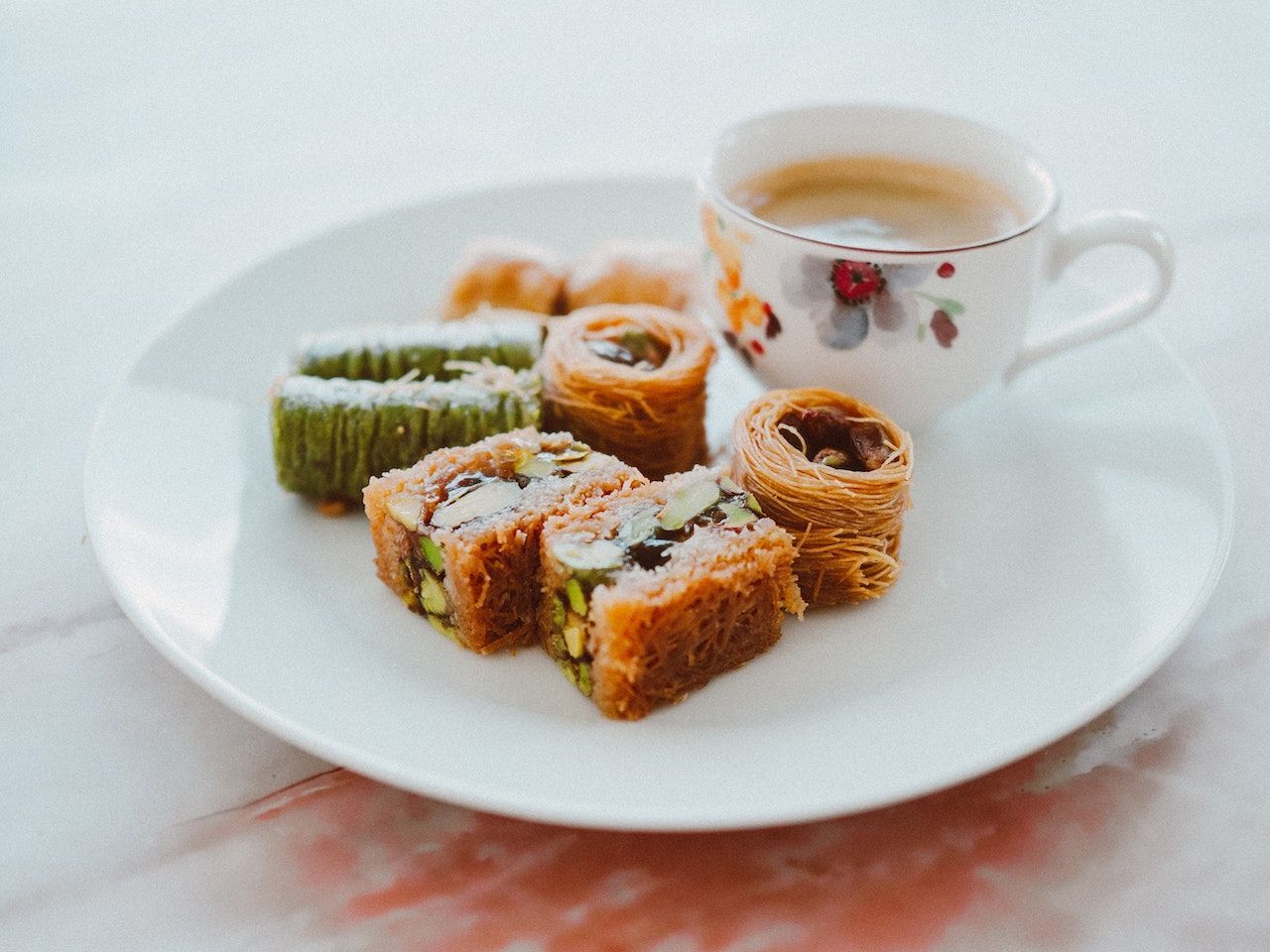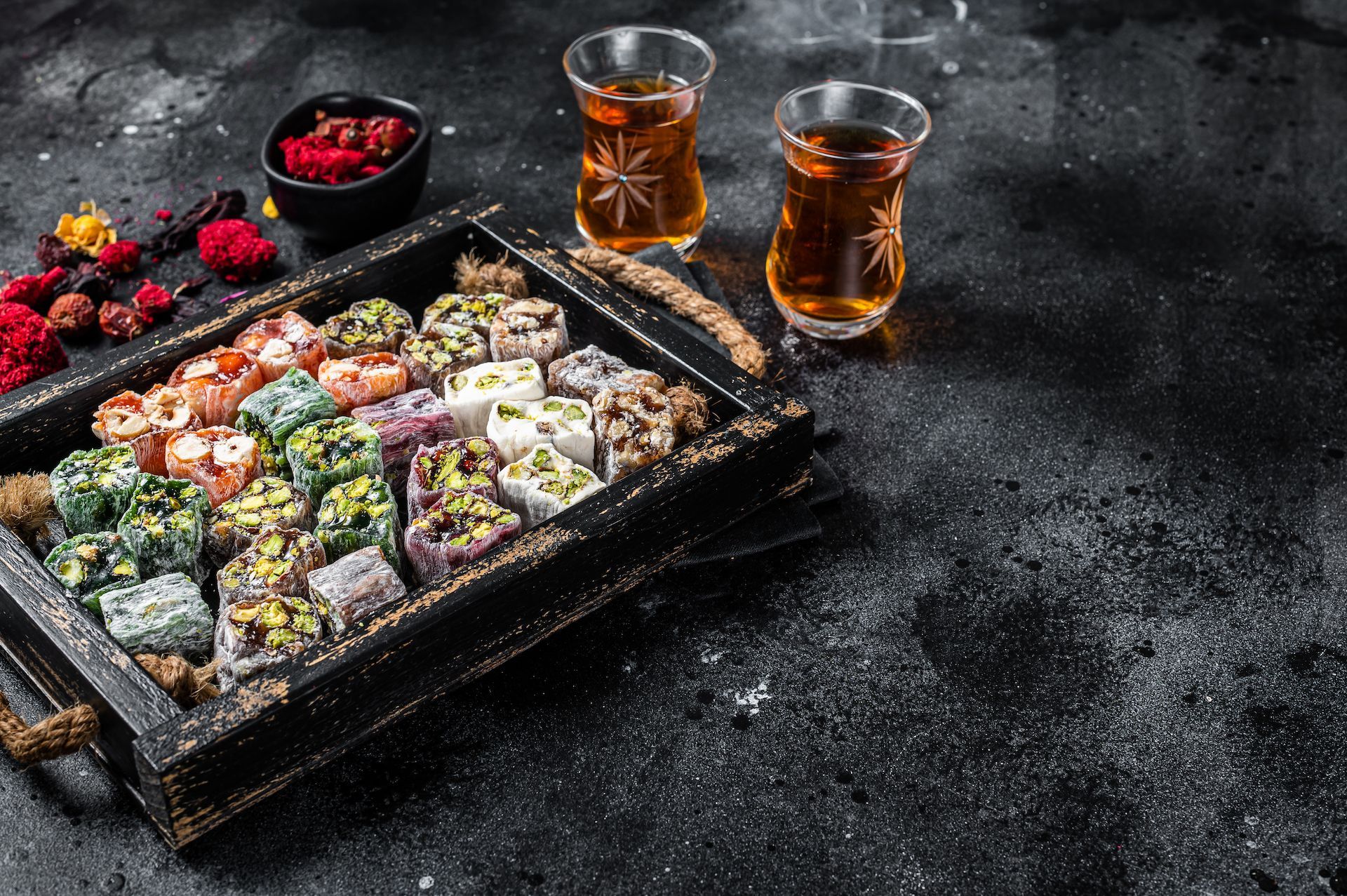
The best Turkish delight to try in Cappadocia is fresh, hand-cut lokum bought straight from a confectioner in Avanos, Göreme or Ürgüp — look for double-roasted pistachio (fıstıklı), pomegranate, and the local walnut-and-grape-must cevizli sucuk. Buy it loose by weight from a busy shop so it is soft and recently made, not the cellophane-wrapped boxes sold in airport gift shops. This guide covers the flavours worth tasting, where to buy good lokum across the region, how to tell real quality from tourist filler, and a few legendary Istanbul makers if your trip passes through the city.
Turkish delight pairs perfectly with the rest of the region's table — see our Cappadocia local food guide for the testi kebab, manti and wines that round out a meal here.
What Is Turkish Delight (Lokum)?
Lokum is a soft, chewy confection made by slowly cooking sugar and starch into a gel, then folding in flavourings and nuts before it sets and is dusted with icing sugar or coconut. The craft dates back centuries and was perfected by Istanbul confectioners in the 18th and 19th centuries. Good lokum is gently springy and clean-tasting; cheap versions are rubbery, cloyingly sweet, or stiff from too much starch. In Cappadocia you will find it sold everywhere from village grocers to dedicated sweet shops, and most will let you taste before you buy.
Best Flavours to Taste First
If you only try a handful, start with these. Most shops sell a mixed box so you can sample several at once:
- Fıstıklı (double pistachio) — packed with whole Antep pistachios; the benchmark for quality. The greener and more generous the nuts, the better the maker.
- Cevizli sucuk — a Cappadocia and Central Anatolian speciality: walnuts threaded on a string and dipped in thickened grape must (pekmez), sliced like a sausage. Chewy, fruity and far less sweet than classic lokum.
- Nar (pomegranate) — tangy, ruby-red and refreshing; a good foil to the richer nutty styles.
- Gül (rose) — the classic perfumed Istanbul flavour, pale pink and floral.
- Cinnamon, bergamot and hazelnut — warmer, aromatic options that travel well as gifts.
- Çifte kavrulmuş (double-roasted) — a denser, chewier texture prized by locals; ask for it by name.
Where to Buy Turkish Delight in Cappadocia
You do not need to wait for Istanbul to find excellent lokum. The Cappadocian towns each have reliable spots, and buying locally means it is fresher and usually better value.
Avanos
Famous for pottery and its riverside cafés, Avanos also has long-standing confectioners and grocers selling cevizli sucuk and pekmez-based sweets — a natural pairing with a visit to the town's potters. Combine it with a wider loop using our Cappadocia day trips and combinations guide, and read about the town's craft heritage in our Avanos pottery tradition guide.
Göreme
The most touristy hub, so prices on the main street run higher — but several shops near the centre offer generous tastings and vacuum-pack boxes for travel. Buy here for convenience after exploring the Göreme Open-Air Museum (entry €20), then compare prices before committing to a big box.
Ürgüp
Ürgüp's market and old town have well-regarded sweet shops and is also the heart of Cappadocia's wine country, so you can pair lokum tasting with a cellar visit. It is an easy base for the eastern valleys and underground cities such as Kaymaklı.
How to Spot Quality (and Avoid Tourist Traps)
- Buy loose by weight, not pre-boxed. Busy shops with high turnover sell the freshest, softest lokum.
- Always taste first. Reputable confectioners expect it; if they refuse, walk away.
- Check the texture. It should be soft and gently springy, never rubbery, sticky-hard or sandy with excess starch.
- Look at the nuts. Real fıstıklı shows whole, green pistachios throughout — not a thin nut layer hiding plain jelly.
- Mind the sugar dusting. A light coat is normal; a thick snowdrift often hides cheap, over-sweet product.
- Compare prices per kilo between two or three shops in the same town before buying a large box.
Famous Istanbul Makers (If Your Trip Passes Through)
Many travellers fly into Istanbul before reaching Cappadocia. If you have a day in the city, these historic confectioners are worth seeking out — all are long-established names with genuine pedigree:
- Hacı Bekir — one of the oldest and most famous makers, dating to the 18th century, with its original shop near the Spice Bazaar in Eminönü. Flavours include rose, pistachio, pomegranate and cinnamon.
- Ali Muhiddin Hacı Bekir (Beşiktaş & Karaköy) — historic branches known for traditional pistachio and rose alongside the curious tavuk göğsü (chicken-breast milk pudding) and modern flavours like coconut and green apple.
- Özerlat — a family business of more than a century, with its original Kadıköy shop; try the cinnamon, bergamot and hazelnut.
- Koska — a well-known lokum and halva maker with all-natural ingredients in rose, orange and lemon.
- Karaköy Güllüoğlu — famous for baklava but also a strong line of pistachio, hazelnut and orange lokum.
- Şekerci Cafer Erol (Kadıköy) — a heritage confectioner offering pomegranate, raspberry and caramel lokum alongside other sweets.
- Hazer Baba — in business for over 125 years, with natural lokum in lemon, orange and chocolate.
Practical Tips for Buying and Bringing It Home
- Storage: lokum keeps for weeks at room temperature in a sealed box; keep it cool and out of direct sun, and reseal after opening so it doesn't dry out.
- Flying home: sealed boxes travel well in hand luggage; nut-heavy types like cevizli sucuk are sturdier than soft jelly styles.
- Gifts: ask the shop to vacuum-pack or box your selection — most do this for free and it survives the journey far better than loose pieces.
- Getting around to the shops: the towns are a short hop apart by car or taxi. For a current fare, use the live Cappadocia taxi price calculator rather than relying on a fixed quote.
Frequently Asked Questions
What is the most popular Turkish delight flavour?
Pistachio (fıstıklı) is the most prized, followed by rose and pomegranate. In Cappadocia, the regional walnut-and-grape-must cevizli sucuk is a local favourite that many visitors have never tried elsewhere.
Can I buy good Turkish delight in Cappadocia, or only in Istanbul?
You can buy excellent lokum across Cappadocia — Avanos, Göreme and Ürgüp all have reliable shops. Local purchases are usually fresher and better value than airport boxes, and the region has its own speciality, cevizli sucuk.
How can I tell if Turkish delight is good quality?
Good lokum is soft and gently springy, never rubbery or sandy, with a light sugar dusting and generous, visible whole nuts in the nutty varieties. Always taste before buying and prefer loose lokum sold by weight from a busy shop.
Does Turkish delight travel well as a gift?
Yes. Sealed or vacuum-packed boxes keep for weeks at room temperature and survive flights well. Nut-based styles such as cevizli sucuk are the most robust for the journey home.
When is the best time to plan a Cappadocia food-and-wine trip?
Spring and autumn are the most comfortable for walking the towns and tasting your way around. See our best time to visit Cappadocia guide to match your visit to the season and the grape harvest.