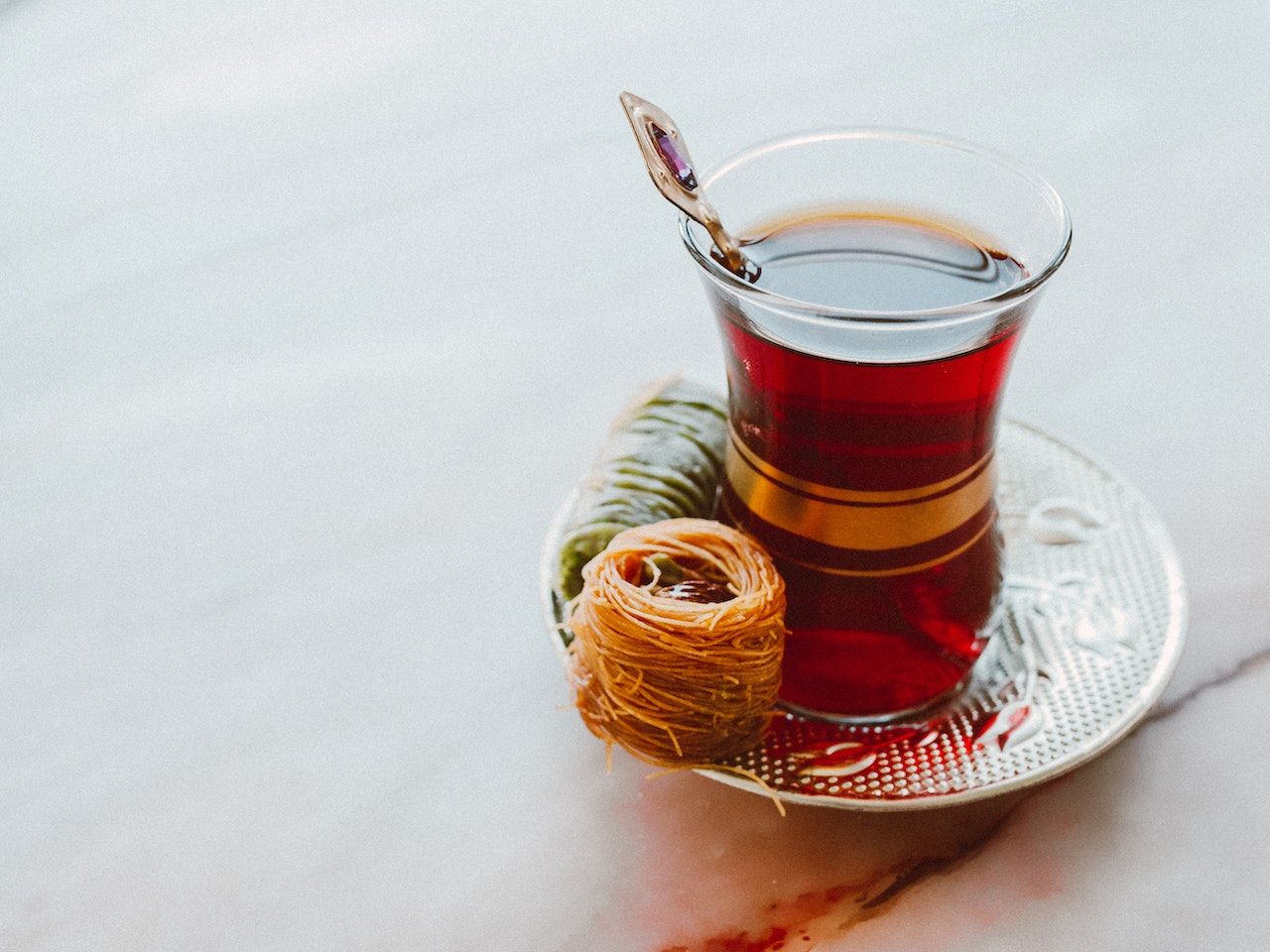
Turkish Tea in Cappadocia: A Çay Guide for Travellers
Classic black çay is Turkey's everyday tea: a strong amber brew served in a small tulip-shaped glass, usually with sugar offered separately. In Cappadocia you will also see apple, sage, linden and rosehip drinks, but quality and ingredients vary, especially in tourist-oriented blends.
Classic Çay — the tea you'll be offered everywhere
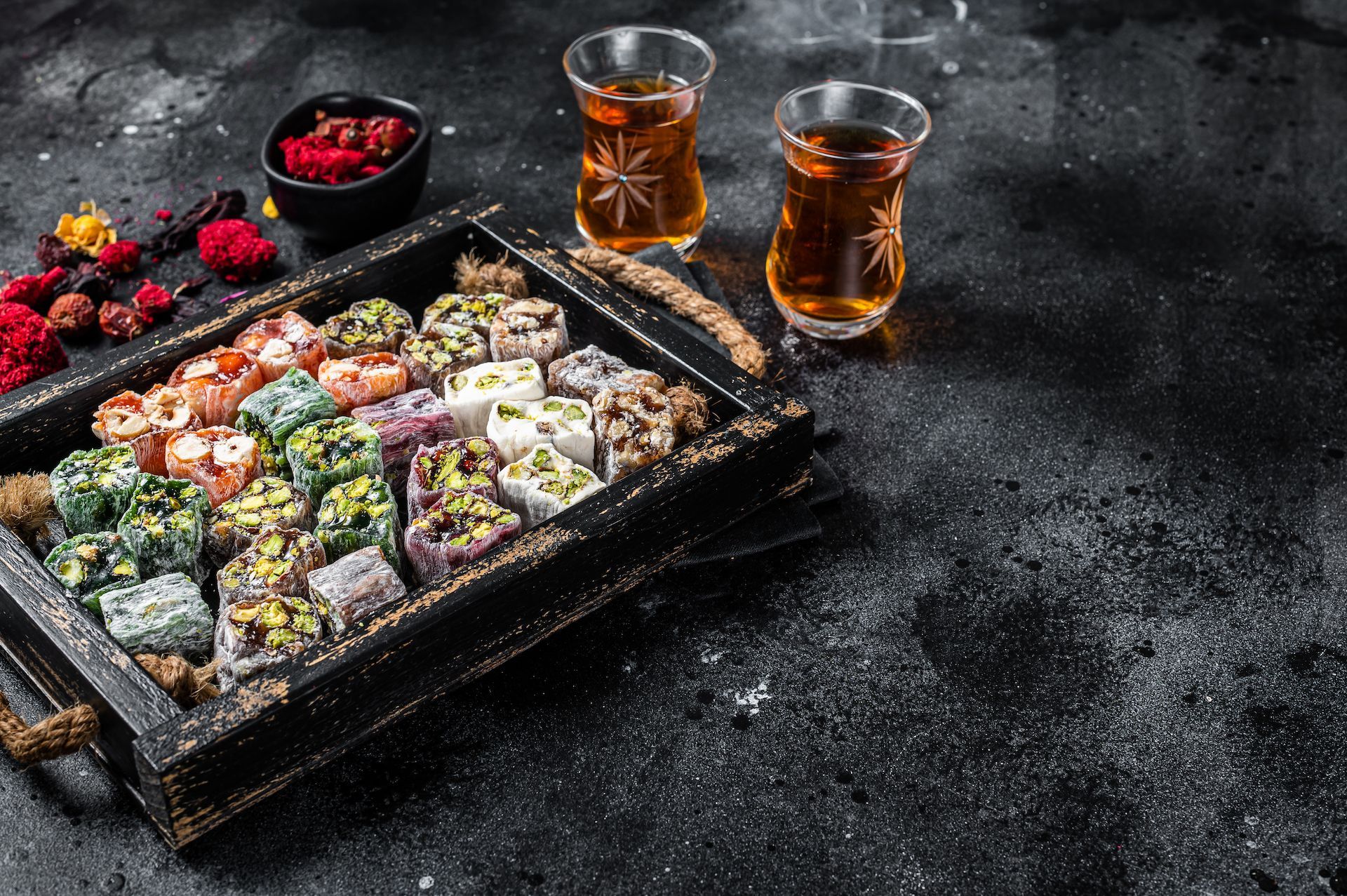
When a Cappadocian hands you tea, they mean çay: a black tea grown on the misty slopes of Rize on Turkey's eastern Black Sea coast and brewed in a stacked double kettle called a çaydanlık. Strong concentrated tea sits in the top pot; hot water waits below, so each glass is diluted to taste — ask for açık (light) or koyu (dark/strong). It arrives in a small curved glass on a saucer with a tiny spoon and sugar cubes; there is no milk. Refusing the first glass can feel abrupt, so accept it even if you only take a few sips — it is a genuine gesture of hospitality, not a sales tactic.
- Açık çay — diluted, lighter and good in the afternoon heat.
- Koyu çay — dark and bracing, the morning and after-meal default.
- Şekerli / sade — with sugar or without; locals stir sugar in but never add milk.
- Tavşan kanı — "rabbit's blood", the prized deep-red colour of a perfectly brewed glass.
Herbal and fruit teas worth trying
Cappadocia's dry climate and tourist cafes mean you'll also see a row of herbal infusions, often displayed in glass jars. These are the ones worth ordering — and the one to treat as a tourist souvenir rather than a local drink.
Apple tea (elma çayı)
Sweet, fruity and caffeine-free, apple tea is the cup most visitors fall for. Be aware there are two versions: a powdered, very sweet instant blend common in tourist spots, and a more natural infusion of real dried apple. It's a pleasant afternoon alternative to black tea and an easy choice if you're travelling with children or want something gentler in the evening.
Sage tea (adaçayı)
Sage tea is a genuine regional favourite, slightly bitter and herbal, usually softened with honey or a sugar cube. Locals drink it as a soothing, warming brew, especially in the cooler months, and many consider it good for a sore throat after a dusty day of hiking.
Linden, rosehip and 'Turkish delight' tea
Linden (ıhlamur) and rosehip (kuşburnu) are common winter infusions sold loose in Avanos and Göreme markets. The pink, rose-scented "Turkish Delight tea" you'll spot in souvenir shops is essentially a sweetened novelty blend — fun to take home, but not something a local would pour for everyday drinking.
Which tea should you order? A quick decision guide
- Want the authentic experience? Order plain black çay, koyu.
- Travelling with kids or avoiding caffeine? Apple tea or rosehip.
- Cold day or sore throat after a hike? Sage tea with honey.
- Hot afternoon and you'll have several glasses? Açık (light) çay.
- Looking for a gift to take home? Buy loose apple or rosehip tea — skip the bright-pink instant blends.
Tea-drinking etiquette in Cappadocia
Hospitality runs on tea here, and a few small habits help you fit in. Hold the glass by the rim, not the body, because it is genuinely hot. Stir gently — clinking is fine — and rest the spoon on the saucer when you're done. To signal you've had enough, place your spoon across the top of the glass; otherwise a host or carpet-shop owner may keep refilling it. In a shop, accepting tea puts you under no obligation to buy anything, so relax and enjoy it.
What Turkish tea costs
Tea prices vary sharply between an everyday tea garden, a restaurant and a panoramic hotel terrace. Check the current menu rather than relying on an old lira figure, and remember that a high terrace price usually reflects the venue and view rather than a different brewing method.
Where to drink çay in Cappadocia
Half the pleasure is the setting. These are the kinds of places locals and seasoned travellers seek out for a glass with a view.
- Göreme rooftop terraces — sip çay at sunrise while hot-air balloons rise over the valleys. Pair it with a hot-air balloon ride morning.
- Uçhisar Castle viewpoints — cafes around the base of Uçhisar Castle (entry €9) serve tea with the region's widest panorama.
- Avanos riverside tea gardens — by the Kızılırmak river, often combined with a pottery workshop where tea comes with the demonstration.
- Göreme Open-Air Museum cafe — a glass after exploring the rock-cut churches (museum entry €20).
- Village çay bahçesi — any small tea garden in Ortahisar or Çavuşin for the everyday, local version.
For a fuller taste of the region's kitchen, read our Cappadocia local food guide, and slot tea stops into your day with our top things to do in Cappadocia.
Tea vs Turkish coffee — which to try?
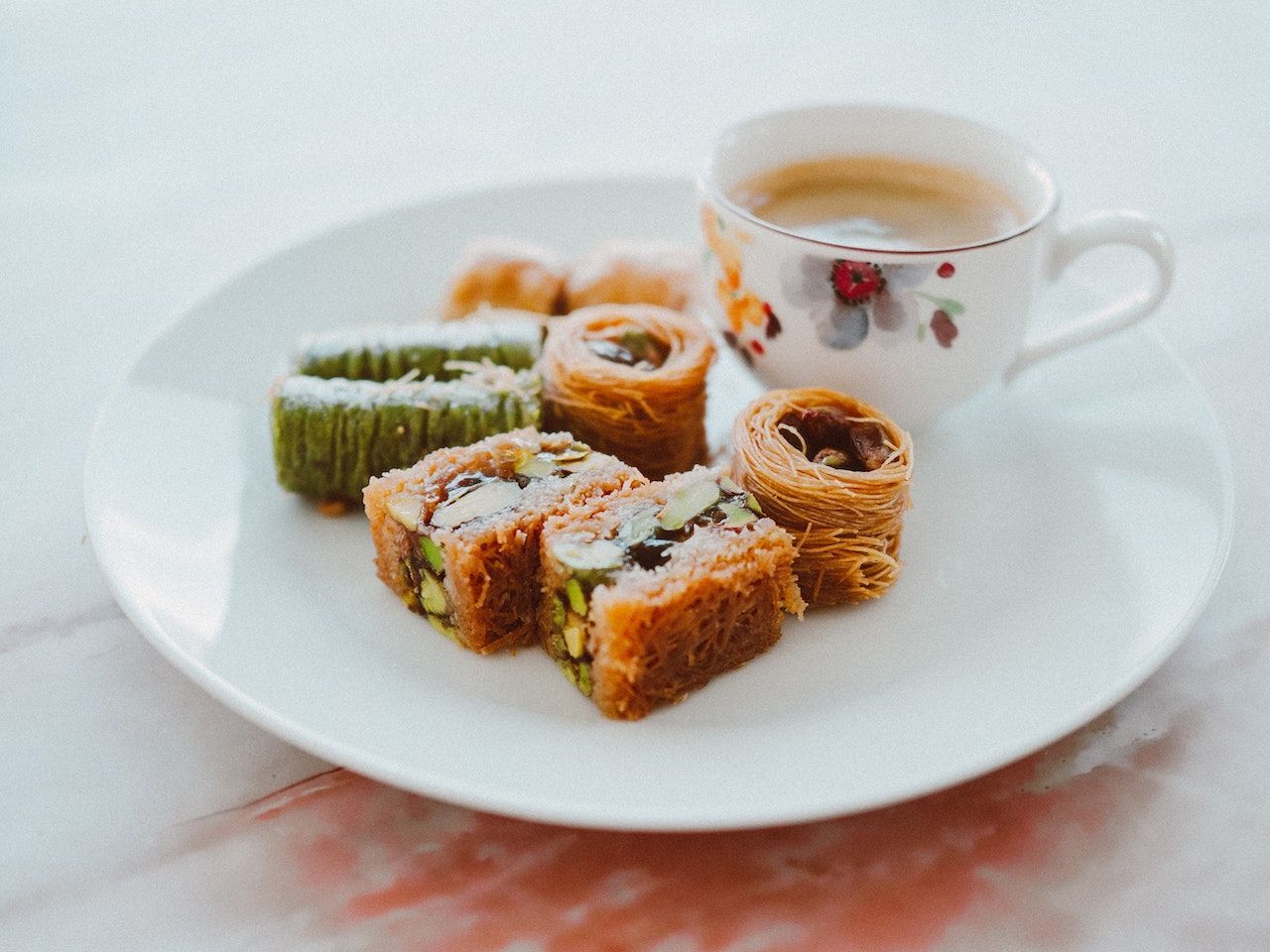
Çay is the all-day drink; Turkish coffee (kahve) is the special-occasion, after-meal cup, thick and unfiltered with the grounds left to settle. If you have time for both, take tea throughout the day and save a small cup of Turkish coffee for after dinner — traditionally followed by reading the future in the leftover grounds. Most cafes serve both, so you don't have to choose just one.
Frequently asked questions
Is Turkish tea the same as chai?
No. "Çay" simply means "tea" in Turkish and sounds like "chai", but Turkish çay is a plain strong black tea with no milk or spices — quite different from the spiced milk chai of South Asia.
Does Turkish tea have a lot of caffeine?
Black çay is caffeinated and brewed strong, so it's noticeably more stimulating than a typical Western cup. If you're sensitive, ask for it açık (light), or switch to apple, sage or rosehip tea, which are caffeine-free.
How do I order tea politely?
Ask for "bir çay" (one tea). You can request "açık" for lighter tea or "koyu" for stronger tea. If you do not want another glass, a simple "teşekkürler" or "yeterli" is clearer than relying on a supposed universal spoon signal.
Can I buy Turkish tea to take home?
Yes — loose black Rize tea and natural apple or rosehip blends are sold in the markets of Avanos and Göreme and make light, inexpensive gifts. A small two-tier çaydanlık teapot is the ideal keepsake if you want to recreate the ritual.
Is tea always free in shops?
No. Some workshops, guesthouses or shops offer tea as hospitality, while others charge normally. Accepting a drink should not create an obligation to buy, but ask if the situation is unclear and decline politely if you are uncomfortable.
Whether you take it koyu on a Göreme rooftop at sunrise or as a calming sage infusion after a hike, sharing çay is one of the warmest and most authentic things you can do in Cappadocia. For more local know-how, see our practical travel tips before you go.