Sadrazam Karavezir Hammam
The Sadrazam Karavezir Hammam is a working Ottoman bathhouse built in 1778 in the town of Gülşehir, about 20 km north-west of Nevşehir, and it is one of the few historic hamams in Cappadocia still firing its furnace and welcoming bathers today. Commissioned by grand vizier Karavezir Seyit Mehmet Paşa, it remains a quiet, authentic alternative to the polished spa hamams of the resort towns — a genuine slice of 18th-century life that still functions as it always has.
If you want a real Turkish bath experience away from the tourist crowds of Göreme and Ürgüp, this is one of the most atmospheric and historically intact bathhouses in the region. Below you'll find its history, what to expect inside, how to get there from the main Cappadocia bases, and practical tips for visiting.
A little history: the grand vizier who built a town
Gülşehir was formerly known as Arapsun, and in antiquity as Zoropassos. For centuries it was a small village under the jurisdiction of Uçhisar. Its transformation into a proper district came during the reign of the Ottoman Sultan Abdülhamid I, thanks to the investments of his grand vizier, Karavezir Seyit Mehmet Paşa, who was himself a native of the town.
Seyit Mehmet Paşa endowed Gülşehir with a remarkable cluster of public works: six fountains, a mosque, a school, a madrasa, a library, an inn (han) and this bathhouse. Completed in 1778, the Karavezir Hamam was originally built to serve the relatives and guests of the grand vizier who travelled in from outside the town. Only later was it opened to local residents — and it has been heating its stones for visitors ever since. According to its long-time operator Yalçın Deveci, the building was last fully restored about 15 years ago.
What to expect inside
The hamam follows the classic three-part Ottoman layout, with each room hotter than the last:
- Soğukluk (changing room) — the cool entrance hall where you undress, wrap up and relax before and after your bath.
- Ilıklık (warm room) — reached through a round-arched doorway from the changing room; a gentle warm space that prepares the body for the heat.
- Sıcaklık (hot room) — the heart of the hamam, covered by a stone dome. It has five taps and marble basins (kurnalar), where you pour warm water and let the steam and heat do their work.
What makes this hamam special is how it is heated. Unlike modern bathhouses that run on natural gas or central heating, the Karavezir Hamam is still warmed entirely by wood fire beneath the floor — the traditional hypocaust principle that has heated Turkish baths for centuries. Locals say the dry stone heat is restorative: a session is widely believed to ease aches, refresh the mind and help those who struggle with sleep. Whatever the science, the slow ritual of warming, washing and resting is undeniably calming.
How to get there
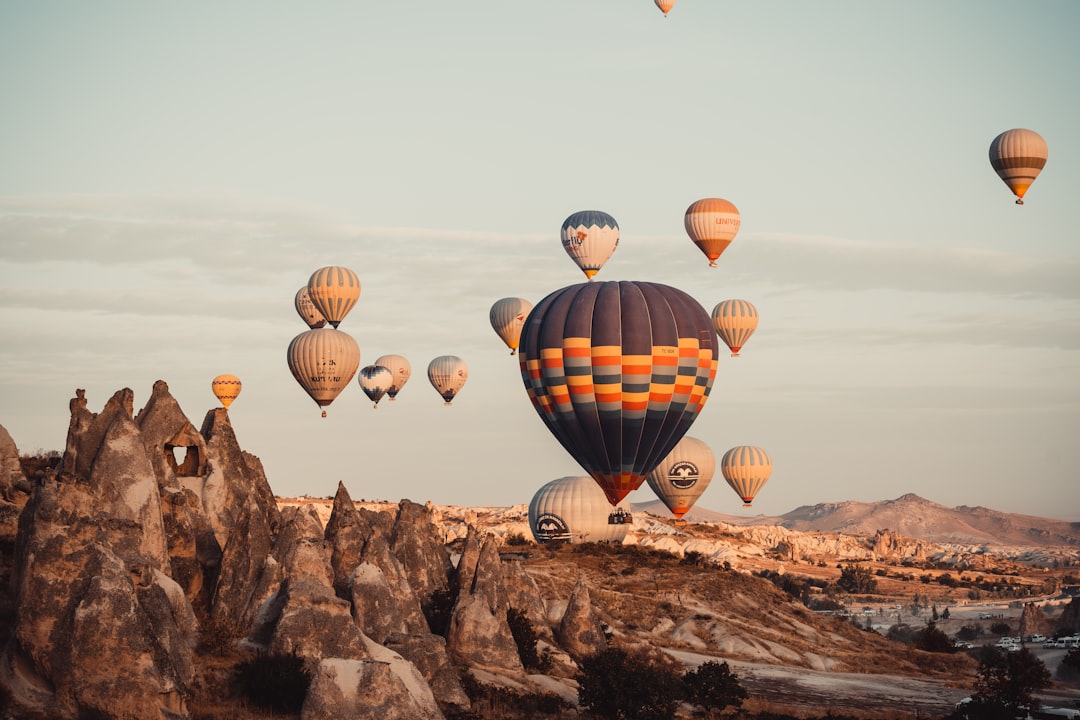
The hamam sits in the centre of Gülşehir, on the south bank of the Kızılırmak (Red River). Gülşehir is roughly 20 km from Nevşehir, about 25 km from Avanos and around 35–40 km from Göreme. There is no balloon-launch glamour here — it is a normal working Cappadocian town, which is exactly the point.
- By car: the easiest option; it is a straightforward 30–45 minute drive from most Cappadocia hotels, and easy to combine with the nearby Açıksaray ruins or the St. Jean (Karşı) Church on the same outing.
- By dolmuş (minibus): regular minibuses connect Nevşehir and Gülşehir for a few lira, though schedules thin out in the evening.
- By taxi or private transfer: the simplest door-to-door choice if you are not driving. For a current quote, check the live Cappadocia transfer price calculator rather than relying on a fixed figure.
Because Gülşehir is on the northern edge of the region, the hamam pairs naturally with a wider itinerary. See our Cappadocia day-trip combinations for ideas, and our practical travel tips for getting around the region.
Tips for your visit
- Hamams traditionally run separate sessions or hours for men and women — phone ahead or ask your hotel to confirm the current schedule before you go.
- Bring a change of underwear and flip-flops; a peştemal (cotton wrap) and towel are usually provided, but a small extra towel is handy.
- Drink plenty of water before and after — the dry heat is dehydrating.
- Go slowly: ease into the warm room first, then the hot room, and allow time to cool down and rest in the changing room afterwards.
- This is a small, local bathhouse rather than a luxury spa — come for authenticity and history, not pampering, and you will not be disappointed.
A visit here sits beautifully alongside Cappadocia's other heritage highlights. If you enjoy this kind of living history, explore the rock-cut churches and frescoes in our history, churches and heritage guide, or browse the region's best experiences in our top 10 things to do in Cappadocia.
Frequently asked questions
How old is the Sadrazam Karavezir Hammam?
It was built in 1778 by the Ottoman grand vizier Karavezir Seyit Mehmet Paşa, making it well over 240 years old. It was last restored around 15 years ago and is still in active use.
Is the hamam still open to visitors?
Yes. Unlike many historic bathhouses that have become museums, the Karavezir Hamam still operates as a working hamam, heated by wood fire, and serves both locals and visitors. It is wise to confirm the day's hours and men's/women's sessions before arriving.
Where is it located?
In the centre of Gülşehir, on the south bank of the Kızılırmak River, about 20 km from Nevşehir and roughly a 30–45 minute drive from Göreme and the main Cappadocia hotels.
What is the difference from a modern spa hamam?
This is a genuine 18th-century Ottoman bathhouse heated by fire rather than gas, with original marble basins and a domed hot room. The experience is traditional and local rather than a polished resort spa.