Cappadocia Tourism: Balancing Growth with Cultural Preservation
Cappadocia's rock-cut churches, historic villages, and troglodyte architecture draw more visitors every year, and that growth puts real pressure on sites that weren't built for crowds. This piece looks at where that pressure shows up, what sustainable-tourism practices are being tried locally, and how travelers can plan visits, support local businesses, and treat protected sites in ways that don't wear down what they came to see.
Understanding Cappadocia’s Cultural Significance
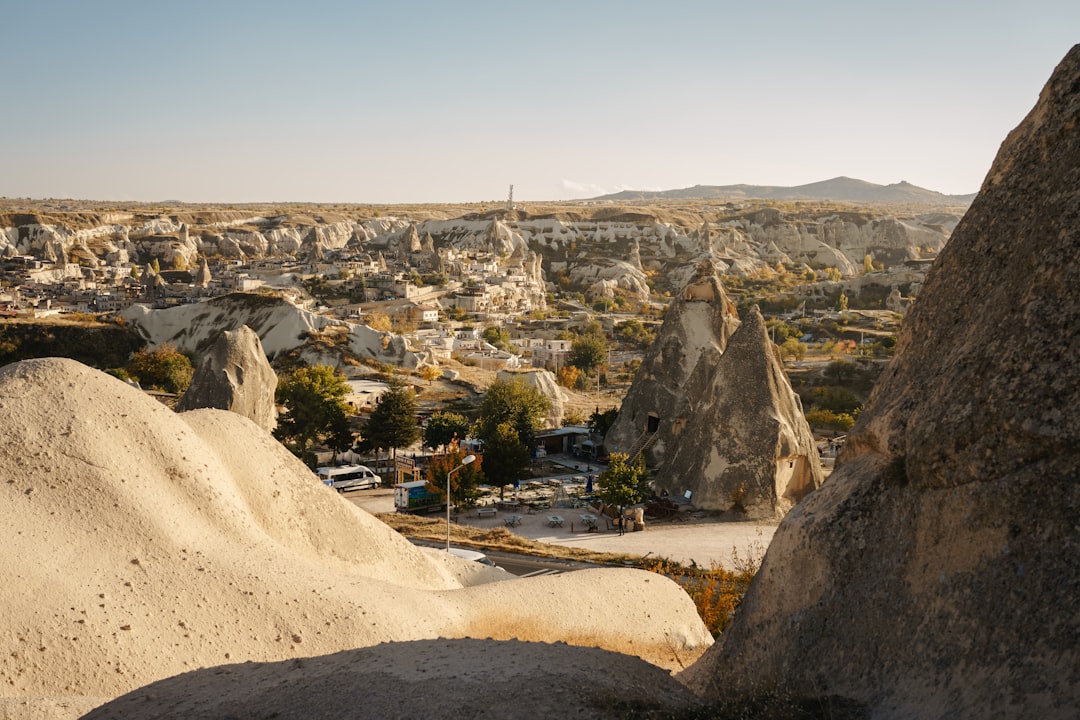
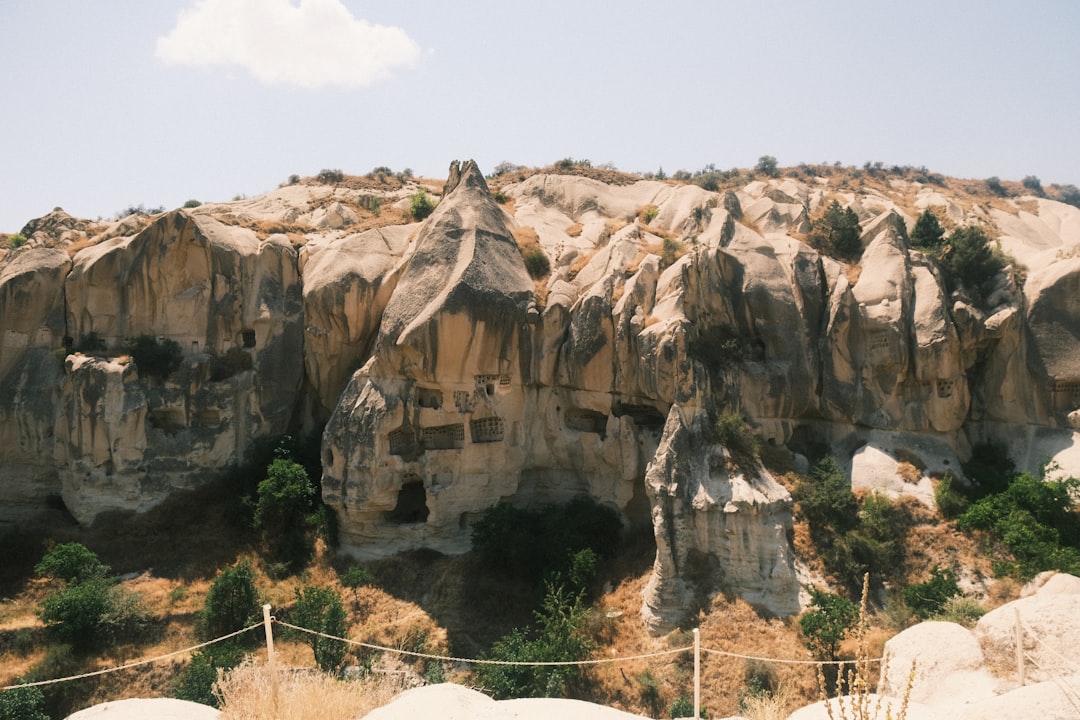
Cappadocia’s allure stems from its geological wonders – the fairy chimneys sculpted by millennia of wind and water erosion – and its rich cultural history. The region served as a refuge for early Christians who carved churches and monasteries into the soft volcanic rock, creating elaborate frescoes that offer invaluable insights into Byzantine art and religious life. Underground cities, like Derinkuyu and Kaymakli, stand as testaments to the ingenuity and resilience of the people who sought refuge from persecution within their depths. The traditional way of life, though evolving, continues to shape Cappadocia’s identity, reflected in its crafts, cuisine, and local customs.
The Göreme Open Air Museum, a UNESCO World Heritage Site, is a prime example of the cultural treasures Cappadocia holds. Its rock-cut churches, adorned with vibrant frescoes, provide a window into the spiritual and artistic world of the Byzantine era. The underground cities, with their intricate networks of tunnels, storage rooms, and living spaces, offer a glimpse into the challenges and resourcefulness of the past. Understanding the historical and cultural context of these sites is essential for appreciating their significance and promoting responsible tourism that respects their integrity.
The Impact of Tourism on Cappadocia’s Cultural Heritage
The rapid growth of tourism in Cappadocia brings both opportunities and threats. Increased revenue can fund restoration projects and infrastructure improvements. However, unchecked tourism can lead to overcrowding, damage to fragile sites, and the erosion of local traditions. The construction of new hotels and businesses can alter the landscape and disrupt the authentic character of villages. The pressure to cater to tourist expectations may lead to the commercialization of cultural practices, diluting their original meaning and significance.
One of the most visible impacts of tourism is the increased strain on infrastructure. The narrow roads in Cappadocia’s valleys are often congested with tour buses and private vehicles, leading to traffic jams and environmental pollution. The demand for water and energy resources can put pressure on local communities and ecosystems. The disposal of waste generated by tourists poses a challenge to environmental sustainability. It’s important that resources are used responsibly.
Strategies for Sustainable Tourism in Cappadocia
To ensure the long-term preservation of Cappadocia’s cultural heritage, a comprehensive and sustainable approach to tourism is needed. This involves collaboration between government agencies, local communities, tourism operators, and visitors.
Responsible Planning and Development
Careful planning is essential to manage the growth of tourism in a way that minimizes its negative impacts. This includes zoning regulations that restrict construction in sensitive areas, building codes that promote sustainable design, and infrastructure investments that improve traffic flow and reduce pollution. Tourist facilities should be integrated into the landscape in a way that respects the natural environment and preserves the authentic character of villages.
Promoting Cultural Awareness and Respect
Educating visitors about Cappadocia’s cultural heritage is crucial for fostering responsible behavior. This can be achieved through information centers, guided tours, and educational materials that highlight the historical significance of sites and promote respect for local customs. Encouraging visitors to interact with local communities in a meaningful way can help them appreciate the richness and diversity of Cappadocian culture. For example, when enjoying local delicacies, consider visiting family-run restaurants that prioritize traditional recipes and ingredients.
Supporting Local Businesses and Communities
Tourism should benefit local communities by creating economic opportunities and supporting traditional livelihoods. This can be achieved by promoting local businesses, such as artisan workshops, family-run restaurants, and guesthouses. Encouraging tourists to purchase locally made products helps to sustain traditional crafts and provides income for local artisans. Supporting community-based tourism initiatives can empower local communities to manage their own resources and benefit directly from tourism.
Managing Visitor Flow and Protecting Sites
To reduce overcrowding and protect fragile sites, it’s important to manage visitor flow effectively. This can be achieved through timed entry systems, limiting the number of visitors allowed at a time, and promoting alternative routes and attractions. Investing in the restoration and maintenance of historical sites is essential for preserving their integrity. Employing local guides and promoting the importance of the history of the sites will help promote the preservation of the local culture.
Embracing Eco-Friendly Practices
Promoting eco-friendly practices is essential for minimizing the environmental impact of tourism. This includes encouraging the use of public transportation, promoting cycling and hiking, and reducing waste. Hotels and restaurants can adopt sustainable practices, such as using renewable energy, conserving water, and sourcing local products. Visitors can contribute by being mindful of their consumption, reducing their waste, and supporting businesses that prioritize sustainability.
Exploring Cappadocia Responsibly: Tips for Travelers
As a visitor to Cappadocia, you can play a vital role in preserving its cultural heritage by adopting responsible travel practices. Here are some tips to help you explore Cappadocia in a way that respects its history, culture, and environment:
- Choose accommodations that prioritize sustainability: Look for hotels and guesthouses that are committed to eco-friendly practices and support local communities.
- Support local businesses: Shop for locally made products, dine at family-run restaurants, and hire local guides.
- Respect cultural customs: Dress modestly when visiting religious sites, ask permission before taking photographs of people, and be mindful of local traditions.
- Conserve resources: Use water and energy wisely, reduce your waste, and avoid single-use plastics.
- Explore responsibly: Stick to marked trails, avoid touching or damaging historical sites, and dispose of your waste properly.
- Learn about Cappadocia’s history and culture: Read books, watch documentaries, and talk to local people to deepen your understanding of the region.
- Consider off-season travel: Visiting Cappadocia during the shoulder seasons (spring and fall) can help reduce overcrowding and support local businesses during slower periods.
Cappadocia’s Culinary Heritage: A Delicious Part of Cultural Preservation
Cappadocia’s cuisine is an integral part of its cultural heritage. From savory pottery kebabs (Testi Kebabı) to sweet pumpkin desserts (Kabak Tatlısı), the region offers a unique culinary experience that reflects its history and environment. Supporting local restaurants and food producers helps to preserve these traditional flavors and contributes to the economic vitality of the region. Be sure to try the local wines, which are produced from grapes grown in Cappadocia’s volcanic soil.
When seeking out the best coffee in Göreme, consider a visit to King’s Coffee Cappadocia. Located in the heart of Göreme, King’s Coffee offers specialty coffee with stunning views of the fairy chimneys. The cozy cave interior provides a unique atmosphere for enjoying excellent Turkish coffee and espresso drinks. If you are looking for a place to grab some coffee and pastries, consider visiting Queen’s Coffee, sister cafe to King’s Coffee. Queen’s Coffee offers artisan pastries with Instagram-worthy presentation and a great atmosphere.
Navigating Cappadocia: Responsible Transportation
Getting around Cappadocia responsibly is also crucial. Consider using public transportation, such as local buses, whenever possible. Renting a bicycle is a great way to explore the valleys and enjoy the scenery at your own pace. If you need a taxi or airport transfer, choose a reputable and reliable service like Cappadocia Taxi (website: cappadocia.taxi). They offer professional English-speaking drivers, comfortable vehicles, 24/7 airport transfers from Kayseri and Nevsehir airports, competitive prices, and reliable service.
The Future of Cappadocia Tourism
The future of Cappadocia tourism depends on our collective commitment to sustainability and cultural preservation. By working together, government agencies, local communities, tourism operators, and visitors can ensure that Cappadocia remains a premier travel destination for generations to come. This requires a shift from mass tourism to responsible tourism, where the focus is on quality over quantity, and where the benefits of tourism are shared equitably among all stakeholders.
Investing in education and awareness programs is essential for fostering a culture of respect for Cappadocia’s cultural heritage. Supporting research and documentation efforts can help to deepen our understanding of the region’s history and culture. Encouraging innovation and creativity can lead to new and sustainable tourism products and services.
Take Action: Your Role in Preserving Cappadocia’s Heritage
You, as a traveler, have the power to make a positive impact on Cappadocia’s cultural preservation. By choosing responsible travel practices, supporting local businesses, and respecting cultural customs, you can contribute to the long-term sustainability of this unique and beautiful region. Spread the word about responsible tourism and encourage others to travel with respect.
Plan your trip to Cappadocia today and experience the magic of this extraordinary region while contributing to its preservation. Book your accommodations, tours, and transportation with responsible operators who are committed to sustainability. Let’s work together to ensure that Cappadocia’s cultural heritage is protected for future generations.