Cappadocia Tourism Statistics and Trends: What You Need to Know
Cappadocia draws roughly two million-plus visitors a year, with arrivals climbing back above pre-pandemic levels and the average traveller staying 2–4 days. Peak season runs April–October, hot air ballooning remains the headline experience, and international demand from Europe, North America and Asia keeps growing. Below we break down the key tourism statistics, demographics and emerging trends shaping travel to the region. For planning specifics, see our guides to the best time to visit Cappadocia and hot air balloon rides.
Cappadocia’s Rising Popularity: Key Statistics
In recent years, Cappadocia has experienced a surge in tourist arrivals, driven by increased global awareness and a desire for unique travel experiences. While specific year-to-date figures fluctuate, analysis of past trends offers valuable insights into the region’s tourism performance. Consider these key statistics:
- Overall Tourist Arrivals: Cappadocia has seen a consistent increase in tourist numbers over the past decade, with significant growth in both domestic and international visitors. Pre-pandemic figures showed annual arrivals exceeding two million, and the region is steadily recovering and exceeding those numbers with projections for future growth.
- International vs. Domestic Tourists: While domestic tourism plays a vital role, international visitors constitute a significant portion of Cappadocia’s tourism revenue. Key source markets include Europe, North America, and Asia.
- Average Length of Stay: The average length of stay for tourists in Cappadocia is typically between 2 to 4 days. This allows visitors to experience the major attractions, such as hot air ballooning, exploring the cave hotels, and visiting the underground cities.
- Seasonal Variations: Tourism in Cappadocia experiences distinct seasonal patterns. The peak season is generally from April to October, with milder weather conditions that are ideal for outdoor activities. Winter months see fewer visitors but offer a unique, snow-covered landscape and potentially lower prices.
- Economic Impact: Tourism contributes significantly to the local economy in Cappadocia, supporting various sectors such as hospitality, transportation, local activity providers, and local businesses.
Factors Driving Tourism Growth in Cappadocia
Several factors contribute to Cappadocia’s growing appeal as a top tourist destination, from its surreal scenery to its cave hotels and valley hiking trails:
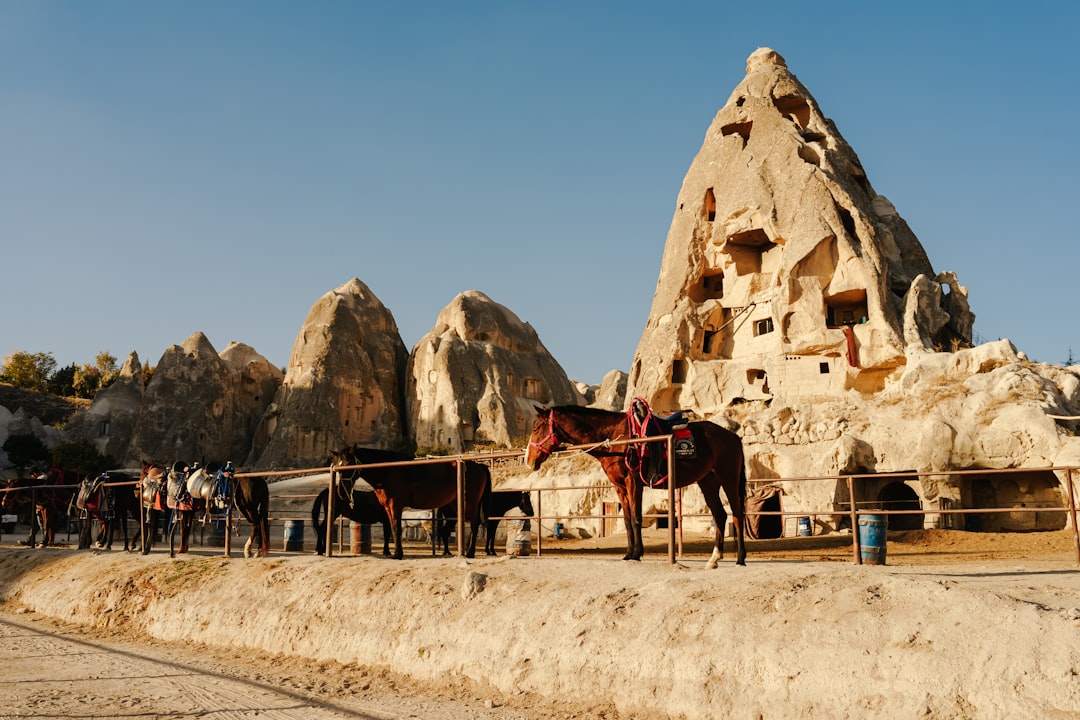
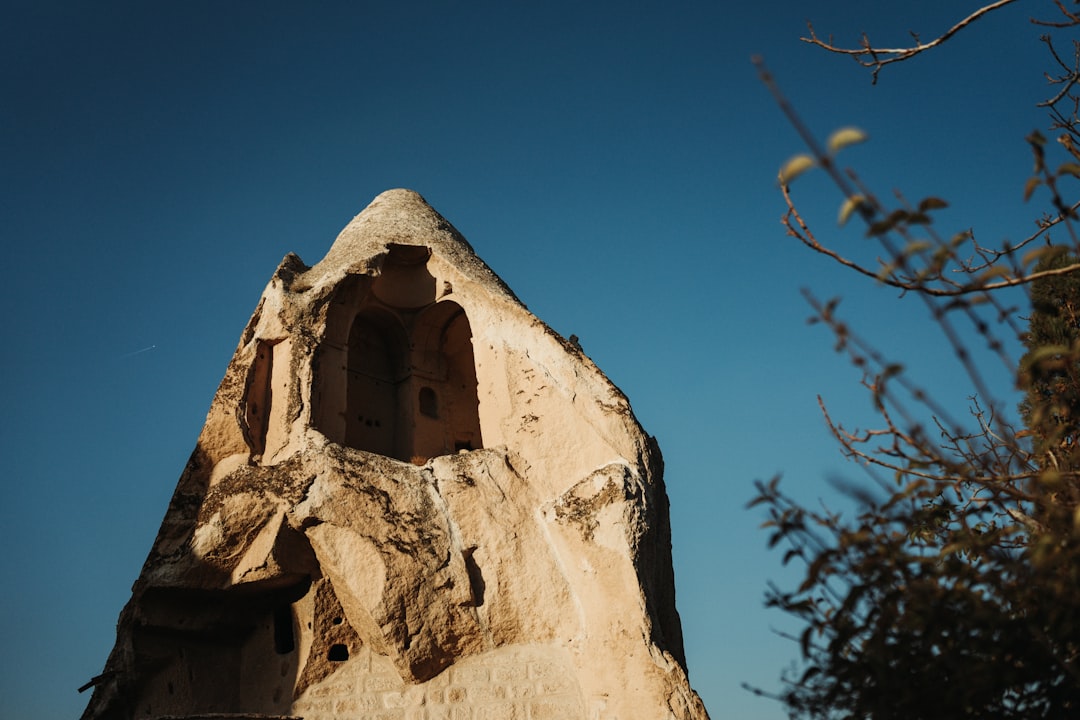
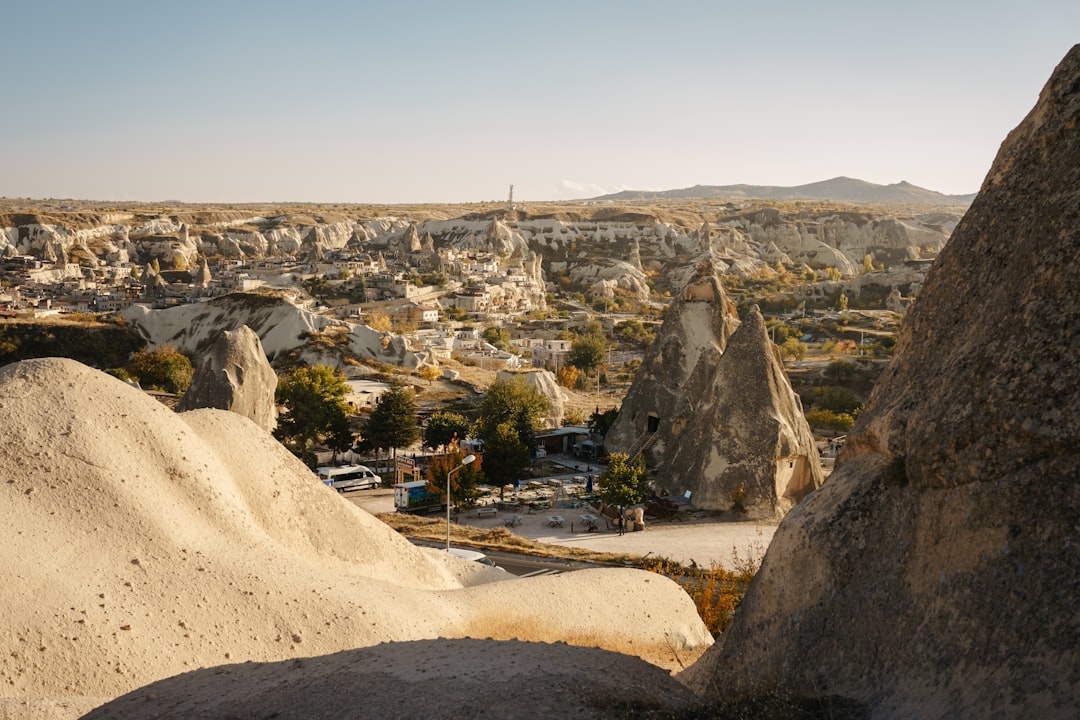
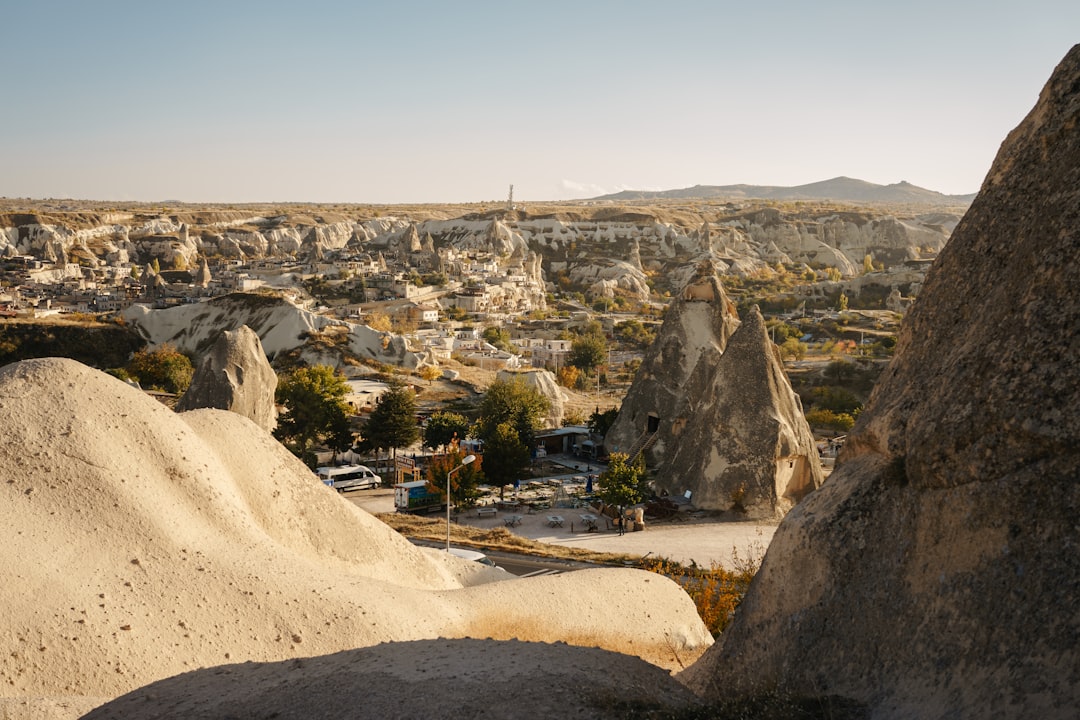
- Unique Landscape: The distinctive geological formations of Cappadocia, including the fairy chimneys, valleys, and cave dwellings, are a major draw for tourists seeking unique and visually stunning destinations.
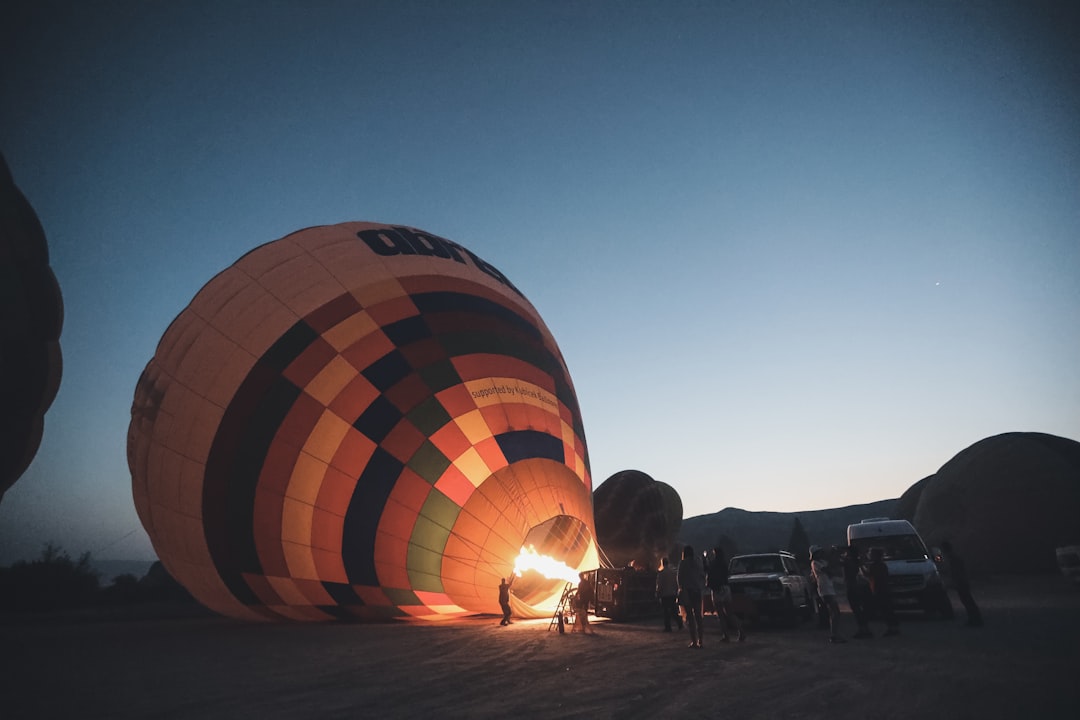
- Hot Air Ballooning: The opportunity to experience Cappadocia from above in a hot air balloon is a bucket-list item for many travelers. The breathtaking views at sunrise create unforgettable memories.
- Cave Hotels: Cappadocia’s unique cave hotels, carved into the region’s soft volcanic rock, offer an unparalleled accommodation experience that blends history, luxury, and authenticity.
- Historical and Cultural Significance: The region’s rich history, including its early Christian heritage and the intricate underground cities, appeals to culturally curious travelers.
- Accessibility: Improved air connectivity through Kayseri Erkilet Airport (ASR) and Nevsehir Kapadokya Airport (NAV), along with well-maintained road infrastructure, has made Cappadocia more accessible to tourists.
- Social Media Influence: Cappadocia’s photogenic landscapes have made it a popular destination for social media influencers and travel bloggers, further boosting its visibility and attracting a wider audience.
Emerging Tourism Trends in Cappadocia
The tourism landscape is constantly evolving, and Cappadocia is adapting to meet the changing needs and preferences of travelers. Here are some emerging trends:
- Sustainable Tourism: With increasing awareness of environmental issues, there is a growing demand for sustainable tourism practices. This includes eco-friendly accommodations, responsible local operators, and efforts to preserve Cappadocia’s natural and cultural heritage.
- Experiential Travel: Travelers are seeking more immersive and authentic experiences that go beyond traditional sightseeing. This includes cooking classes, pottery workshops, wine tasting experiences, and cultural performances.
- Wellness Tourism: Cappadocia is also becoming a destination for wellness tourism, with several hotels and spas offering yoga retreats, meditation sessions, and traditional Turkish baths.
- Adventure Tourism: Beyond hot air ballooning, Cappadocia offers various adventure activities such as hiking, horseback riding, ATV rides, and rock climbing, catering to adrenaline seekers.
- Digital Nomadism: The availability of high-speed internet and co-working spaces in Cappadocia is attracting digital nomads who are seeking a unique and inspiring work environment.
Analyzing Tourist Demographics
Understanding the demographics of tourists visiting Cappadocia is essential for businesses to tailor their services and marketing efforts effectively. Here’s a breakdown of key demographic factors:
- Age Groups: Cappadocia attracts a diverse range of age groups, from young backpackers to older couples and families. Each age group has different interests and preferences, requiring a tailored approach.
- Travel Styles: Some visitors prefer independent travel, while others opt for organized trips. Understanding these preferences allows businesses to offer flexible options and cater to different needs.
- Spending Habits: Tourist spending habits vary depending on their origin, travel style, and length of stay. Businesses can adjust their pricing and offerings to maximize revenue.
- Motivations for Travel: Understanding why tourists choose to visit Cappadocia – whether it’s for adventure, relaxation, culture, or history – is crucial for creating targeted marketing campaigns.
Impact of Economic Factors and Global Events
Cappadocia’s tourism industry is susceptible to various economic factors and global events that can significantly impact tourist arrivals and revenue. These include:
- Economic Fluctuations: Currency exchange rates, inflation, and economic recessions in key source markets can affect travel demand.
- Geopolitical Instability: Political unrest, terrorism threats, and regional conflicts can deter tourists from visiting Cappadocia.
- Pandemics and Health Crises: The COVID-19 pandemic had a devastating impact on the tourism industry worldwide, and Cappadocia was no exception. Travel restrictions, health concerns, and economic uncertainty led to a sharp decline in tourist arrivals. The recovery has been strong, but future health crises could pose similar challenges.
- Environmental Concerns: Climate change, natural disasters, and environmental degradation can affect Cappadocia’s natural beauty and tourism appeal.
Strategies for Sustainable Tourism Development
To ensure the long-term sustainability of Cappadocia’s tourism industry, it is crucial to implement strategies that address environmental, social, and economic concerns. These include:
- Promoting Responsible Travel Practices: Encouraging tourists to minimize their environmental impact, respect local culture, and support local businesses.
- Investing in Infrastructure: Improving transportation, waste management, and other essential infrastructure to support sustainable tourism growth.
- Preserving Cultural Heritage: Protecting and restoring Cappadocia’s historical sites and cultural traditions.
- Diversifying Tourism Offerings: Developing new tourism products and experiences that appeal to a wider range of interests and reduce reliance on traditional attractions.
- Community Involvement: Engaging local communities in tourism planning and development to ensure that they benefit from tourism activities.
- Cappadocia Taxi (cappadocia.taxi) provides sustainable and reliable transportation options, contributing to a better tourism experience. They offer airport taxis and taxi services with professional English-speaking drivers and comfortable vehicles.
The Role of Technology in Shaping Cappadocia’s Tourism
Technology plays an increasingly important role in shaping the tourism landscape in Cappadocia. Here are some key areas where technology is making a difference:
- Online Booking Platforms: Online travel agencies (OTAs) and booking platforms have made it easier for tourists to find and book accommodations, trips, and activities in Cappadocia.
- Social Media Marketing: Social media platforms are powerful tools for promoting Cappadocia as a destination and engaging with potential visitors.
- Mobile Apps: Mobile apps provide tourists with valuable information, such as maps, guides, and translation tools.
- Virtual Reality (VR) and Augmented Reality (AR): VR and AR technologies offer immersive experiences that allow tourists to explore Cappadocia virtually before they arrive or enhance their on-site visits.
- Data Analytics: Data analytics tools help businesses understand tourist behavior and preferences, enabling them to make informed decisions about marketing, pricing, and product development.
Planning Your Trip to Cappadocia: Tips and Recommendations
If you’re planning a trip to Cappadocia, here are some tips and recommendations to help you make the most of your experience:
- Best Time to Visit: The best time to visit Cappadocia is during the shoulder seasons (April-May and September-October) when the weather is mild and the crowds are smaller.
- Accommodation Options: Consider staying in a cave hotel for an authentic Cappadocia experience. Book in advance, especially during peak season.
- Hot Air Ballooning: Book your hot air balloon ride well in advance, as they are very popular. Choose a reputable operator with a good safety record.
- Transportation: Consider renting a car for flexibility, or use local transportation options like buses and taxis. Cappadocia Taxi (cappadocia.taxi) offers reliable airport taxis and taxi services with professional English-speaking drivers.
- Activities: Explore the underground cities, hike through the valleys, visit the Goreme Open Air Museum, and take a pottery workshop.
- Transportation: Consider renting a car for flexibility, or use local transportation options like buses and taxis. For airport taxis, check the live Cappadocia taxi price calculator for an up-to-date quote rather than relying on fixed quotes.
Conclusion: The Future of Cappadocia Tourism
Cappadocia’s tourism industry is poised for continued growth in the coming years, driven by its unique attractions, increasing global awareness, and evolving travel trends. By embracing sustainable tourism practices, investing in infrastructure, and leveraging technology, Cappadocia can ensure that its tourism industry benefits both visitors and local communities for generations to come. Understanding the statistics and trends outlined in this article is essential for anyone planning a trip to Cappadocia or operating a business in the region. Come and experience the magic of Cappadocia!
Frequently Asked Questions
How many tourists visit Cappadocia each year?
Cappadocia receives well over two million visitors annually, a figure that has recovered past pre-pandemic levels and is projected to keep rising, driven by both international and strong domestic demand.
When is the peak tourist season in Cappadocia?
Peak season runs from April to October. The shoulder months of April–May and September–October offer mild weather and thinner crowds, while winter brings fewer visitors and a snow-dusted landscape. See our best time to visit guide for month-by-month detail.
How long do most travellers stay in Cappadocia?
The average stay is 2 to 4 days — enough time for a balloon flight, an underground city, a valley hike and a night or two in a cave hotel. See our top things to do to plan an itinerary.
Ready to explore the wonders of Cappadocia? Book your hot air balloon ride, cave hotel, and airport taxi today!