The Economic Powerhouse of Cappadocia Tourism
Cappadocia, Turkey, a land of breathtaking landscapes, ancient history, and unique cultural experiences, has emerged as a significant contributor to the Turkish economy. From its iconic hot air balloon rides floating over fairy chimneys at sunrise to its intricate network of underground cities, Cappadocia’s allure draws visitors from across the globe. This influx of tourism generates substantial revenue, fostering economic growth and supporting local communities. Understanding the Cappadocia tourism economic impact is crucial for appreciating the region’s significance and ensuring its sustainable development.
The Foundation: Cappadocia’s Tourism Assets
Cappadocia’s tourism industry is built upon its exceptional natural and cultural assets. These include:
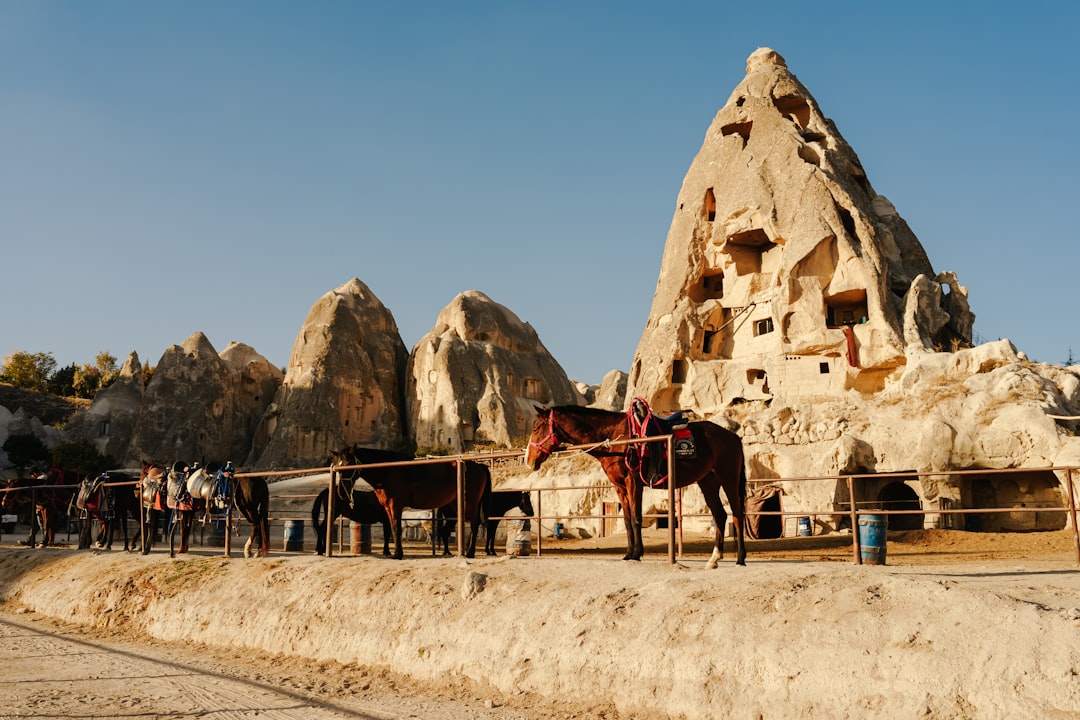
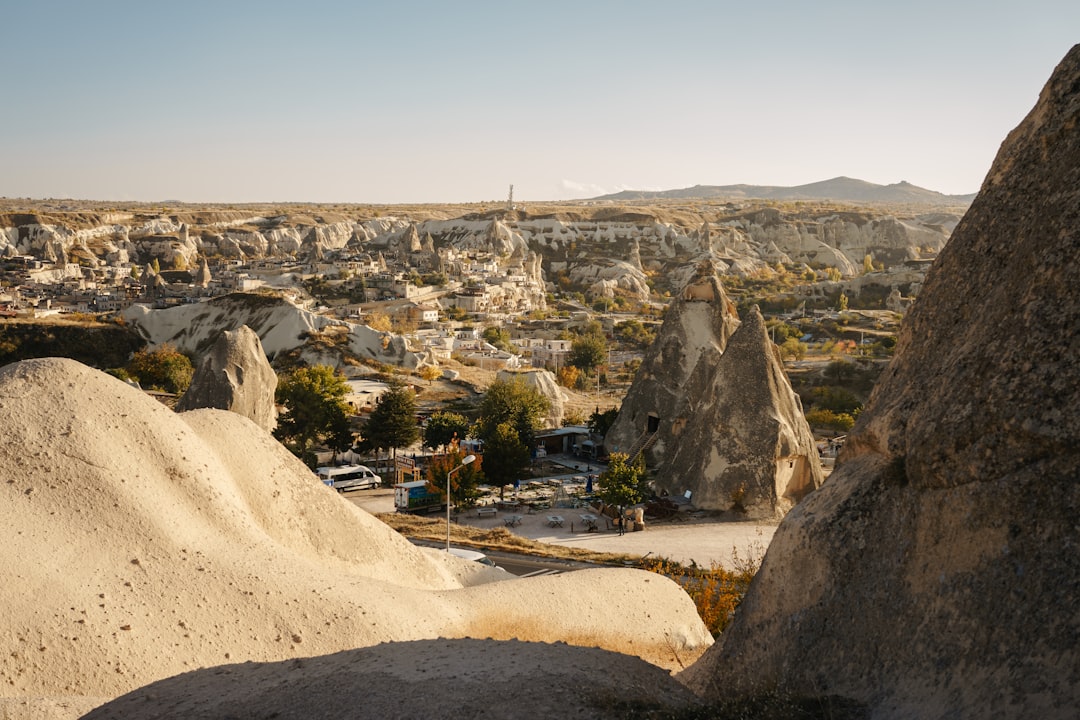
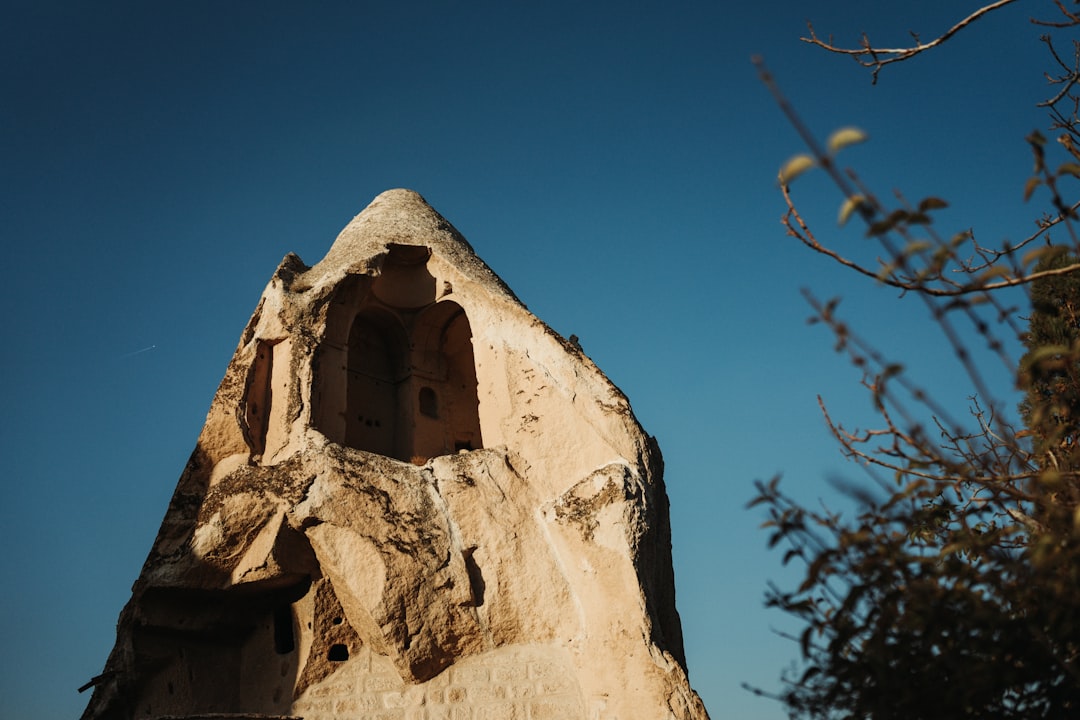
- Fairy Chimneys: These unique geological formations are a defining feature of the Cappadocian landscape, attracting photographers, hikers, and sightseers.
- Cave Hotels: Offering a one-of-a-kind accommodation experience, cave hotels provide luxurious comfort within ancient cave dwellings.
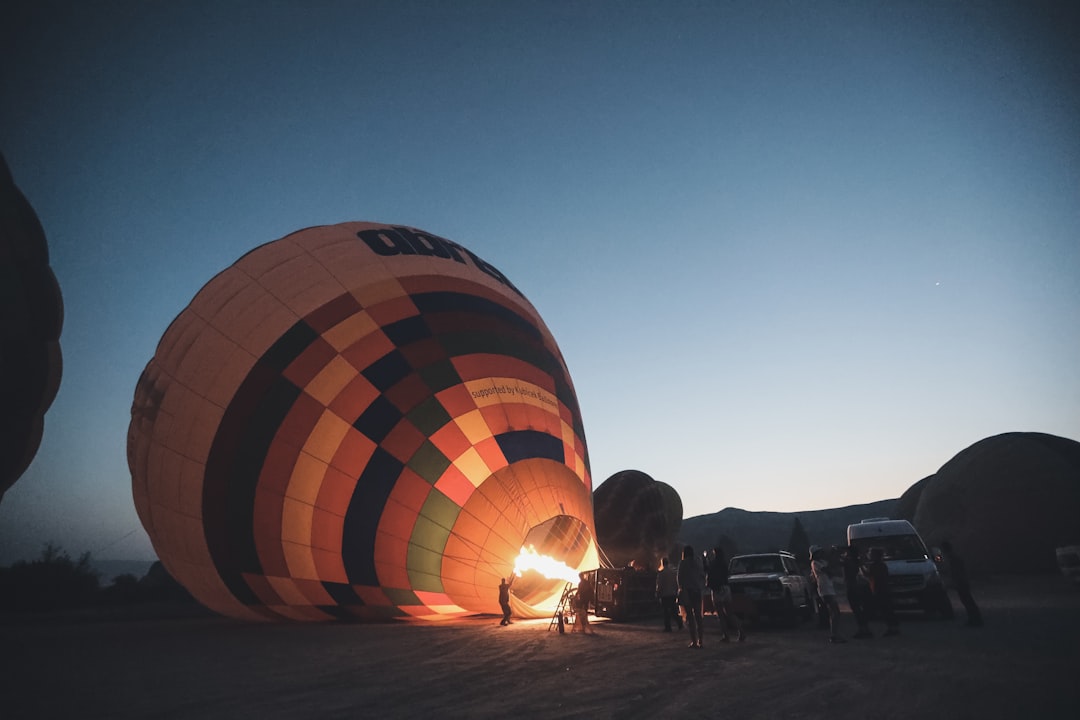
- Hot Air Balloon Rides: The quintessential Cappadocian experience, hot air ballooning offers unparalleled views of the region’s stunning scenery.
- Underground Cities: These ancient subterranean complexes provide a glimpse into the region’s rich history and the ingenuity of its early inhabitants.
- Hiking Trails: A network of trails crisscrosses the region, allowing visitors to explore its valleys, canyons, and hidden churches on foot.
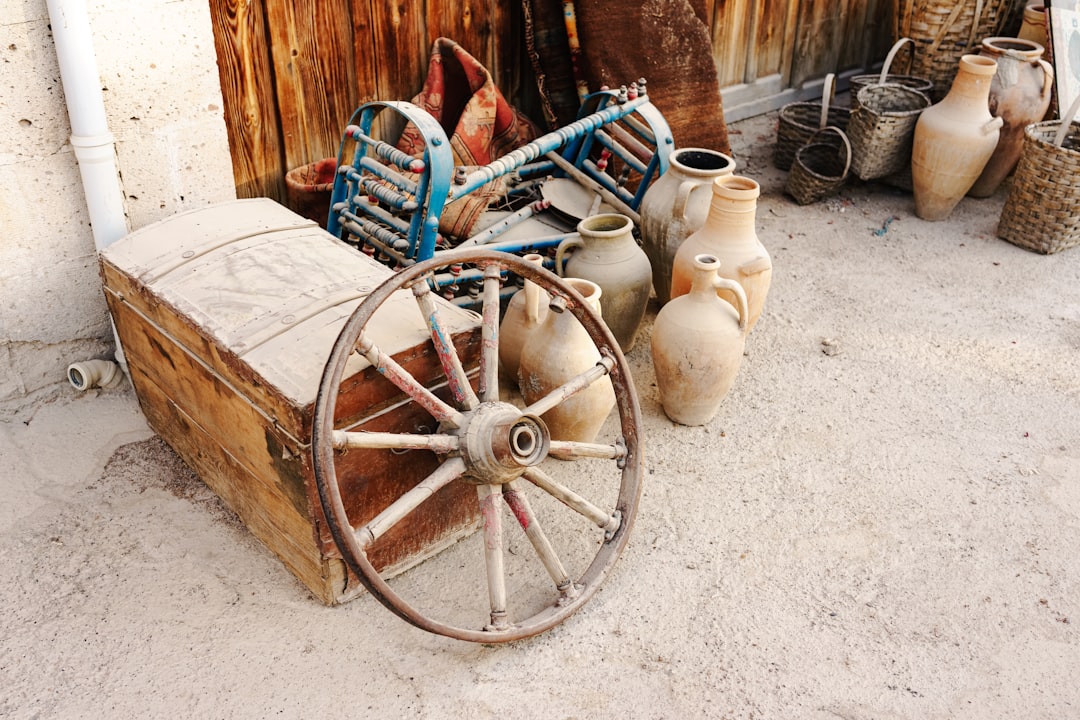
- Cultural Experiences: Cappadocia’s cultural heritage is reflected in its traditional crafts, cuisine, and hospitality.
These assets collectively create a compelling tourism product that appeals to a wide range of travelers, driving demand and fueling economic activity.
Direct Economic Contributions of Tourism
The direct economic contributions of tourism in Cappadocia are multifaceted and significant. They encompass:
- Accommodation Revenue: Hotels, guesthouses, and cave hotels generate substantial revenue from accommodation bookings. Occupancy rates are often high, particularly during peak season.
- Activity Provider Revenue: Providers specializing in hot air balloon rides, guided visits, and other activities contribute significantly to the local economy. These businesses employ pilots, guides, drivers, and support staff.
- Transportation Revenue: Transportation providers, including taxi services and shuttle companies, generate revenue from transporting tourists between airports, hotels, and attractions. Cappadocia Taxi (cappadocia.taxi) provides professional, reliable airport taxi rides from Kayseri and Nevsehir airports with English-speaking drivers and comfortable vehicles.
- Retail Revenue: Souvenir shops, handicraft stores, and other retail businesses benefit from tourist spending on souvenirs, gifts, and local products.
- Entrance Fees: Entrance fees to historical sites, museums, and other attractions contribute to the revenue stream, supporting the preservation and maintenance of these important cultural assets.
These direct revenue streams collectively create a substantial economic impact, supporting businesses and creating employment opportunities within the tourism sector.
Indirect and Induced Economic Impacts
Beyond the direct economic contributions, tourism in Cappadocia also generates significant indirect and induced economic impacts. These include:
- Supply Chain Effects: Tourism businesses rely on a network of suppliers for goods and services, including food, beverages, linens, cleaning supplies, and transportation. This creates demand for these products and services, supporting businesses in other sectors of the economy.
- Employment Multiplier Effect: The tourism industry creates jobs directly and indirectly. As tourism businesses grow, they hire more employees, who then spend their wages on goods and services, further stimulating the economy.
- Government Revenue: Tourism generates tax revenue for the government through various channels, including VAT (Value Added Tax) on goods and services, corporate income tax from tourism businesses, and personal income tax from tourism employees. This revenue can be used to fund public services and infrastructure development.
- Infrastructure Development: The growth of tourism often leads to investments in infrastructure, such as roads, airports, and utilities. These investments benefit not only tourists but also local residents, improving their quality of life.
- Increased Land Values: The demand for land for tourism-related development can lead to increased land values, benefiting landowners.
These indirect and induced effects amplify the overall economic impact of tourism, creating a ripple effect throughout the Cappadocian economy.
Employment Creation and Income Generation
Tourism is a major source of employment in Cappadocia. It provides jobs for a diverse range of individuals, including:
- Hotel staff (managers, receptionists, housekeeping staff, chefs, waiters)
- Local guides
- Hot air balloon pilots and crew
- Drivers
- Restaurant and cafe workers
- Retail staff
- Craftspeople
- Agricultural workers (supplying food to tourism businesses)
These jobs provide income for individuals and families, improving their living standards and contributing to the overall economic well-being of the region. Furthermore, tourism often creates opportunities for entrepreneurship, allowing local residents to start their own businesses and capitalize on the growing tourism market.
The Role of Hot Air Ballooning
Hot air ballooning is arguably the single most iconic and lucrative aspect of Cappadocia’s tourism industry. The breathtaking sight of dozens of balloons floating over the fairy chimneys at sunrise is a powerful draw for tourists from around the world. The hot air balloon industry generates significant revenue through:
- Balloon Ride Fees: Tourists pay substantial fees for hot air balloon rides, which are a major source of income for balloon companies.
- Related Services: The hot air balloon industry also supports related services, such as transportation to and from the launch sites, breakfast buffets, and commemorative photos and videos.
- Associated Spending: Tourists who participate in hot air balloon rides often spend money on other tourism activities, such as guided visits, accommodation, and dining.
The hot air balloon industry is a major employer in Cappadocia, providing jobs for pilots, crew members, ground staff, and support personnel. It also contributes to the region’s branding and marketing efforts, helping to attract even more tourists.
Challenges and Opportunities for Sustainable Tourism
While tourism brings significant economic benefits to Cappadocia, it also presents challenges. These include:
- Environmental Impacts: Tourism can have negative impacts on the environment, such as pollution, resource depletion, and habitat destruction.
- Cultural Impacts: Tourism can lead to the commercialization of culture and the erosion of traditional values.
- Infrastructure Strain: The influx of tourists can strain infrastructure, such as roads, water supplies, and waste management systems.
- Seasonality: Tourism in Cappadocia is highly seasonal, with peak periods in the spring and fall. This can lead to fluctuations in employment and income.
To address these challenges and ensure the long-term sustainability of tourism in Cappadocia, it is essential to adopt sustainable tourism practices. These include:
- Environmental Conservation: Implementing measures to protect the environment, such as reducing pollution, conserving water, and protecting wildlife habitats.
- Cultural Preservation: Promoting responsible tourism that respects local culture and traditions.
- Infrastructure Investment: Investing in infrastructure to accommodate the growing number of tourists.
- Diversification of Tourism Products: Developing new tourism products and experiences to attract visitors throughout the year.
- Community Involvement: Engaging local communities in tourism planning and development to ensure that they benefit from tourism and have a voice in its management.
By embracing sustainable tourism practices, Cappadocia can ensure that tourism continues to generate economic benefits while preserving its unique natural and cultural heritage for future generations.
The Future of Cappadocia Tourism and Its Economic Impact
The future of tourism in Cappadocia looks promising. The region’s unique attractions, combined with Turkey’s growing popularity as a tourist destination, are expected to drive continued growth in the tourism sector. However, to realize its full potential, Cappadocia must address the challenges of sustainable tourism and invest in infrastructure and marketing.
Specifically, the following strategies should be considered:
- Targeted Marketing Campaigns: Develop targeted marketing campaigns to attract specific segments of the tourism market, such as adventure travelers, cultural tourists, and luxury travelers.
- Digital Marketing: Invest in digital marketing to reach potential tourists online and promote Cappadocia’s attractions and experiences.
- Product Development: Develop new tourism products and experiences to diversify the tourism offering and appeal to a wider range of visitors.
- Partnerships: Foster partnerships between tourism businesses, government agencies, and local communities to promote sustainable tourism development.
- Training and Education: Provide training and education to tourism employees to improve service quality and enhance the visitor experience.
By implementing these strategies, Cappadocia can solidify its position as a leading tourism destination and maximize the economic benefits of tourism while preserving its unique character and environment.
Supporting Local Businesses in Cappadocia
When visiting Cappadocia, consider supporting local businesses to directly contribute to the region’s economic well-being. This can include:
- Staying in locally owned hotels or guesthouses.
- Purchasing souvenirs and handicrafts from local artisans.
- Using local transportation services, like Cappadocia Taxi (cappadocia.taxi), for airport taxi rides and transportation around the region.
- Taking guided visits led by local guides.
By making conscious choices to support local businesses, you can help to ensure that the benefits of tourism are shared throughout the community.
In conclusion, the Cappadocia tourism economic impact is substantial and far-reaching. By understanding the various ways in which tourism contributes to the region’s economy, we can appreciate its importance and work together to ensure its sustainable development for the benefit of both visitors and local communities. Plan your unforgettable Cappadocia adventure today!