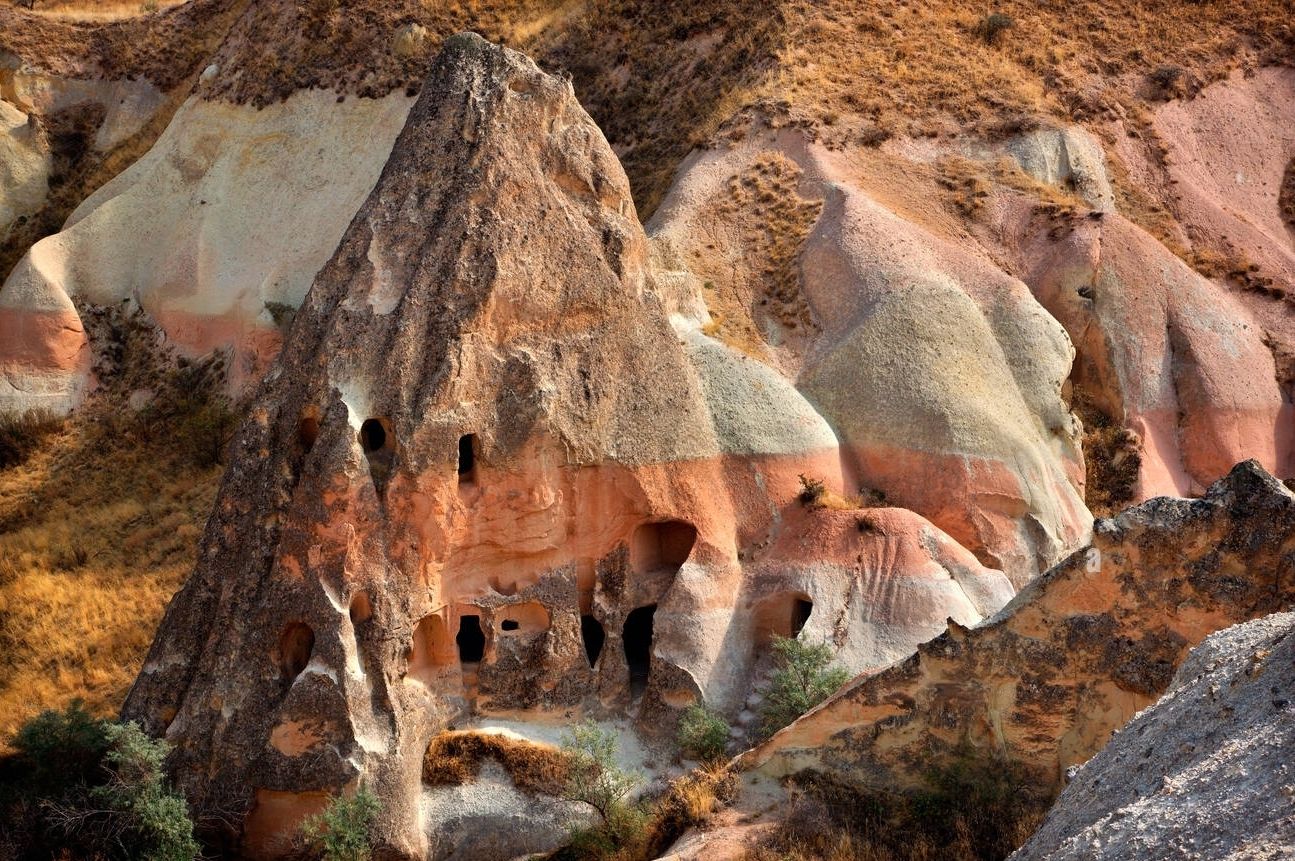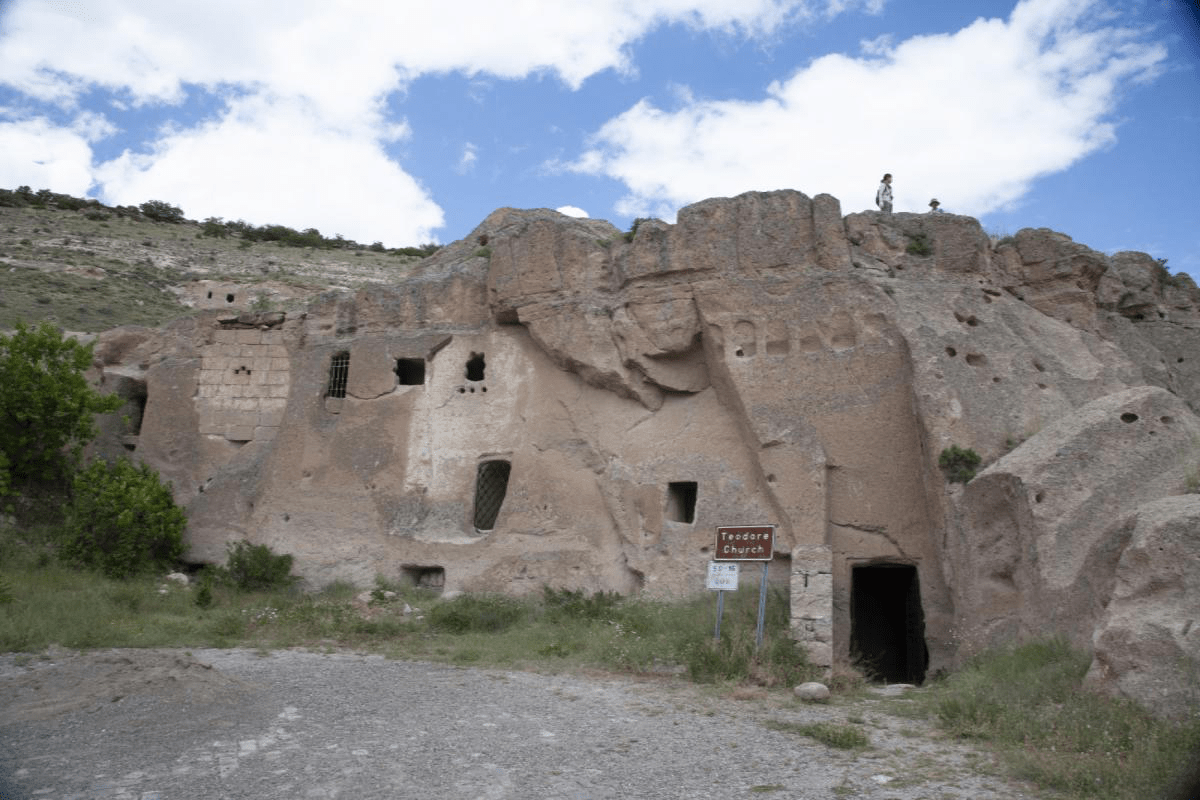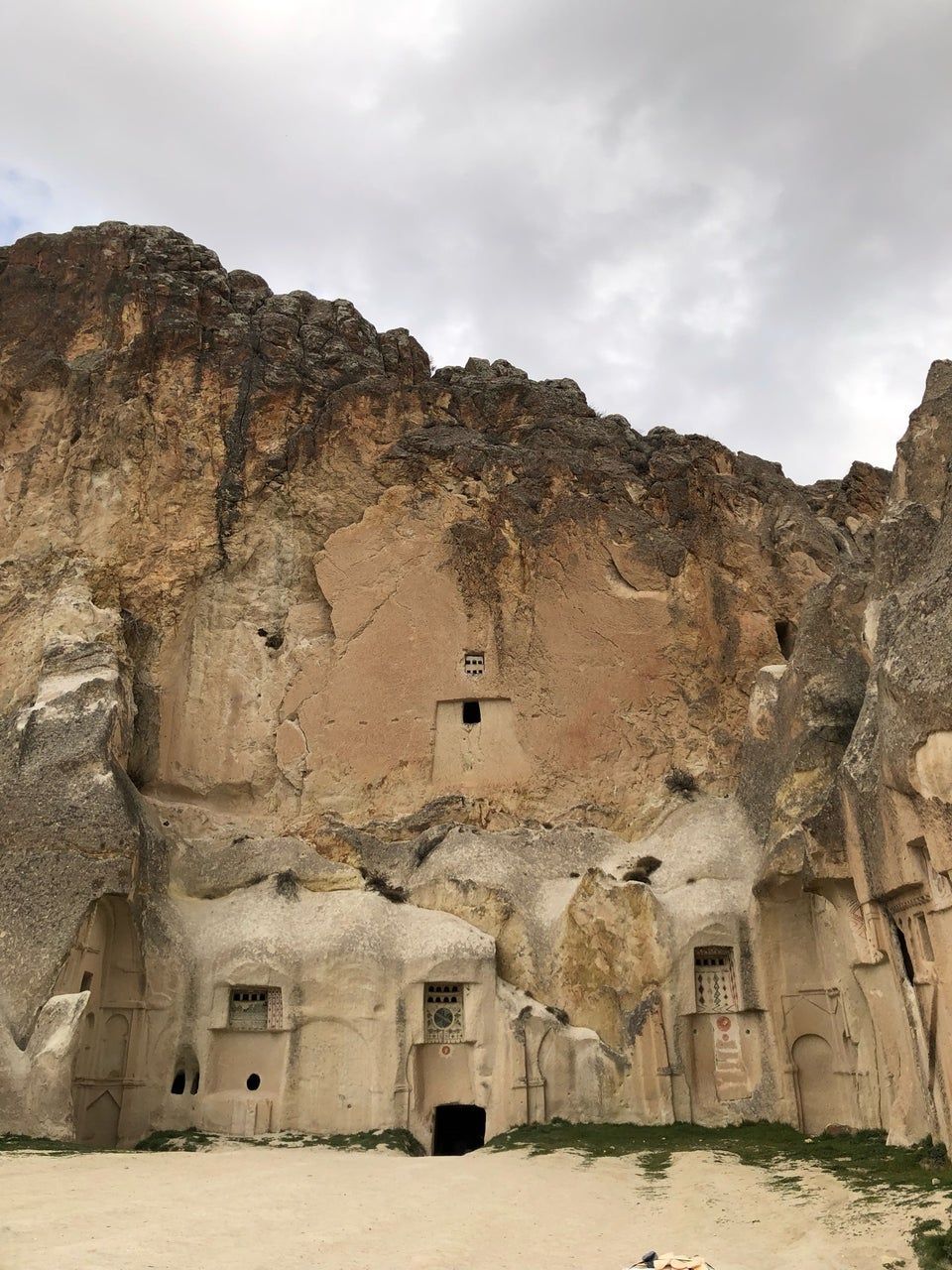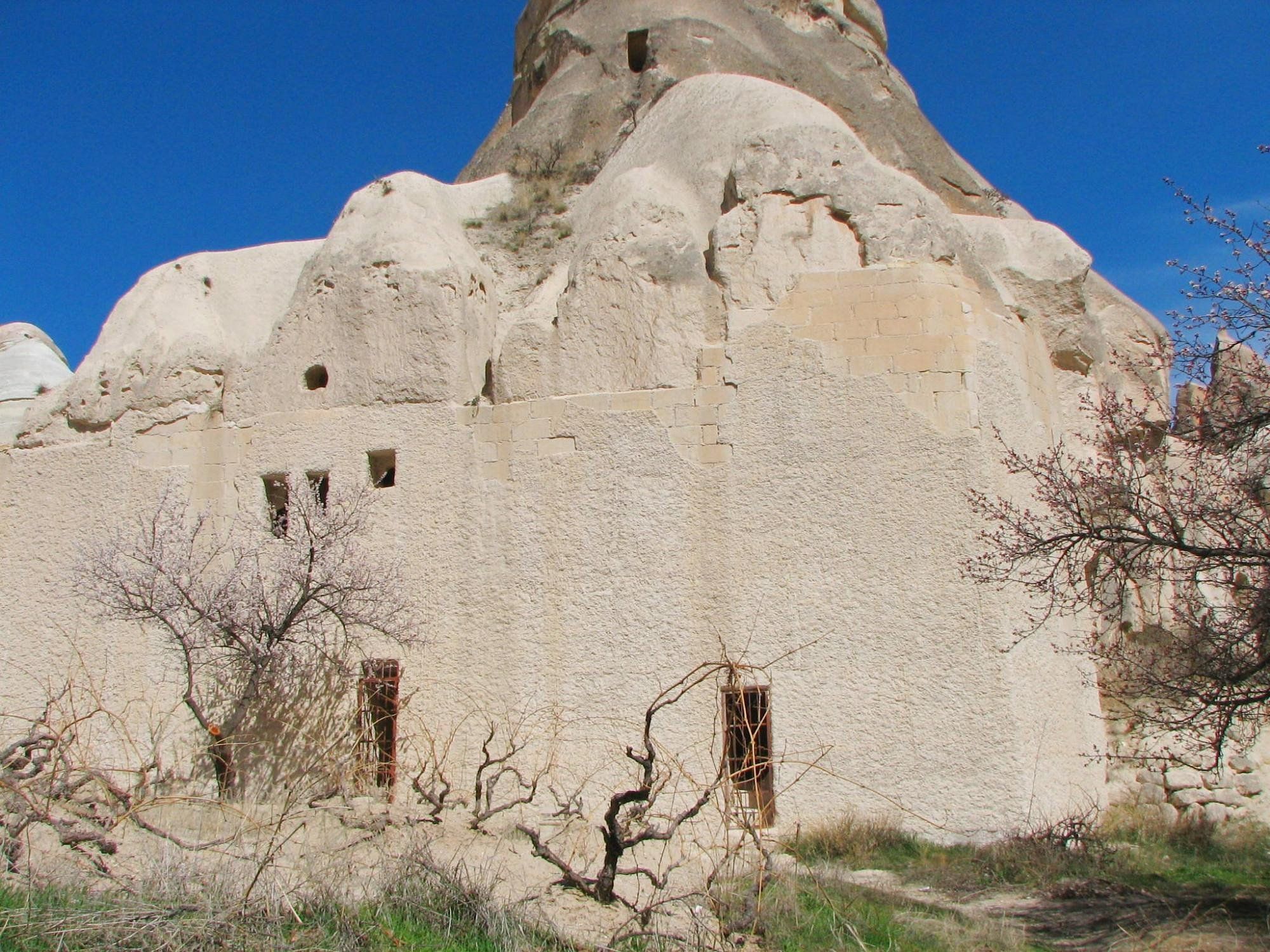
Cappadocia is home to more than 600 rock-cut churches, each carved by Byzantine hands into the region's soft tufa stone. Most follow a simple single-nave plan — a rough-hewn room, an apse, and whatever painted decoration the community could afford. The Column Church (Sütunlu Kilise) breaks that mould entirely. Step inside and you encounter carved stone columns rising from the floor to support arched ceilings, mimicking the interior rhythm of a classical basilica. In a landscape where the ordinary is already extraordinary, the Column Church manages to be genuinely surprising.
History and Architecture
Scholars place the church's construction within the Byzantine golden age of Cappadocian rock-cut architecture, roughly the 9th to 11th centuries — the period when monastic communities across the Göreme valley competed to produce ever more refined sacred spaces. What makes the Column Church exceptional is its three-nave layout. The builders carved freestanding columns from the living tufa rock, leaving them in place to divide the interior into a central nave flanked by two side aisles. This required a precise understanding of how much stone to remove and how much to leave standing, with no second chances in a medium that cannot be replaced once cut away.
Replicating a classical basilica plan underground speaks to the sophistication of the patrons involved. Similar column churches exist elsewhere in Cappadocia — the Göreme Open Air Museum contains fine examples — but the Column Church stands as a compelling and less-visited representative of this rare typology, demonstrating that Byzantine builders in this remote Anatolian region were fully conversant with the formal language of Roman and Byzantine ecclesiastical architecture.
The Frescoes and Iconography
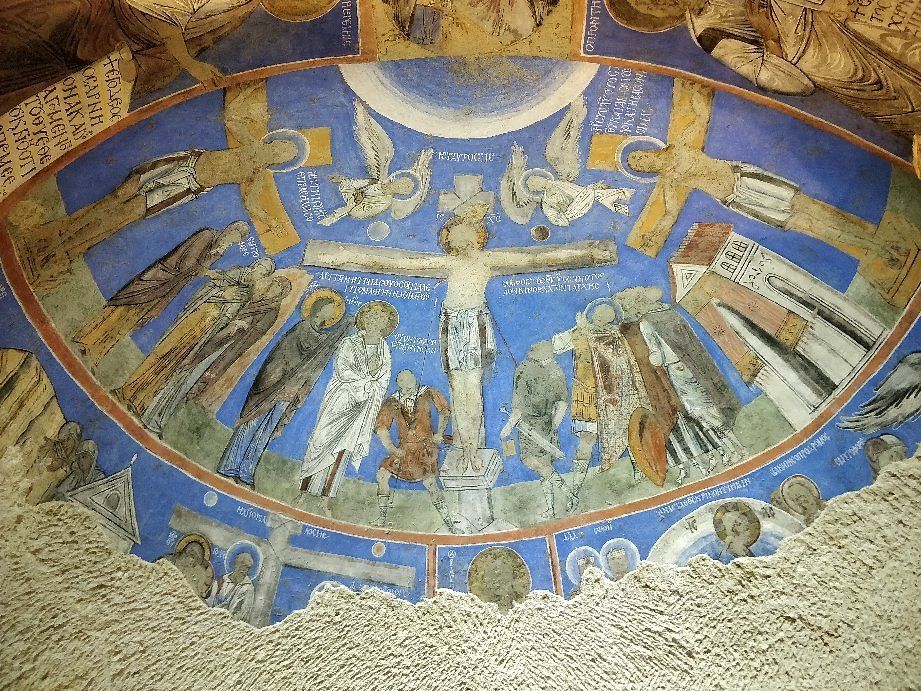
Byzantine church decoration followed a well-established theological programme: the apse reserved for Christ Pantocrator, the walls below devoted to narrative Gospel cycles, and the lower register populated with standing saints arranged as a heavenly court. The Column Church's painted decoration adheres to this tradition. Surviving frescoes include a Christ figure in the apse and saints presented in the hieratic frontal pose characteristic of middle Byzantine painting. Narrative panels on the walls once told Gospel stories in sequential scenes — visual scripture for a largely illiterate congregation.
The condition of these paintings is mixed, as it is in so many Cappadocian churches. Centuries of abandonment, moisture seeping through porous tufa, and scratched names left by later visitors have taken their toll. Some faces were deliberately defaced — a pattern common across the region, possibly reflecting iconoclastic episodes. Yet enough survives to give a vivid impression of the complete decorative scheme, and the faded pigments hold a melancholy beauty entirely their own.
What to Look for Inside
- Column capitals: The tops of the carved columns bear floral and geometric motifs — rosettes, interlaced bands, and stylised acanthus leaves echoing classical Corinthian capitals. These are among the finest examples of decorative stone carving in the region.
- Light quality: Morning hours cast low-angle light that rakes across fresco surfaces, revealing textures invisible in flat midday illumination. Late afternoon creates dramatic shadow play between the columns.
- Apse orientation: Like all properly oriented Byzantine churches, the apse faces east — towards Jerusalem and the rising sun. Standing in the nave and looking towards the apse recreates the experience of every worshipper who stood here over a thousand years ago.
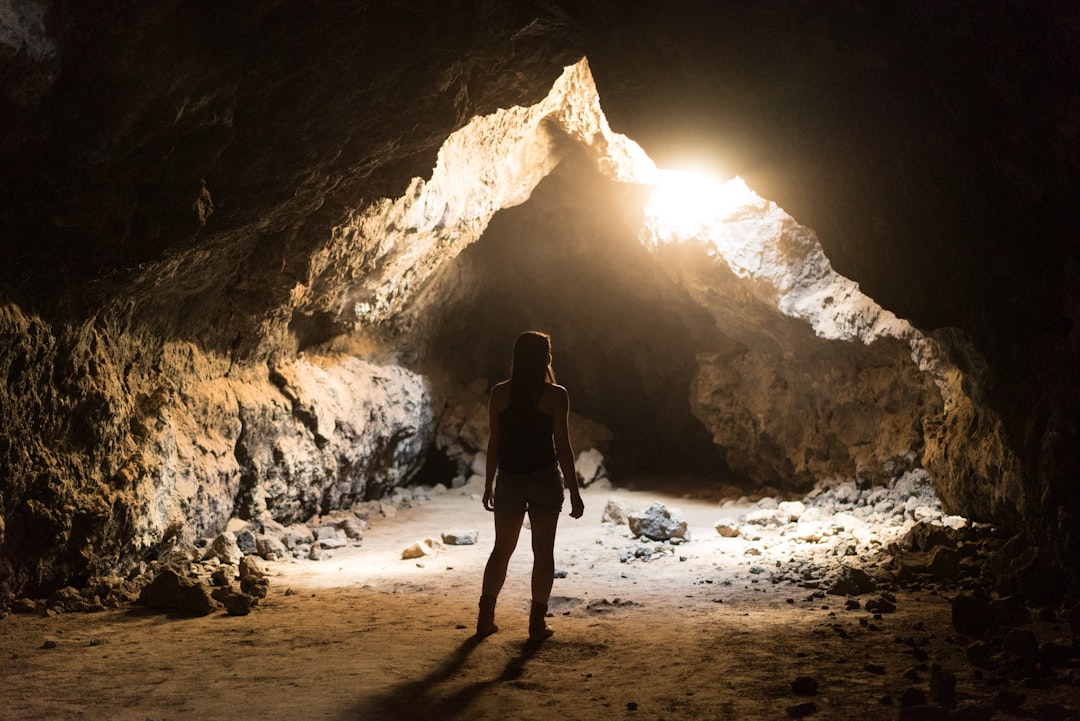
- Ceiling medallions: The barrel-vaulted ceiling retains traces of painted roundels. Angle a torch beam obliquely to pick out details that overhead light would wash out entirely.
Location and Access
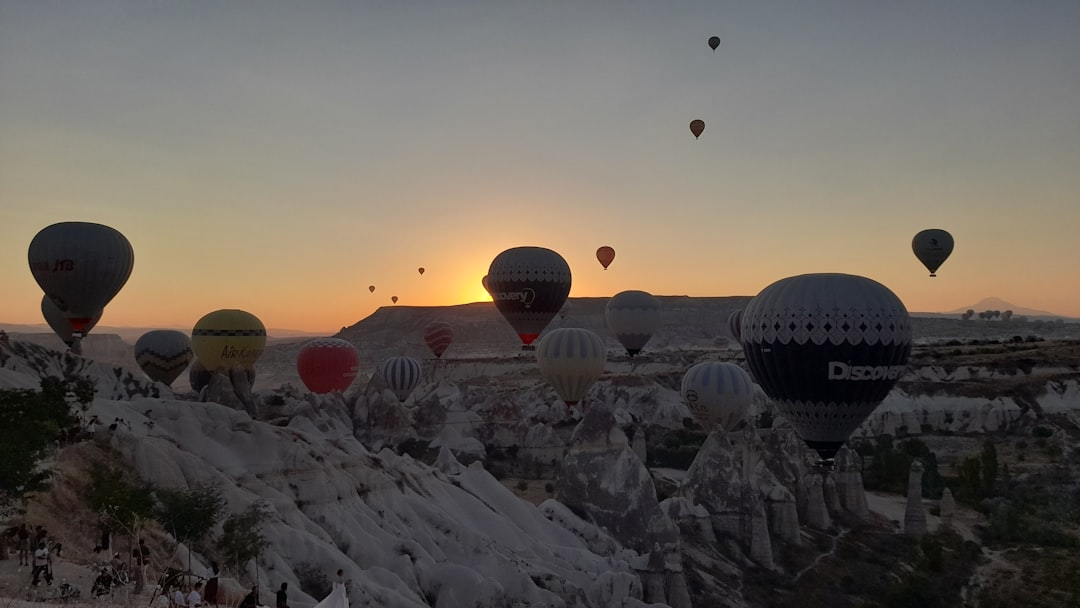
The Column Church sits in the volcanic landscape near Göreme, in the heart of the Cappadocia region. The surrounding valleys — carved by millennia of erosion into a forest of tufa cones and cliff faces — contain dozens of rock-cut churches, many of them unmarked. The church is accessible via hiking trails that connect the main valleys; sturdy footwear is essential as the paths involve uneven volcanic rock and loose gravel on slopes.
By comparison, the Göreme Open Air Museum — containing the Tokali and Dark churches — charges an entry fee of and sits just minutes from town. The Column Church offers a quieter, less curated alternative. To reach outlying churches by private vehicle, use the Cappadocia taxi fare calculator to plan your journey.
Combining with Other Rock Churches
- Göreme Open Air Museum: The essential first stop, containing the Tokali Church (Cappadocia's largest rock church, with extraordinary 10th-century frescoes) and the Dark Church (Karanlık Kilise, renowned for its remarkably preserved paintings). Indispensable context for understanding the Column Church's place in the region's artistic tradition.
- Çavuşin Church: A few kilometres north of Göreme, this large cliff-face church is one of the oldest in the region and features notable frescoes of imperial figures. The dramatic setting makes for excellent photographs.
- İhlara Valley: A full-day trip from Göreme — a deep river canyon lined with more than 100 rock churches, most unrestored and rarely visited. The style tends to be cruder than Göreme but the landscape is spectacular. Best reached by private taxi for timing flexibility.
Visitor Tips
- Best light: Arrive between 8 and 10am for low-angle morning light that brings frescoes and carved stone to life.
- Footwear: Sturdy hiking shoes with ankle support are essential for the rocky approach path.
- Bring a torch: Even in churches with window openings, deep apses and side aisles are dark. A handheld torch makes an enormous difference for seeing fresco detail.
- No food or drink inside: This is a site of historical and spiritual significance — keep eating and drinking outside.
- Visit mid-week: The Column Church attracts far fewer visitors than the Open Air Museum, but the connecting trails and nearby sites will be quieter midweek during peak season (April–June, September–October).
Frequently Asked Questions
Is the Column Church part of the Göreme Open Air Museum?
No. The Göreme Open Air Museum is a separate, ticketed site containing a different cluster of rock churches, including the Tokali and Dark Church. The Column Church is an independent site visited separately.
Is entry to the Column Church free?
Many outlying rock-cut churches in the Cappadocia valleys are accessible without a ticket, unlike the Göreme Open Air Museum which charges a fixed admission. Access arrangements at smaller sites can change, so it is worth checking locally before you visit.
How old are the frescoes in the Column Church?
The frescoes are broadly dated to the Byzantine period, most likely the 10th or 11th century — placing them approximately 900 to 1,100 years old. This aligns with the wider Göreme valley tradition of decorated rock churches that flourished under Byzantine patronage.