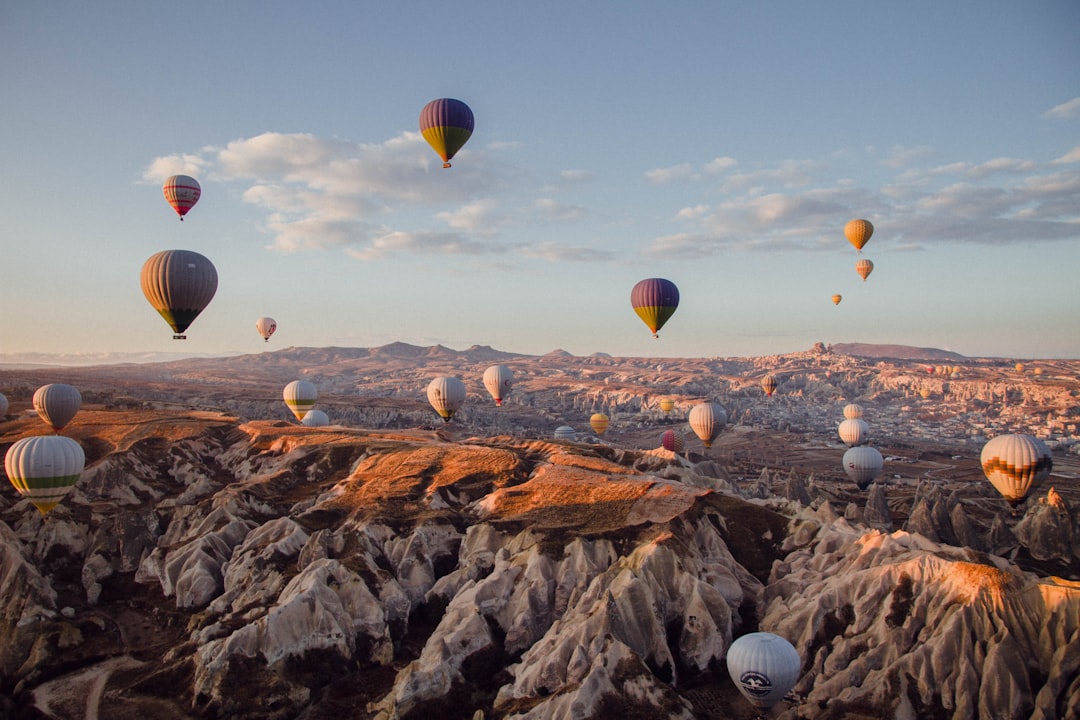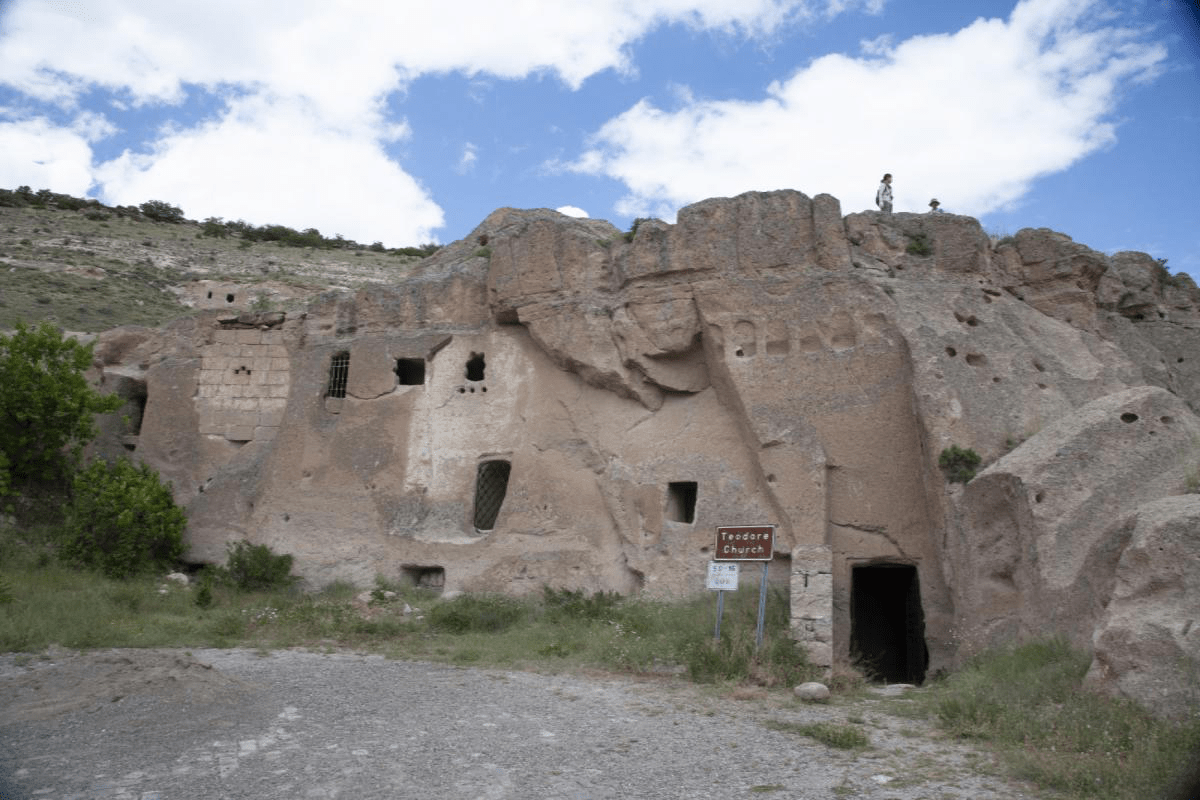
Among Cappadocia's hundreds of rock-cut churches, a particular category stands apart: the warrior-saint churches. These are not simply places of quiet contemplation. They were carved and painted with urgent purpose — to invoke divine military protection in a landscape that, for several centuries, sat on the bleeding edge of Byzantine civilisation. The Saint Theodore Tagar Church belongs to this tradition. Dedicated to Theodore the Tiron — the young soldier-saint whose veneration spread across every Byzantine frontier zone — it is one of Cappadocia's more evocative rock sanctuaries, where the politics of empire and the fervour of faith are still legible in tufa and pigment.
Two Saints Named Theodore
Byzantine tradition venerates not one but two Saint Theodores, and untangling them is essential for understanding why this church carries its particular epithet. The first is Theodore Tiron — "the young recruit" — a soldier of the Roman legions who refused to sacrifice to pagan gods and was martyred around 306 CE. He is commemorated in late February, and his cult was among the earliest military-saint traditions to spread through Asia Minor. The second is Theodore Stratelates — "the general" — martyred a little later, around 319 CE, and honoured in June. Both were understood as heavenly warriors capable of interceding on behalf of soldiers, travellers, and threatened communities.
"Tagar" is a Cappadocian regional epithet, almost certainly derived from the same Tiron tradition — a localisation of the saint's identity to a specific valley, pass, or patron community. The practice of attaching place-names or regional descriptors to widely venerated saints was common in Byzantine Anatolia; it transformed a universal holy figure into a specifically local protector. When a medieval farmer in a Cappadocian valley said a prayer to "Theodore Tagar," he was calling on the same saint as the general in Constantinople, but claiming him as his own.
Why Military Saints Dominated Cappadocia
To understand the saturation of warrior-saint iconography in Cappadocia, you have to understand what the region was during the 9th and 10th centuries. It was not a peaceful agricultural hinterland. It was a contested frontier zone — the Byzantine Empire's eastern march against successive waves of Arab raids from the Hamdanid emirate and the wider caliphate. The landscape that tourists today experience as serene and otherworldly was, for generations of its medieval inhabitants, a place where survival depended on vigilance, fortification, and faith.
Cappadocia also produced the Byzantine military aristocracy. The Phocas and Maleinos families — among the most powerful military dynasties in Byzantine history — came from this region. Their patronage funded rock churches, and their theology was emphatically one of divine martial protection. Saints Theodore, George, and Demetrius were not decorative choices. They were strategic ones. Byzantine frontier theology held that these warrior saints physically inhabited and defended the territory consecrated to them. A church carved into a valley pass and painted with Theodore in full armour was, in a very real sense, a watchtower of a different kind.
This explains why warrior-saint rock churches tend to cluster near valley passes and access routes rather than in settled village centres. They were placed where protection was most urgently needed.
The Church Architecture
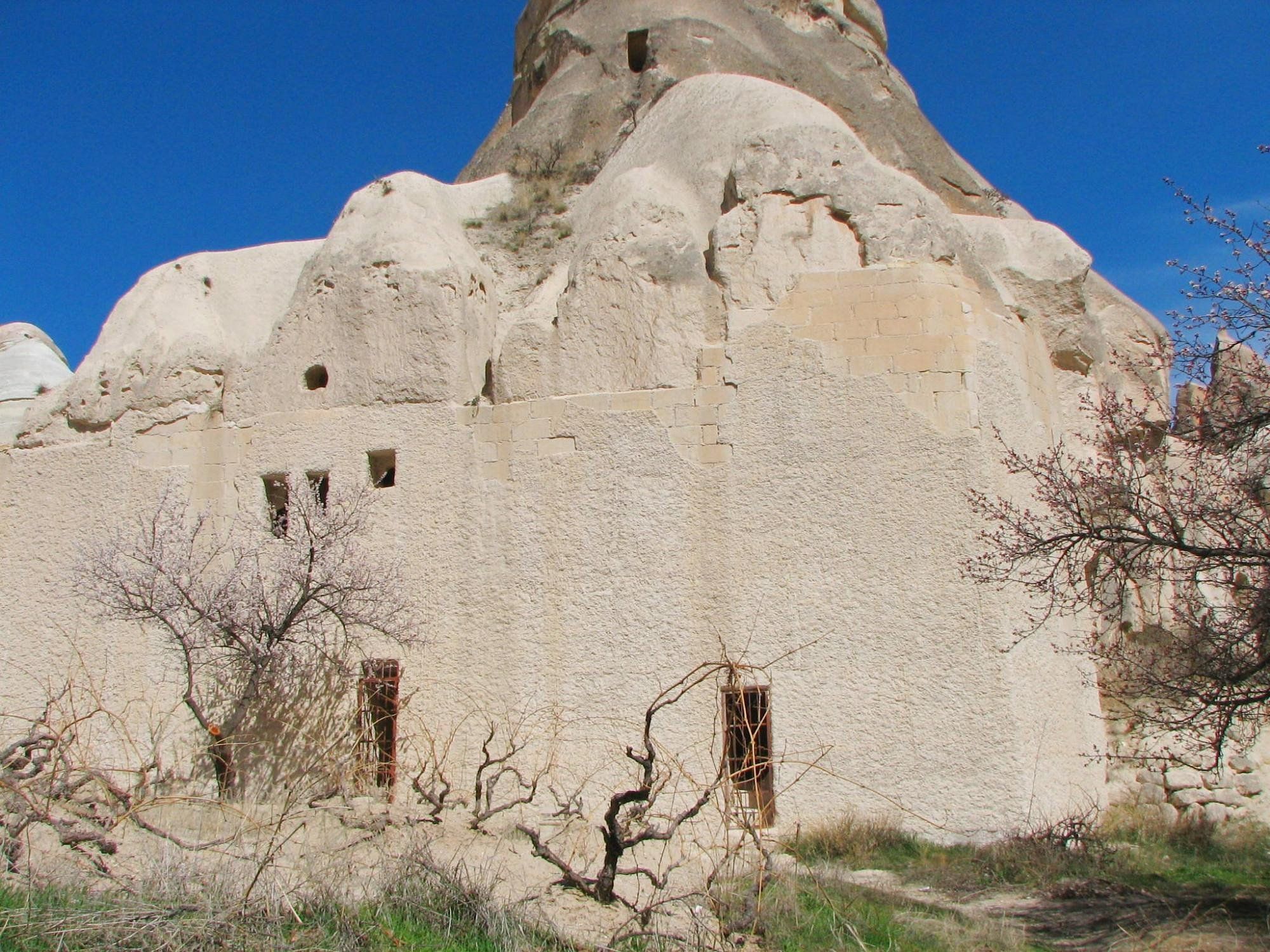
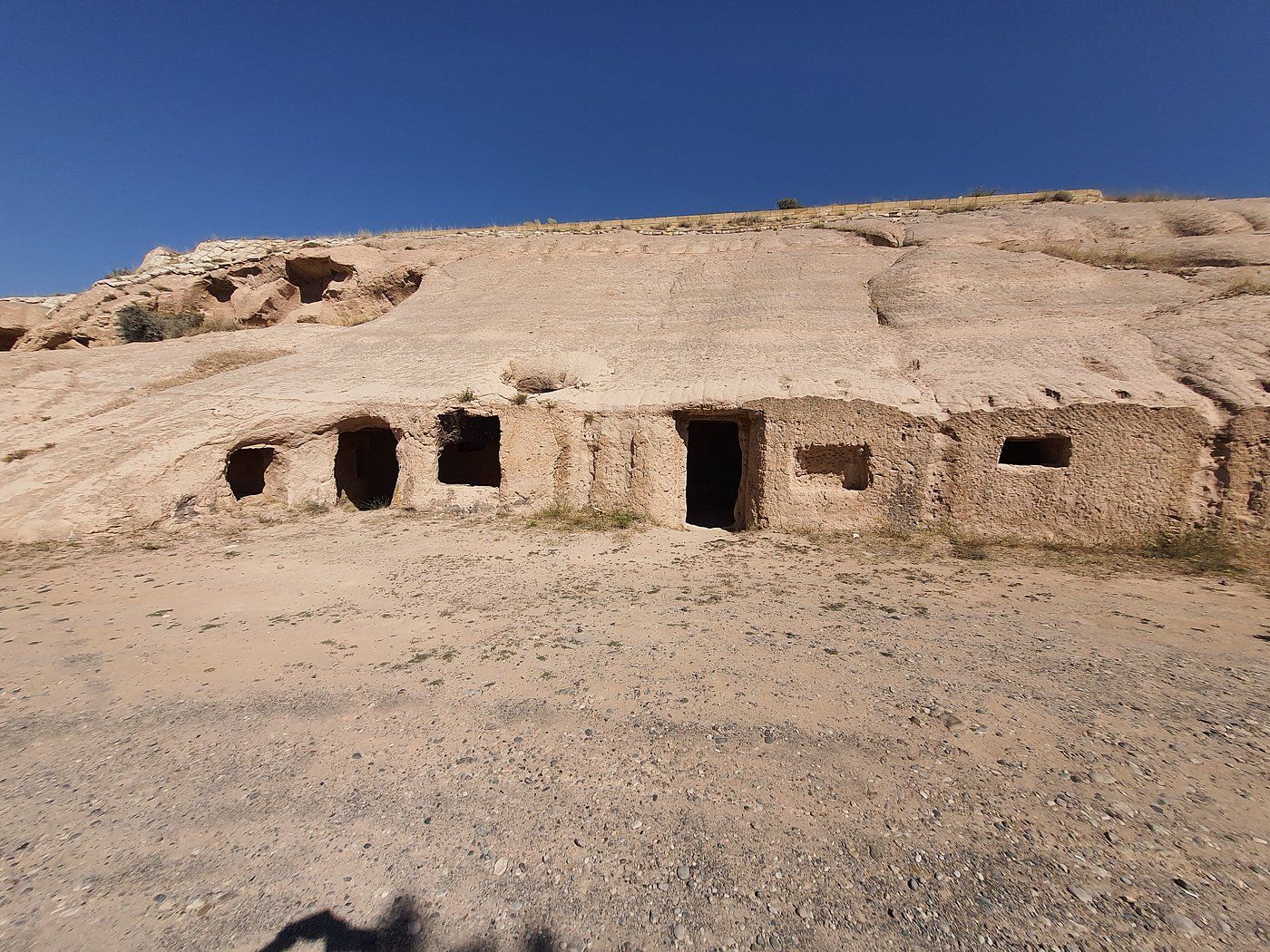
The Saint Theodore Tagar Church is a single-nave rock-cut structure, carved directly from the soft volcanic tufa that defines Cappadocia's built environment. The nave terminates in a rounded apse — the focal point of the liturgical space and the frame within which the church's most important figural painting would have been placed. Traces of carved column bases or decorative niches are typical of churches of this type, recalling the architectural vocabulary of built Byzantine churches even when translated into the negative space of a cliff face.
On stylistic and contextual grounds, the church is most plausibly dated to the 9th or 10th century — the peak period of warrior-saint church construction in Cappadocia, coinciding precisely with the intensification of the Arab frontier and the rise of the military aristocracy. The interior scale is intimate rather than monumental, consistent with a church serving a local community or a patron family rather than a major monastic foundation.
The Military Iconographic Programme
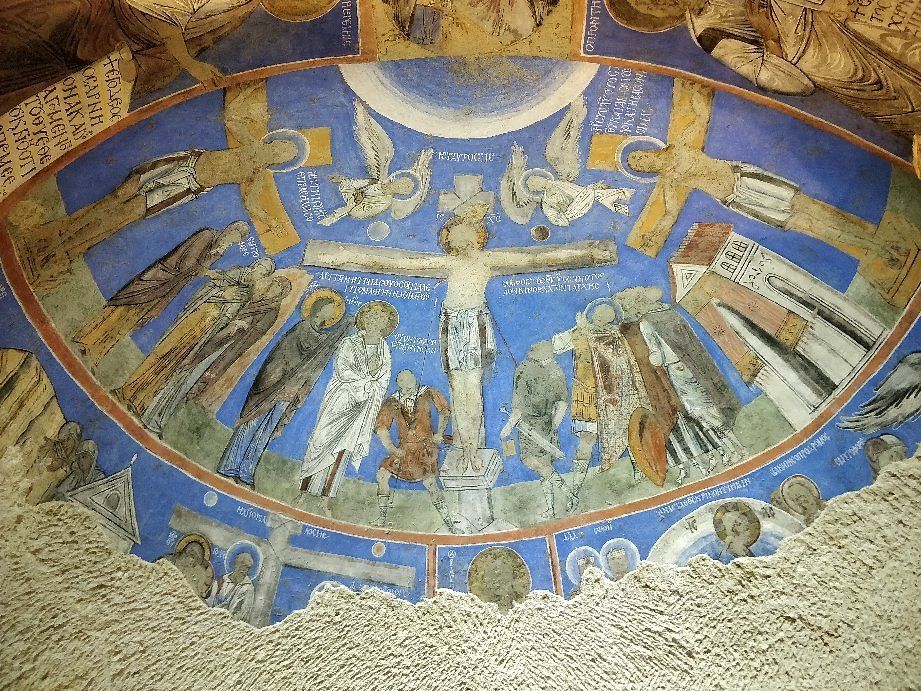
What distinguishes these warrior-saint churches most vividly is their fresco programme. The typical iconographic scheme places Theodore in full military dress: a red cloak over gold armour, lance held downward in a pose that art historians read as "peaceful victory" — the battle already won, the enemy already vanquished. The pose is deliberate. Theodore here is not a soldier in combat but a saint in authority, interceding from a position of guaranteed power.
It was also common to flank Theodore with George and Demetrius, completing a warrior triad. Together these three saints formed a kind of divine military council, their combined presence multiplying the protective blessing on the space and its community. Above in the apse, Christ as Pantocrator — ruler of all — gazes down, conferring ultimate authority on the warrior saints below. Where a Deësis composition is present, the Virgin and John the Baptist join Christ in intercession, weaving together military and eschatological themes in a single visual programme.
The deliberate combination of military imagery and divine authority was not accidental theology. It communicated, to anyone entering the church, that the forces protecting this community were not merely human and not merely symbolic.
The Strategic Significance of the Site
The placement of warrior-saint churches in relation to the physical landscape of Cappadocia rewards careful attention. Valley passes, ridgelines, and river crossings appear again and again as the locations chosen for these sanctuaries. This was not random. In a pre-modern military context, control of valley access points was the difference between a successful raid and an intercepted one. A church at a pass served multiple functions: it was a landmark for friendly travellers, a spiritual marker of protected territory, and a psychologically charged point for local communities defending their land.
Medieval Byzantine frontier strategy was not purely logistical. The warrior imagery painted into the rock communicated a clear message to both locals and potential raiders: this place is protected, this community is consecrated, these saints are present. Whether or not one reads that as theology or as propaganda, the effect was the same — the churches reinforced the identity and resilience of a community under pressure.
Visiting the Church Today
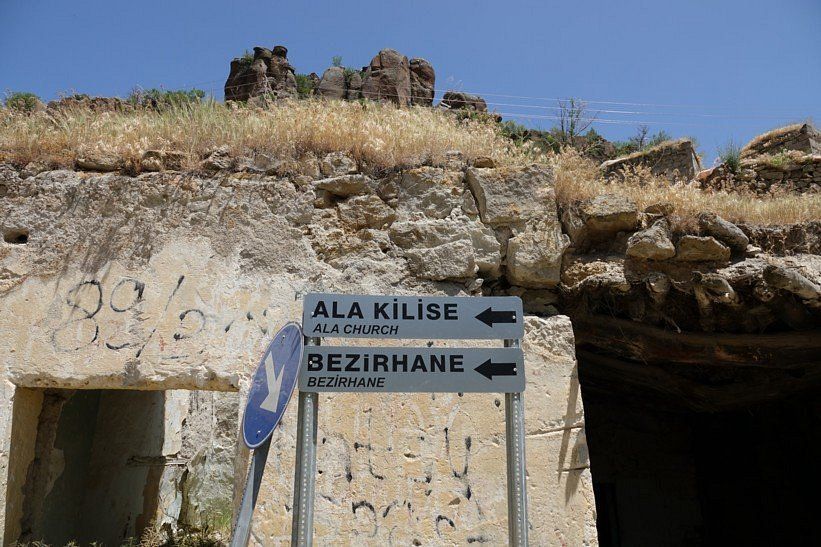
The Saint Theodore Tagar Church sits outside the main visitor circuits of Göreme and the Open Air Museum, in the quieter terrain where Cappadocia's secondary rock churches reward those willing to look for them. The nearest access points depend on your approach route; locals in the surrounding villages are generally the most reliable source of current directions, as footpath conditions change seasonally.
For outlying sites like this one, a private taxi is the most practical option — it gives you the flexibility to stop where you choose without being constrained by group schedules. Reach outlying warrior-saint churches by private taxi — use the Cappadocia taxi price calculator for fares from Göreme.
This church pairs naturally with other warrior-saint and Byzantine sites in the surrounding area. Combining it with visits to the Ihlara Valley churches or the rock-cut complexes of the Soğanlı Valley makes for a thematically coherent day that traces the military-religious geography of Byzantine Cappadocia.
Practical Tips for Visitors
- Lighting: Bring a torch or head lamp — the interior receives little natural light and is unlit. Your phone light will do, but a proper torch is better for reading frescoes.
- Photography: Avoid flash photography. The pigments in Byzantine frescoes are fragile, and repeated flash exposure accelerates decay. Natural or torch light produces better images anyway.
- Footwear: Wear sturdy, closed-toe shoes with grip. The approach path and interior floor can be uneven and occasionally damp.
- Access conditions: The site may be unguarded. If you find the entrance open, enter respectfully and do not touch the fresco surfaces — even clean hands carry oils that damage ancient paint.
- Timing: Morning light generally gives the best conditions for exterior photography of tufa cliff faces. Afternoon can work well for the interior if natural light reaches the apse at that angle.
- Local advice: Check current access conditions with your accommodation or a local guide before setting out — paths to secondary rock churches occasionally become restricted or temporarily closed.
Frequently Asked Questions
What makes the Saint Theodore Tagar Church different from other rock churches in Cappadocia?
Its specific dedication to a warrior saint — Theodore Tiron — places it within a distinctive category of Byzantine frontier churches where military iconography and strategic location were as important as the liturgical function. While Cappadocia has hundreds of rock-cut churches, the warrior-saint programme of paintings and the likely placement near a valley access point give this church a particular historical and visual character that differs from the monastic complexes or pilgrimage churches found elsewhere in the region.
Who was Saint Theodore Tagar?
"Tagar" is a Cappadocian regional epithet attached to Saint Theodore Tiron — a Roman soldier martyred around 306 CE for refusing to make pagan sacrifices. Theodore Tiron became one of the most widely venerated military saints across the Byzantine world, especially in frontier regions like Cappadocia. The Tagar designation localised his cult to a specific community or place in the region, making the universal saint a specifically local protector.
Is the Saint Theodore Tagar Church difficult to find?
It sits outside the main tourist circuits, which means it does not have the signage and infrastructure of the Göreme Open Air Museum. That said, it is findable with good local directions and a willingness to navigate on foot or by private vehicle. Asking at your accommodation in Göreme or Avanos, or hiring a local guide for a half-day, is the most reliable approach. The reward is a site that sees far fewer visitors than the major churches — often you will have it entirely to yourself.