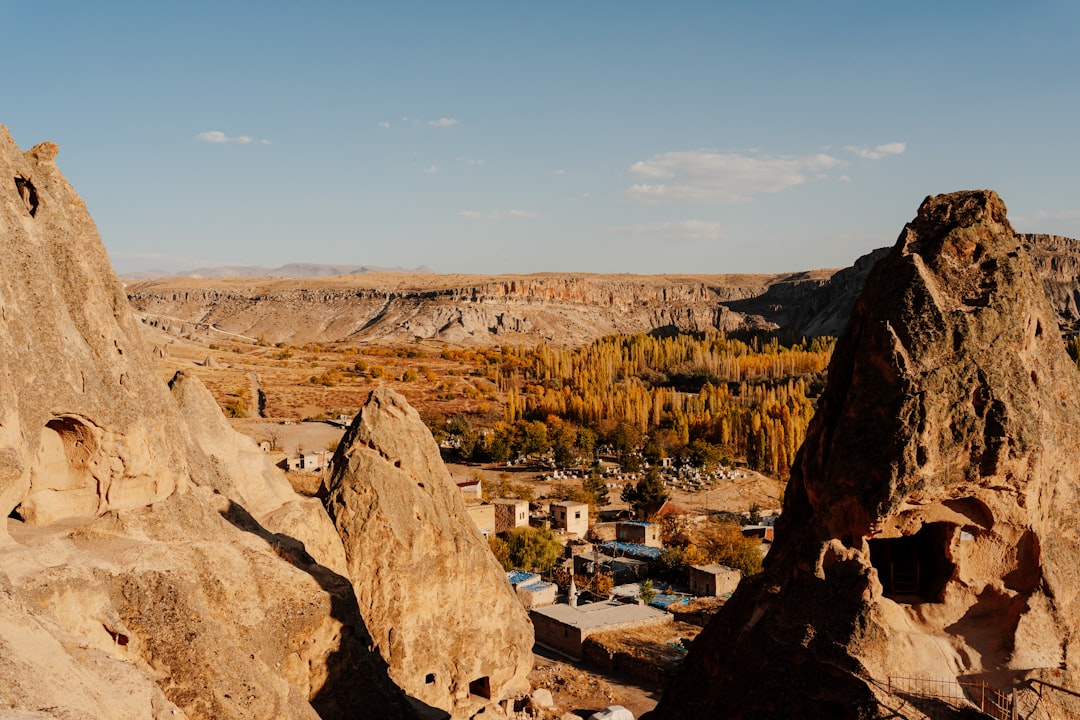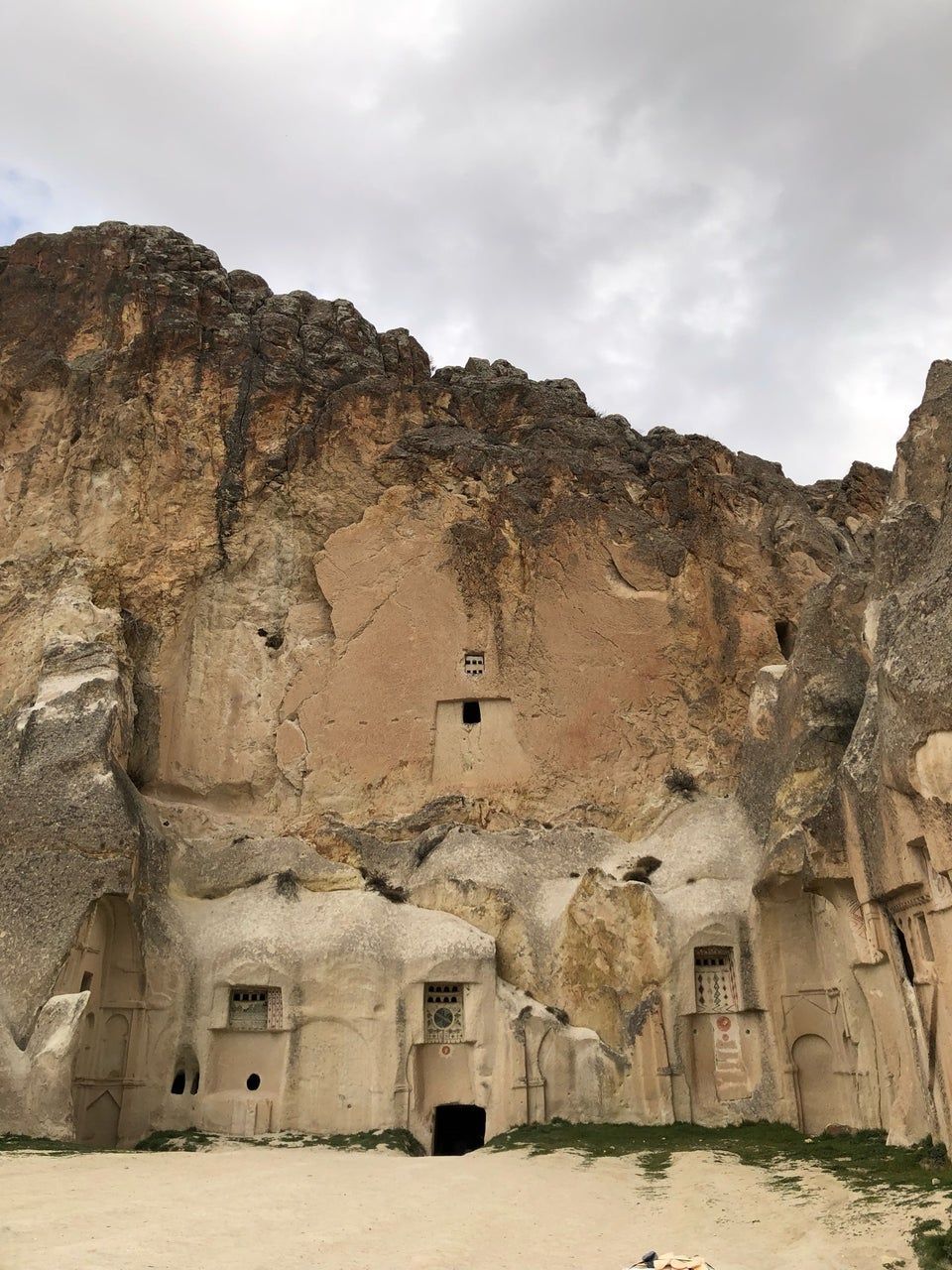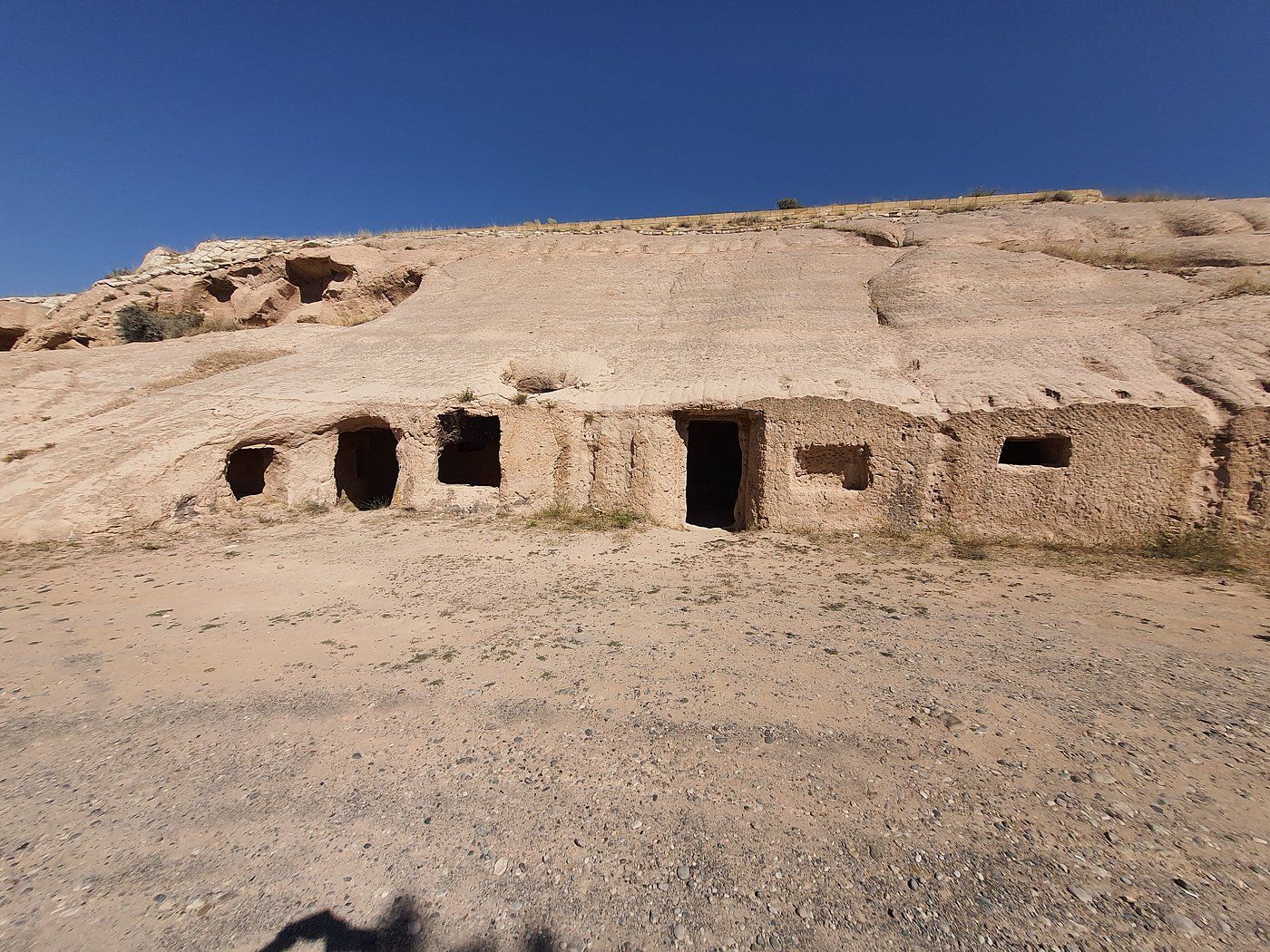

Selime Monastery, also called Selime Cathedral, is the largest rock-cut monastic complex in the Cappadocia region. It rises above Selime village at the end of the Ihlara Valley, where churches, living spaces, kitchens, storage rooms and animal shelters were carved into a single volcanic cliff. The scale is the surprise: this is not one cave church, but a multi-level settlement that feels like a stone citadel.
Why Selime Monastery matters
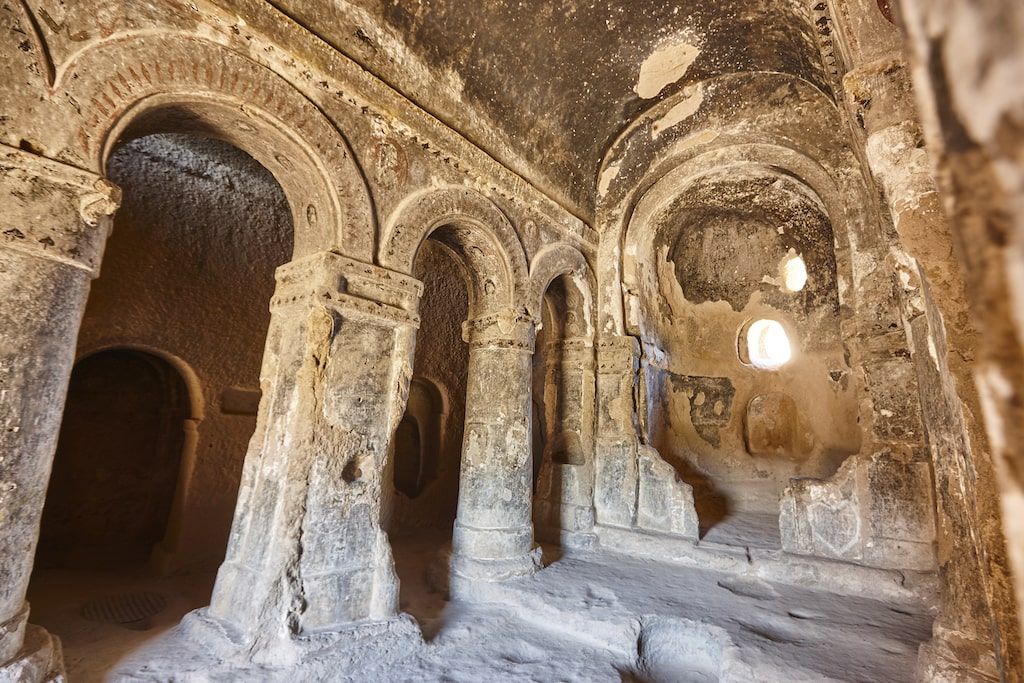
Religious communities shaped the soft volcanic tuff over generations, creating spaces that imitate built Byzantine architecture while remaining inside the rock. The main church has a basilica-like plan with a nave, side aisles, columns and apses. Elsewhere in the complex, domestic rooms show that Selime supported daily communal life as well as worship.
The official Ihlara Valley archaeological guide identifies Selime as the largest monastery in the Cappadocia region. Its position near the valley route also helped it function as a protected stopping place in later periods. Rather than attaching a single dramatic legend to the site, its real value lies in the way architecture, landscape and everyday life were joined inside the cliff.
Move through the complex as a sequence rather than searching for one famous room. Changes in ceiling height, light, ventilation and access reveal how the builders adapted religious and practical spaces to the natural rock.
What to look for inside
- The cathedral church: the most monumental space, with a carved nave, side aisles, columns and apses.
- The courtyard: a useful orientation point between the main religious and domestic spaces.
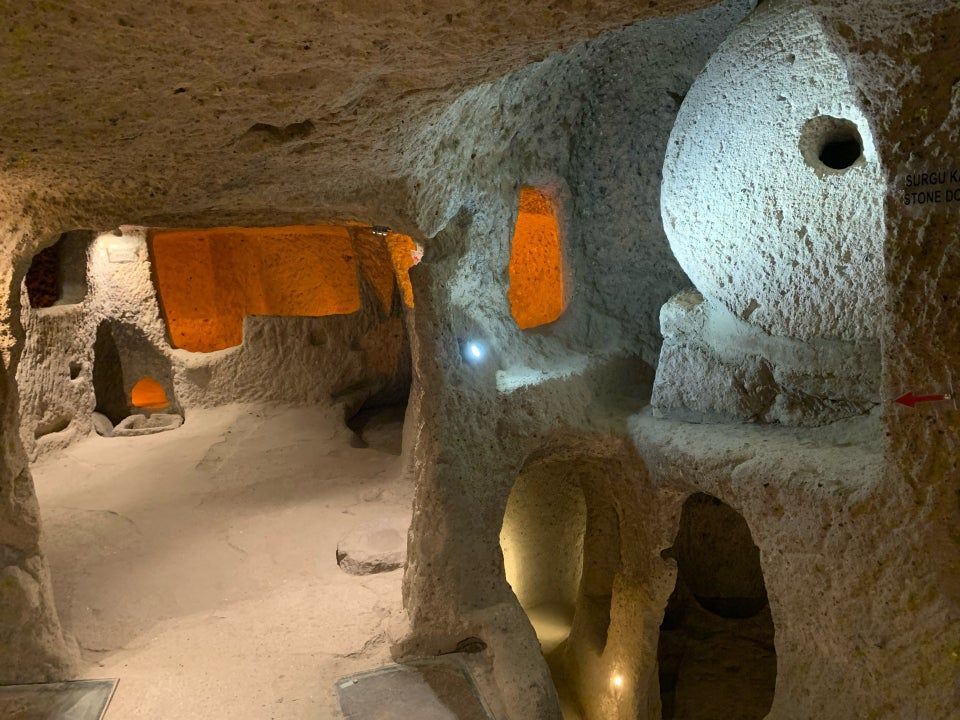
- Kitchens and storage rooms: evidence that the complex supported a resident community, not only ceremonial visits.
- Stables and service areas: large practical spaces that reflect Selime's connection with the wider valley route.
- Upper viewpoints: openings in the cliff frame broad views over Selime village and the northern end of Ihlara Valley.
How to read the rock-cut architecture
Selime makes more sense when you compare carved forms with ordinary masonry buildings. Columns, arches and vaulted ceilings were not assembled from separate stones; workers removed material until those shapes remained. Tool marks, irregular corners and repairs show where the rock dictated a change in plan. Smoke-darkened surfaces and ventilation shafts help distinguish service rooms from ceremonial spaces.
Fresco fragments are vulnerable to moisture, touch and scratching. View them from a respectful distance and never trace carvings with your fingers. The most valuable photograph is often a wide view that explains how rooms connect, rather than a close-up taken by leaning against a painted wall.
How to combine Selime with Ihlara Valley
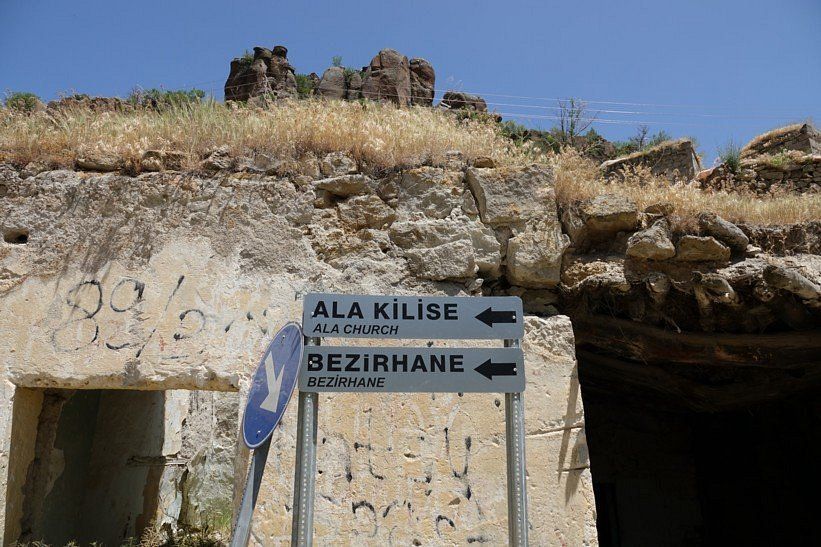
Selime works best as the final stop of an Ihlara Valley day. If you are hiking, plan the direction of your walk and pickup point before entering the canyon; the valley has multiple access points and returning to a parked car can otherwise consume a large part of the day. Our Ihlara Valley hiking guide explains the main sections and churches.
From central Cappadocia, the journey generally takes around 75–90 minutes depending on your starting town and traffic. Guided day trips, rental cars and private drivers are the practical options. If your plan includes a taxi or driver, use the live Cappadocia taxi fare calculator instead of relying on a fixed price quoted in an article.
Practical visiting tips
- Allow about 45–60 minutes for the monastery itself, longer if you stop frequently for photographs.
- Wear shoes with grip. Carved steps and sloping rock surfaces are steep, polished and uneven.
- Use both hands on exposed climbs and avoid rushing through narrow passages.
- Check current opening hours and ticket conditions with the official museum service before travelling; they can change seasonally.
- There is limited shade on the exposed upper levels, so carry water and sun protection in warm weather.
- Visitors with limited mobility should expect difficult access; much of the complex requires climbing.
Frequently asked questions
Is Selime Monastery worth visiting?
Yes, especially if you enjoy rock-cut architecture or are already visiting Ihlara Valley. Its scale and multi-level layout are unlike the smaller cave churches found elsewhere in the region.
How old is Selime Monastery?
The complex developed over a long period and is generally associated with Cappadocia's Byzantine monastic tradition. Individual spaces may belong to different phases, so it is more accurate to treat Selime as an evolving settlement than as a structure completed in one year.
Was Selime Monastery used in Star Wars?
There is no reliable production evidence that Selime was a filming location for the Star Wars movies. The story is a popular local legend inspired by the landscape, and it should not be presented as documented film history.
Are opening hours and tickets fixed?
No. Hours, access conditions and ticket rules may change. Check the official Turkish museum portal or the ticket desk for current information rather than depending on an old price or timetable.
Sources and editorial note
Core site information was checked against the Turkish Ministry of Culture and Tourism's Ihlara Valley Archaeological Sites guide. Practical observations are written as visitor guidance; changing prices and hours are deliberately not hardcoded.