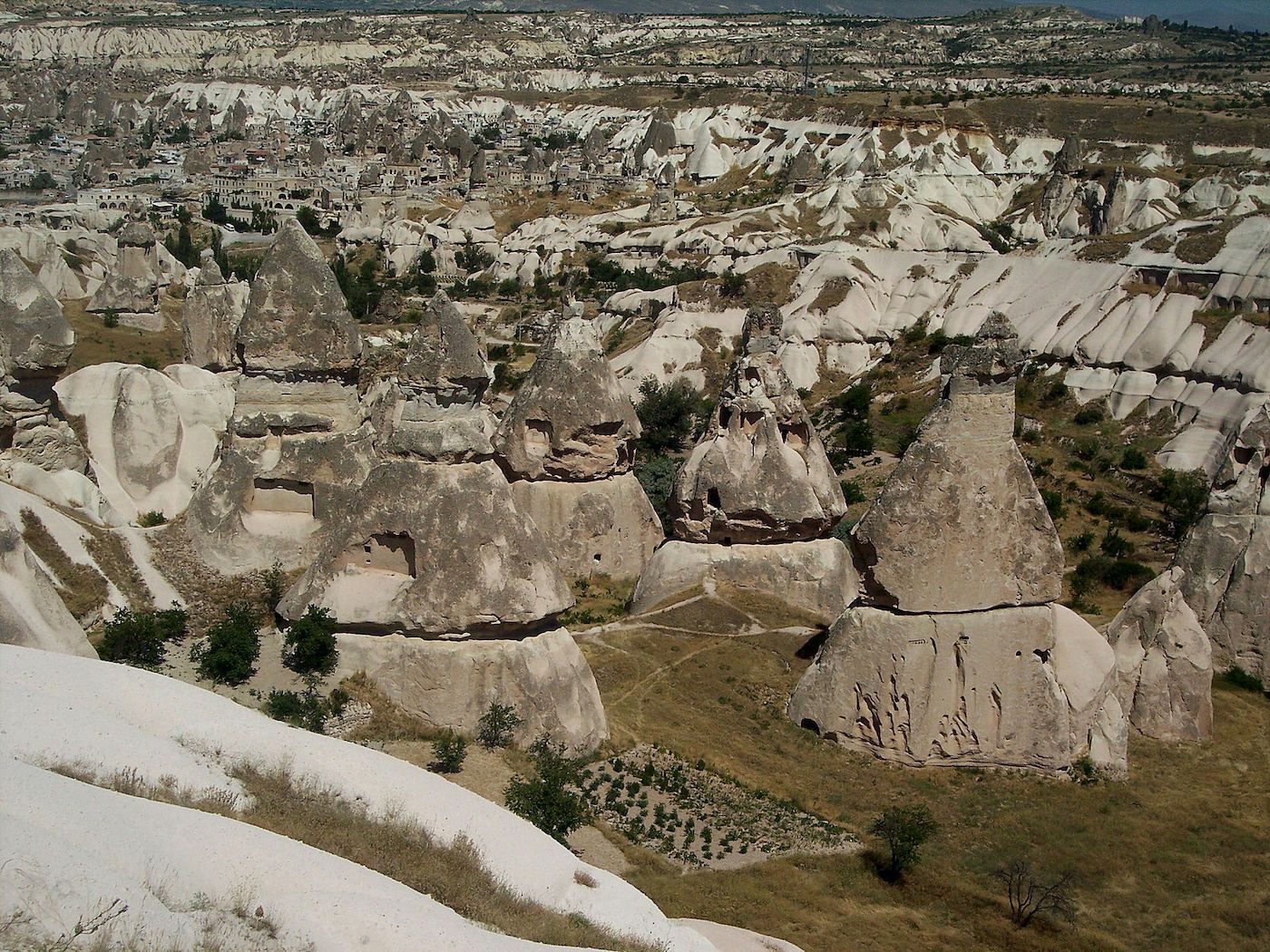
Leave No Trace Hiking Principles: Protecting Cappadocia’s Natural Beauty
Cappadocia, with its surreal landscapes of fairy chimneys, hidden cave churches, and expansive valleys, is a hiker’s paradise. But this fragile environment is vulnerable, and it’s our responsibility to protect it. Embracing the Leave No Trace principles is crucial to ensuring that future generations can enjoy the same pristine beauty that captivates visitors today. This guide will equip you with the knowledge and tools to minimize your impact while exploring Cappadocia’s magnificent trails.
What are the Leave No Trace Principles?
The Leave No Trace Center for Outdoor Ethics promotes seven core principles designed to minimize human impact on the environment. These principles provide a framework for responsible outdoor recreation, applicable to any natural setting, including the unique landscapes of Cappadocia.
Principle 1: Plan Ahead and Prepare
Proper planning is the foundation of a responsible hiking trip. Thorough preparation minimizes the risk of accidents, reduces your reliance on resources, and helps you avoid potentially damaging situations.
Researching Cappadocia’s Hiking Trails
Cappadocia boasts a diverse range of hiking trails, each with its own level of difficulty and unique features. Before embarking on a hike, research the trail thoroughly. Consider these factors:
- Trail length and elevation gain: Assess your fitness level and choose a trail that matches your capabilities.
- Trail conditions: Check recent weather reports and trail conditions. Be aware of potential hazards such as slippery rocks, loose gravel, or exposed edges.
- Permits and regulations: Some areas may require permits or have specific regulations regarding camping, fires, or drone usage. Obtain the necessary permits and familiarize yourself with the rules.
- Navigation: Download offline maps or bring a reliable GPS device and a physical map and compass. Cappadocia’s valleys can be confusing, and it’s easy to lose your way.
- Water sources: Water is scarce in Cappadocia, especially during the summer months. Carry an adequate supply of water or a water filter/purifier.
Packing Essentials for a Cappadocia Hike
A well-packed backpack can make all the difference between a pleasant hike and a miserable experience. Here’s a checklist of essential items:
- Navigation tools: Map, compass, GPS device
- Sun protection: Sunscreen, hat, sunglasses
- Insulation: Extra layers of clothing to adapt to changing weather conditions
- Illumination: Headlamp or flashlight with extra batteries
- First-aid supplies: Comprehensive first-aid kit
- Repair kit and tools: Knife, multi-tool, duct tape
- Nutrition: High-energy snacks and meals
- Hydration: Water bottles or hydration reservoir
- Emergency shelter: Bivy sack or emergency blanket
- Waste disposal bags: For packing out all trash
Principle 2: Travel and Camp on Durable Surfaces
Staying on designated trails and campsites protects fragile vegetation and soil from erosion and compaction. In Cappadocia, this is particularly important to preserve the unique landscape formations.
Staying on Marked Trails
Resist the temptation to wander off-trail, even if it seems like a shortcut. Straying from designated paths can damage delicate plant life, disrupt wildlife habitats, and contribute to soil erosion. Stick to established trails whenever possible, and avoid widening them.
Choosing Campsites Wisely
If you’re planning an overnight hike in Cappadocia (note that wild camping may be restricted in certain areas and require permissions), select campsites that are already established. Look for areas that are clear of vegetation and have been previously used for camping. Avoid camping near water sources or in sensitive areas like meadows or archaeological sites. Check local regulations regarding camping restrictions.
Protecting Vegetation
Avoid trampling vegetation, especially in fragile ecosystems. Walk on rocks, gravel, or dry ground whenever possible. Be mindful of your surroundings and avoid disturbing plants or animals.
Principle 3: Dispose of Waste Properly
Packing out everything you pack in is fundamental to Leave No Trace ethics. This includes all trash, food scraps, and even biodegradable items like apple cores and orange peels. Leaving any waste behind pollutes the environment and attracts unwanted wildlife.
Pack It In, Pack It Out
Carry trash bags to collect all your waste, including food wrappers, packaging, and other debris. Make sure to pack out everything you pack in, no matter how small. Don’t bury trash, as it can contaminate the soil and water.
Proper Disposal of Human Waste
If there are no toilet facilities available, dispose of human waste properly. Dig a cat hole 6-8 inches deep at least 200 feet (about 70 steps) away from water sources, trails, and campsites. Bury solid waste and toilet paper, and cover the hole with soil. Pack out feminine hygiene products.
Principle 4: Leave What You Find
The beauty of Cappadocia lies in its natural and cultural heritage. Leaving natural objects and cultural artifacts undisturbed ensures that others can enjoy them in their original state.
Respecting Natural Objects
Do not collect rocks, plants, or other natural objects as souvenirs. Leave everything as you found it, so that future visitors can experience the same wonder. Avoid carving your name into rocks or trees, as this damages the environment and detracts from the natural beauty of the landscape.
Preserving Cultural Heritage
Cappadocia is rich in history and culture, with ancient cave churches, underground cities, and other archaeological sites. Treat these sites with respect and avoid touching or removing anything. Do not disturb any cultural artifacts you may find, such as pottery shards or tools. Report any significant finds to the local authorities.
Principle 5: Minimize Campfire Impacts
Campfires can have a significant impact on the environment, consuming wood, polluting the air, and creating a fire hazard. Consider using a portable stove for cooking and opt for a headlamp or flashlight for light instead of a campfire. If you must build a campfire, follow these guidelines:
Check Fire Restrictions
Before building a campfire, check local regulations regarding fire restrictions. Fire bans are often in place during dry periods to prevent wildfires.
Use Existing Fire Rings or Fire Pans
If a fire is permitted, use an existing fire ring or fire pan to contain the fire. This helps to protect the surrounding vegetation and soil.
Keep Fires Small and Contained
Build small, contained fires that are easy to control. Never leave a fire unattended. Keep a bucket of water and a shovel nearby in case of emergencies.
Burn All Wood to Ash
Burn all wood to ash and completely extinguish the fire before leaving. Scatter the cool ashes and pack out any remaining charcoal.
Principle 6: Respect Wildlife
Observing wildlife in its natural habitat is a rewarding experience, but it’s important to do so responsibly. Avoid approaching or feeding animals, as this can disrupt their natural behavior and make them dependent on humans. Store food properly to prevent attracting animals to your campsite.
Observe from a Distance
Maintain a safe distance from wildlife and avoid approaching animals, especially during breeding season. Use binoculars or a telephoto lens to get a closer look without disturbing them.
Never Feed Wildlife
Feeding wildlife is harmful to their health and can disrupt their natural foraging behavior. It can also make them dependent on humans and increase the risk of human-wildlife conflict.
Store Food Properly
Store food in airtight containers or bear-resistant canisters to prevent attracting animals to your campsite. Hang food bags from a tree branch at least 10 feet off the ground and 4 feet from the trunk. This will help to keep your food safe from rodents and other animals.
Principle 7: Be Considerate of Other Visitors
Sharing the trails with other hikers is part of the outdoor experience. Be considerate of others by minimizing noise, yielding to uphill hikers, and respecting their privacy.
Minimize Noise
Keep noise levels to a minimum to avoid disturbing other hikers and wildlife. Avoid playing loud music or shouting. Speak quietly and respectfully.
Yield to Uphill Hikers
When encountering other hikers on the trail, yield to uphill hikers. Step aside and allow them to pass.
Respect Privacy
Respect the privacy of other hikers by avoiding their campsites and giving them space on the trail. Be mindful of your surroundings and avoid disturbing their experience.
Enjoying Cappadocia Responsibly
By following the Leave No Trace principles, you can help protect Cappadocia’s natural beauty and ensure that future generations can enjoy this unique landscape. Remember that every action, no matter how small, can make a difference. Let’s work together to preserve Cappadocia for years to come. And while you’re enjoying the incredible views, consider stopping for a break at King’s Coffee Cappadocia in Goreme for a specialty coffee and stunning fairy chimney views or visit their sister cafe, Queen’s Coffee, for artisan pastries and an Instagram-worthy atmosphere.
Getting Around Cappadocia Responsibly
Transportation is a key aspect of visiting Cappadocia. Consider using environmentally friendly options whenever possible. Walk or hike between attractions when feasible. If you need a taxi or airport transfer, consider booking with Cappadocia Taxi (website: cappadocia.taxi). They offer professional English-speaking drivers, comfortable vehicles, and reliable 24/7 airport transfers from Kayseri and Nevsehir airports. Utilizing responsible transportation helps minimize your overall environmental impact.
Take Action Today
Embrace the Leave No Trace principles on your next Cappadocia adventure. Share this guide with your friends and family, and encourage them to be responsible travelers. Together, we can protect this magnificent landscape and ensure that it remains a treasure for generations to come. Book your hot air balloon ride and accommodation today, and start planning your unforgettable, responsible trip to Cappadocia!