Nevşehirli Damat İbrahim Pasha: The Grand Vizier Who Built Nevşehir
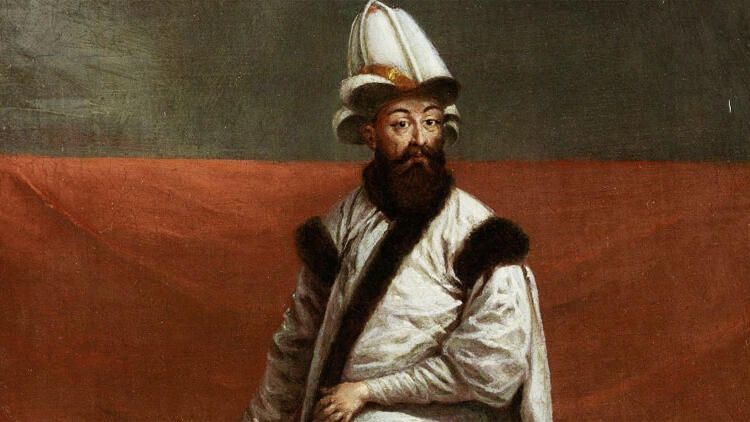
Nevşehirli Damat İbrahim Pasha (c. 1666–1730) was the Ottoman grand vizier who transformed his small Cappadocian birthplace, then the village of Muşkara, into a planned city he renamed Nevşehir — literally "new town." Serving Sultan Ahmed III through the so-called Tulip Era (Lale Devri), he poured his fortune into a monumental mosque-and-college complex that still anchors the old town today. If you want to understand why Nevşehir exists as a city at all, his story — and the külliye that bears his name — is the place to start.
This guide covers who İbrahim Pasha was, the Nevşehir complex he founded, what you can see there, how to reach it, and how it fits into a wider route through the region's heritage. For the broader picture of the region's churches, monasteries and Ottoman landmarks, see our Cappadocia history, churches and heritage guide.
Who was Nevşehirli Damat İbrahim Pasha?
Born in the village of Muşkara around 1666, İbrahim rose through the Ottoman palace bureaucracy to become grand vizier in 1718. The title "Damat" (son-in-law) reflects his marriage to a daughter of Sultan Ahmed III, which cemented his place at the heart of the dynasty. He is most associated with the Tulip Era, a roughly twelve-year period of relative peace, cultural flourishing and openness to European ideas — including the first Ottoman-Turkish printing press, new libraries, and a fashion for pleasure gardens and tulip cultivation.
His career ended abruptly: during the Patrona Halil revolt of 1730 he was executed, and the Tulip Era closed with him. Yet his most enduring personal monument was not in the capital but in his Cappadocian hometown, which he had elevated from an obscure hamlet into a chartered town.
The Damat İbrahim Paşa Complex (Kurşunlu Mosque) in Nevşehir
To honour his birthplace, İbrahim Pasha endowed a large külliye — an Ottoman foundation complex — in Nevşehir, completed in 1726. Its centrepiece is the Kurşunlu Camii ("lead-domed mosque"), so called for its lead-sheathed dome, a classic example of early-18th-century Ottoman architecture set against the volcanic landscape. Around the mosque he built a medrese (theological college), a library, a primary school, an imaret (public soup kitchen) and a hamam, creating a self-contained civic and religious quarter that gave the new town its heart.
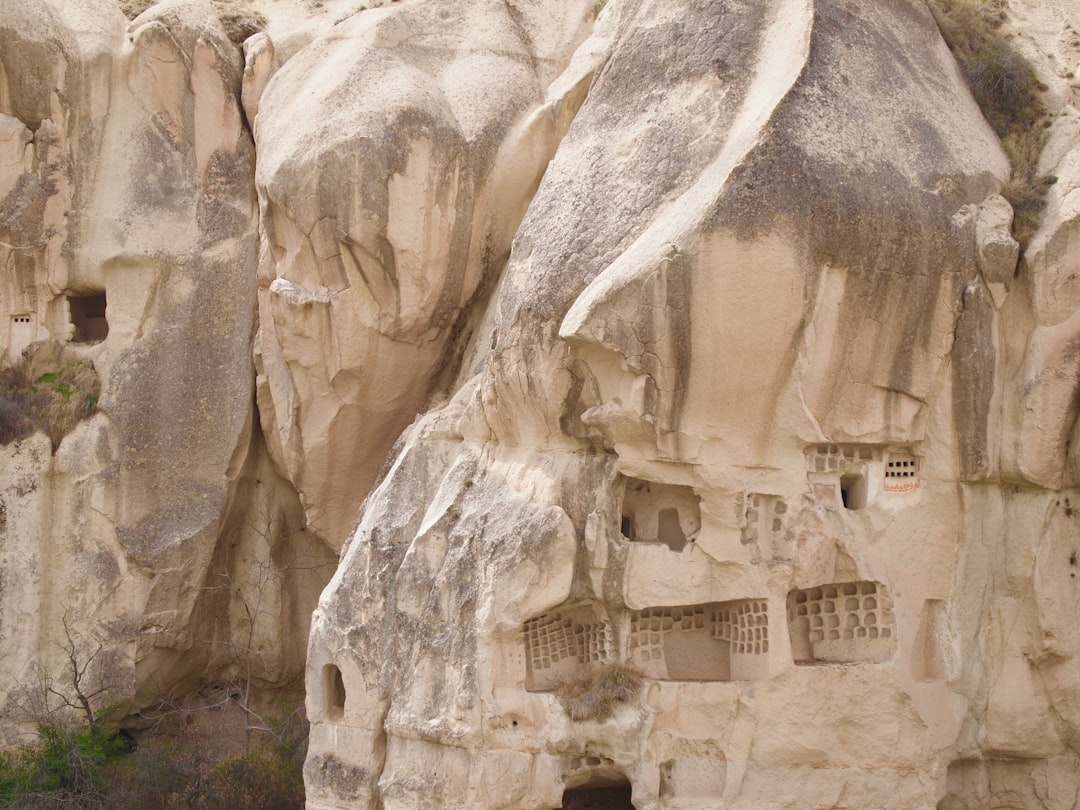
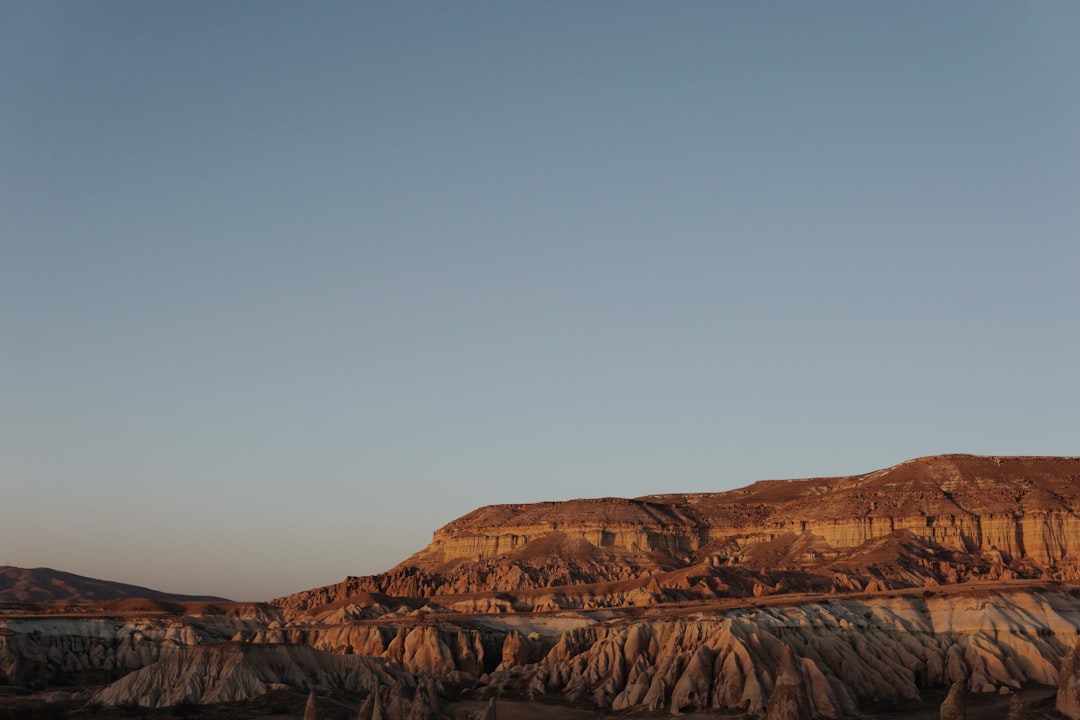
The complex sits on the slope below Nevşehir Castle in the old town. The mosque interior is calm and well-proportioned, with restrained calligraphic decoration; the surrounding buildings show how an Ottoman statesman seeded an entire urban community — bringing water, schooling and charity to what had been a cluster of cave dwellings.
What to see at the complex
- Kurşunlu Mosque – the lead-domed Friday mosque at the centre of the complex, still in active use.
- The medrese and library – the former theological college and one of Cappadocia's earliest endowed libraries.
- The hamam – İbrahim Pasha's Ottoman bathhouse, part of the original charitable foundation.
- Nevşehir Castle – a short walk uphill above the complex, with views over the old town.
- The old-town streets – stone Ottoman-era houses descending the hillside around the mosque.
How to get there and practical tips
The complex is in central Nevşehir, the provincial capital, roughly 10–12 km from the main tourist villages of Göreme and Ürgüp. Most visitors are based in those villages, so the easiest way to combine Nevşehir town with valley sightseeing is a private taxi — check the live Cappadocia taxi price calculator for current fares rather than relying on a fixed quote. Local dolmuş minibuses also connect Nevşehir's centre with Göreme and Ürgüp.
- Entry: the mosque is a working place of worship and free to enter.
- Dress: cover shoulders and knees; women should bring a headscarf, and everyone removes shoes inside.
- Timing: visit outside the five daily prayer times for a quieter, more respectful look around.
- Pair it with: Nevşehir Castle just above, or use the town as a base before heading to the open-air sites.
Because Nevşehir town is the gateway hub for the whole region, it pairs naturally with the headline sights nearby. Plan your wider route with our top things to do in Cappadocia and, for getting around, our practical travel tips.
Frequently asked questions
Why is the city called Nevşehir?
İbrahim Pasha renamed his birthplace — the village of Muşkara — "Nevşehir," meaning "new town" in Persian-influenced Ottoman Turkish, after he rebuilt and chartered it in the 1720s. The name reflects his deliberate founding of a planned city.
Is the Damat İbrahim Paşa Mosque worth visiting?
Yes, if you have an interest in Ottoman history or architecture, or if you are passing through Nevşehir town. It is the founding monument of the city and a fine, calm example of early-18th-century Tulip Era design, paired easily with Nevşehir Castle just above.
How far is Nevşehir from Göreme?
About 10–12 km, or roughly a 15–20 minute drive. Dolmuş minibuses and taxis both run the route; for taxi prices, use the live calculator linked above rather than a fixed figure.