Climate Change Impact on Cappadocia: Preserving a Unique Landscape
Cappadocia, a region renowned for its otherworldly landscapes of fairy chimneys, ancient cave dwellings, and vibrant hot air balloon rides, faces a growing challenge: climate change. Understanding the impact of climate change on Cappadocia is crucial for preserving its unique beauty and ensuring the sustainability of its tourism industry and the livelihoods of its residents.
Understanding the Effects of Climate Change
Climate change manifests in various ways, and its effects are being felt globally. In regions like Cappadocia, these changes present specific threats that require careful consideration and proactive measures.
Increased Temperatures and Heat Waves
Rising average temperatures are a primary concern. Cappadocia, typically characterized by its semi-arid climate, is experiencing more frequent and intense heat waves. This can lead to:
- Increased water evaporation from limited water sources.
- Stress on agricultural practices, particularly grape cultivation, a significant part of the local economy.
- Uncomfortable conditions for tourists, potentially impacting the peak tourist season.
- Increased risk of wildfires, which can damage the fragile landscape and cultural heritage sites.
Changes in Precipitation Patterns
Climate change is disrupting traditional precipitation patterns. This means:
- More prolonged periods of drought, exacerbating water scarcity issues.
- Increased intensity of rainfall events, leading to soil erosion and potential damage to the soft volcanic rock formations.
- Unpredictable weather patterns that can affect agricultural yields and tourism activities, such as hot air balloon flights.
Impact on Biodiversity
The delicate ecosystem of Cappadocia is vulnerable to climate change. Changes in temperature and precipitation can affect:
- Native plant species, potentially leading to shifts in vegetation cover and impacting the region’s aesthetic appeal.
- Local wildlife populations, disrupting their habitats and food sources.
- The overall balance of the ecosystem, making it more susceptible to invasive species.
The Impact on Cappadocia’s Iconic Landscape
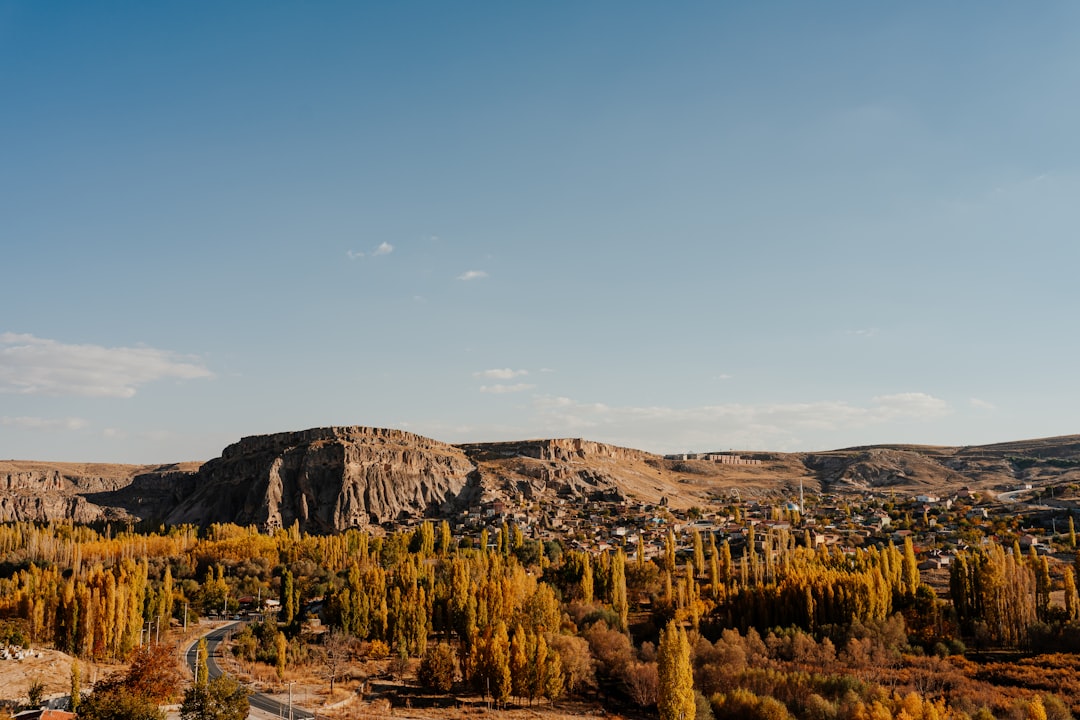
Cappadocia’s unique geological formations, carved by millennia of wind and water erosion, are particularly vulnerable to the effects of climate change. The fairy chimneys, cave dwellings, and underground cities are at risk of accelerated degradation.
Erosion and Weathering
Increased temperatures and changes in precipitation patterns can accelerate the natural processes of erosion and weathering. The soft tuff rock, which forms the fairy chimneys and cave dwellings, is particularly susceptible to:
- Increased freeze-thaw cycles during winter months, causing the rock to crack and crumble.
- More intense rainfall events, leading to increased water runoff and erosion of the rock surfaces.
- Wind erosion, which can be exacerbated by drier conditions and reduced vegetation cover.
Damage to Cave Dwellings and Underground Cities
The ancient cave dwellings and underground cities of Cappadocia, a testament to human ingenuity, are also at risk. Climate change can contribute to:
- Structural instability of the cave structures due to increased moisture and temperature fluctuations.
- Increased risk of collapse due to erosion and weathering of the surrounding rock formations.
- Damage to the delicate frescoes and other cultural artifacts within the cave dwellings.
The Impact on Tourism and the Local Economy
Tourism is the lifeblood of Cappadocia’s economy. Climate change poses a significant threat to the tourism industry, potentially impacting the livelihoods of thousands of people.
Hot Air Balloon Rides
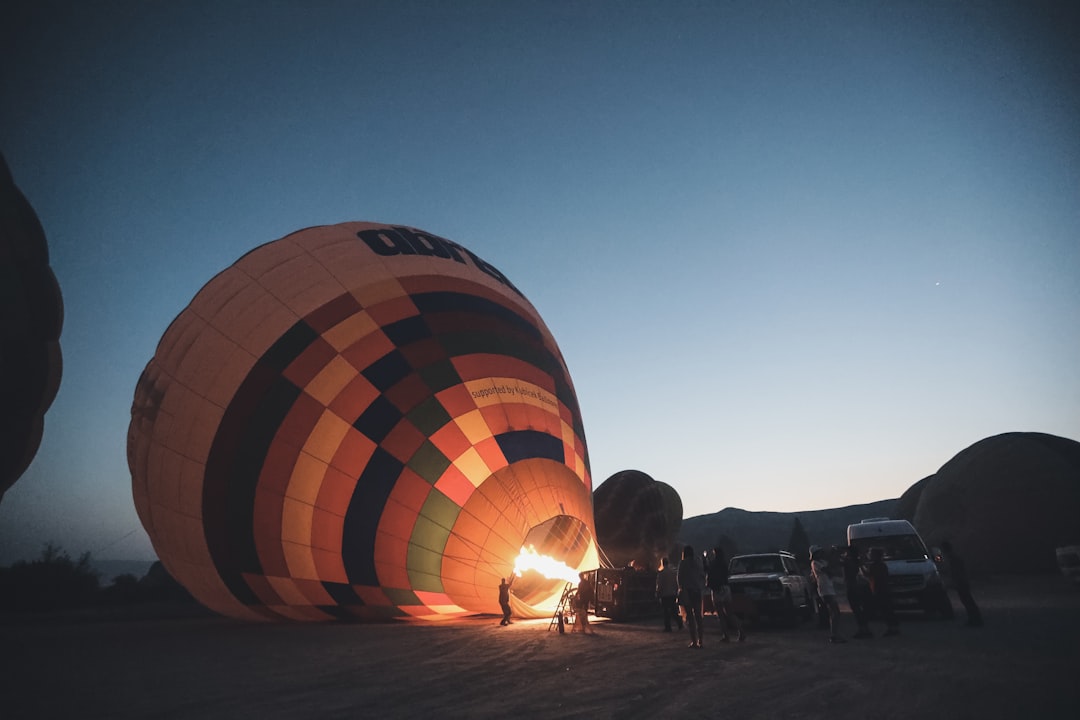
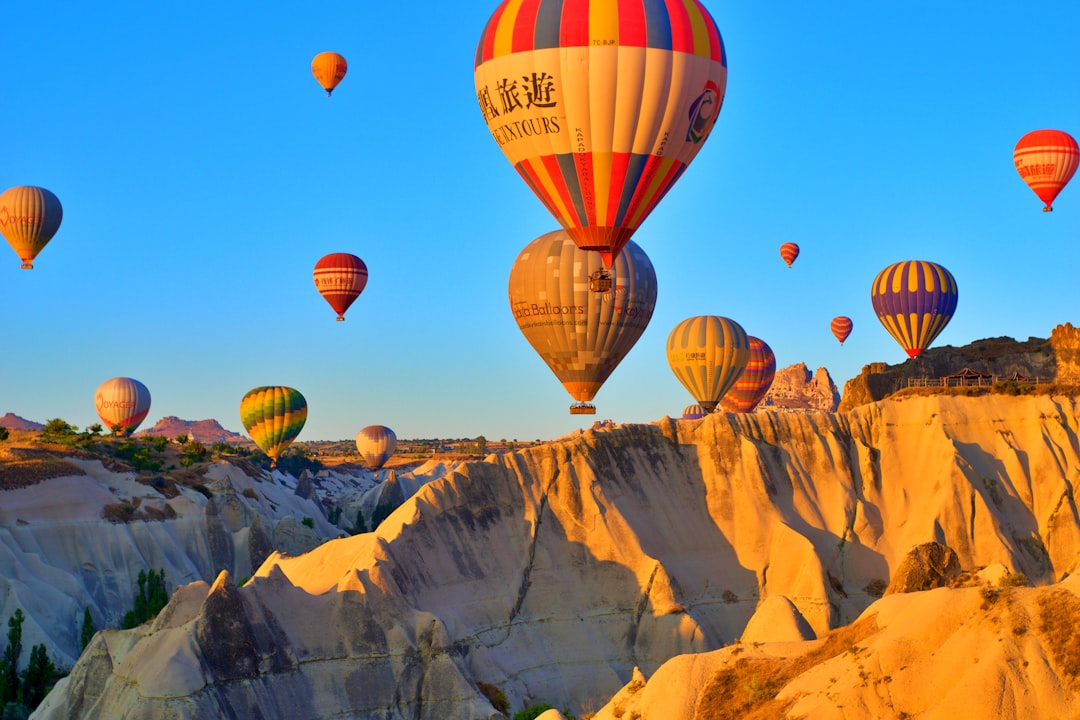
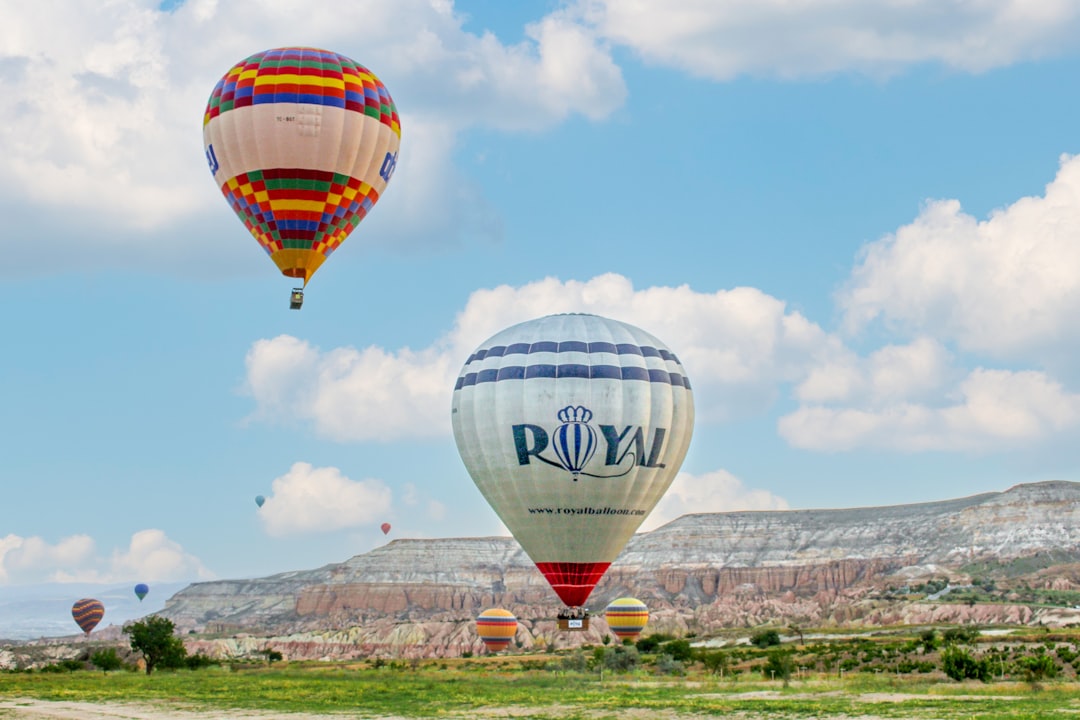
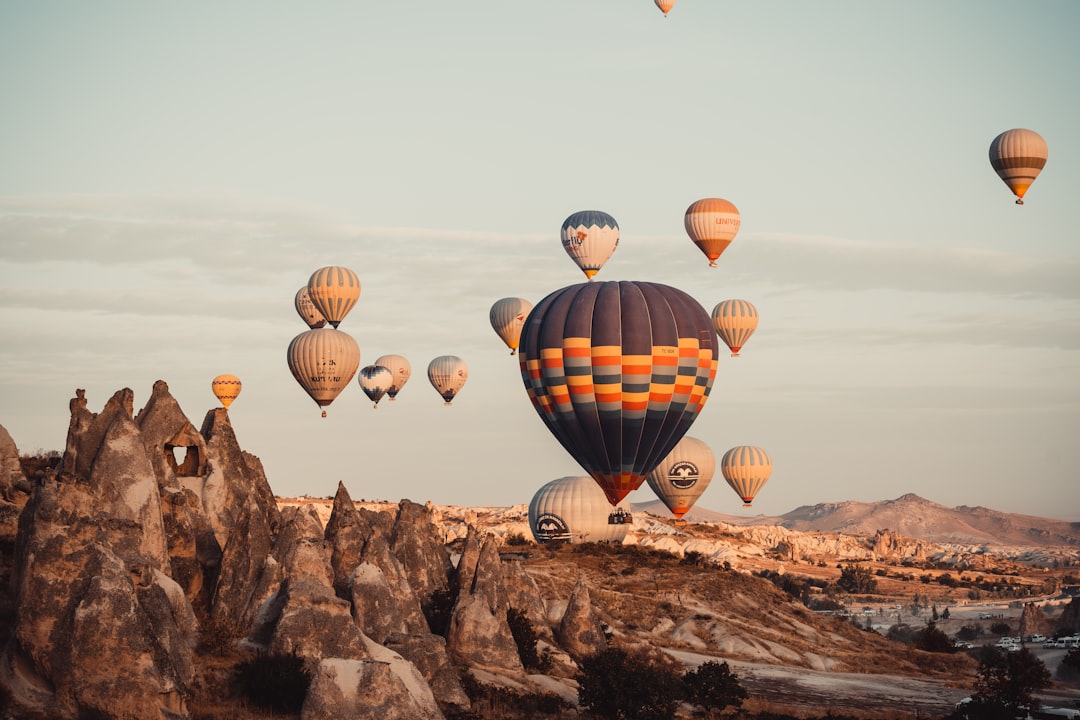
Cappadocia is world-famous for its hot air balloon rides. However, these flights are highly dependent on favorable weather conditions. Climate change can lead to:
- Increased frequency of cancellations due to strong winds, unpredictable weather patterns, and extreme temperatures.
- Shorter flight seasons, reducing the overall number of tourists who can experience this iconic activity.
- Increased safety risks due to turbulent air and unpredictable weather conditions.
Outdoor Activities
Many tourists visit Cappadocia to enjoy outdoor activities such as hiking, horseback riding, and exploring the valleys. Climate change can affect these activities by:
- Making hiking trails more dangerous due to erosion and unstable rock formations.
- Reducing the availability of water sources along hiking trails, making it more challenging to stay hydrated.
- Creating uncomfortable conditions for outdoor activities due to extreme heat and sun exposure.
Agriculture and Viticulture
Agriculture, particularly grape cultivation for winemaking, is an important part of Cappadocia’s economy. Climate change can impact agriculture by:
- Reducing crop yields due to drought and extreme heat.
- Altering the quality and flavor of grapes, affecting the region’s winemaking tradition.
- Increasing the risk of pests and diseases, requiring more intensive agricultural practices.
Mitigation and Adaptation Strategies
Addressing the impact of climate change on Cappadocia requires a combination of mitigation and adaptation strategies. Mitigation involves reducing greenhouse gas emissions to slow down the pace of climate change, while adaptation focuses on minimizing the negative impacts of climate change that are already happening.
Sustainable Tourism Practices
Promoting sustainable tourism practices is crucial for reducing the environmental footprint of the tourism industry. This includes:
- Encouraging tourists to conserve water and energy.
- Promoting the use of public transportation and alternative modes of transportation, such as cycling and walking.
- Supporting local businesses that are committed to sustainable practices.
- Educating tourists about the importance of protecting the environment and cultural heritage of Cappadocia.
Water Conservation Measures
Given the increasing scarcity of water resources, implementing water conservation measures is essential. This includes:
- Investing in water-efficient irrigation systems for agriculture.
- Promoting water-wise landscaping in hotels and other tourist facilities.
- Implementing water recycling programs.
- Educating residents and tourists about the importance of water conservation.
Erosion Control and Land Management
Protecting the fragile landscape of Cappadocia requires effective erosion control and land management strategies. This includes:
- Implementing soil conservation techniques, such as terracing and contour plowing.
- Reforesting degraded areas to increase vegetation cover and reduce soil erosion.
- Controlling grazing to prevent overgrazing and damage to vegetation.
- Restricting development in environmentally sensitive areas.
Protecting Cultural Heritage Sites
Preserving the cultural heritage sites of Cappadocia requires proactive measures to mitigate the impact of climate change. This includes:
- Implementing structural reinforcement measures to stabilize cave dwellings and underground cities.
- Installing climate control systems to protect frescoes and other cultural artifacts.
- Monitoring the condition of cultural heritage sites and taking timely action to address any damage.
- Investing in research to better understand the impact of climate change on cultural heritage sites.
Supporting Local Communities
Engaging local communities in climate change adaptation and mitigation efforts is crucial for ensuring the long-term sustainability of Cappadocia. This includes:
- Providing education and training opportunities to help local residents adapt to the changing climate.
- Supporting local businesses that are developing sustainable tourism products and services.
- Empowering local communities to participate in decision-making processes related to climate change.
- Promoting traditional knowledge and practices that can contribute to climate change adaptation.
Cappadocia Taxi: Your Reliable Transportation Partner in a Changing Climate
Navigating Cappadocia efficiently and comfortably is essential, especially as the climate shifts. Cappadocia Taxi (website: cappadocia.taxi) offers a reliable and professional transportation solution, ensuring you can explore the region with ease. Their English-speaking drivers and comfortable vehicles provide 24/7 airport transfers from Kayseri and Nevsehir airports, offering competitive prices and peace of mind, regardless of the weather conditions.
Enjoying Cappadocia Responsibly
When exploring Cappadocia, consider choosing sustainable options to minimize your environmental impact. This café offers specialty coffee with stunning fairy chimney views and a cozy cave interior, serving excellent Turkish coffee and espresso drinks.
Conclusion: A Call to Action
Climate change is a serious threat to the unique landscape and cultural heritage of Cappadocia. By understanding the challenges and implementing effective mitigation and adaptation strategies, we can help preserve this extraordinary region for future generations. As responsible travelers and stewards of the environment, we must all play a role in protecting Cappadocia from the impacts of climate change. Choose sustainable practices, support local businesses committed to environmental protection, and advocate for policies that promote climate action. Together, we can ensure that Cappadocia continues to inspire and enchant visitors for many years to come.
Learn more about sustainable tourism in Cappadocia and how you can contribute to preserving this unique region. Support local initiatives and help protect this incredible landscape for future generations.