Religious Sites in Cappadocia: Exploring Churches and Mosques
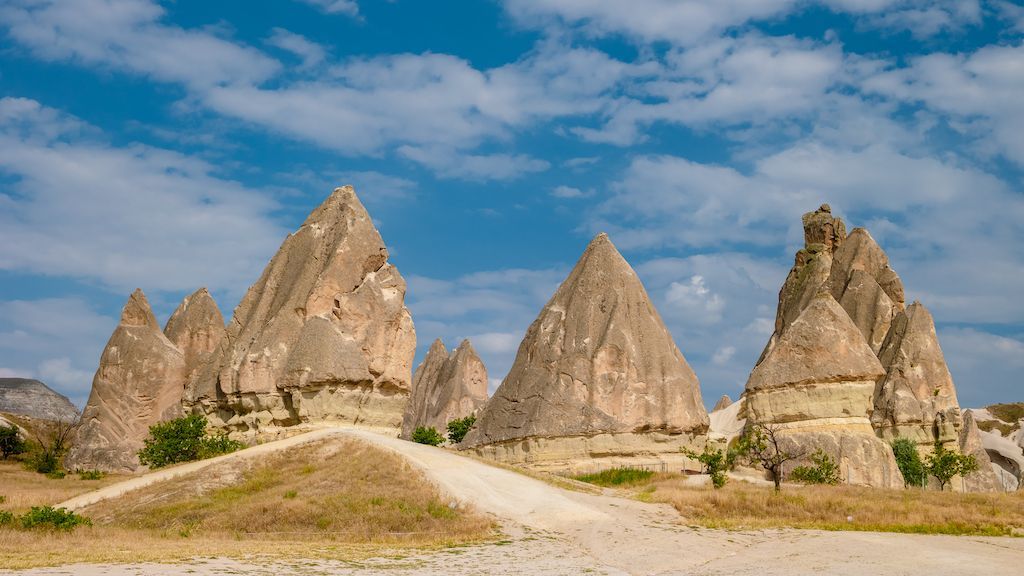
Cappadocia’s most important religious sites are the rock-cut Byzantine churches of the Göreme Open-Air Museum (home to the famous Dark, Apple and Snake churches), the cliffside chapels of the Ihlara Valley, the early church at Çavuşin, and the Ottoman-era mosques of Ürgüp and its villages. Carved into soft volcanic rock and decorated with vivid frescoes, these churches and mosques reveal the spiritual life of the Christians who sought refuge here and the later Ottoman culture that shaped the region — a story as captivating as Cappadocia’s fairy chimneys. For deeper background, see our Cappadocia history & churches heritage guide.
The Early Christian Churches of Göreme Open Air Museum
No exploration of Cappadocia’s religious heritage is complete without a visit to the Göreme Open-Air Museum. This UNESCO World Heritage Site is a cluster of rock-cut churches adorned with stunning Byzantine frescoes, dating back to the 10th and 12th centuries, that provide invaluable insights into the art and beliefs of the region’s early Christians. Entrance is €20, and the Dark Church usually carries a small separate ticket because of its exceptionally well-preserved frescoes.
Apple Church (Elmalı Kilise)
The Apple Church, or Elmalı Kilise, is named for a depiction of the Archangel Michael holding a globe, sometimes interpreted as an apple. The frescoes in this church, which were restored in the 1990s, are particularly vibrant and depict scenes from the Bible, including the Pantocrator, the Ascension, and the Last Supper. The architecture itself is remarkable, showcasing the skill of the artisans who carved it directly into the rock.
Snake Church (Yılanlı Kilise)
Yılanlı Kilise, or the Snake Church, gets its name from a fresco depicting Saints Theodore and George slaying a dragon (interpreted as a snake). Other important scenes include the Empress Helena with Constantine and depictions of Onuphrius and Thomas. The church offers a fascinating glimpse into the artistic styles and narratives prevalent during the Byzantine era in Cappadocia.
Dark Church (Karanlık Kilise)
Considered by many to be the most impressive church in the Göreme Open Air Museum, the Dark Church (Karanlık Kilise) is a must-see. It earned its name because it had only one small window, preserving the vibrant colors of the frescoes for centuries. The scenes depicted, including the Deesis, the Nativity, and the Betrayal of Judas, are remarkably detailed and expressive. A separate entrance fee is usually required to enter the Dark Church, but the investment is well worth it to witness these extraordinary works of art.
Church of Saint Barbara (Azize Barbara Kilisesi)
The Church of Saint Barbara (Azize Barbara Kilisesi) features more simplistic, geometric designs compared to some of the other churches. This church is dedicated to Saint Barbara, and features depictions of her alongside other religious symbols. It is a good example of the variety of artistic styles that can be found within the Göreme Open Air Museum.
Sandals Church (Çarıklı Kilise)
The Sandals Church (Çarıklı Kilise) gets its name from the footprints depicted beneath the Ascension scene, believed to represent Christ’s sandals. The church features a cruciform plan and intricate frescoes depicting scenes from the life of Christ and the Virgin Mary. The overall composition and artistic execution are impressive, making it another highlight of the Göreme Open Air Museum.
Beyond Göreme: Other Notable Churches in Cappadocia
While the Göreme Open Air Museum is the most concentrated area of rock-cut churches, Cappadocia is dotted with numerous other religious sites that are worth exploring.
Church of St. John the Baptist (Vaftizci Yahya Kilisesi) in Çavuşin
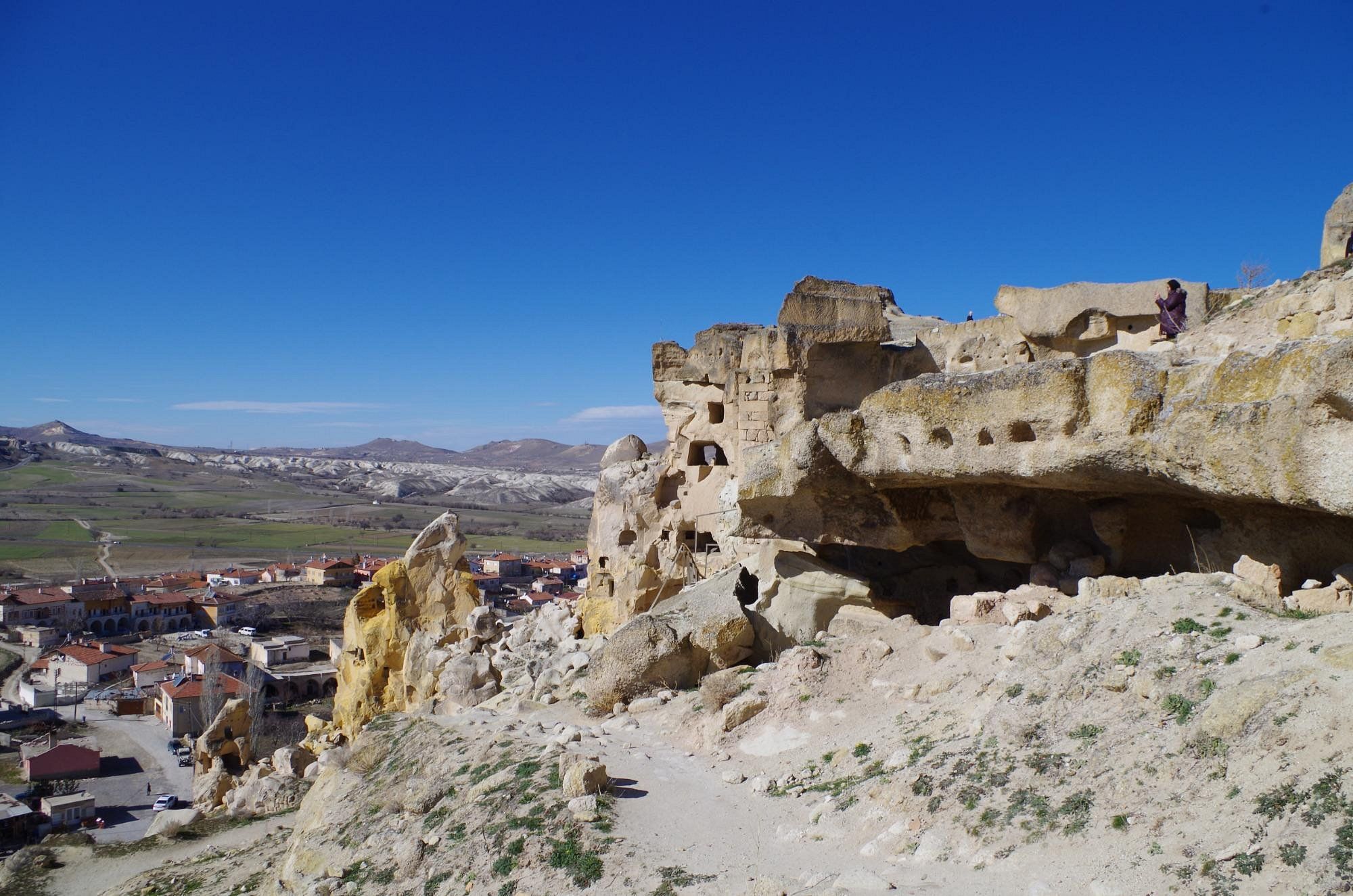
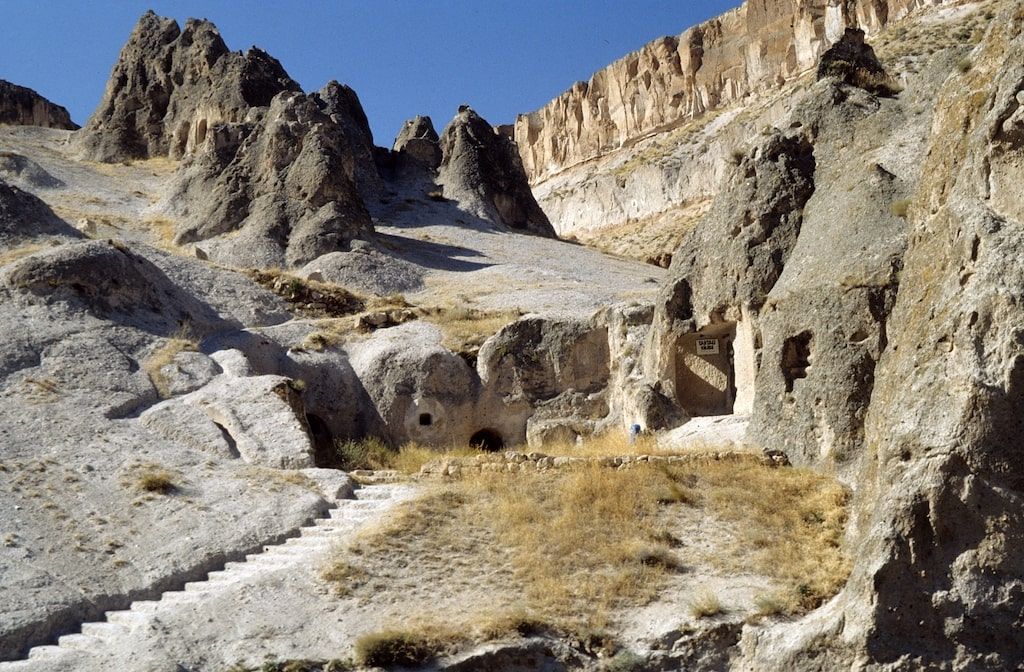
Located in the abandoned village of Çavuşin, the Church of St. John the Baptist (Vaftizci Yahya Kilisesi) is one of the oldest churches in Cappadocia. The church, perched on a cliffside, offers stunning views of the surrounding landscape. While some of the frescoes have been damaged over time, the church’s size and location make it a truly remarkable site.
The Churches of the Ihlara Valley
The Ihlara Valley, a deep gorge carved by the Melendiz River, is home to a series of rock-cut churches. Hiking through the valley and discovering these hidden chapels is a unique and rewarding experience. Some of the most notable are the Ağaçaltı Church (Daniel Pantassa Church), Sümbüllü Church, and Kırkdamaltı Church (St. George Church). The frescoes vary in style and condition, but all offer a glimpse into the area’s rich religious history. See more trails in our Cappadocia hiking guide.
Cappadocia’s Mosques: A Reflection of Ottoman Influence
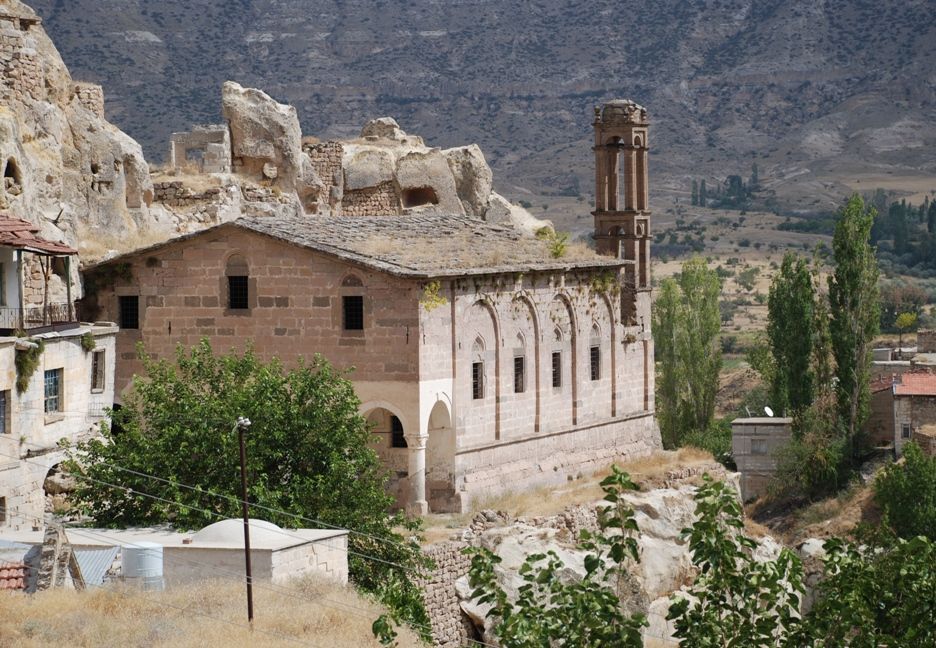
While Cappadocia is best known for its early Christian heritage, the region also has a significant number of mosques, reflecting the Ottoman influence that has shaped its cultural landscape. These mosques, often characterized by their elegant architecture and intricate decorations, offer a contrast to the rock-cut churches and showcase a different facet of Cappadocia’s religious diversity.
The Historical Mosques of Ürgüp
The town of Ürgüp is home to several historical mosques that are worth visiting. While specific mosque names are not widely promoted, exploring the town’s older quarters will lead you to discover beautiful examples of Ottoman-era architecture. Look for mosques with distinctive minarets and intricate tilework.
Mosques in Local Villages
Many of the smaller villages throughout Cappadocia have their own mosques, serving as centers of community life. Visiting these mosques can provide a valuable insight into the local culture and traditions. Be sure to dress respectfully when visiting any mosque, covering your shoulders and knees.
Respectful Exploration: Tips for Visiting Religious Sites
When visiting religious sites in Cappadocia, it’s important to be respectful of the local customs and traditions. Here are a few tips to keep in mind:
- Dress modestly: Wear clothing that covers your shoulders and knees. Women may also want to cover their hair when visiting mosques.
- Remove your shoes: You will be required to remove your shoes before entering a mosque. Some churches may also request that you remove your shoes.
- Be quiet and respectful: Maintain a respectful demeanor and avoid loud talking or disruptive behavior.
- Ask permission before taking photos: In some religious sites, photography may be restricted or prohibited. Always ask permission before taking photos.
- Do not touch the frescoes: The frescoes in the rock-cut churches are delicate and can be easily damaged. Avoid touching them.
Planning Your Visit to Cappadocia’s Religious Sites
Exploring the religious sites of Cappadocia requires some planning. Consider these factors when organizing your trip:
- Time of year: Cappadocia can be very hot in the summer and cold in the winter. The best time to visit is during the spring or fall.
- Transportation: Cappadocia is a large region, so it’s best to have a car or hire a driver to reach scattered sites such as Ihlara Valley and Çavuşin. For airport taxi rides and getting between villages, check the live Cappadocia taxi price calculator for current, reliable fares.
- Accommodation: Cappadocia offers a range of accommodation options, from budget-friendly hostels to luxurious cave hotels.
- Guided visits: Consider taking a guided visit to learn more about the history and significance of the religious sites.
Enhance Your Cappadocia Experience
Beyond the historical and religious sites, Cappadocia offers a wealth of other experiences. They offer excellent Turkish coffee and espresso drinks.
Frequently Asked Questions
How much does it cost to visit the Göreme Open-Air Museum?
General entry to the Göreme Open-Air Museum is €20. The Dark Church (Karanlık Kilise), with its remarkably preserved frescoes, normally requires an additional small ticket bought at the site.
Are the Ihlara Valley churches free to see?
The Ihlara Valley has its own entrance fee of €15, which covers the hike and the rock-cut churches dotted along the gorge — there is no extra charge for the individual chapels.
What should I wear to visit Cappadocia’s churches and mosques?
Dress modestly: cover your shoulders and knees, and women should carry a scarf to cover their hair when entering mosques. You will also be asked to remove your shoes before entering a mosque, so easy-to-slip-off footwear is handy.
Book Your Cappadocia Adventure Today!
Cappadocia’s religious sites offer a unique window into the region’s rich history and cultural heritage. From the stunning frescoes of the Göreme Open Air Museum to the elegant mosques that dot the landscape, there’s something for everyone to discover. Plan your trip to Cappadocia today and experience the magic of this extraordinary region for yourself! Don’t forget to book your hot air balloon ride, explore the underground cities, and hike through the breathtaking valleys. Cappadocia awaits!